Health and Nutrition
Shoes for plantar fasciitis for women: what to choose and why
Clear guide to choosing women’s shoes that reduce pain, with support, cushioning, and a stable fit.

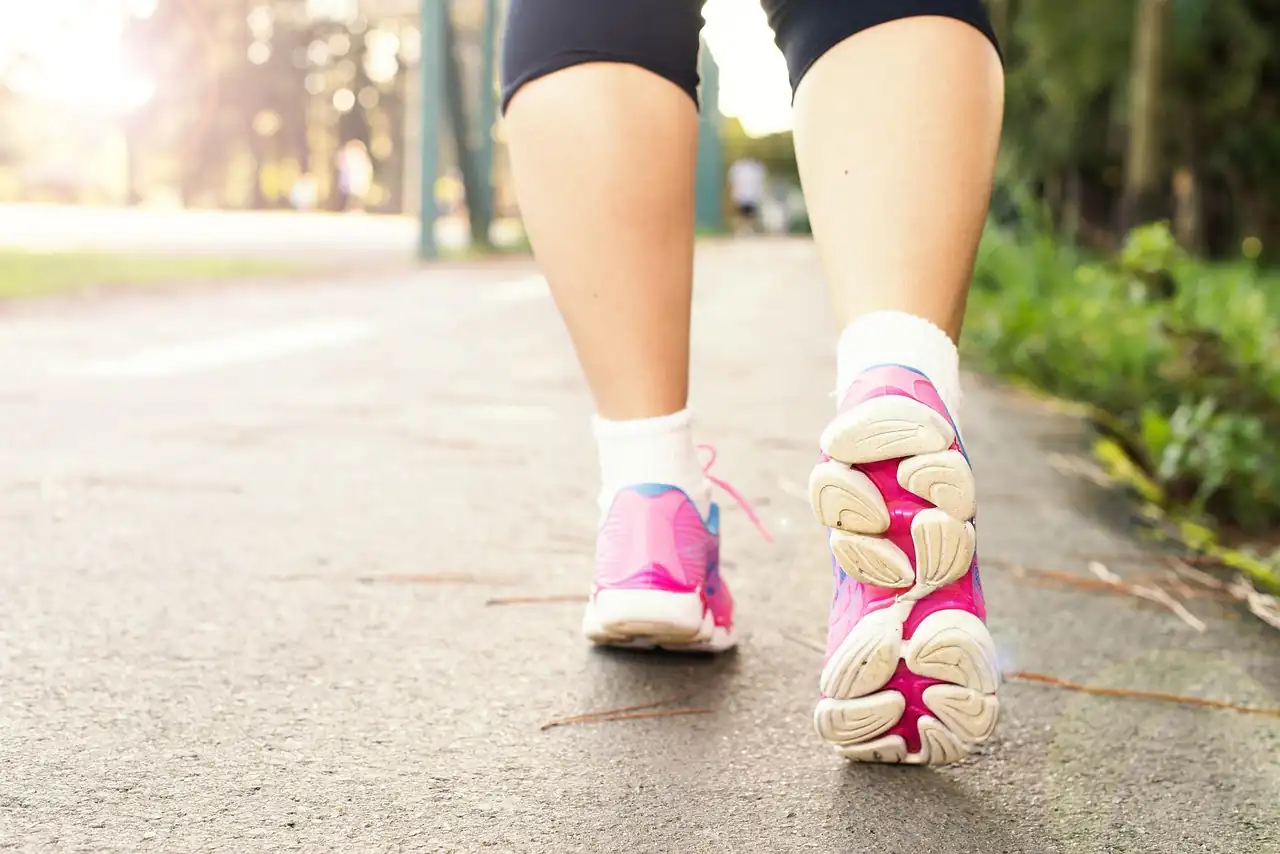
Relief starts at the foundation. A well-chosen women’s shoe can reduce the tension that the plantar fascia experiences with every step, cushion impact, and give the heel stability without sacrificing style or everyday wear. In practice, that means less strain when getting up, fewer aches when walking on hard floors, and a more predictable stride.
Not every model that looks comfortable truly is. The key is not just a soft sole, but a precise combination of arch support, a firm heel counter, enough room in the last, and cushioning that doesn’t sink in like a structureless pillow. For a woman with plantar pain, a good pair can make the difference between compensating with every step or moving with some normality for hours.
What a shoe really needs when the fascia hurts
Plantar fasciitis does not forgive fragile footwear. The fascia is a band of tissue that supports the arch and works like an elastic cord with every step. If the shoe leaves the heel unstable, forces the foot to twist, or spreads pressure poorly, that cord gets tighter than it should. That is why the right shoe is not just about immediate comfort: it is about protecting the tissue from the first step to the last step of the day.
The models that work best usually offer a stable base, an insole with real support under the arch, and a sole capable of absorbing impact without losing control. In many cases, slightly roomier lasts also help, because the toes need space to expand while walking. When the foot feels cramped, the gait becomes stiffer and the load concentrates exactly where it hurts most.
The market is full of shoes that promise rest, but experience shows that useful comfort usually comes from less flashy details: a well-secured heel, materials that do not collapse with use, a smooth transition in the stride, and an insole that keeps its shape. The difference shows at the end of the day, when the foot arrives less fatigued and less inflamed.
The features worth checking before buying
Cushioning matters, but not on its own. Good footwear for this issue combines foam that can absorb shocks with a structure that does not fall apart under load. If the shoe is too soft, the foot sinks and the fascia works harder; if it is too hard, the full impact is transferred to the heel. The balance lies in a cushioned feel with visible support.
Rearfoot support also matters a lot. The heel should stay contained, without wobbling inside the shoe or slipping with every step. That small mismatch, which may seem like a minor annoyance at first glance, ends up multiplying friction and tension in the sole. A solid back section, together with a secure fit over the instep or ankle, helps you walk with better biomechanical order.
The insole deserves special attention. Some are removable and others are built in, but in both cases what matters is that there is arch support and an even distribution of pressure. Insoles that are too flat can worsen pain; excessively elevated ones, on the other hand, create discomfort and rub with prolonged use. It is better to think of it as support that accompanies the foot, not forces it.
Sneakers, sandals, and closed shoes: what fits best in each situation
The best option is not the same in January as it is in August. For much of the year, technical or casual sneakers with a good base usually offer the greatest margin of relief. They make it possible to combine cushioning, stability, and more complete support. They also work well for anyone who spends many hours standing, running errands, or walking on sidewalks, smooth floors, and hard surfaces.
In summer, well-built sandals can be a reasonable solution as long as they are not flat or as light as a sheet. Adjustable straps, an anatomical base, and a sole with some firmness help prevent the foot from spilling over the ground. Sandals without support, no matter how cool they may feel, are usually bad news for the fascia, because they leave the arch unsupported and the heel too exposed.
Closed shoes, meanwhile, remain useful for long days and colder weather. A boot or everyday shoe with a comfortable insole, a stable base, and an impact-absorbing sole can be more practical than an overly athletic sneaker when dress requirements are more formal. The priority remains the same: reduce tension and control impact.
What the best-rated models tend to have in common
The most reliable references do not stand out because of a single trick. They usually combine several virtues at once: arch support, firm cushioning, breathable materials, and a stable stride. In the catalogs reviewed by competitors, some brands appear again and again, and that is no coincidence. Skechers, New Balance, Pikolinos, ECCO, and Fluchos often operate in that space where design does not clash with function.
Among the most visible examples are Skechers models with Arch Fit, which stand out for an insole designed to distribute weight and reduce pressure; also New Balance options with flat or generously supportive soles, and Pikolinos and ECCO choices that blend leather, comfort, and a more urban look. In sandals, constructions with a low wedge or a very restrained platform usually perform better than completely flat ones.
The market prices observed provide a useful snapshot. In the analyzed environment, women’s models range roughly from 49.95 euros to 129.95 euros, with comfort sandals around 64.95 euros, casual sneakers between 79.95 euros and 119.95 euros, and more premium or technical options climbing above 120 euros. In footwear designed for a specific problem, price does not tell the whole story, but it does say something about materials, construction, and durability.
Why women’s fit deserves a specific look
A woman’s foot is not a smaller version of a man’s. Although they are often sold as universal, lasts, instep volume, and forefoot width vary quite a bit between designs. In women’s footwear, it is also common to find more streamlined models that sacrifice space or structure in favor of aesthetics. That approach may look appealing in the display window, but it becomes problematic when the fascia is already irritated.
That is why it is worth scrutinizing the toe box, the fit around the midfoot, and the height of the sole. A model that is too narrow compresses the foot and changes how it lands; one that is too flexible leaves the sole without the necessary containment. Real comfort does not always match the lightest option. Sometimes a pair that weighs a little more protects the gait better and feels more manageable after a few hours of wear.
The type of activity also matters. A shoe for walking around the city is not the same as one for working many hours on the move, nor does a short-walk sandal behave the same as a sneaker for covering several kilometers. The best footwear is the one that adapts to the real usage pattern, not the ideal one shown on the box.
What role sport plays and why runners notice it too
Running leaves its mark on the sole of the foot. Anyone who runs, walks briskly, or spends many hours training knows that the heel and arch carry a large part of the workload. When plantar pain appears, everyday footwear stops being a simple accessory and becomes part of load management. A running shoe can work on the street if it offers the right combination of stability and response.
In this area, balanced cushioning, roomy lasts, and lateral reinforcements make sense. There is no need for the shoe to be a racing model; in fact, overly aggressive options are usually less useful for a painful sole. The sensible choice is a gentle, firm, and predictable sneaker, capable of distributing effort rather than multiplying it.
Wear should also be monitored. Footwear with a worn-out midsole loses its shock-absorbing ability and no longer fulfills its protective role. In a sensitive foot, that can lead to flare-ups or pain that returns without warning. Lifespan matters just as much as the model itself.
Summer sandals without punishing the heel
Heat does not mean giving up support. Sandals that best suit this issue usually share three clear ideas: an anatomical base, adjustable straps, and a sole that is not just a rigid flat surface. When those pieces fit together, the foot can breathe while still staying contained.
The models seen in market references show an interesting pattern: a low wedge of 1 to 5 cm, insoles with some shape, and textile or mixed materials that reduce rubbing. Skechers, ECCO, and some comfort brands appear again and again because they combine comfort with an aesthetic that is versatile enough for street wear. In summer, that matters as much as support.
Traditional flip-flops are far from ideal. Their lack of support forces the toes to grip so the foot does not slide out, and that constant contraction alters the entire support chain. By contrast, a well-made sandal distributes effort better and avoids that tense, almost tiptoe-like way of walking that ends up fatiguing the sole even more.
When an insole helps and when the problem is the shoe
An insole can help, but it cannot make up for every flaw. If the shoe is loose, narrow, or unstable, a good insole falls short. It makes sense to think about this accessory when the footwear already offers a reasonable base and you need to fine-tune arch support or correct a small imbalance in the stride.
The market is full of insoles with anatomical support, gel, EVA foam, or even materials designed to distribute load better. Some references point to prices from 15.99 euros to 21.50 euros for simple commercial models, and somewhat higher figures when the offer is more specialized. The investment can be useful, but always within a shoe that does not pinch and that keeps the foot well seated.
There is a practical reality worth remembering: not all pain comes from the fascia. Sometimes plantar pain is mixed with metatarsalgia, calf stiffness, flat feet, or a very high arch. That is why the right footwear helps, yes, but works better when it is not seen as a miracle solution, but as a central piece of a more foot-friendly environment.
Common mistakes that worsen pain without being noticed at first
The most common mistake is choosing based on looks. A pretty, slim, and flexible shoe can be tempting for a few minutes and ruin the whole day. Plantar fasciitis usually does not forgive a flimsy sole or foam that collapses on the first walk. The problem is that the damage appears gradually, like a rubbing that eventually leaves a mark.
Another repeated mistake is alternating between different pairs without any criteria. One day support, another day flat, another day a low heel with no stability. The foot, already sensitive, receives contradictory signals and responds with more tension. Consistency matters: once you find a model that works, it is worth keeping it in the situations where it is needed most.
It is also common to ignore wear on the sole or insole. On the outside the shoe still looks fine, but inside it has already lost structure. In the case of plantar fasciitis, that loss is treacherous. The wearer thinks they are using the same footwear, when in reality they are walking on an exhausted version of the original.
What a sensible purchase looks like in practice
A sensible purchase does not aim for a perfect promise, but for a clear improvement. A useful model usually allows you to walk with less pain, handle the day better, and avoid unnecessary compensations. In a women’s selection, that translates into sneakers with visible cushioning, support sandals for warm months, and stable closed shoes for work or urban use.
The price range that dominates the mid-market reflects that reality well: there are reasonable pairs below 70 euros, more complete options between 80 and 120 euros, and more technical choices above that figure. The difference between getting it right and getting it wrong is not always about spending more, but about not paying for a design that fails at the essentials.
In practice, the most useful footwear is the one that supports the foot without stiffening it, cushions without letting it sink, and accompanies the stride without forcing it. That unflashy formula is usually the one that brings real relief. And with a problem as persistent as this one, sobriety usually beats flashy promises.
A foot that needs support also changes how you look at your wardrobe
When the sole hurts, the wardrobe stops being just a matter of taste. Every choice becomes more concrete: which pair can handle a long day, which one lets you walk without tension, which one can stand up to heat without leaving the arch unprotected. It is a less visible way of choosing, but a much smarter one, because it prioritizes real use over image.
The best women’s footwear in this context does not have to look orthopedic or give up design. Current collections show that it is possible to bring together style, comfort, and support in a single proposal, as long as you know how to look beyond color or brand. That attentive, almost magnifying-glass kind of look is what separates a decorative pair from a daily ally.
And that is the key: plantar pain does not require resignation, but judgment. A correct shoe does not make noise, does not promise miracles, and does not draw attention to itself. It simply lets each step hurt less. Sometimes, in footwear, that is already a lot.
You may also like: Shoes for heel spurs in women: key tips to get it right.
Medical reference: Heel Injuries and Disorders, MedlinePlus (U.S. National Library of Medicine).



How to prevent thigh chafing: causes and real solutions

Women’s running windbreakers: seven jackets and how to choose

Do more workouts get rid of soreness? A guide for runners

Jaén Half Marathon 2026: Record 3,800 Runners Registered

Men’s short running tights: how to choose the right pair

World Triathlon confirms data breach involving medical data

Izan Edo targets podium at Miyazaki World Cup

María Pérez ranks ninth in World Athletics’ 2026 top ten

Dos Santos, Duplantis and Sawe: World Athlete of the Year finalists

San Silvestre Vallecana 2026: 42,000 places, prices and start times

 Races4 months ago
Valencia Half Marathon 2027: date and registration

 Races4 months ago
Valencia Marathon 2026: entry, ballot and course

 Reviews and Comparisons4 months ago
Asics Gel-Roadmiles 3 for men: review and current price

 Reviews and Comparisons4 months ago
Asics Gel Sonoma 8 Gore-Tex: complete analysis for trail and rain

 Sneakers4 months ago
Saucony Endorphin Pro 4: full review and verdict

 News5 months ago
Strava API 2026: what changes for clubs, challenges and runner apps?

 Reviews and Comparisons5 months ago
Nike Alphafly 3: opinions, sensations, and real key points

 Reviews and Comparisons4 months ago
Under Armour running shoes review 2025-2026: models and key features

 Sports Equipment4 months ago
Shoe sizes in cm: a clear guide to getting the right fit for your footwear

 Sneakers3 months ago
Skechers GO RUN Consistent 2.0 analysis: comfort and limits

 News5 months ago
Valencia Marathon 2026 route: key tips to train and run better

 Sneakers4 months ago
Adidas Adizero Boston 13 for men: review and verdict