Health and Nutrition
Women’s shoes for heel spurs: advice for runners
Proper footwear can reduce pressure on the heel and improve your gait in daily life and while running.

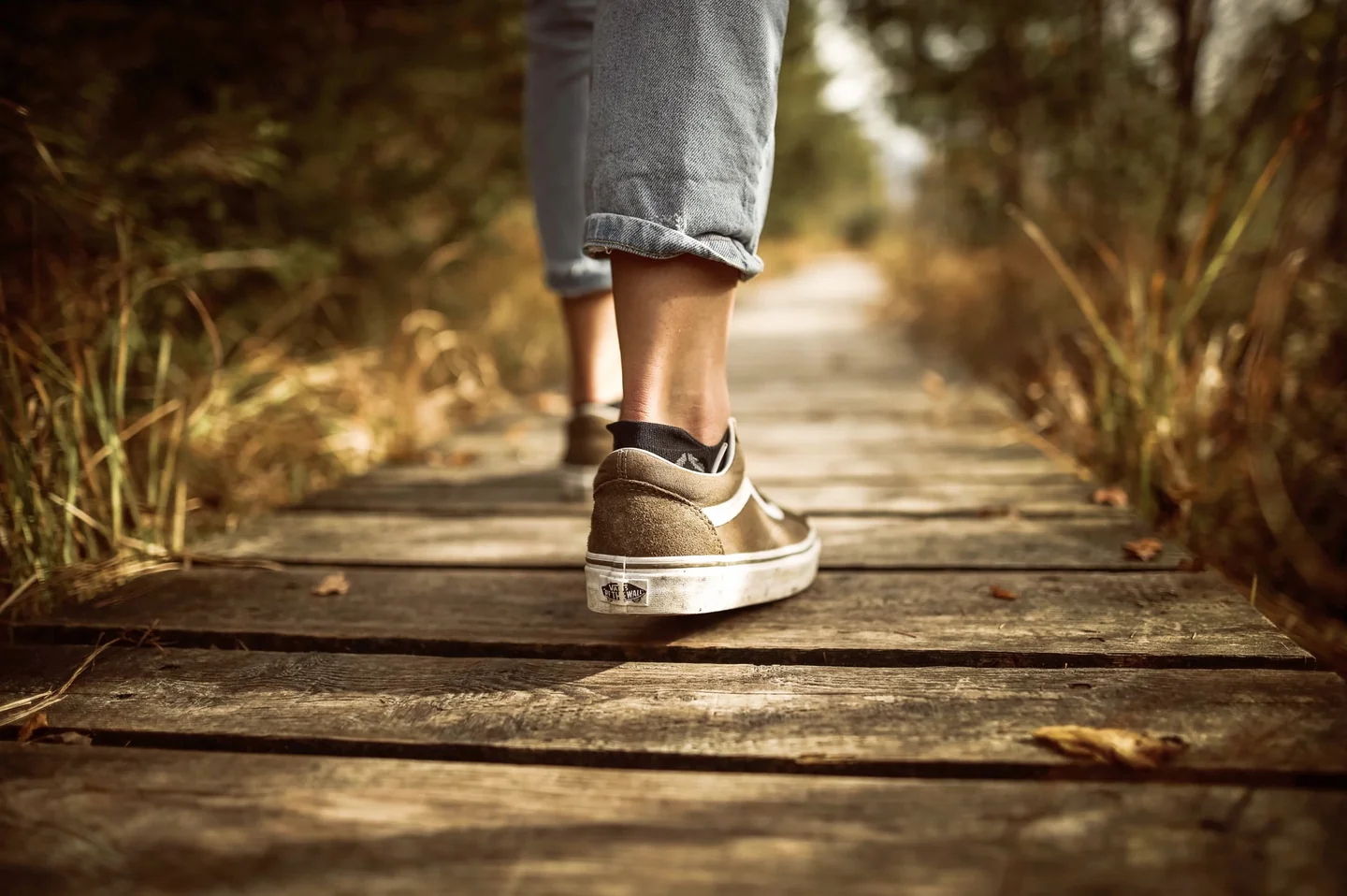
Heel pain can make itself felt throughout a runner’s daily routine. It may show up when getting out of bed, walking to the kitchen, or covering the first few miles, like a small, persistent stone under the foot. Choosing the right footwear is therefore a practical decision: women’s shoes for heel spurs should offer cushioning, stability, and a comfortable ride for both everyday wear and running.
In practice, what helps most is not a miracle model, but a set of very specific features: a well-padded heel, arch support, a sole with good responsiveness, and enough room so the foot is not compressed. The actual use the shoe will have also matters, because a short walk is not the same as a long workday, nor is an urban outing the same as a brisk walk on asphalt or an easy running session.
What happens in the heel when pain appears
A heel spur is a bony formation on the heel bone, but the pain does not always come from the spur itself. Often, the discomfort is more related to tension in the plantar fascia, the tissue that supports the foot arch and works at every step like a taut cord. When that area is overloaded, weight-bearing becomes rough, especially on hard surfaces and during the first movements of the day.
That is why useful footwear does not just aim for general comfort. Its job is to reduce repeated impact, that small hammering the body receives with every stride. A shoe that is too flat, rigid, or lacking structure can worsen the stabbing sensation. By contrast, a stable last and an insole that is kind to the heel help spread the weight better so the step does not place all the effort on a single point.
The difference between getting by and walking with less discomfort often lies in tiny details. A firm heel counter, a slightly roomier heel base, and materials that do not give way too much can greatly change the wearing experience. They do not eliminate the cause of the problem, but they can soften the daily impact the feet endure.
The features that matter most when choosing footwear
The first filter should be heel cushioning. The back of the foot needs to absorb part of the impact without sinking excessively. Soft foams, well-placed gel, or anatomical insoles can help, but softness should not be confused with effectiveness: a shoe that is too spongy, unstable, or tall can reduce control and worsen the feeling of insecurity when walking.
Arch support is also key. When the arch is well supported, the fascia experiences less tension. This is especially useful for women with high arches, flat feet, or a history of recurring heel discomfort. The idea is not to hold the foot rigidly, but to support its natural shape with a base that keeps it aligned while walking.
The sole deserves as much attention as the insole. A base with good grip, some flexibility in the forefoot, and a degree of stability in the midfoot usually works better than a thin, completely flat sole. On hard streets, office floors, or uneven sidewalks, the foot appreciates a real barrier against impact. And in everyday life, that protection matters more than any decorative detail.
Finally, it is worth looking at the last and fit. A shoe that squeezes the forefoot forces you to change the way you walk; one that is too loose makes the foot move around inside and tense up to seek stability. The balance lies in a firm but gentle hold, with enough room for the toes and no aggressive seams in the heel area.
Models that usually work better in real life
Women who live with heel pain often find relief in closed, structured models, especially soft loafers, everyday sneakers, lightweight ankle boots, and Mary Janes with cushioned bases. The advantage of these styles is that they wrap the foot and allow cushioning to be integrated better without sacrificing stability. In urban settings, that balance is more useful than a completely flat or overly rigid shoe.
In warm weather, sandals with real support become an important alternative. Not all of them are suitable: the most useful ones are those with an anatomical footbed, instep support, some heel height, and a base that does not twist while walking. Thin straps and thin soles may seem light, but they often force the foot to work harder. For a sensitive heel, that accumulation of small strains takes its toll.
In sports footwear, sneakers with good rear cushioning and a smooth transition are usually the most sensible for moderate walking or running. Here it is worth distinguishing between immediate comfort and long-term performance. Some sneakers feel soft when you try them on but fail in stability; others, by contrast, absorb impact better and keep the foot centered. For fascia and heel discomfort, that second quality is usually more valuable.
The best option is not always the most padded, but the one that distributes the load best. That nuance changes the buying decision a lot. A simple-looking model may work better than a flashier one if it has a firm base, a well-designed arch, and a removable insole that lets you adapt the step when needed.
What role insoles and heel height play
Removable insoles are a highly valuable detail. They make it possible to insert an orthopedic or more specific insole without forcing the shoe’s interior. They also make drying easier, which is useful when the footwear is used daily. In heel conditions, this can make a difference because each foot responds differently and not all require the same pressure in the arch or the same volume in the heel.
Heel height, for its part, must be handled very carefully. Completely flat footwear does not always help, because it can overstretch the posterior chain and increase tension on the plantar fascia. Nor is it advisable to go to the opposite extreme, with high heels that shift the weight forward and punish other areas of the foot. A small, moderate lift is usually kinder than either extreme.
In everyday life, a low heel or a subtle wedge can provide a more natural support. The goal is not to chase centimeters for aesthetics, but to find a geometry that relieves the painful point without altering posture too much. Anyone who spends many hours standing, walks on asphalt, or combines long stretches with short breaks usually notices that benefit quickly.
Footwear for daily life, work, and walking
Routine is the best test of footwear. A pair of shoes may seem comfortable in the store and yet feel heavy by the end of an eight-hour day. That is why, when dealing with heel pain, it is important to look beyond the fitting moment. Stability when stepping, the softness of the heel counter, and the responsiveness of the sole are factors that reveal themselves with use, not in the display window.
In professions that involve many hours on your feet, the right shoe helps reduce the accumulated punishment on the heel. In those cases, lightness, easy fit, ventilation, and the absence of hard seams in the back area matter a lot. If the insole is also removable, the range of adaptation increases. It is no coincidence that so many models designed for work share those same keys.
For walking around the city, it helps to think about the real terrain: curbs, uneven pavement, pace changes, and small stops. The foot needs a base that does not collapse with every turn. A stable stride protects more than an overly soft sensation, which sometimes hides a lack of structure. Over short distances that may not be noticeable, but over the course of the day it certainly is.
Running, long walks, and heel pain
In the running world, a sensitive heel means looking closely at the shoes. The goal is not simply to add cushioning, but to seek a smooth transition between landing, support, and push-off. Very stiff or overly minimalist shoes tend to be unkind when the fascia is irritated. By contrast, a balanced midsole and a well-set base can help distribute loads more evenly.
The surface also matters. Running on asphalt, hard sidewalks, or compact ground multiplies repeated impact. That is why, during painful periods, many runners prioritize gentle walks, short easy runs, or even a couple of days of relative rest so they do not keep aggravating the area. Footwear helps, but exposure to impact is a major deciding factor.
Long walks are similar. The foot does not just bear weight; it also compensates for small imbalances, turns, and pace changes. A shoe that feels comfortable in the first kilometer can become demanding by the third if the cushioning gives way or if the arch is not well resolved. That is why models with a consistent base tend to outperform purely soft ones.
Materials, last shape, and small details that make a big difference
Soft, breathable materials are usually preferable to rigid synthetics. Soft leather, well-finished technical fabrics, or linings without rough spots reduce rubbing and help the shoe follow natural movement. In addition, good breathability prevents that swollen-foot feeling that worsens at the end of the day and alters the way you step.
The wide toe box also helps. Even if the pain is in the heel, a tight forefoot changes the whole biomechanics of walking. When the toes can spread a little, the foot distributes effort better and the step feels more natural. That detail may seem minor, but it works like the width of a road: the better it is laid out, the less strain the vehicle endures.
Another useful element is the rear counter, the piece that holds the heel from behind. If it is too soft, the foot loses anchoring; if it is too rigid and harsh, it can rub. The middle ground is the most valuable: enough firmness to stabilize and a smooth finish so it does not irritate an already sensitive area.
What mistakes are best avoided when buying
One of the most common mistakes is being swayed by an extreme cushioned feel. First impressions can be misleading. A very soft shoe feels like a cloud, but if the foot sinks too deeply, the muscles work in a disorganized way and the painful area receives more tension than it should. With the heel, too much softness can backfire.
It is also wise to distrust thin, flat soles, especially if they are worn for many hours. That kind of base lets impact through too easily. Likewise, shoes that are narrow at the instep or forefoot force you to compensate through the way you walk. The body is clever at adapting, yes, but every adaptation has a cost.
Another common mistake is buying based only on occasional use. A nice model for a specific outing may not work for everyday life. By contrast, a well-chosen shoe for frequent use provides more cumulative relief. When it comes to heel issues, consistency matters more than occasional flair.
How to read a product sheet without getting lost
In the store, useful information lies in the details: whether the insole is anatomical, whether it can be removed, whether the sole absorbs impact, whether the heel is low and stable, whether the outer material gives a little without deforming. The keywords that deserve trust are support, cushioning, stability, and fit. Anything that strays too far from that deserves a second look.
The description of the last also deserves attention. Some brands talk about a wide fit, others about an ergonomic insole or a comfortable base. Beyond the commercial name, what matters is the practical translation: that the foot goes in without a struggle, that the heel does not move around, and that the weight does not shift abruptly toward the inner or outer edge.
In the case of sandals, the reading must be even more precise. Being open does not mean being more comfortable. Instep support and arch support matter more than a feeling of freshness when there is plantar pain. Summer should not force the foot to go bare on a sole without structure.
Running with heel pain: how to adjust your training
If your heel hurts when you start running, don’t assume the spur itself is the cause or try to change your stride to compensate. Heel pain can involve different structures in the foot. Shoes may make each step feel more comfortable, but they won’t necessarily address the underlying reason for the pain. For your runs, choose footwear that holds your foot securely without squeezing it, leaves room for your toes, and has a stable base that feels comfortable from the first steps.
Pay attention to how your heel feels during and after a run. If the pain gets worse, changes your stride, or makes you limp, stop rather than pushing through the session. If the discomfort is mild and not increasing, consider making the run easier and choosing an even surface; don’t turn it into a test of how much pain you can tolerate. Avoid trying unfamiliar shoes on a long run, and don’t make sudden changes to your footwear or routine while your heel is already sensitive.
It can also help to notice when the pain occurs: on getting up, during the first steps, while running, or afterwards. That information may be useful when speaking with a healthcare professional, particularly if the pain persists, worsens, or interferes with everyday activities. No shoe or insole is guaranteed to solve the problem, so prioritise a comfortable, stable fit and seek professional advice before increasing your training load if symptoms continue. Being comfortable while walking doesn’t necessarily mean your foot is ready for a run.
A small pain on the outside, big on the inside
A painful heel has something of a sentinel about it: it warns you before the problem worsens. It often starts with discomfort when getting up, continues with a twinge at the end of the day, and ends up affecting gestures that seemed automatic, like stepping off a curb or speeding up at a crosswalk. Choosing footwear designed to relieve that area does not solve everything, but it does change the sum of the days.
For active women, who alternate work, walks, errands, and sometimes sport, the right shoe becomes a central part of comfort. It makes no noise, it does not look like treatment, and it does not promise miracles. Still, it can become the difference between a punishing step and one that is much more bearable. And in a problem as everyday as this, that difference matters a great deal.
That is why, rather than chasing the perfect model, it is better to look for the one that best combines real cushioning, arch support, a stable sole, and honest fit. With that foundation, the foot stops fighting the ground at every step and regains some of the natural ease it lost. It is not a decorative solution; it is a way to walk with less noise in the heel.



How to prevent thigh chafing: causes and real solutions

Women’s running windbreakers: seven jackets and how to choose

Do more workouts get rid of soreness? A guide for runners

Jaén Half Marathon 2026: Record 3,800 Runners Registered

Men’s short running tights: how to choose the right pair

World Triathlon confirms data breach involving medical data

Izan Edo targets podium at Miyazaki World Cup

María Pérez ranks ninth in World Athletics’ 2026 top ten

Dos Santos, Duplantis and Sawe: World Athlete of the Year finalists

San Silvestre Vallecana 2026: 42,000 places, prices and start times

 Races4 months ago
Valencia Half Marathon 2027: date and registration

 Races4 months ago
Valencia Marathon 2026: entry, ballot and course

 Reviews and Comparisons4 months ago
Asics Gel-Roadmiles 3 for men: review and current price

 Reviews and Comparisons4 months ago
Asics Gel Sonoma 8 Gore-Tex: complete analysis for trail and rain

 Sneakers3 months ago
Saucony Endorphin Pro 4: full review and verdict

 News5 months ago
Strava API 2026: what changes for clubs, challenges and runner apps?

 Reviews and Comparisons5 months ago
Nike Alphafly 3: opinions, sensations, and real key points

 Reviews and Comparisons4 months ago
Under Armour running shoes review 2025-2026: models and key features

 Sports Equipment4 months ago
Shoe sizes in cm: a clear guide to getting the right fit for your footwear

 Sneakers3 months ago
Skechers GO RUN Consistent 2.0 analysis: comfort and limits

 News5 months ago
Valencia Marathon 2026 route: key tips to train and run better

 Sneakers4 months ago
Adidas Adizero Boston 13 for men: review and verdict