Health and Nutrition
Pain in the right calf: causes, signs, and relief
The most common causes, clues to distinguish a muscular problem, and signs that require medical attention.

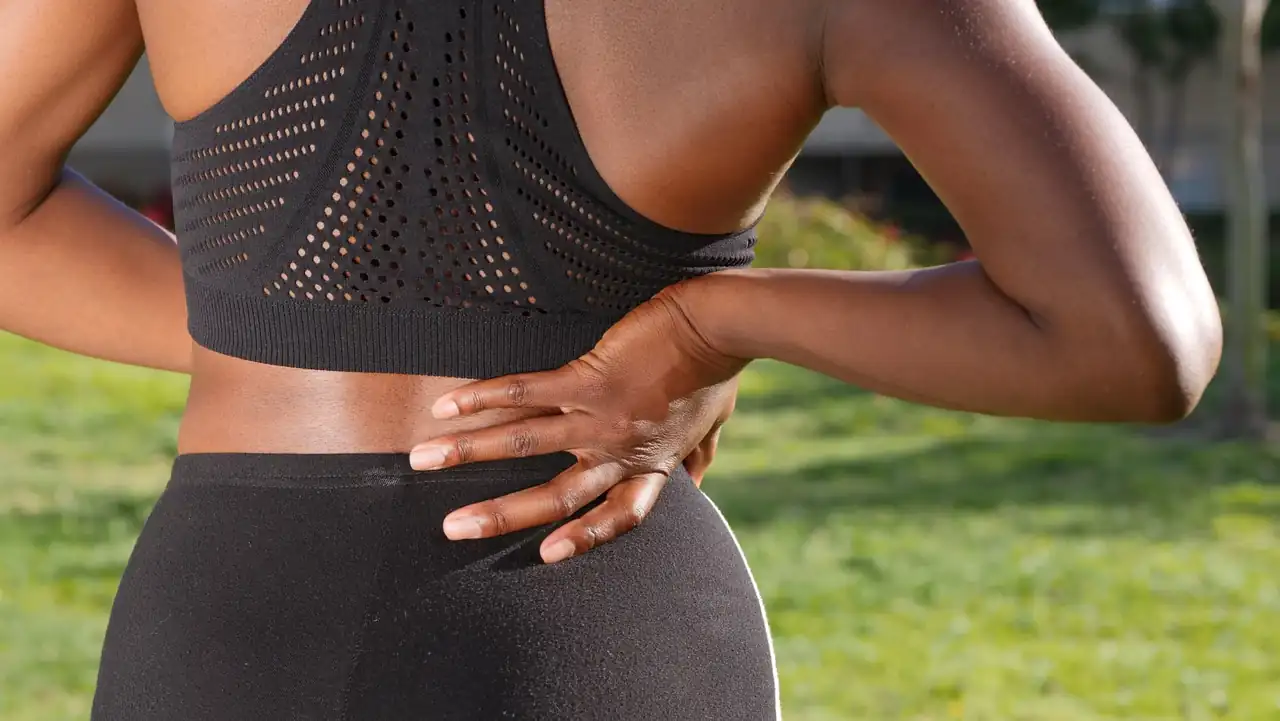
The right calf can hurt due to overuse, a muscle spasm, poor circulation, or a nerve problem, and the discomfort does not always start in the muscle. In runners and active people, the first suspicion is usually an excessive load, a sudden change of pace, or footwear that no longer provides the same cushioning as before. In people who spend many hours sitting or standing, stiffness and a feeling of heaviness point more toward slow circulation, dehydration, or sustained posture.
The key lies in the pain pattern. A localized twinge while running, a tight pull when pushing off the foot, or a nighttime cramp does not mean the same thing as constant pain with swelling, heat, or tingling. That difference helps indicate whether the source seems muscular, venous, or neurological, and it also guides the kind of response that usually makes sense at home and when medical evaluation is advisable.
What a discomfort in the right calf usually hides
The calf works like a spring. Every stride, every stair climb, and every push-off while running loads the soleus and the gastrocnemius, two muscles that tolerate a lot of effort but react poorly to abrupt changes. That is why overuse is one of the most common causes of one-sided pain, especially when there are intervals, hills, jumps, or a premature return to training after a few days off.
A muscle spasm appears when the muscle becomes overly tense and loses part of its ability to glide naturally. It feels like a hard lump, a dull ache, or a tug that worsens when the leg is stretched. In some cases, the calf reacts this way to accumulated work that did not leave time for recovery; in others, it is the prelude to a minor injury, such as a strain, that calls for stopping before the problem gets worse.
Not everything, however, can be explained by muscle tissue. Venous insufficiency, deep vein thrombosis, or arterial disease can cause pain in the same area, especially if there is also swelling, color changes, or a feeling of heat. In those cases, the discomfort usually does not behave like a simple sports overuse injury: it tends to be more constant, bothersome when walking, or heavy at the end of the day, with a quality different from the mechanical pain of a fatigued muscle.
When running turns discomfort into an alarm
In running, the right calf can protest because of small mistakes that add up like sand in a shoe. A short warm-up, an excessively long stride, weak ankle strength, or a rapid increase in weekly volume are enough for the tissue to start defending itself with stiffness. The runner first notices it as discomfort when starting out, then as a tug when speeding up, and sometimes as pain that forces a change in foot strike.
Terrain also plays a role. Hills load the calf more, as do speed sessions on the track or pace changes on hard asphalt. If the discomfort always repeats in the same spot, technique, rest between sessions, and the condition of the shoes deserve attention. Very worn-out sneakers can shift part of the workload to the calf, especially if they have lost stability or cushioning in the midfoot and heel.
One important nuance: muscular pain from exertion usually leaves some room for improvement with relative rest, ice, and reduced load. When the discomfort appears suddenly, with a feeling of a snap, a lump, or weakness when pushing off, the interpretation changes. At that point, we are no longer talking only about fatigue, but about a possible muscle tear or a more significant injury, which should not be minimized with the idea that it will go away on its own.
Slow circulation, fluid retention, and heavy legs
Circulation also plays a part in this story. When blood has difficulty returning from the leg to the heart, the calf can hurt, feel tight, or seem full, especially at the end of the day or after many hours standing. Venous insufficiency, varicose veins, and fluid retention usually create a less acute sensation than muscle injury, but one that is more persistent and heavy, as if the leg weighed more than it should.
In that context, the pain does not always come from movement itself, but from the accumulated time in the same position. Long trips, static work, and intense heat can worsen that venous congestion. Elevating the legs for a few minutes, walking frequently, and reducing excess salt helps ease the sense of heaviness, although it does not replace evaluation if the problem keeps recurring or is accompanied by marked swelling.
There is one sign that calls for extra caution: one calf being more swollen than the other, pain that appears suddenly, hot or reddened skin, and difficulty bearing weight. That combination may fit a serious vascular condition, including deep vein thrombosis. In that scenario, time matters more than home relief, because this is not just another sports discomfort, but a situation that needs prompt clinical assessment.
Tingling, sciatica, and pain that comes down from the back
The calf can also take the hit from a problem that is far from the muscle itself. Sciatica and peripheral neuropathy can refer pain to the right calf, with sharp twinges, burning, numbness, or an electric-shock sensation. Runners sometimes experience it as a strange discomfort, hard to pinpoint, that changes when sitting, standing up, or turning the torso.
When the origin is nerve-related, the pain usually does not depend only on the leg’s effort. It may worsen after sitting for a long time, bending the back, or coughing, and it often comes with tingling or weakness. That mix of symptoms helps distinguish it from classic muscle overuse, which is usually more concentrated on palpation and when contracting the calf, and less so on the spine or posture.
In people with diabetes, back problems, or autoimmune diseases, the pain map becomes broader. Not everything that hurts in the calf is a local injury, and that is one of the common traps. The body often alerts us through the most visible area, even though the real source may be in the nerves, circulation, or the way the leg is loaded while walking.
What to do in the first hours without making it worse
The first measures depend on the type of pain, but there is one common idea: do not force it. If the discomfort appeared after running, a climb, or a specific effort, relative rest for 24 to 48 hours is usually wiser than pushing through. You can walk gently if it does not increase the pain, but it is best to avoid sprints, hills, and aggressive stretching, which sometimes turn a simple spasm into a longer injury.
Cold is useful when there is inflammation or suspicion of an acute injury. Applied in short intervals, wrapped in a cloth, it helps reduce the pain response. Later, as the condition improves, gentle and progressive stretching can restore mobility. The key word here is gentleness: if the muscle resists, pulling on it abruptly only increases resistance and leaves a worse feeling the next day.
It is also important to watch the progression. If the pain improves the next day, lessens when walking, and allows weight-bearing without odd changes, it is usually more consistent with overuse or a spasm. If, on the other hand, the leg swells, changes color, fever appears, shortness of breath occurs, or the pain increases without a clear reason, caution is no longer a generic recommendation and becomes an immediate necessity.
How to distinguish a spasm from something more serious
A muscle spasm usually gives a recognizable sensation: hard muscle, tightness, pain when stretching, and a kind of knot that responds to touch. The stiffness gradually improves with rest, gentle heat, or light massage, and it does not usually prevent walking completely unless it is severe. In sports, it often appears after a demanding session or an accumulation of poorly distributed mileage.
A muscle tear changes the story. Sometimes it feels like a snap or a sudden hit in the middle of the effort, with very localized pain, loss of strength, and, in some cases, a small bruise in the following days. The person notices that pushing off the ground becomes harder, as if the leg had lost part of its spring mechanism. In that case, it is not wise to keep training or to try deep stretching to test whether it holds up.
A vascular or nerve-related condition, on the other hand, has other clues. Swelling, tingling, heaviness, heat, or pain at rest point more in that direction. That does not mean it is serious in every case, but it does mean that the label of simple spasm is too limited. The body does not always warn clearly, and that is why the combination of symptoms matters more than a single isolated complaint.
Habits that protect the calf in daily life
Prevention is not about a spectacular formula, but about a sum of small actions. Walking frequently, changing posture, and avoiding long periods of immobility improves venous return and reduces stiffness. The calf tolerates distributed work better than concentrated effort, just as a rope lasts longer if it is not always pulled from the same side.
Hydration also matters, especially in people who sweat a lot or train in hot conditions. Lack of water favors cramps and worsens the sensation of muscle tension, while insufficient intake of minerals such as potassium and magnesium can make the muscle more irritable. Fruit, vegetables, legumes, and a varied diet help more than any quick fix sold as a miracle.
Nighttime rest completes the picture. During sleep, the muscle repairs tissue and regulates part of its internal balance. A week of poor sleep, combined with intense training or physical work, leaves the calf with no margin. That is why pain often appears not just because of one isolated load, but because of the sum of small debts the body eventually collects with interest.
Stretches that actually make sense and mistakes to avoid
Stretching can help, but not any stretch and not at any time. After mild overuse, gentle ankle flexion against a wall, controlled heel raises, or pulling the toes upward toward the shin are usually helpful. The goal is a moderate stretch, never a sharp pain. If it hurts acutely, the tissue is not ready for that movement yet.
The most common mistake is confusing tension with effectiveness. Holding a forced position for too long, bouncing, or insisting on a painful area can irritate the muscle further and prolong recovery. In runners, it is also worth remembering that the calf does not work alone: it works with the soleus, the Achilles tendon, the ankle, and the hip. If one of those links fails, the calf ends up cushioning the whole system.
Gentle mobility exercises are usually more effective than aggressive stretching when the pain is recent. After a hard session, a few minutes of light walking, heel raises without excessive load, and ankle movements can restore a sense of looseness without punishing the tissue. Smart recovery is more like loosening a wheel than pulling out a nail.
When the pain requires prompt medical attention
There are situations in which waiting is not a good idea. A swollen, hot, and painful calf, especially if the pain is new and one-sided, deserves medical review because of the risk of thrombosis. Also concerning is pain that appears with shortness of breath, chest pain, or a feeling of dizziness, because it may be the tip of a vascular problem that is no longer affecting only the leg.
In the sports setting, medical advice is prudent if the pain prevents normal walking, if weight-bearing feels unstable, if there is a large bruise, or if the weakness is clear. Persistent pain that does not improve over several days should also not be normalized, especially when it changes running form or forces compensation with the other leg, because that compensation opens the door to chain injuries.
The good news is that most mild cases resolve with time, unloading, and a gradual return to effort. The bad news is that the calf, because of its role in walking and running, often keeps bothering you if it is stressed again too soon. Listening to how the pain evolves matters more than measuring only its intensity: a small but repeated discomfort can end up being more costly than sharp pain that is respected in time.
What a sore calf means for a runner or an active person
The calf does not complain for no reason. Sometimes it is because of too many kilometers; other times, because of hours sitting, a bad night, or a problem that starts in the back or in the veins. Pain in the right calf is a symptom, not a diagnosis, and understanding its context completely changes how the problem is read. A loaded muscle, a swollen leg, or pain with tingling do not say the same thing.
In daily life, the best ally remains observation. How it started, when it appears, what makes it worse, and what relieves it. That small map gives more information than a quick impression. In sports, it also requires respecting load progression and recovery, two unglamorous but decisive factors so the leg can respond normally again and not like a rope about to snap.
When the discomfort persists, recurs, or comes with accompanying signs, the body is asking for a more precise reading. Ignoring the calf usually ends up costing runners, walkers, and people who spend the day on their feet. Paying attention in time, by contrast, usually brings back the stride, stability, and that basic feeling of trusting one’s own leg again.
You may also like: Pain in the left calf: causes, signs, and relief.
Medical reference: Leg pain, MedlinePlus (U.S. National Library of Medicine).



How to prevent thigh chafing: causes and real solutions

Women’s running windbreakers: seven jackets and how to choose

Do more workouts get rid of soreness? A guide for runners

Jaén Half Marathon 2026: Record 3,800 Runners Registered

Men’s short running tights: how to choose the right pair

World Triathlon confirms data breach involving medical data

Izan Edo targets podium at Miyazaki World Cup

María Pérez ranks ninth in World Athletics’ 2026 top ten

Dos Santos, Duplantis and Sawe: World Athlete of the Year finalists

San Silvestre Vallecana 2026: 42,000 places, prices and start times

 Races3 months ago
Valencia Half Marathon 2027: date and registration

 Races3 months ago
Valencia Marathon 2026: entry, ballot and course

 Reviews and Comparisons4 months ago
Asics Gel-Roadmiles 3 for men: review and current price

 Reviews and Comparisons4 months ago
Asics Gel Sonoma 8 Gore-Tex: complete analysis for trail and rain

 Sneakers3 months ago
Saucony Endorphin Pro 4: full review and verdict

 News5 months ago
Strava API 2026: what changes for clubs, challenges and runner apps?

 Reviews and Comparisons5 months ago
Nike Alphafly 3: opinions, sensations, and real key points

 Reviews and Comparisons4 months ago
Under Armour running shoes review 2025-2026: models and key features

 Sports Equipment4 months ago
Shoe sizes in cm: a clear guide to getting the right fit for your footwear

 Sneakers3 months ago
Skechers GO RUN Consistent 2.0 analysis: comfort and limits

 News5 months ago
Valencia Marathon 2026 route: key tips to train and run better

 Sneakers4 months ago
Adidas Adizero Boston 13 for men: review and verdict