Health and Nutrition
Knee injuries in running: Essential tips for runners

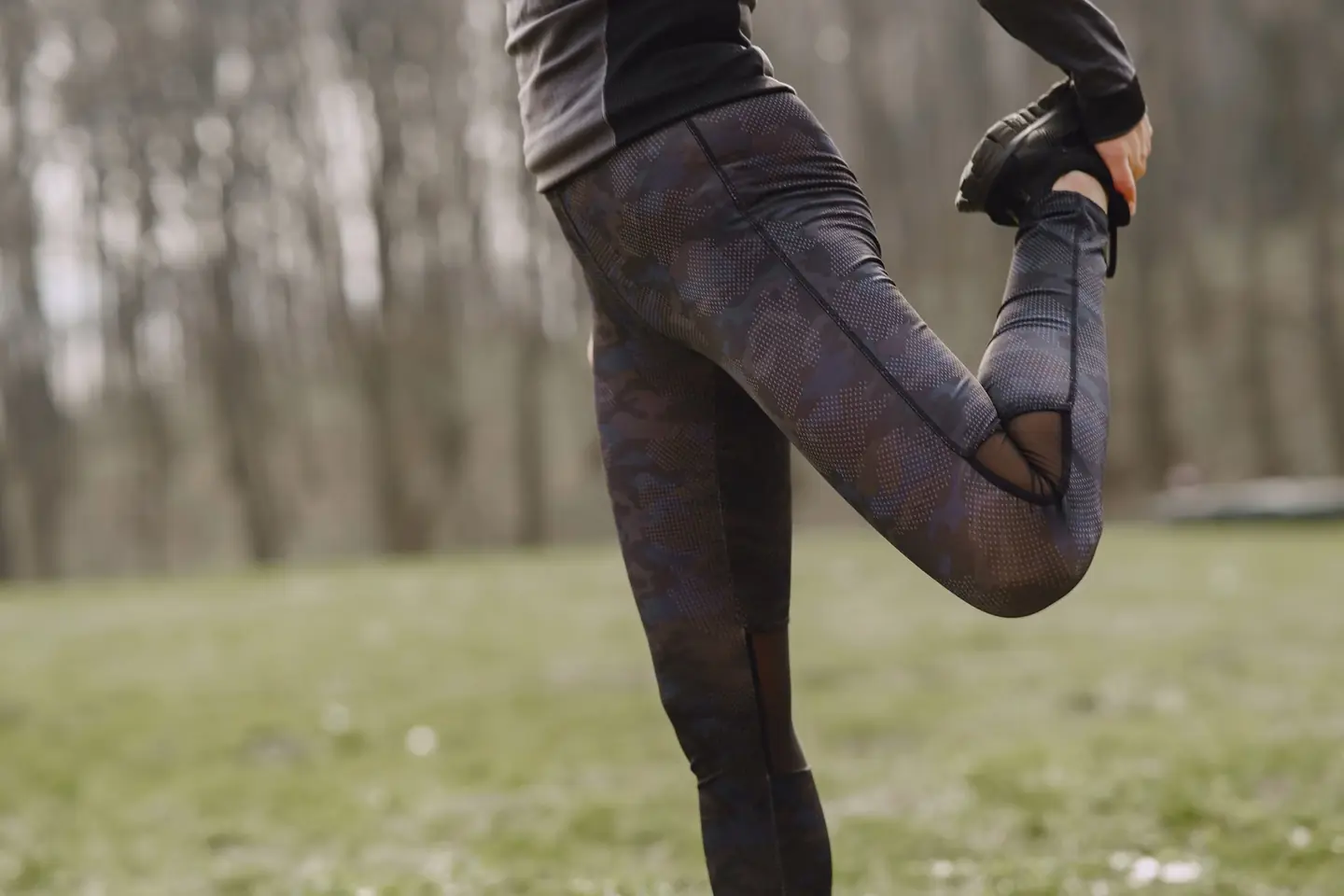
Running is a popular activity that can be very beneficial for our health. However, it is a high-impact activity that can cause injuries if it is not practiced with caution. One of the most common injuries among runners is knee injury, which can be very painful and debilitating. In this article, we will talk about the causes of knee injuries in running, how to prevent them, and how to treat them.
Knee Injuries in Running
The knee is one of the most important joints in the body and is essential for carrying out the movement of running. That is why any injury to the knee can be very painful and debilitating. Knee injuries in running are very common and can be caused by several factors, such as:
- Overtraining: Running too much or increasing training volume too quickly can lead to a knee injury.
- Unsuitable terrain: Running on hard, unpadded surfaces can increase pressure on the knees and cause injuries.
- Poor technique: Running with improper technique, such as an overly long stride or poor posture, can increase the risk of knee injuries.
- Unsuitable footwear: Using inappropriate shoes for running, such as shoes that do not provide enough cushioning, can increase the risk of knee injuries.
- Previous injuries: Previous knee injuries can increase the risk of new injuries.
It is important to keep in mind that every runner is unique and that knee injuries can be caused by different factors in each individual. Therefore, it is important to be aware of your body and adjust your training accordingly.
How to prevent knee injuries
To prevent knee injuries in running, it is important to follow some recommendations, such as:
- Proper warm-up: Before going out for a run, it is important to do a proper warm-up to prepare the muscles and joints for physical activity.
- Increase training volume gradually: It is important not to increase training volume too quickly so the body has time to adapt.
- Maintain good running technique: Running with proper technique can reduce the risk of knee injuries.
- Wear appropriate footwear: It is important to wear shoes that provide enough cushioning to reduce pressure on the knees.
- Strengthen the leg muscles: Strengthening the leg muscles can help protect the knees from injury.
- Gradually increase training intensity: It is important to gradually increase training intensity to allow the muscles and joints to adapt and strengthen.
What to do if you suffer a knee injury
If you suffer a knee injury while running, it is important to seek medical treatment as soon as possible to prevent the injury from getting worse. Some common treatments for knee injuries include:
- Rest and ice: Resting the knee and applying ice to the affected area can help reduce inflammation and pain.
- Physical therapy: Physical therapy can help strengthen the leg muscles and improve running technique.
- Medications: In cases of moderate to severe injuries, painkillers or anti-inflammatory drugs may be prescribed to control pain and reduce inflammation.
- Cortisone injections: In some cases, a cortisone injection in the affected knee may be recommended to reduce inflammation and pain.
- Surgery: In severe cases of knee injuries, surgery may be necessary to repair damage to the ligaments, tendons, or cartilage.
Tips for taking care of your knees while running
The knees are one of the most important joints in our body, and their proper functioning is essential for carrying out everyday activities such as walking, climbing stairs and, of course, running. Below are some tips for taking care of your knees while running.
The importance of choosing the right footwear for running
One of the keys to taking care of your knees while running is choosing the right footwear. Running shoes are a fundamental element for preventing injuries to the knees and other joints. It is important to look for specific running shoes that have good cushioning to absorb impact, that are breathable and, above all, that are comfortable.
It is advisable not to buy market or bazaar shoes for running, as they can be the cause of serious injuries. Specialized brands such as Adidas, Nike, Asics, among others, offer models from previous seasons at a good price, which are just as good as those from the current season. When choosing your running shoes, it is important to consider factors such as your type of stride, the shape of the sole, breathability, cushioning, and fit.
Nutritional supplements to improve joint health
Another important factor to consider when taking care of your knees while running is diet. A proper diet can help maintain joint health. Some nutrients considered beneficial for the joints are hydrolyzed collagen, hyaluronic acid, and magnesium.
Hydrolyzed collagen is a nutrient that facilitates the regeneration of joint cartilage, combating its degradation. It is suitable for athletes and people with joint problems such as osteoarthritis, as it reduces pain and stiffness.
Hyaluronic acid, for its part, promotes the formation of synovial fluid in the joints, which reduces friction between the different elements that make up the joint and, with it, pain.
Magnesium is also important for reducing joint pain and takes part in various vital functions. It is recommended to consult a nutrition specialist to determine the appropriate dose of these nutrients.
Listen to your body and do a proper warm-up
Lastly, it is essential to listen to your body and not push it too hard. Look for suitable terrain to run on, warm up before running, and maintain proper posture while running. If any pain or discomfort appears, it is important to see a doctor to avoid major complications.
Doing a proper warm-up before running can help reduce the risk of injuries to the knees and other joints. Some exercises that can be done are dynamic stretches, joint mobility, muscle activation exercises, among others.
Medical reference: Knee pain and other running injuries, NHS.



How to prevent thigh chafing: causes and real solutions

Women’s running windbreakers: seven jackets and how to choose

Do more workouts get rid of soreness? A guide for runners

Jaén Half Marathon 2026: Record 3,800 Runners Registered

Men’s short running tights: how to choose the right pair

World Triathlon confirms data breach involving medical data

Izan Edo targets podium at Miyazaki World Cup

María Pérez ranks ninth in World Athletics’ 2026 top ten

Dos Santos, Duplantis and Sawe: World Athlete of the Year finalists

San Silvestre Vallecana 2026: 42,000 places, prices and start times

 Races3 months ago
Valencia Half Marathon 2027: date and registration

 Races3 months ago
Valencia Marathon 2026: entry, ballot and course

 Reviews and Comparisons4 months ago
Asics Gel-Roadmiles 3 for men: review and current price

 Reviews and Comparisons4 months ago
Asics Gel Sonoma 8 Gore-Tex: complete analysis for trail and rain

 Sneakers3 months ago
Saucony Endorphin Pro 4: full review and verdict

 News5 months ago
Strava API 2026: what changes for clubs, challenges and runner apps?

 Reviews and Comparisons5 months ago
Nike Alphafly 3: opinions, sensations, and real key points

 Reviews and Comparisons4 months ago
Under Armour running shoes review 2025-2026: models and key features

 Sports Equipment4 months ago
Shoe sizes in cm: a clear guide to getting the right fit for your footwear

 Sneakers3 months ago
Skechers GO RUN Consistent 2.0 analysis: comfort and limits

 News5 months ago
Valencia Marathon 2026 route: key tips to train and run better

 Sneakers4 months ago
Adidas Adizero Boston 13 for men: review and verdict