Health and Nutrition
What to take for muscle soreness after running
Hydration, food, cold, heat, and warning signs to reduce muscle pain without falling for useless remedies.

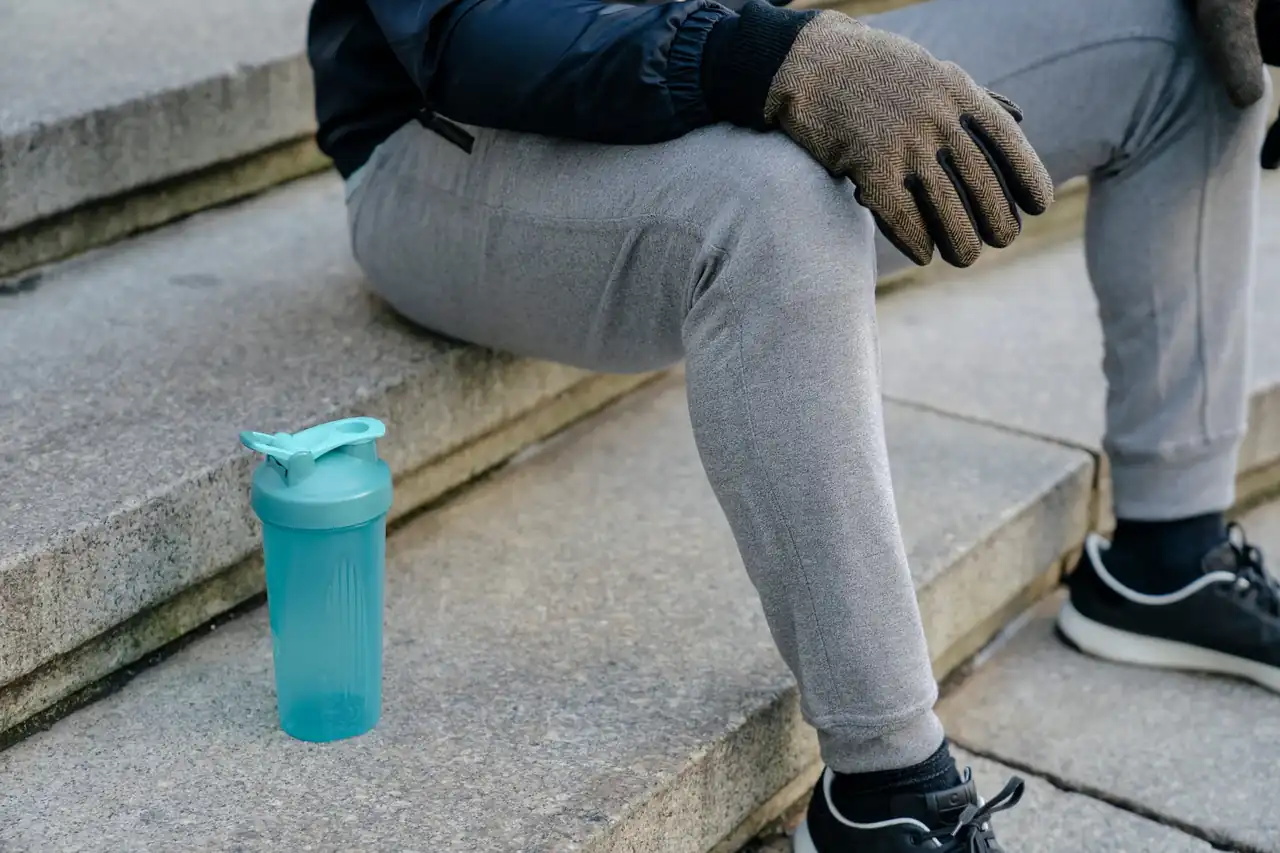
Delayed-onset muscle soreness—the kind that arrives hours after a hard run or a new leg workout—usually calls for judgment and patience, not heroics. In most cases, what helps most is not a quick pill, but a combination of hydration, proper nutrition, gentle movement, and rest. If your legs feel stiff after running, the priority is to ease the discomfort without mistaking soreness for an injury.
In the running world, this condition appears mainly after changes of pace, hills, descents, intervals, or a sudden increase in volume. The muscle is affected by normal effort-related microdamage and responds with mild inflammation, tenderness to the touch, and a sensation that ranges from heaviness to a dull ache. There is no magic drink or food that wipes it out in minutes, but there are sensible options that support recovery and reduce discomfort within a day or two.
What is happening inside the muscle
Soreness does not come from lactic acid, a widely held idea that is now outdated. What explains the pain is the microscopic damage to muscle fibers, especially when exercise forces the muscle to brake or bear load while lengthening, as happens when running downhill or lowering into a squat. That strain leaves a kind of subtle fatigue, as if the tissue had been through a long day of heavy construction work.
This damage is followed by a normal inflammatory response. The body sends blood, mediators, and repair resources, and that internal activity turns into stiffness and pain 12 to 24 hours after exertion, usually peaking on the second day. The discomfort usually lasts between 24 and 72 hours, although after very hard sessions it can last a bit longer. The good news is that, unless there is an associated injury, it resolves on its own.
It is worth distinguishing it from a tear, a persistent muscle spasm, or tendinopathy. If the pain appears suddenly, makes it hard to bear weight, comes with significant swelling, or is concentrated in a very specific point, then we are no longer talking about the usual post-exercise picture. The course of the pain matters more than its intensity at first: soreness gradually eases; an injury does not.
What to take to reduce the discomfort
The first useful response is usually water. Not because it removes the microdamage, but because good hydration supports circulation, helps transport nutrients, and keeps recovery from becoming more sluggish than necessary. After running, especially in the heat, the body loses fluids and minerals; replacing them improves the environment in which the muscle repairs itself.
When the workout has been long, intense, or very sweaty, electrolyte drinks can make sense. They do not make soreness disappear, but they do help replenish sodium, potassium, and other minerals involved in muscle contraction. During long efforts, an isotonic drink is more useful than a soda or a very sugary juice, which hydrates less effectively in that setting. The key is to replace, not overload.
At the table, the most effective option is often simple: protein and carbohydrates. Protein provides amino acids to rebuild fibers, and carbohydrates help replenish glycogen, which is the fuel used during exertion. A yogurt with fruit, a plate of rice with egg, toast with fresh cheese, or a complete meal with legumes and grains makes more sense than chasing an exotic remedy. A fatigued muscle appreciates raw materials, not promises.
Among foods that often fit well are those rich in magnesium, such as nuts, legumes, pure cocoa, or banana, and those that provide antioxidants, such as berries, citrus fruits, leafy green vegetables, or kiwi. They are not painkillers, but they are part of a diet that supports recovery. Eating better does not cure it instantly, but it does reduce the background noise of the inflammatory process and makes post-workout recovery easier to bear.
Some people also turn to ginger or turmeric in tea, food, or supplement form. Their appeal lies in their anti-inflammatory profile, although the real effect depends on dose, consistency, and digestive tolerance. They should not be sold as a quick fix; they work better as general support than as an immediate rescue. For runners with sensitive stomachs, it is also wise to proceed cautiously because some concentrated forms can feel heavy.
Magnesium supplements often come up in these conversations, and for good reason: they can be useful when intake is low or demand is high. Even so, they are not a universal shortcut. If the diet is already adequate, the benefit may be modest. And in some forms, too much can cause diarrhea or abdominal discomfort, exactly the opposite of what is wanted after a long run.
What really helps when the muscle complains
Rather than staying still, the body usually benefits from active recovery. Walking, very easy cycling, or jogging at a stroll-like pace promotes circulation and reduces the feeling of stiffness. The image is simple: a hot engine cools better by moving its parts carefully than by letting them rust in place. In running, that short walk the day after a hard session often relieves more than complete inactivity.
Cold can help if the area feels especially loaded or inflamed. Applied briefly, it helps reduce the perception of pain and calm the most irritable area. Heat, on the other hand, usually works better when stiffness is the main issue: it relaxes the muscles and provides comfort. There is no need to overstate the contrast between the two; in practice, every body responds differently, and the reasonable goal is relief, not a rigid formula.
Gentle massages can also improve the perception of muscle fatigue. We are not talking about pressing as if trying to break up stone-hard knots, but about moderate contact that moves fluid and lowers tension. In athletes, massage after a hard effort can be useful as part of the recovery routine, although its effect depends greatly on technique and timing. If it hurts too much to touch, it is best not to insist.
Sleep deserves a special mention. During the night, a large part of the repair process is consolidated, and sleeping too little turns recovery into a construction site without scaffolding. Resting well is one of the true allies against soreness, even if it rarely appears in flashy lists. For a runner, a bad night can matter more than any well-marketed supplement.
What is not worth it and what can make things worse
What usually does not solve anything is the search for a powerful remedy to shut down the pain instantly. Overusing anti-inflammatory drugs without judgment is not a good idea, especially not as an automatic response to normal training discomfort. Taking them routinely does not speed up muscle adaptation and can bring digestive or kidney side effects, especially if there is dehydration or they are combined with intense exercise.
Ibuprofen and other nonsteroidal anti-inflammatory drugs should not be used lightly for this kind of pain. In some cases they can mask an injury or irritate the stomach, which is especially uncomfortable if the runner already has a sensitive digestive system. If the pain is strong and seems out of the ordinary, the sensible approach is not to self-medicate blindly, but to review what really happened during the workout.
Paracetamol can relieve pain, but it also does not address the cause of soreness. If used at all, its role should be occasional and cautious, never as permission to ignore a sign of overload. Masking the symptom is not the same as recovering properly. In endurance sports, overconfidence often costs more than it gives.
It is also wise to be skeptical of trendy blends, miracle tonics, or products that promise express regeneration. The muscle does not understand flashy labels; it understands load, repair, and time. And in that equation, what matters most is usually the least spectacular: drinking, eating, moving gently, and sleeping.
What to eat after a long run or a hard session
After a long run or a quality workout, recovery speeds up if real food arrives within a reasonable time. There is no need to obsess over the exact minute, but it is wise not to go hours without refueling. Protein and carbohydrates together make a very logical combination for restoring energy and helping muscle tissue rebuild.
In practice, that can mean a bowl of yogurt with oats and fruit, an omelet sandwich, a plate of pasta with tuna or legumes, or a complete dinner with vegetables, rice, and a protein source. The key is not sophistication, but consistency. What works best is usually what is most ordinary, because the body responds better to a solid diet than to isolated fixes.
If the effort was very sweaty, sodium also matters. Many runners underestimate that loss because they focus only on water. Without salt and minerals, rehydration falls short. That is why, on long outings or hot days, a meal with some salt and potassium-rich foods is often more useful than a sugary drink taken without judgment. Recovery is a puzzle, not a single piece.
Fruit can provide freshness, water, quick carbohydrates, and antioxidant compounds. Banana, for example, is popular for its digestive ease; kiwi and orange add vitamin C; cherries and berries appear in many recovery routines because of their antioxidant profile. They do not remove pain by magic, but they support a tired muscle better than an ultra-processed snack.
When the body asks for a stop, not just rest
Most soreness needs little more than time, but there are signs that mean you need to look beyond that. If the pain lasts more than a week, gets worse over time, or comes with fever, noticeable swelling, bruising, clear weakness, or an inability to move the area, the usual explanation is no longer enough. Pain that does not follow the expected improvement curve deserves evaluation.
It is also important to pay attention to very localized pain, a popping sensation during exercise, or a sudden loss of strength. Those details change the likely diagnosis and may point to a strong spasm, a serious overload, or a tear. In sports like running, where people tend to normalize almost everything that happens after a run, that distinction matters more than it may seem.
A less obvious sign is a change in movement pattern. If you limp while walking, if climbing stairs becomes impossible, or if the pain forces you to change posture, we are no longer talking only about the expected discomfort after training. In those cases, pushing on out of pride usually makes things worse. Smart recovery also knows when to stop.
In people with pre-existing conditions, anticoagulant treatment, very intense pain, or general symptoms, caution should be even greater. The body gives warnings in different ways, and not all of them fit the same mold. A timely check-up can prevent an overload from turning into a long break.
How runners can ease soreness and adjust training
For runners, muscle soreness can follow intervals, hills, downhill running or a sudden increase in mileage, especially when the effort is unfamiliar. It often starts hours later, may feel worst on the second day and usually eases over the following days. Water supports hydration, but it does not undo the tiny muscle damage associated with soreness. After a long, intense or particularly sweaty run, replace fluids and have a meal or snack containing both carbohydrates and protein—for example, rice with egg or yoghurt with fruit.
Before choosing your next session, check how comfortably you can move. If walking and using the stairs feel manageable, a walk or very easy run may be an option, provided it does not make the pain worse. Hold off on intervals, hills and demanding downhill work, and do not try to make up missed training. Rest is part of training too: build back towards your usual workload gradually as the soreness settles.
Pay attention to how symptoms change, not just how intense they feel at one moment. Ordinary post-run soreness tends to improve bit by bit. Sudden, very localised pain, substantial swelling or difficulty putting weight on the leg are signs not to ignore. If the pain does not improve, persists or keeps you from running normally, speak to a healthcare professional. No drink or food will make soreness disappear in minutes; hydration, adequate food, gentle movement and sensible training adjustments are a more reliable response than pushing through or looking for a quick fix.
What works best in the runner’s everyday practice
In the end, the most effective approach is usually the least spectacular: water, enough food, gentle movement, rest, and common sense. That combination may not have the shine of a headline, but it is solid. Soreness is part of the language of training, a sign that the body has received a new or more intense load than usual and is adjusting to it.
For a runner, understanding that language avoids two equally clumsy extremes: ignoring pain as if it did not exist, or treating it like an emergency. The useful response is more like an adjustment of rhythm than a dramatic strike. What you take for soreness is not one thing, but a sum of small decisions that support repair without overburdening the body.
When the session has been hard, the muscle asks for less spectacle and more craftsmanship. A simple meal, a glass of water, a relaxed walk, and a night of restorative sleep usually matter more than any viral trick. In the end, recovery is this: letting the body do its work without getting in the way too much.
And in that normality lies a quiet advantage. Anyone who learns to tell the difference between expected discomfort and a real problem trains more intelligently, strings efforts together better, and reduces risk. Soreness passes; the habit of recovering well stays.
Medical reference: Relief for sore muscles after a workout, Cleveland Clinic.



How to prevent thigh chafing: causes and real solutions

Women’s running windbreakers: seven jackets and how to choose

Do more workouts get rid of soreness? A guide for runners

Jaén Half Marathon 2026: Record 3,800 Runners Registered

Men’s short running tights: how to choose the right pair

World Triathlon confirms data breach involving medical data

Izan Edo targets podium at Miyazaki World Cup

María Pérez ranks ninth in World Athletics’ 2026 top ten

Dos Santos, Duplantis and Sawe: World Athlete of the Year finalists

San Silvestre Vallecana 2026: 42,000 places, prices and start times

 Races4 months ago
Valencia Half Marathon 2027: date and registration

 Races4 months ago
Valencia Marathon 2026: entry, ballot and course

 Reviews and Comparisons4 months ago
Asics Gel-Roadmiles 3 for men: review and current price

 Reviews and Comparisons4 months ago
Asics Gel Sonoma 8 Gore-Tex: complete analysis for trail and rain

 Sneakers3 months ago
Saucony Endorphin Pro 4: full review and verdict

 News5 months ago
Strava API 2026: what changes for clubs, challenges and runner apps?

 Reviews and Comparisons5 months ago
Nike Alphafly 3: opinions, sensations, and real key points

 Reviews and Comparisons4 months ago
Under Armour running shoes review 2025-2026: models and key features

 Sports Equipment4 months ago
Shoe sizes in cm: a clear guide to getting the right fit for your footwear

 Sneakers3 months ago
Skechers GO RUN Consistent 2.0 analysis: comfort and limits

 News5 months ago
Valencia Marathon 2026 route: key tips to train and run better

 Sneakers4 months ago
Adidas Adizero Boston 13 for men: review and verdict