Sports Equipment
Lowa Zephyr GTX: key features of the model with Gore-Tex
Analysis of the model, its materials, fit, traction, and most common uses in mountains, work, and tactical use.

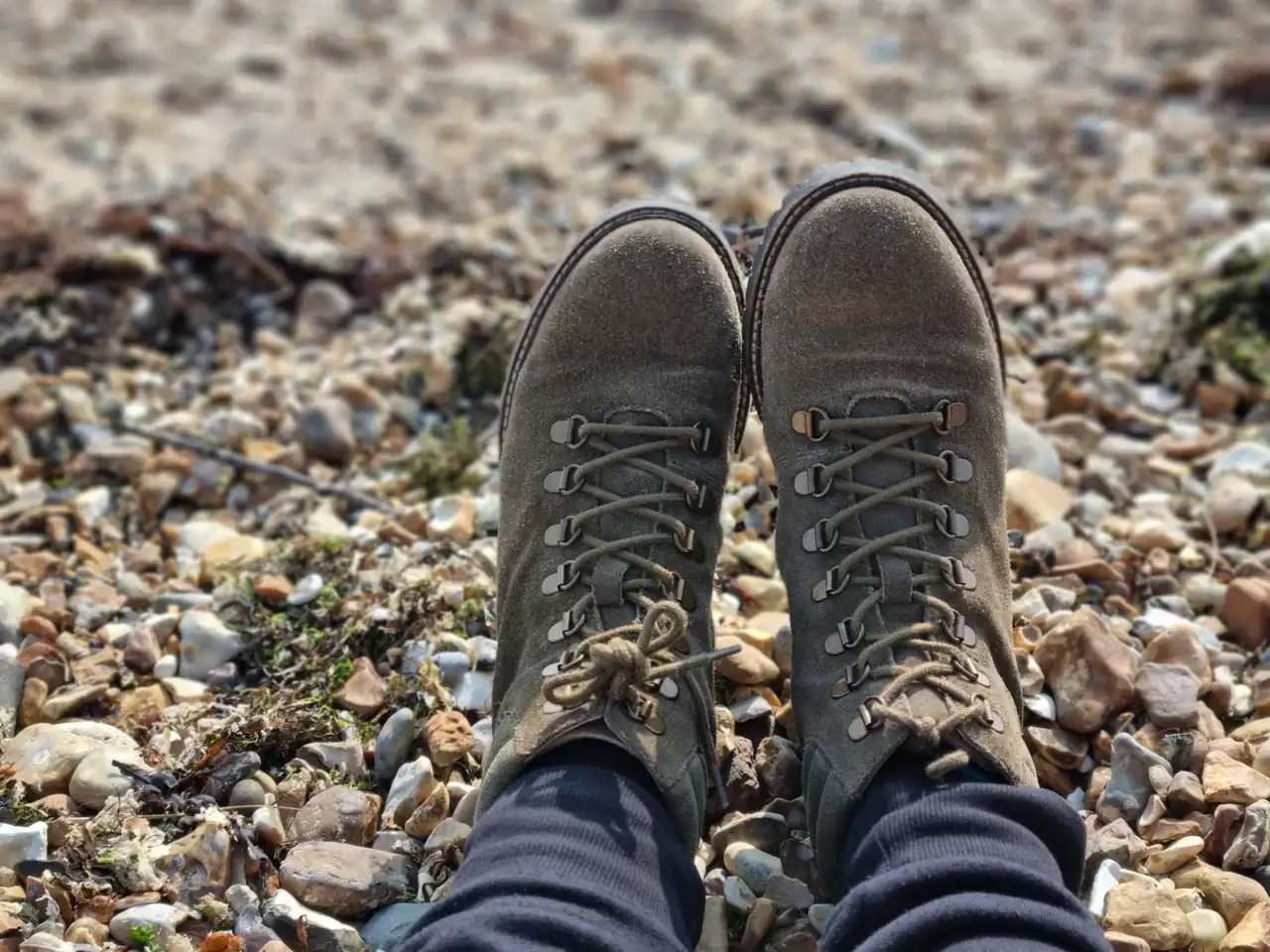
Lowa Zephyr GTX is one of the names that comes up most often when talking about a lightweight boot, firm fit, and protection against rain. The combination with Gore-Tex gives it the seal that many people look for in heavy-duty footwear: keeping the foot dry without turning the boot into a heavy, stifling block.
Its success does not come only from the waterproof membrane. It also owes much to the mix of good-grip outsole, mid or high shaft depending on the version, and a construction designed to move with ease over uneven ground, broken pavement, or dirt tracks. That balance explains why it appears so often in hiking as well as in professional or tactical settings.
What makes the Zephyr model different within Lowa’s catalog
The Zephyr family has earned its own place because it does not pursue the classic stiffness of a heavy boot. Instead, it opts for a more agile feel, with behavior closer to that of a sturdy sneaker but with clearly superior protection. That idea is especially useful for long days, when every gram starts to be noticeable at the ankle and underfoot.
The key lies in the mix of stability and mobility. The boot holds the foot, but does not squeeze like a cast. It protects, but does not feel like you are dragging around a piece of armor. In real use, that difference translates into less fatigue and a more natural stride, something appreciated both by hikers and by users who spend many hours on their feet or moving continuously.
The design also helps explain its popularity. The last usually offers a fairly precise fit, with good heel lock and reasonable room in the forefoot. That reduces internal foot movement, one of the most annoying problems on long walks, and improves the feeling of control on descents, turns, or sudden changes of pace.
What the Gore-Tex membrane contributes in real use
Gore-Tex does not mean absolute invulnerability, but it does represent a clear leap in protection against water. The membrane acts as a barrier that prevents outside moisture from entering while, at the same time, allowing some of the vapor generated by the foot to escape. In practice, that helps maintain a drier and more stable feeling when the weather turns rough.
In a boot like this, the membrane makes sense in very specific scenarios: repeated puddles, wet grass at dawn, persistent fine rain, trail mud, or light snow on short outings. It will not work miracles if water rises above the shaft or if the user walks for a long time in constant external moisture, but it does make a clear difference compared with footwear without a membrane.
There is an important nuance worth keeping in mind: waterproof does not mean cool in every situation. Although the system breathes, heat and internal moisture also depend on effort, ambient temperature, sock type, and activity duration. That is why this type of boot usually performs better in variable conditions than on very hot, dry days, where a more ventilated option may feel more comfortable.
Materials, construction, and walking feel
The Zephyr usually combines synthetic materials and durable fabric with strategic reinforcements. That mix aims to do two things at once: reduce weight and increase durability in the areas most affected by rubbing, flexing, and impacts. In everyday use, that shows in the toe box, the outer side, and the overall structure, which holds up better over time than a simpler lightweight shoe.
The feeling when putting it on is one of contained support. It does not clamp the ankle like a classic mountaineering boot, but it does give the impression of wrapping the foot securely. That perception matters on uneven ground, where a stable base helps the body work less to correct each step. The result is less awkwardness on uncertain footing and more confidence when stepping onto loose rock, roots, or soft dirt.
The outsole is also part of the story. Lowa tends to work with compounds focused on grip and control, with a tread pattern designed for traction without becoming excessively aggressive on hard surfaces. On a day that mixes pavement, track, and trail, that versatility matters more than an extreme lug pattern designed only for deep mud.
Versions, heights, and uses worth distinguishing
One of the most common mistakes is to think of Zephyr as a single product. In reality, it comes in several heights and configurations. The mid-height version is usually the most balanced for walks, mixed use, and long days. The high version increases ankle protection and becomes more relevant in more demanding contexts. The low version, meanwhile, is closer to a quick, versatile shoe for less challenging surfaces.
The mid-height version is usually the most versatile because it balances freedom of movement and coverage. By contrast, the high version makes more sense when the user prioritizes extra stability, ankle load, or exposure to rougher terrain. It is not that one is better than the other; rather, each solves a different problem with the same basic philosophy.
Tactical and work variants also exist, designed for professional use or environments where exterior durability and foot protection matter more than pure lightness. In those, details such as the type of reinforcement, the lacing system, the shaft construction, or the level of abrasion protection change. That nuance explains why the same family can appeal to very different profiles without losing its identity.
Fit, sizing, and why foot lockdown matters so much
A boot with a great spec sheet can fail if the fit does not cooperate. In this model, heel lock and midfoot support are usually part of the main appeal. When the foot sits stably inside the boot, there is less internal rubbing, less risk of blisters, and more precision when descending slopes or stepping diagonally.
Sizing is a sensitive point, especially because some retailers use UK or European equivalents and that can create confusion. Beyond the number, what matters most is that the foot is neither too compressed nor too loose. A useful thumb’s width of room in front of the toes and proper lockdown over the instep are usually better indicators than blind trust in a habitual size.
It is also worth thinking about the intended use. If the boot will be worn with thicker technical socks, in winter, or on long treks, the fit may require a different margin than for a short outing. Conversely, for quicker use or during mild seasons, an overly generous fit can reduce precision and create the feeling of floating inside the shoe.
Everyday comfort, durability, and real limitations
Comfort is one of the reasons this model remains so present. Not just because of the insole or padding, but because of the way it distributes pressure and accompanies the gait. A good shoe does more than simply not hurt; it also reduces the effort the body makes to adapt to it. That is where the Zephyr often stands out over stiffer or overly heavy boots.
Durability, however, depends on many factors. Walking on dry dirt is not the same as dragging the boot over abrasive rock, asphalt, mud, and intense heat for weeks. Basic care also matters: cleaning, reasonable drying, ventilated storage, and maintaining the outer treatment help extend service life and preserve water resistance.
Its limits appear especially when it is asked to perform like a hard mountain boot in extreme conditions. For technical mountaineering, serious snow, or very aggressive terrain, there are more robust and specialized designs. The Zephyr works better as a versatile tool, not as a hammer for everything. That framing is important to avoid expecting a personality it does not have.
The relationship between waterproofing, breathability, and thermal comfort
In real use, waterproofing and breathability are not enemies, but they do not get along equally well in every context. Gore-Tex helps manage that tension, although the final comfort depends on the whole setup. An unsuitable sock, a poorly chosen size, or very intense activity can leave the foot damp on the inside even if the boot is still blocking outside water.
Managing the internal climate is almost as important as the rain. On cold, damp mornings, the system usually provides a very convincing sense of shelter. In summer, with sustained heat, the same setup can feel more burdensome. That difference is not a flaw unique to this model; it is a reality of almost any waterproof membrane boot.
That is why context matters. Those who go out a lot in autumn, winter, or during the shoulder season usually perceive clear value in this construction. Those seeking maximum ventilation for dry days will probably need another footwear category. The choice should not be made based on fame or aesthetics, but on temperature, terrain, and duration of use.
Which type of user this model suits best
The most logical profile is someone who needs sturdy footwear with good traction and the ability to handle long days. Hiking, walks over mixed terrain, routes with mud or moisture, professional outdoor work, and certain tactical uses fit naturally with this proposal. The boot offers reliable performance without falling into the heaviness of previous generations.
It also appeals to those who value fit precision over bulk. Some users prefer to feel the foot held securely, almost as if the boot could read each step. That experience, when well executed, provides psychological as well as mechanical security. The terrain feels less hostile when the outsole and shaft move with such predictability.
It is not, however, the most sensible choice for those who prioritize maximum lightness, open ventilation, or occasional urban use without real demands. Nor for anyone looking for a purely casual aesthetic. Its personality is different: technical, sober, functional, and ready to move in unfriendly conditions.
How to read the differences between a Zephyr, a Renegade, or a Camino
Within the Lowa universe, comparing models helps place them. Renegade tends to feel more like a classic hiking boot, very established as an all-rounder. Camino points to a construction more geared toward long-distance trekking. Zephyr, by contrast, occupies a hybrid space where lightness, agility, and mixed use take center stage.
Zephyr has a more dynamic personality than other models from the brand. That does not mean it is less serious, but rather that its balance leans toward quick movement and flexible stability. On routes with changes of pace, daily use, or terrain that alternates between hard surfaces and dirt, that quality is especially noticeable.
The comparison also helps set expectations. If someone comes looking for the feel of an alpine boot, the Zephyr may seem too gentle. If they come from a very lightweight trail shoe, on the other hand, they may perceive it as a huge leap in protection and control. Its real value lies somewhere between those two extremes.
A boot that lives on nuance, not noise
The appeal of the Lowa Zephyr with Gore-Tex is not based on a single spectacular feature, but on the sum of coherent decisions. Functional waterproofing, firm fit, good traction, and moderate weight create a combination that performs well in very different scenarios without losing consistency. That is the kind of product that does not need to exaggerate its story to earn its place.
In a market full of footwear promising total solutions, this model is best understood by what it does consistently: protect, stabilize, and support the stride with a clean sense of control. It does not aim to be the most extreme, the most ventilated, or the lightest. Its virtue lies in staying useful when the terrain changes and the day gets long.
That is why it keeps appearing among the most repeated searches from those who need a serious, waterproof, and relatively agile boot. In journalistic terms, its story is simple and solid: a model that has managed to do the hard jobs well without dressing them up.
You may also like: Lowa Renegade Mid GTX: review of the most reliable trekking boot.
Este artículo contiene enlaces de afiliado: si compras a través de ellos, se genera una pequeña comisión sin coste adicional para ti. Más información.



How to prevent thigh chafing: causes and real solutions

Women’s running windbreakers: seven jackets and how to choose

Do more workouts get rid of soreness? A guide for runners

Jaén Half Marathon 2026: Record 3,800 Runners Registered

Men’s short running tights: how to choose the right pair

World Triathlon confirms data breach involving medical data

Izan Edo targets podium at Miyazaki World Cup

María Pérez ranks ninth in World Athletics’ 2026 top ten

Dos Santos, Duplantis and Sawe: World Athlete of the Year finalists

San Silvestre Vallecana 2026: 42,000 places, prices and start times

 Races4 months ago
Valencia Half Marathon 2027: date and registration

 Races4 months ago
Valencia Marathon 2026: entry, ballot and course

 Reviews and Comparisons4 months ago
Asics Gel-Roadmiles 3 for men: review and current price

 Reviews and Comparisons4 months ago
Asics Gel Sonoma 8 Gore-Tex: complete analysis for trail and rain

 Sneakers4 months ago
Saucony Endorphin Pro 4: full review and verdict

 News5 months ago
Strava API 2026: what changes for clubs, challenges and runner apps?

 Reviews and Comparisons5 months ago
Nike Alphafly 3: opinions, sensations, and real key points

 Reviews and Comparisons4 months ago
Under Armour running shoes review 2025-2026: models and key features

 Sports Equipment4 months ago
Shoe sizes in cm: a clear guide to getting the right fit for your footwear

 Sneakers3 months ago
Skechers GO RUN Consistent 2.0 analysis: comfort and limits

 News5 months ago
Valencia Marathon 2026 route: key tips to train and run better

 Sneakers4 months ago
Adidas Adizero Boston 13 for men: review and verdict