Sports Equipment
10,000 mm waterproof trail jacket: buying guide and key features
What does that water column mean, how to choose well, and what details make the difference in the mountains and in the rain.

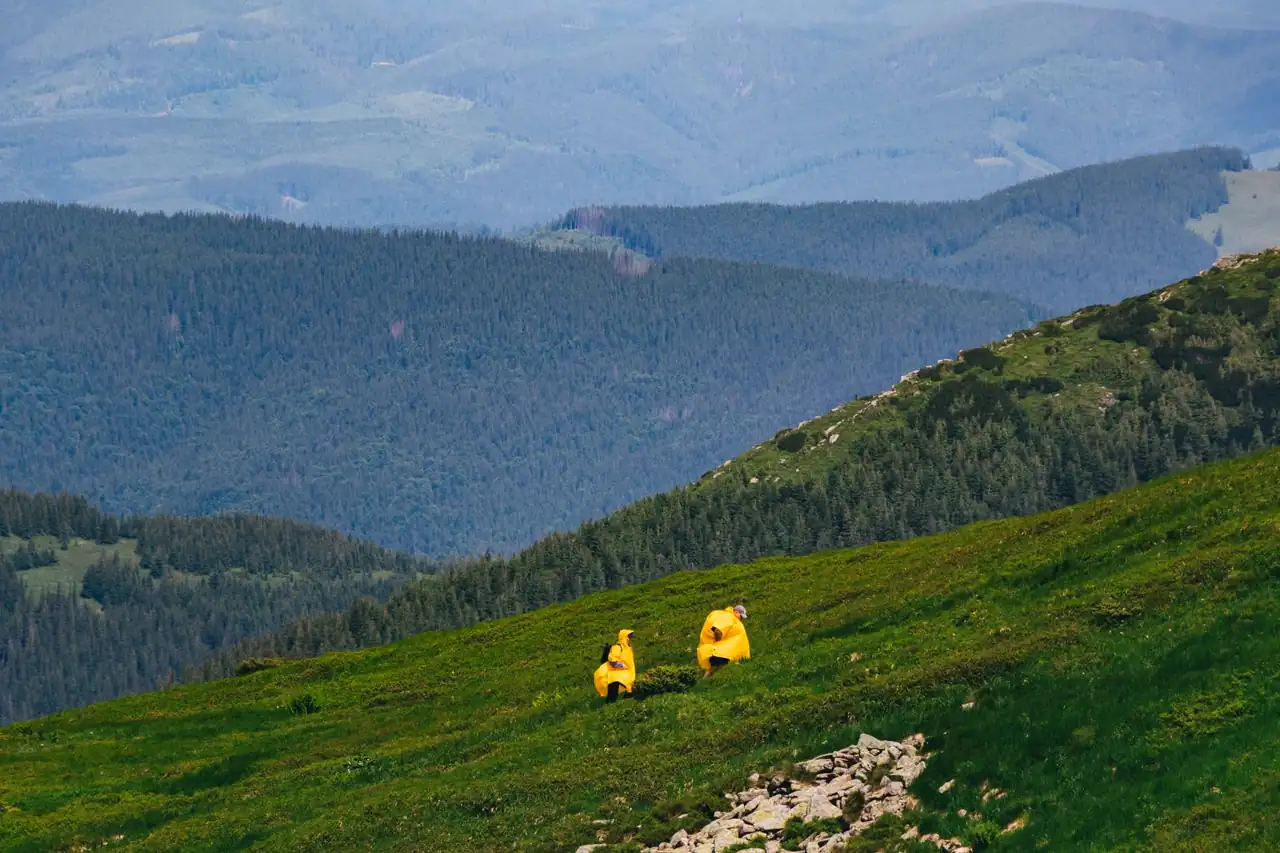
A 10,000 mm water column is no longer just a decorative number on the label: it makes the difference between keeping going with rain hammering your chest like fine hail or finishing the climb with a soaked T-shirt halfway up. In trail running, that protection has become a common benchmark for anyone looking for a garment capable of handling serious downpours without weighing the body down excessively or turning every stride into a small sauna.
In practice, a jacket at this level usually sits in the most sensible middle ground for mountains and long races: enough for persistent rain, wind, and moisture, but still reasonable in terms of lightness, packability, and mobility. It is not armor for a polar storm or a rigid piece of extreme mountaineering gear, but it is not just a windbreaker with ambitions either. Its value lies precisely there, in that balance highly sought after by trail runners, ultrarunners, and unstable autumn and winter training sessions.
What 10,000 mm waterproofing really means
The 10,000 mm figure refers to the water pressure the fabric can withstand before letting moisture through. Translated into runner language, it means the garment is designed to resist moderate or heavy rain for a reasonable amount of time, provided the design is well executed and maintenance is correct. It is not an absolute guarantee, because the cut, seams, zippers, and wear from use also matter.
That is why focusing only on the number would be like choosing running shoes based solely on color. In trail running, the membrane matters as much as the whole package: taped seams, cuffs that fit snugly, a hood that does not flap in the wind, and a fabric that does not cling to your back at the first effort. A jacket can claim 10,000 mm and still perform poorly if the pattern is clumsy or ventilation is badly handled.
It is also worth understanding the other side of the equation: breathability. A garment that blocks water but does not let sweat escape turns into a wet bag on the inside. In trail running, where there are long climbs, fast descents, and constant temperature changes, that buildup of vapor ends up weighing more than the rain. The best jacket in this range is not the warmest, but the one that protects without suffocating you.
The balance between rain, wind, and sweat
In the mountains, rain rarely comes alone. It usually arrives with gusts of wind, mud, fog, and a climb that forces your heart rate up. That is where a 10,000 mm waterproof garment begins to show its real usefulness: it blocks outside water, cuts the cold air, and helps maintain some thermal stability without adding an excessive layer. It is enough protection to keep the body from going cold suddenly when effort stops or pace eases.
The key is that waterproofing and ventilation are not opposing values, but two forces the garment must reconcile. The best trail jackets incorporate openings, more breathable panels, or zippers designed to release heat without compromising water resistance. When that work is done well, the sensation is almost invisible: you notice the rain sliding off and your body still breathing.
On a long outing, that difference shows up in small details. A runner ascending a muddy track and then linking into a technical trail needs to move in a garment that does not make noise, does not pull on the shoulders, and does not restrict arm swing. A jacket’s efficiency is measured not only by what it blocks, but by how little it interferes with running mechanics.
Technical details that really matter in trail running
The spec sheet can be long, but some elements matter much more than others. One of them is the waterproof zipper, because a poorly executed closure becomes an entry point for water, right where the chest takes the strongest wind impact. Taped seams also matter, especially on the shoulders, hood, and sides, which are points under constant tension in motion.
Another decisive detail is the hood fit. In trail running, a hood that twists with the head or blocks vision on a technical descent gets in the way more than it helps. The best solutions include a short visor, elastic ties, or simple adjusters that secure the garment without creating uncomfortable folds. A good hood is one you do not think about, not one you have to readjust every two minutes.
It is also worth looking at the cuffs and hem. Elastic cuffs or a simple closure help prevent water and cold from getting in, while a well-fitted hem reduces flapping in the wind. And although it may seem minor, reflective elements become more important on dark mornings, in fog, or during short winter afternoons. In trail running, visibility is also part of protection.
Lightness, mobility, and the feeling of running without armor
A waterproof jacket of this kind should not feel like a plastic shell. In trail running, freedom of movement is almost as important as protection, because the running motion changes depending on terrain, gradient, and fatigue. If the fabric wrinkles too much, pulls on the shoulders, or sticks to the torso, the garment ends up stealing energy from every stride.
That is why many technical options rely on ripstop fabrics or lightweight nylons, with a thinner feel but enough strength to handle branches, hydration packs, and occasional abrasion. That balance is no accident: trail running punishes clothing differently than road running. There are snags on vegetation, foot placements on wet rock, and abrupt movements when the terrain demands an immediate response.
Comfort, in this context, is not about home-like softness but about the absence of friction. A good jacket lets the runner lean into climbs, swing the arms wider, or take tight corners without feeling like they are wearing a tarp. When that happens, the garment becomes part of the athletic motion and stops being an added object.
The importance of fit over a hydration vest
In modern trail running, the jacket no longer lives on its own. It often has to coexist with a hydration vest, a belt, or a lightweight pack. That coexistence completely changes the ideal pattern, because a garment that is too tight on the torso can feel uncomfortable when there are bottles, soft flasks, or volume on the back underneath. That is why some technical solutions are designed to be worn over the vest without losing fit.
That approach makes sense in long races and mountain outings where mandatory gear requires carrying water, food, and a protective layer. A jacket designed for that use includes a wider back, quick access to front pockets, and enough elastic tension so the whole setup does not hang loose like a sail. The goal is not to constrict, but to accommodate the extra volume without blocking it.
When the pattern is well resolved, the difference shows up in motion. The garment does not ride up toward the neck, does not shift when planting a pole, and does not create air pockets that slap in the wind. It is quiet work, almost like technical tailoring, turning a simple outer layer into a useful part of the running system.
Breathability: the data point that prevents the greenhouse effect
Breathability is often presented with numbers that are harder to interpret than waterproofing, but its function is very clear: to let sweat vapor escape before it builds up inside. During prolonged efforts, that release is vital. A runner climbing hard generates heat, and if the jacket does not vent it, the inside becomes damp and creates a sticky cold feeling when pace drops.
In a trail garment, this point can be even more important than the rain barrier itself. A jacket with a good balance between protection and ventilation helps keep the body stable, especially when intensity changes. Climb, flat section, descent, short pause, another climb: that back-and-forth punishes a garment far more than a steady session on even ground.
An attentive runner will usually assess whether the jacket has strategic openings, whether the back handles moisture well, or whether the inner fabric dries quickly. The goal is not to stay completely dry, because that is unrealistic during intense activity, but to avoid saturation. The realistic aim is a manageable thermal sensation, even with the sky pouring down persistently.
Durability, care, and real lifespan
A 10,000 mm waterproof jacket is not bought for just one season, but it is not eternal by definition either. Durability depends a lot on care: wash it moderately often, follow the manufacturer’s instructions, and reactivate the outer water repellency when needed. A fabric that accumulates mud, sweat, and residue loses part of its effectiveness sooner.
In trail running, clothing also suffers particular wear from rubbing and abrasion. Hydration packs, branches, and contact with wet rock leave their mark little by little. That is why a strong construction matters, with clean seams and materials that do not fray at the slightest use. Visible durability is not always advertised on the label, but you can see it in the way the garment ages after several seasons.
There is also a factor of realistic use. A technical jacket performs best if reserved for rain, wind, and demanding training sessions, not for every easy outing under a gray sky. That logic of use extends its lifespan and keeps the membrane in better condition. As with most sports gear, the right purchase does not end at the box: it begins with how you treat it.
Which type of runner gets the most out of this range
This level of waterproofing is especially useful for those who train or race on wet trails, high mountain areas, or in changeable climates. It also suits runners who do long winter outings, when a sudden temperature drop can ruin an entire session. In that context, the jacket acts more as a safety piece than a simple accessory.
Someone who only runs occasionally in a light drizzle may not need such a technical garment. But for trail runners who face elevation gain, hours of activity, and mandatory gear rules, the difference is clear. This is not about carrying something just in case, but about having a layer capable of performing when the mountain changes the script without warning.
In long-distance races, that foresight matters even more. A run can start in sunshine and end under thick clouds, or the other way around. In that transition, a well-built jacket does more than protect: it gives mental breathing room. It lets you focus on the terrain, not the weather. And in the mountains, that peace of mind is worth a lot.
How to read a product sheet without getting carried away by marketing
The good spec sheet is the one that does not just put a big number on the front. It is worth checking whether the garment specifies waterproofing, breathability, weight, seam type, and adjustment system. The more concrete data there is, the easier it is to compare models rationally. A lack of information is often a bad sign, even if the outer design looks attractive.
Another sign of seriousness is the functional description. When a brand explains whether the hood is designed to move with the head, whether the jacket fits over a hydration vest, or whether it includes ventilation in heat-prone areas, it is talking about real use. By contrast, empty phrases about absolute comfort or total protection often hide garments that are less refined than they promise.
Price should also be read with nuance. The most expensive option is not always the best, but a better-resolved membrane, a more reliable zipper, or a more durable fabric usually have a logical cost. In this kind of product, paying for engineering rather than decoration is usually a good compass.
The garment that separates an uncomfortable outing from a manageable day
In trail running, the sky is part of the route. A 10,000 mm waterproof jacket does not eliminate rain or tame the mountain, but it does reduce friction between the runner and the environment. It protects just enough, vents enough, and provides that feeling of control that lets you keep moving when the terrain gets serious and the weather does too.
Its real value lies in what it prevents: accumulated cold, soaked clothing, wind that cuts on descents, and that internal dampness that turns a long day into a small battle. Chosen well, it becomes a discreet and reliable piece, one that does not seek the spotlight but supports much of the experience. In a sport where every detail counts, that discretion is almost a greater virtue than shine.
That is why, when looking at a jacket in this category, the useful criterion is not chasing a single figure, but reading the whole package: waterproofing, breathability, fit, lightness, and durability. When those five elements fit together, the garment stops being just insurance in case it rains and becomes a solid tool for running with purpose in the mountains, even when the day turns truly gray.
Este artículo contiene enlaces de afiliado: si compras a través de ellos, se genera una pequeña comisión sin coste adicional para ti. Más información.



How to prevent thigh chafing: causes and real solutions

Women’s running windbreakers: seven jackets and how to choose

Do more workouts get rid of soreness? A guide for runners

Jaén Half Marathon 2026: Record 3,800 Runners Registered

Men’s short running tights: how to choose the right pair

World Triathlon confirms data breach involving medical data

Izan Edo targets podium at Miyazaki World Cup

María Pérez ranks ninth in World Athletics’ 2026 top ten

Dos Santos, Duplantis and Sawe: World Athlete of the Year finalists

San Silvestre Vallecana 2026: 42,000 places, prices and start times

 Races3 months ago
Valencia Half Marathon 2027: date and registration

 Races3 months ago
Valencia Marathon 2026: entry, ballot and course

 Reviews and Comparisons4 months ago
Asics Gel-Roadmiles 3 for men: review and current price

 Reviews and Comparisons4 months ago
Asics Gel Sonoma 8 Gore-Tex: complete analysis for trail and rain

 Sneakers3 months ago
Saucony Endorphin Pro 4: full review and verdict

 News5 months ago
Strava API 2026: what changes for clubs, challenges and runner apps?

 Reviews and Comparisons5 months ago
Nike Alphafly 3: opinions, sensations, and real key points

 Reviews and Comparisons4 months ago
Under Armour running shoes review 2025-2026: models and key features

 Sports Equipment4 months ago
Shoe sizes in cm: a clear guide to getting the right fit for your footwear

 Sneakers3 months ago
Skechers GO RUN Consistent 2.0 analysis: comfort and limits

 News5 months ago
Valencia Marathon 2026 route: key tips to train and run better

 Sneakers4 months ago
Adidas Adizero Boston 13 for men: review and verdict