Sports Equipment
How to choose the best certified trail running rain jacket for races
Waterproofing, weight, fit, and breathability: that’s how you choose a reliable garment for trail running in rain and wind.

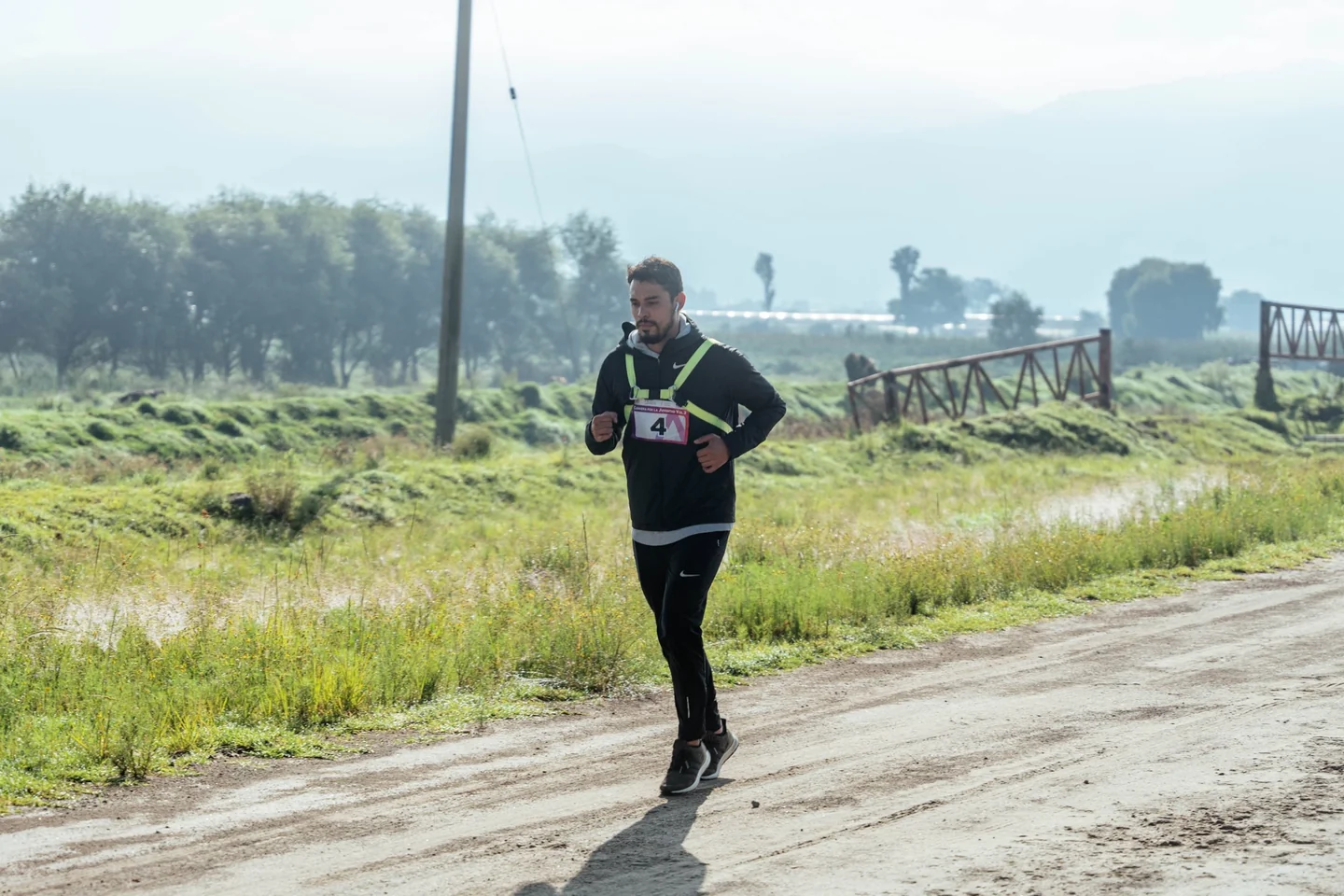
Mountain rain does not always fall with nobility. Sometimes it comes in sideways, clings to your clothes like a cold film, and turns a stretch of trail into a test of skill. In that context, an outer layer for trail running is not a mere extra: it is the piece that separates a manageable outing from a soaked, heavy, and awkward experience. The key is not to look for the stiffest barrier, but to find a real balance between waterproofing, breathability, lightness, and durability.
That is why the trail rain jacket has become a very specific technical garment, different from an urban jacket or a more classic trekking waterproof. In mountain races and training sessions, it matters that it protects without turning effort into a sauna, that it fits into a small backpack, and that it allows the arms, shoulders, and torso to move freely. The ideal point is usually found in models with a membrane, taped seams, and a pattern designed for running, not for walking slowly under an awning.
What a rain garment in the mountains is really asked to do
In trail running, the demand is almost contradictory. A single garment is expected to stop liquid water, let sweat vapor escape, weigh almost nothing, and also resist rubbing against branches, rock, or pulls when packed away and taken out. That mix of demands is not capricious: a mountain race changes pace, gradient, and temperature quickly, and the runner goes from sweating to cooling down in a matter of minutes.
The result is that not all jackets serve the same purpose. A very solid, protective model may be too heavy for a fast outing or a competition; an ultralight one may be comfortable and packable, but less tough against abrasion. Good judgment means reading the garment as a system, not as a single waterproof rating. The fabric, membrane, cut, zippers, hood, and the way it vents heat when the heart rate rises all matter.
In this terrain, the difference between an emergency item and a serious tool becomes apparent quickly. A good trail running jacket should behave like a flexible shield, not like a tarp. It should bend with the body, follow the arm swing, and remain useful when the weather changes its mind halfway through the outing. That is why leading brands talk so much about 2.5-layer or 3-layer technical shells, breathable membranes, and water-repellent finishes.
Waterproofing and breathability: the balance that makes the difference
Waterproofing is measured with a water column, and in trail running it is worth paying attention to specific figures. As a useful reference, 10,000 mm already provide reasonable protection for moderate rain, while 20,000 mm place the garment in a much more serious range for persistent downpours or exposed mountain terrain. Some technical options go up to 25,000 mm or even 30,000 mm, a more ambitious barrier for competitive settings or highly variable weather.
But water resistance alone is not enough. If the garment does not breathe, the runner ends up wet from the inside. Breathability is usually expressed in MVTR, and in this type of gear useful figures start acceptably above 10,000 g/m²/24h, while values of 20,000 or 30,000 g/m²/24h describe fabrics built for intense efforts. In practical terms, the faster the pace, the more you appreciate a membrane able to let vapor escape without turning the inside into a sealed chamber.
In trail running, the paradox is clear: a garment that is too sealed may protect better from rain, but worsen the thermal sensation if the runner sweats continuously. That is why some jackets prioritize ventilation through two-way zippers, strategic openings, or patterns that reduce heat buildup. The correct reading is not to look for the highest number in every box, but for a combination that matches the actual intensity of the effort and the expected duration of the activity.
Weight, volume, and the role of the backpack
In a trail backpack, every gram counts. Not out of obsession, but because race logistics are like that: limited space, quick access, and the need to carry a garment that does not get in the way when not in use. In that environment, a jacket around 150 or 170 grams falls into the ultralight category, and one that comes in near 200 grams can still be considered very restrained for a serious waterproof shell. Once the weight starts climbing, we are no longer talking about the same philosophy of use.
Packability matters almost as much as the number on the scale. A good mountain rain jacket should fit into its own pocket or compress to take up very little space, because that makes it easy to carry it all the time without overthinking it. On a long training run, in a race with mandatory gear, or on a day with uncertain weather, that difference translates into real comfort. The jacket that gets left at home because it is too heavy protects no one; the one that fits without fighting the rest of the kit does its job.
The balance between weight and durability is one of the most delicate points in the sector. Thinner fabrics save grams, but usually suffer more from friction; sturdier ones hold up better, though they penalize lightness. This is where a technical detail worth knowing appears: ripstop, a weave designed to limit the spread of small tears. It does not make a garment indestructible, but it does help prevent a minor snag from ruining the whole layer.
Hood, neck, and fit: where real comfort is won
The hood is the most visible point when it really starts to rain. If it flaps around, it covers poorly; if it is too tight, it is bothersome; if it does not accept a helmet or does not follow head turns, it reduces safety and vision. In trail running, hood design must account for continuous movement and, in many cases, the possibility of wearing the garment over or alongside a hydration vest. A good three-point adjustment, a flexible brim, and some facial wrap make a huge difference in wind and rain.
The neck also matters more than it might seem. A high collar protects the chin and keeps damp air from getting in easily, but it must open well to ventilate when the effort rises. The same goes for the cuffs and hem: if the fit is too rigid, it is uncomfortable; if it is too loose, water gets in and the jacket loses effectiveness. For runners who use a watch, a slightly wider cuff or a specific solution for checking the screen without taking off the garment can be useful, especially in competition.
The torso and sleeve pattern completes the set. Raglan sleeves or more ergonomic cuts make arm movement easier, while a slightly longer back helps cover the lower back better when the runner leans forward uphill or lengthens stride downhill. These are small design gestures that are not obvious on a hanger, but they are noticeable when moving with a backpack, poles, or hands occupied.
Zippers, pockets, and details that are not minor
Waterproof zippers often go unnoticed until they fail. And then water finds exactly the path we did not want. In a technical garment, sealed closures, AquaGuard zippers, and zippers with a flap or two-way puller provide protection and, in some cases, ventilation. The choice depends on the use, but the message is the same: if a jacket is meant to be serious against rain, it cannot rely on the outer fabric alone.
Pockets also reveal a lot about the design intent. In trail running, chest or inner pockets that are accessible without removing the backpack are valued, because they let you store gels, thin gloves, or a phone without breaking rhythm. Sometimes large side pockets are omitted to keep weight down and avoid unnecessary bulk. That is not a shortcoming; it is a usage decision. The logic of a mountain running jacket is efficiency, not abundant storage.
Reflective elements deserve a separate mention. They do not change performance against water, but they do improve visibility when rain mixes with fog, dusk, or connecting roads. In the real world, many trail workouts end on tracks, paved access roads, or areas with occasional traffic. A well-placed reflective strip adds nothing to the weight and provides another layer of discreet but useful safety.
What changes between a race waterproof and a more versatile one
Not all trail jackets pursue the same goal. Some are designed for competition, where every gram matters and the main value is combining sufficient protection with minimal penalty. Others seek greater versatility, useful for training, fast hiking, moving through low mountains, or handling fickle weather without so much obsession over the stopwatch.
Garments more focused on running usually use very light fabrics, highly breathable membranes, and a fairly clean pattern. They tend to fold easily and prioritize mobility. More versatile options, by contrast, may add a bit more structure, resistance, or wind protection. That difference is not trivial: a jacket that performs well in a fast ultra with mandatory gear may not be the most comfortable for a slow day with stops and changes in intensity.
The right decision depends on actual use, not on the flashiest promise. For a runner who frequently goes out in wet, exposed areas, a 20,000 mm waterproof with good MVTR and contained weight is usually a sensible choice. For someone who only carries it as backup in the pack, a very packable model may be enough. The current market offers everything from 80-, 100-, or 150-gram garments to more robust and protective jackets that comfortably exceed 200 grams. The difference is felt on the body, not just on the label.
How to read the specs without getting lost in the jargon
The technical sheet sometimes seems written for engineers, not runners. However, with four or five well-understood concepts, it becomes much easier to read. Waterproofing in millimeters of water column indicates how much pressure the fabric can withstand before letting liquid through. Breathability in MVTR indicates how much moisture it can vent. The layer count describes the architecture of the fabric, and the presence of taped seams shows whether the joins are sealed against water penetration.
It is also worth checking whether the garment includes a DWR treatment, a water-repellent finish that helps water bead and roll off the outer surface. It does not replace the membrane, but it improves performance in light rain or in the first minutes of precipitation. When that treatment degrades with use and washing, the jacket can still remain waterproof, although the outer layer gets wetter and loses part of its initial response. That is normal wear, not a dramatic failure.
Another concept that often appears is 2.5-layer construction. In simple terms, it tries to combine lightness and protection with less bulk than a full 3-layer jacket. It is often the preferred zone for mountain running because it offers a sensible compromise between weight, packability, and performance. 3-layer models, on the other hand, tend to be sturdier and more stable, an advantage when exposure to bad weather is serious and prolonged.
Use in the race: rain, wind, and changes of pace
On a mountain trail, the jacket goes through several lives in one outing. It comes out of the backpack as a windbreaker, ends up as a barrier against rain, and in some cases helps retain warmth on a summit lashed by cold air. That versatility requires the garment to stay out of the way when not needed and respond quickly when the sky turns serious. That is why dynamic design matters more than apparent stiffness.
On long climbs, the priority is to vent heat; on ridges and passes, to cut the wind; on descents, to keep cold from creeping in while sweat is still on the skin. The trail rain jacket handles that sequence like a piece of mobile architecture. It does not work miracles, but it softens the weather blow and allows you to keep moving with a more stable feeling. That stability, in the mountains, is practical gold.
Mediterranean weather adds another layer of complexity. In areas along the coast and inland in the Valencian Community, rain can arrive concentrated, intense, and brief, or mix with wind and very rapid temperature changes. In that scenario, a garment that is too heavy is unnecessary most of the time, but one that is too basic may fall short when the sky really opens up. Technical balance becomes especially valuable because the runner rarely knows how long the break in the weather will last.
The trail rain jacket as part of the kit, not as an abstract insurance policy
A good waterproof does not live in isolation. It integrates with the backpack, vest, shirt, gloves, and, on many outings, with the mandatory gear for a race. The runner is not just buying a barrier against rain; they are buying compatibility, comfort, and a certain operational peace of mind. If the garment goes on and off quickly, does not pull on the shoulders when the vest is loaded, and does not force you to fight with zippers in the middle of a stop, it has already won a lot.
That is why the sector has evolved so much toward more specific patterns. Some jackets are designed to go over a vest without turning the back into a tent; others rely on the elasticity of certain panels to improve movement; others reduce the number of pieces as much as possible to save weight. The variety exists not out of whim, but because the mountains change how clothing behaves just as they change the ground under your shoes.
The best choice is usually the one most consistent with real use. A very technical, lightweight garment will shine in competition and fast outings. A more complete waterproof will make sense in long training sessions, uncertain-weather days, or for runners who prefer a more stable feeling of warmth. Between the two, there are nuances, and it is in those nuances that the experience of running in the rain is decided without turning the day into a battle with your clothes.
The difference between going for a run and going out to survive a downpour
A good trail rain jacket is not just about keeping you dry. It is about letting you keep running with technical dignity, with the body working within a reasonable comfort range and the gear responding without drama. That is the difference between a garment bought on instinct and one chosen with judgment. The first may get you out of trouble; the second truly belongs in the mountains.
The numbers help, but they do not tell the whole story. Waterproofing of 20,000 mm, breathability of 30,000 g/m²/24h, a weight around 150 or 200 grams, and fully taped seams form a very solid profile for trail running. However, the final experience will also depend on the hood, the fit, the fabric’s resistance, and the jacket’s ability to integrate with the rest of the kit without stealing focus from movement.
In the end, that is the logic that governs the most refined mountain gear: doing a lot without getting in the way. Under light rain or in a serious storm, a well-designed garment becomes almost invisible mentally and very present physically. It is not an abstract barrier, but a piece that lets you keep going when the sky tightens and the trail turns wet, bright, and slippery.
That is why choosing a waterproof garment well for trail running is almost a lesson in priorities. It is not about chasing the highest number on a label or the lowest weight on a scale, but about fitting technology, mobility, and protection into a single object. When that happens, rain stops being an interruption and becomes just another condition of the route.
Este artículo contiene enlaces de afiliado: si compras a través de ellos, se genera una pequeña comisión sin coste adicional para ti. Más información.



How to prevent thigh chafing: causes and real solutions

Women’s running windbreakers: seven jackets and how to choose

Do more workouts get rid of soreness? A guide for runners

Jaén Half Marathon 2026: Record 3,800 Runners Registered

Men’s short running tights: how to choose the right pair

World Triathlon confirms data breach involving medical data

Izan Edo targets podium at Miyazaki World Cup

María Pérez ranks ninth in World Athletics’ 2026 top ten

Dos Santos, Duplantis and Sawe: World Athlete of the Year finalists

San Silvestre Vallecana 2026: 42,000 places, prices and start times

 Races3 months ago
Valencia Half Marathon 2027: date and registration

 Races3 months ago
Valencia Marathon 2026: entry, ballot and course

 Reviews and Comparisons4 months ago
Asics Gel-Roadmiles 3 for men: review and current price

 Reviews and Comparisons4 months ago
Asics Gel Sonoma 8 Gore-Tex: complete analysis for trail and rain

 Sneakers3 months ago
Saucony Endorphin Pro 4: full review and verdict

 News5 months ago
Strava API 2026: what changes for clubs, challenges and runner apps?

 Reviews and Comparisons5 months ago
Nike Alphafly 3: opinions, sensations, and real key points

 Reviews and Comparisons4 months ago
Under Armour running shoes review 2025-2026: models and key features

 Sports Equipment4 months ago
Shoe sizes in cm: a clear guide to getting the right fit for your footwear

 Sneakers3 months ago
Skechers GO RUN Consistent 2.0 analysis: comfort and limits

 News5 months ago
Valencia Marathon 2026 route: key tips to train and run better

 Sneakers4 months ago
Adidas Adizero Boston 13 for men: review and verdict