Sports Equipment
Women’s waterproof trekking shoes outlet: useful guide
Discounted models, waterproof membranes, grip, and sizes: key factors for choosing wisely in the mountains.

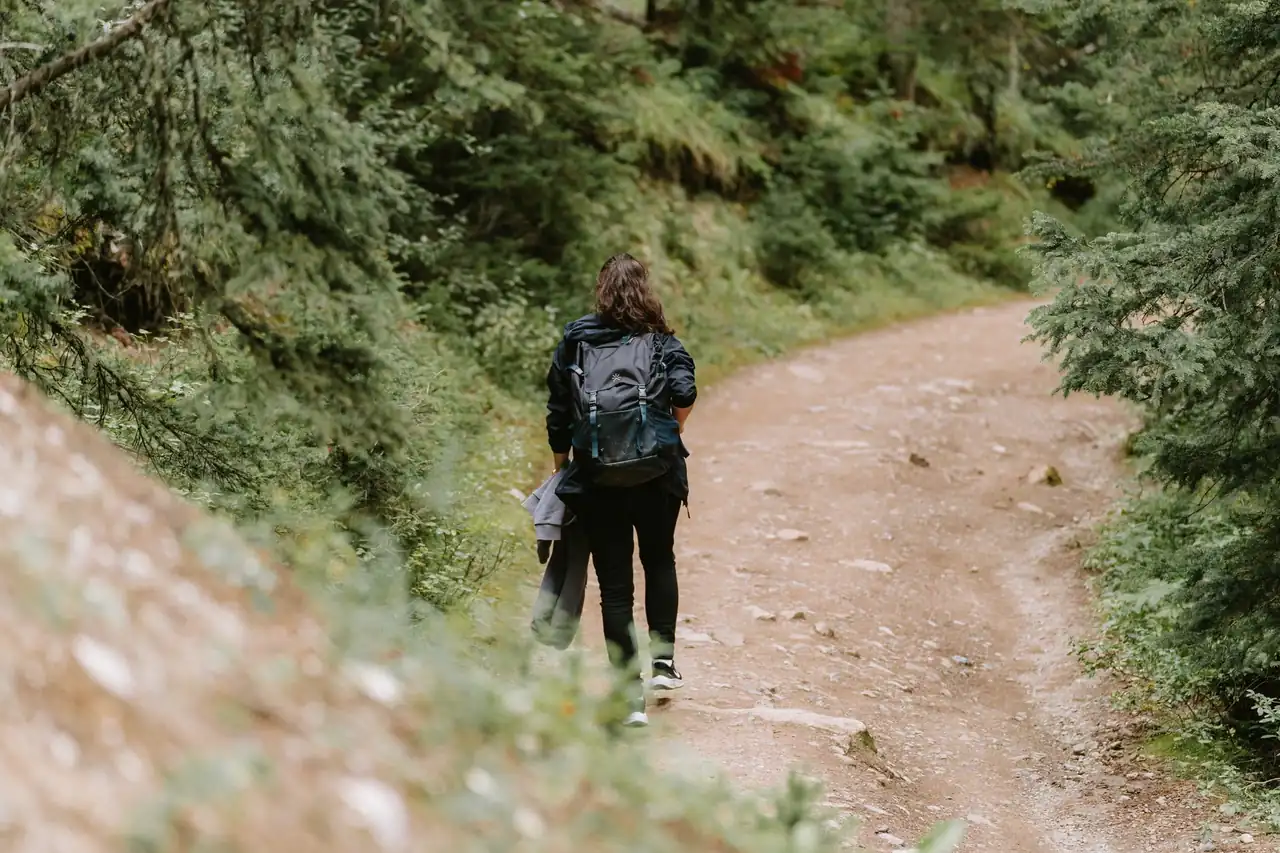
Sales on women’s mountain footwear usually follow a very simple logic: what changes is not performance, but price. In a reputable outlet, you can find models with waterproof membranes, grippy soles, and reinforcements designed for walking on rock, damp ground, or muddy trails, all with discounts that in some cases range from 20% to 40% off the original price. That combination explains why these models sell out quickly when useful sizes and recognized brands coincide.
The appeal is not only about saving money. It also lies in the chance to get access to technical hiking shoes that, outside the launch period, keep the same construction as in-season models: stable lasts, durable fabrics, toe protection, and models with waterproof membranes such as Gore-Tex, Waterproof, DryFeet, or equivalent systems. In practice, the outlet becomes a gateway to footwear that can handle light rain, puddles, and long hikes without blowing the budget.
What a mountain outlet offers when the model is still technical
The outlet concept is often misunderstood. It does not mean lower-quality footwear, but rather models discounted due to stock rotation, season changes, or last remaining sizes. In hiking, that difference matters a lot, because the product’s foundation is still the same: a shoe designed to walk with stability, support, and traction. What usually varies is the color, the collection, or the commercial moment when it goes on sale.
In a well-curated catalog, savings do not force you to give up details that shape the experience. You may find soles with good lugs, removable insoles, breathable fabrics, and reinforced toes to withstand impacts against loose stone or roots. It is also common to find footwear from specialized outdoor brands, from Chiruca, Paredes, Grisport, Merrell, Salomon, Adidas Terrex, Columbia, or Hi-Tec, companies that have spent years refining the balance between weight, grip, and comfort.
The editorial key is to look beyond the visible price. A discounted model can be an excellent purchase if it matches the intended use, but it can also fall short if the route demands more support, if the sole is too soft, or if waterproofing sacrifices too much ventilation. The outlet does not change the laws of the mountains: it simply brings closer products that would normally cost quite a bit more.
Real waterproofing: the difference between getting wet outside or inside
In the world of women’s hiking, the adjective waterproof is used loosely, but not all systems protect equally. A membrane such as Gore-Tex or equivalent solutions acts as a barrier against outside water while also allowing some sweat to escape. That does not turn the shoe into an umbrella, but it does make it a notable ally on damp days, in wet grass, persistent fog, or winter routes.
Versions with a water-repellent treatment work well for less demanding use, although their level of protection is lower than that of a full membrane. By contrast, when the route crosses streams, mud, or soaked terrain, the user appreciates a more enclosed construction. Waterproofing is not just a marketing label: it changes the thermal feel, reduces moisture ingress, and helps keep the foot more stable inside the shoe.
That said, waterproofing has trade-offs. A more sealed model usually breathes worse than one without a membrane, and that can be noticeable on summer outings or long hot days. So it is best to treat this feature as a tool, not an automatic virtue. In the Valencian Community, for example, a waterproof shoe makes more sense in autumn, winter, or routes through damp inland areas than for August walks on dry, sun-baked ground.
The brands that usually dominate these sales
The most solid outlet pages tend to repeat the same constellation of brands because they are the ones that perform best in the mountains. Salomon, Merrell, Adidas Terrex, Chiruca, Columbia, Paredes, Hi-Tec, Lowa, or La Sportiva appear regularly among discounted items, and not by chance. Each covers a different profile, from lightweight shoes for fast routes to more robust options for technical terrain.
Merrell and Salomon usually handle the balance between lightness and support especially well. Adidas Terrex often offers a sportier aesthetic and, in some models, a feel closer to a training shoe. Chiruca and Paredes, meanwhile, are often associated with a more classic hiking approach, where durability and protection matter as much as final weight. Grisport and Hi-Tec are often interesting options when you want a contained price without leaving technical territory.
Last shapes also matter. Not every woman’s foot needs the same internal volume, and here the outlet can be more flexible than it seems, because a discount can help you find odd sizes, less-demanded colors, or previous collections that are no longer in the commercial spotlight. Often, that is precisely the opportunity: a highly regarded model that is no longer new, but still very useful.
How to read what matters in a product sheet
Before getting carried away by the discount, it is worth reading the product sheet with practical eyes. The first useful detail is the membrane or waterproof system, because not everything that resists a drizzle can withstand a day of wet ground. Then comes the sole: if there is not enough traction, the rest matters little. Clear lugs, durable rubber, and a design meant to shed mud are positive signs.
The second block of information is usually protection. A reinforced toe cap absorbs impacts and extends the life of the shoe, while side reinforcement and the heel counter help maintain the shape when the terrain gets uneven. It is also worth checking whether the insole is removable, because that makes hygiene, drying, and, in some cases, the use of custom insoles easier. Real comfort comes from several details at once, not from a single selling point.
Weight deserves attention, though not obsession. A very light model may feel agile, yes, but if it lacks structure it will not perform well on long routes or with a backpack. At the other extreme, a shoe that is too heavy can tire you out early. The sensible point is the middle ground: construction that protects without turning each step into a small burden.
Which models usually appear and what they are best for
Among discounted items, you will often find shoes designed for mid-level hiking, and also some closer to sporty trekking. The names change, but the function is usually the same: walking safely on forest tracks, mixed trails, and moderate mountain routes. It is common to find versions such as Moab, X Ultra, Terrex Eastrail, Trailmaker, Crestwood, or Skychaser, collections that have been on the outdoor map for very specific reasons.
The lighter ones tend to perform better on day hikes, travel with lots of walking, or routes where pace matters as much as protection. The more robust ones, by contrast, appreciate uneven surfaces, persistent moisture, and more continuous use. If the outing includes loose stone, long descents, or changing terrain, a slightly more structured shoe gives a greater sense of control. The best option is the one that fits the real terrain, not the ideal one.
It is also worth not confusing a shoe with a boot. The lack of a higher shaft gives the shoe more mobility, but slightly less ankle support. For easy or moderate routes, that freedom is usually enough; for more demanding sections, a boot can offer more protection. The outlet, precisely because of its breadth, makes it possible to find both within the same discounted showcase.
Price, discount, and value: where the balance lies
The price tag may seem like the most visible data point, but it is not always the most relevant. The reference information shows discounts that place some models between €48.99 and €197.99 depending on brand, collection, and technical level. That range helps show that the outlet does not work with a single price tier, but with several product levels, from affordable options to more specialized footwear.
A 30% discount can be very attractive on a high-end model, because the initial quality of materials and construction makes the purchase easier to justify. On more affordable items, a smaller discount can still be worthwhile if the shoe fits the intended use and size. Value, in reality, depends on the relationship between what you pay and what you get: waterproofing, grip, durability, and comfort.
There is also an opportunity factor that should not be underestimated. Outlets usually work with limited stock and specific sizes, so the size you want is not always available. That means you need to look at the catalog with some flexibility, because often the best buy is not the first one you see, but the one that combines the right fit with enough performance for the intended use.
What type of outings they are most useful for
These shoes shine on hiking outings, walks in gentle mountain areas, getaways along dirt paths, and routes where the foot needs to feel protected without being confined. They usually work well in spring and autumn, when the terrain alternates between dry areas and wetter ones. They can also be a comfortable solution for trips that involve a lot of walking and where you do not want to carry heavy footwear.
On the coast, the feel of a mountain sole can be very useful on stone or hard-packed dirt trails, although the heat means you need to pay attention to breathability. Inland, especially in shaded, humid, or foggy sections, waterproofing provides a tangible safety margin. The same pair does not perform the same in July as it does in November, and that is what separates an impulsive purchase from a well-considered one.
There is also everyday use. Many women end up wearing this footwear beyond the mountains, because it offers support, stability, and a firmer step than conventional athletic shoes. It is not an urban product disguised as outdoor gear, but footwear that honestly combines protection and comfort, something especially appreciated when walking for hours.
What to expect from a waterproof model on sale
In a well-organized outlet, the reader should expect clear information about the membrane, the sole, the recommended type of use, and the size range. It also helps to know whether the model includes side reinforcements, whether it is intended for light hiking or more serious trekking, and what level of breathability it promises. The more precise the product sheet, the easier it will be to choose wisely.
The best purchase is usually not the cheapest one, but the one that avoids hidden compromises. Waterproof footwear that pinches, weighs too much, or loses grip stops being a bargain as soon as you step onto difficult terrain. A discount only deserves the name when it preserves the technical logic of the product. That is the big difference between a simple markdown and a truly useful opportunity.
That is why women’s hiking outlets remain in demand: because they make it possible to access proven footwear, from established brands, often with features that are still fully valid in the mountains. When the catalog combines waterproofing, a good fit, and reliable soles, the price stops being an empty hook and becomes a concrete advantage, visible step by step on wet ground.
The value of buying with judgment when the mountains show no mercy
The trail does not understand commercial campaigns, but it does respond to the gear on your feet. A good waterproof shoe can turn a wet route into a manageable experience; a bad choice, by contrast, reveals itself quickly, like a stone in the shoe that keeps you from focusing on the scenery. In the mountains, that discomfort usually grows with every kilometer.
That is why the outlet has such strength in women’s technical footwear. It brings together serious performance, more manageable prices, and specialized brands in one place. It is not a place to buy blindly, but it is an interesting setting for finding a model that handles real outings: a long walk in the hills, a route through damp terrain, or a full-day trek in changing weather.
In a market full of quick promises, the value still lies in the usual basics: fit, grip, protection, and common sense. When those pieces come together, the discount stops being a marketing hook and becomes a smart purchase, one you appreciate long after, when the path stretches on and the ground begins to shine with the morning moisture.
Este artículo contiene enlaces de afiliado: si compras a través de ellos, se genera una pequeña comisión sin coste adicional para ti. Más información.



How to prevent thigh chafing: causes and real solutions

Women’s running windbreakers: seven jackets and how to choose

Do more workouts get rid of soreness? A guide for runners

Jaén Half Marathon 2026: Record 3,800 Runners Registered

Men’s short running tights: how to choose the right pair

World Triathlon confirms data breach involving medical data

Izan Edo targets podium at Miyazaki World Cup

María Pérez ranks ninth in World Athletics’ 2026 top ten

Dos Santos, Duplantis and Sawe: World Athlete of the Year finalists

San Silvestre Vallecana 2026: 42,000 places, prices and start times

 Races4 months ago
Valencia Half Marathon 2027: date and registration

 Races4 months ago
Valencia Marathon 2026: entry, ballot and course

 Reviews and Comparisons4 months ago
Asics Gel-Roadmiles 3 for men: review and current price

 Reviews and Comparisons4 months ago
Asics Gel Sonoma 8 Gore-Tex: complete analysis for trail and rain

 Sneakers4 months ago
Saucony Endorphin Pro 4: full review and verdict

 News5 months ago
Strava API 2026: what changes for clubs, challenges and runner apps?

 Reviews and Comparisons5 months ago
Nike Alphafly 3: opinions, sensations, and real key points

 Reviews and Comparisons4 months ago
Under Armour running shoes review 2025-2026: models and key features

 Sports Equipment4 months ago
Shoe sizes in cm: a clear guide to getting the right fit for your footwear

 Sneakers3 months ago
Skechers GO RUN Consistent 2.0 analysis: comfort and limits

 News5 months ago
Valencia Marathon 2026 route: key tips to train and run better

 Sneakers4 months ago
Adidas Adizero Boston 13 for men: review and verdict