Sports Equipment
Gore-Tex trekking shoes for women: complete guide
Keys to choosing a waterproof, comfortable, and stable model: materials, sole, fit, and market prices.

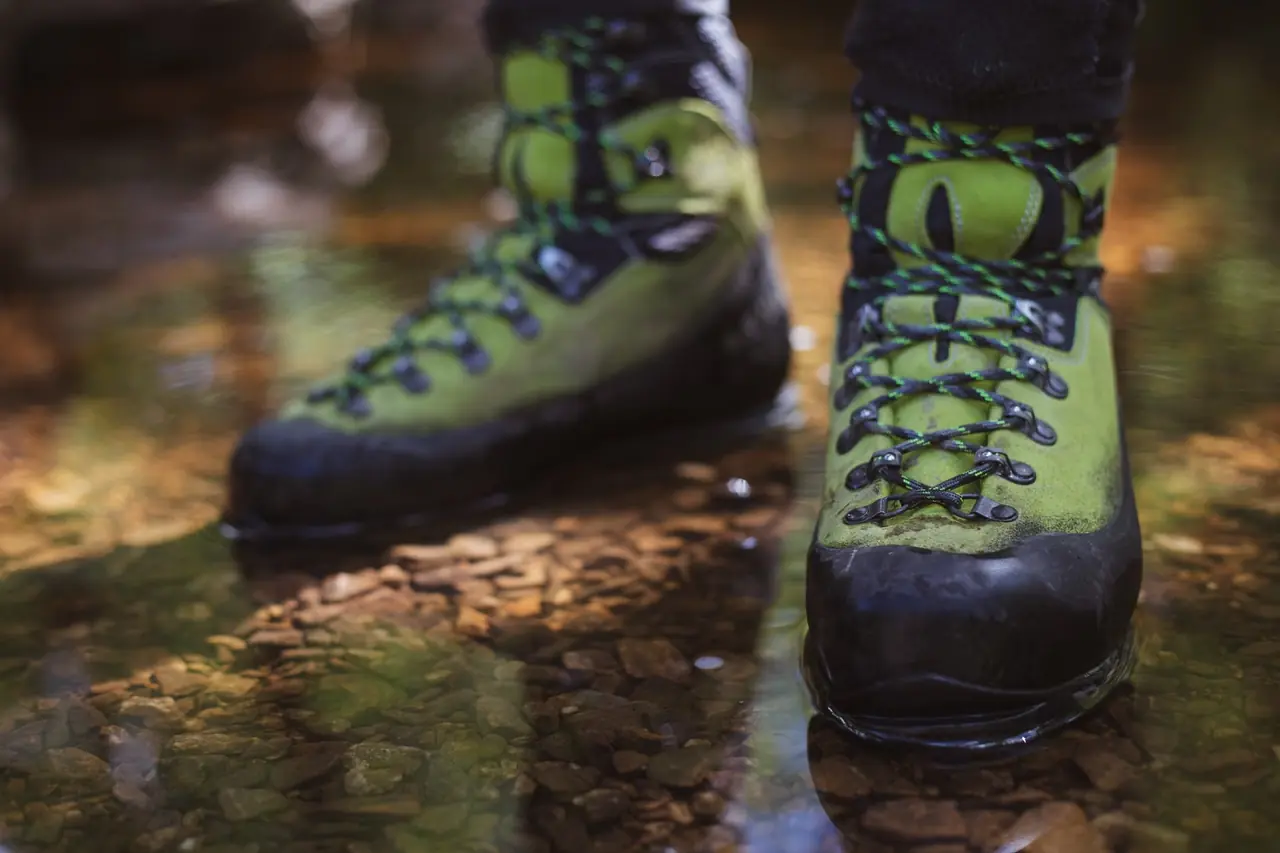
The demand for waterproof mountain footwear for women has grown in step with mixed routes, weekend getaways, and days when the rain gives no respite. In that terrain, the Gore-Tex membrane still holds a central place for a simple reason: it protects against water without turning the foot into a block of plastic. That combination of a barrier against moisture and some degree of breathability explains why so many trekking models include it.
In today’s market, the offer is broad and ranges from low-cut shoes to mid-cut boots, with prices that usually move roughly between 70 and 250 euros, depending on brand, materials, and technical level. The difference between getting it right and buying blindly is rarely in the logo. It is usually in the real fit, in the stiffness of the sole, in the shape of the forefoot, and in how the model responds when the trail turns to mud, rock, or wet track.
What the waterproof membrane really provides
Gore-Tex is not a decorative label, but a membrane designed to block outside water and let some of the inside vapor escape. Translated into everyday use, that means drier feet when crossing puddles, walking on soaked grass, or moving through light rain for hours. In the mountains, where moisture gets in from the side, the toe box, or the tongue with almost insulting ease, that detail changes the entire hiking experience.
That said, waterproofing has nuances. No membrane turns footwear into a perfect sealed container, and ventilation is always lower than in an unprotected shoe. On hot days or during very intense walks, the foot may build up more heat. That is why the value of this type of footwear is best understood when the scenario mixes mud, dew, cold, puddles, or stretches of intermittent rain, rather than dry, scorching summer outings.
The latest models also incorporate reinforced tongues, toe and heel reinforcements, and outer fabrics resistant to abrasion. That combination protects the areas where the trail punishes the most. In practice, a good waterproof shoe does more than keep water out; it also withstands rubbing against loose stone, roots, and uneven edges without falling apart too soon.
Which type of use fits each format best
Not all routes call for the same construction. Low-cut trekking shoes, lighter and closer to the ground, work well on marked trails, day hikes, and walks where agility matters most. Mid-cut boots, on the other hand, add ankle coverage and a greater sense of structure, useful on broken terrain, with heavy loads, or on long treks where support is appreciated far more than extreme lightness.
There are also hybrid models that aim for a middle ground: sporty look, enough protection, and a more dynamic stride than a classic boot. The catalogs of the main brands are full of precisely these proposals, because hiking today is no longer like it was in the old manuals. Many walks are closer to a mix of light hiking, travel, and strolling over uneven ground than to a pure alpine ascent.
Brands such as Salomon, Merrell, Hoka, adidas Terrex, Scarpa, The North Face, Lowa, Mammut, La Sportiva, Salewa, Bestard, or Regatta have refined their women’s ranges considerably. You can see it in the last shape, the distribution of internal volume, and the flexibility of the instep. The anatomy of the female foot is not an add-on to the men’s version; when the size and last are well resolved, the difference is noticeable on the first downhill section.
What to look at before buying a waterproof model
The first filter should not be color, but fit. Footwear that looks sturdy but fits poorly ends up causing blisters, black toenails, or premature fatigue. It is worth checking that the heel is held securely, that the toes have room to move, and that the midfoot does not squeeze like a vice. On long routes, the foot swells slightly and that small margin becomes crucial.
Then the sole comes into play. Here names like Vibram, Contagrip, or brand-specific compounds appear. Beyond the marketing, what matters is the lug pattern, grip on wet rock, and braking ability on descents. A sole that is too soft wears out quickly; one that is excessively stiff can be tiring. The ideal balance depends on the type of terrain you encounter most often.
The midsole also weighs heavily on the final feeling of comfort. More generous foams absorb impact and soften the stride, which is useful if the route combines forest tracks with kilometers of rocky paths. Firmer options transmit the terrain better and usually provide more stability when the surface is uneven. In trekking, unlike on asphalt, feeling the ground is not always a disadvantage; sometimes it is the safest way to avoid a sprain.
Weight is another figure to watch. Among similar models, a difference of 50 or 70 grams per foot is less noticeable in the shop than on the third hour of walking. Lighter options are attractive for fast hiking, but if the terrain is technical or the backpack is heavy, a little more structure may be a sensible investment.
Prices, deals, and what is usually found in the market
The price range for women’s waterproof trekking footwear is wide and reflects real differences in construction. In entry-level or access ranges, models can be found around 70 or 80 euros, especially on sale. That is the case with some adidas Terrex, The North Face, Regatta, or certain Merrell and Salomon models when discounted. These are options designed for occasional use or for those who do not need especially technical performance.
In an intermediate range, between 100 and 160 euros, a very interesting part of the catalog is concentrated. There you’ll find models such as Salomon X Ultra 360 GORE-TEX, Hoka Anacapa 2 Low GORE-TEX, Merrell Moab Speed 2 GORE-TEX, or Scarpa Rapid XT GTX, all with a more balanced proposition between protection, grip, and comfort. For most hikers, that step usually offers the best compromise between durability and cost.
Above 180 euros, the more robust, technical, or premium constructions appear. In that bracket it is common to find Lowa Renegade EVO GORE-TEX, Scarpa Mescalito TRK Planet GORE-TEX, Salewa Alp Trainer 2 GORE-TEX, or certain Hoka and Mammut boots. There you are paying not only for the membrane, but also for a sturdier chassis, better finishes, higher-quality materials, and, in many cases, more reliable performance when the mountains get serious.
Sales move the market quite a lot. It is not unusual to see discounts of 20%, 30%, or even more on previous-season models. That does not mean the product is worse; often it simply reflects a collection changeover. In mountain footwear, that detail deserves attention because a model from the previous year may retain practically the same performance as the latest release, at a much friendlier price.
Representative models that set the trend
The Salomon family still dominates much of the conversation thanks to stability, fit, and trustworthy soles. X Ultra 5 GORE-TEX, X Ultra 360 GORE-TEX, Outscape GORE-TEX, or X Adventure Recon GORE-TEX share a very clear idea: security on variable terrain and predictable response. These are names that come up again and again because they work well on mid-level routes, where the terrain calls for an all-terrain feel without giving up a relatively agile stride.
Merrell, for its part, maintains a very solid role with the Moab line and models such as Speed Strike 2 GORE-TEX or Moab Speed 2 GORE-TEX. Its great strength is the balance between comfort from the first wear and a less bulky look than other classic boots. For many women, that feeling of a shoe that accompanies without imposing itself is key on long hikes or multi-day trips.
Hoka has pushed hard with a different idea: more cushioning, less visual hardness, and a surprisingly gentle stride. Anacapa 2 Low GORE-TEX and Transport GORE-TEX sit on that border between hiking and everyday use, with an approach that prioritizes comfort. They are not the most minimalist of the group, but they are among the best at absorbing fatigue when the route stretches the day out.
Scarpa, La Sportiva, and Salewa play in a more technical league, with models that face difficult terrain head-on. Rapid XT GTX, Mescalito Trek 2 GORE-TEX, or Alp Trainer 2 GORE-TEX convey a more mountain-oriented idea, with firmer materials and very precise support feel. On rocky trails, that kind of footwear offers a sense of security that is hard to match with softer options.
How the experience changes depending on the terrain
On compact track and easy trails, a waterproof low-cut shoe is usually enough and feels more natural. The foot stays close to the ground, the stride flows, and the weight of the whole setup is less noticeable. For outings with a light backpack, urban trips in the rain, or fast walks in mid-mountain environments, that profile is usually the most welcome.
In mud, wet rock, and uneven passages, however, the priority changes. A good sole with well-designed lugs starts to matter more than pure lightness. Grip in that context is like the anchor of a small boat: it is not admired from afar, but it prevents a nasty surprise. A resistant upper also helps, capable of tolerating rubbing and twisting without losing structure too quickly.
Mid-cut boots make sense when the ankle needs a bit more containment or when the backpack is heavy. They do not immobilize, as is sometimes thought, but they do provide a feeling of extra support. On long descents, when fatigue throws off your step, that containment can make the difference between finishing with good form or dragging your legs.
By contrast, a very soft shoe, designed almost like a trainer, may feel wonderfully comfortable at first and then too loose once the trail gets complicated. There is no perfect model for everything. Rather, there is the model that best tolerates the terrain that actually repeats in your real schedule, not in the idealized one.
Durability, care, and signs of wear
Well-maintained waterproof footwear lasts longer and retains its performance better. Dry dirt is an enemy of the membrane, but also of the seams, adhesives, and sole tread. After an outing with mud or fine dust, gentle cleaning with water and a brush helps the material avoid aging too early. Storing it while damp or next to a strong heat source accelerates deterioration more than it seems.
The membrane usually does not fail suddenly. First, small clues appear: the inside takes longer to dry, the feeling of moisture increases, or water starts to stay a bit longer on the outer surface. Sometimes the problem is not the membrane, but the outer layer, which has lost its water-repellent treatment and soaks up water easily. That makes the foot feel colder, even though the waterproofing is still partly working.
Signs that it is time to replace them depend not only on mileage, but on real use. A hiker who goes out every two weeks on gentle terrain does not wear footwear down the same way as someone who strings together mountain, rock, and rain routes every month. The midsole loses responsiveness, the outsole smooths out, and the upper no longer supports like before. When the footwear no longer regains its shape even after drying, the end is near.
The women’s market has moved beyond generic molds
The major improvement in recent years is not only waterproofing, but also the specific design for women. The female foot often has different proportions in the heel, instep, and forefoot, and that has led to more refined lasts. The result is visible in brands that have understood that reducing the size is not enough: the entire geometry has to be adjusted.
The aesthetics have also changed. Before, many boots looked as if they were designed to withstand bad weather with the charm of a refrigerator. Today, even though function still leads, the design has become cleaner, with more natural colors and less awkward profiles. That detail matters more than it seems, because footwear you enjoy wearing ends up being used in more plans and does not end up forgotten in a closet.
The current trend combines performance, lightness, and versatility. It is no longer bought only for a major trek. It is bought for walking in the mountains, traveling, mid-day routes, and even tackling urban winters with confidence. That versatility explains why the search term attracts so much attention: behind it lies a very concrete need, but also a way of moving through the world with safety and fewer surprises.
Footwear that has gone from technical accessory to key piece of equipment
Choosing a good waterproof women’s model really sums up a decision about how you want to step on the terrain. Drier, more stable, lighter, or more protected. The mountains do not reward the most eye-catching option, but the one that reduces mistakes and stands the test of time better. That is why today’s market is no longer centered only around a famous membrane, but around the whole package: last, sole, padding, weight, and on-the-move response.
In a catalog full of powerful names, the reader moves among very similar promises and small but decisive differences. That is the key. A good purchase is not recognized on the box; it is recognized when the first climb arrives, when the mud bites, and when the foot still feels comfortable at the end of the day. In that silent test, theory gives way to reality, and reality is usually much more demanding.
The best model is not the most expensive or the best known, but the one that fits the terrain, the climate, and the type of walk that really repeats itself. That is the yardstick that separates a sensible purchase from a promise that deflates on the second outing.
You may also like: Teva Trailwinder Mid GTX for women: review and verdict.
Este artículo contiene enlaces de afiliado: si compras a través de ellos, se genera una pequeña comisión sin coste adicional para ti. Más información.



How to prevent thigh chafing: causes and real solutions

Women’s running windbreakers: seven jackets and how to choose

Do more workouts get rid of soreness? A guide for runners

Jaén Half Marathon 2026: Record 3,800 Runners Registered

Men’s short running tights: how to choose the right pair

World Triathlon confirms data breach involving medical data

Izan Edo targets podium at Miyazaki World Cup

María Pérez ranks ninth in World Athletics’ 2026 top ten

Dos Santos, Duplantis and Sawe: World Athlete of the Year finalists

San Silvestre Vallecana 2026: 42,000 places, prices and start times

 Races3 months ago
Valencia Half Marathon 2027: date and registration

 Races3 months ago
Valencia Marathon 2026: entry, ballot and course

 Reviews and Comparisons4 months ago
Asics Gel-Roadmiles 3 for men: review and current price

 Reviews and Comparisons4 months ago
Asics Gel Sonoma 8 Gore-Tex: complete analysis for trail and rain

 Sneakers3 months ago
Saucony Endorphin Pro 4: full review and verdict

 News5 months ago
Strava API 2026: what changes for clubs, challenges and runner apps?

 Reviews and Comparisons5 months ago
Nike Alphafly 3: opinions, sensations, and real key points

 Reviews and Comparisons4 months ago
Under Armour running shoes review 2025-2026: models and key features

 Sports Equipment4 months ago
Shoe sizes in cm: a clear guide to getting the right fit for your footwear

 Sneakers3 months ago
Skechers GO RUN Consistent 2.0 analysis: comfort and limits

 News5 months ago
Valencia Marathon 2026 route: key tips to train and run better

 Sneakers4 months ago
Adidas Adizero Boston 13 for men: review and verdict