Sports Equipment
Zensah full-leg compression tights: review and buying guide
A practical review of the fit, fabric, compression and uses of Zensah full-length sports tights.

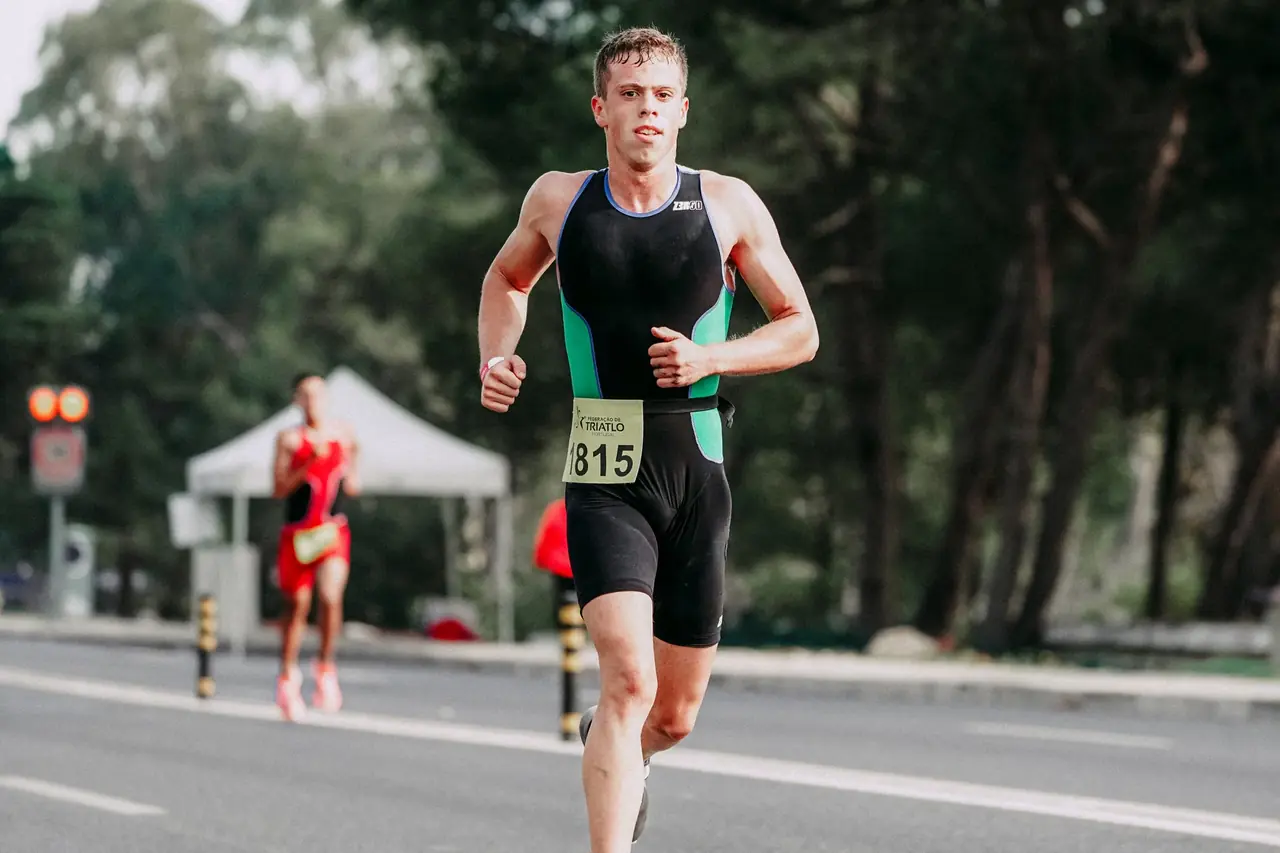
Zensah full-length compression tights are designed to cover the leg from the waist to the ankles with a close, elastic fit. The Base Layer Compression Tights model is described as a unisex garment offering light compression, breathable fabric and a second-skin feel, intended for use as a base layer during training or recovery sessions. It is neither a calf sleeve nor a medical stocking: its purpose belongs to sportswear.
The design may appeal to runners looking for a complete, lightweight garment that stays in place while they move. Available information identifies S/M and L/XL sizes, a black color and double-sided construction intended to manage moisture. A reference price seen at a specialist retailer was 2,197.46 Canadian dollars, a figure that should not be confused with the final cost in Spain, where the retailer, taxes, shipping and availability may differ.
What kind of garment Zensah offers
A full-length tight serves a different purpose from a calf sleeve. The former follows the entire leg and adds coverage around the hips, thighs, knees and calves; the latter focuses on the lower leg, usually without covering the foot. In Zensah’s case, the construction is presented as a sports base layer, not as a graduated clinical support garment.
The difference is noticeable as soon as the garment is put on. Full-length tights distribute the feeling of fit across a larger surface and can be worn with shorts, a technical shirt or another layer. They also reduce direct skin contact with other garments, which can help runners prone to chafing on the inner thighs during longer runs. That coverage, however, may feel excessive on hot days.
The fabric described for this model is lightweight and double-sided. The inner face should feel smooth against the skin, while the outer structure helps manage sweat and preserve elasticity. Breathability does not mean active cooling: the tights may support evaporation, but they do not remove body heat or make a long garment universally suitable for summer.
Light compression versus firmer garments
The word compression covers very different products. Some therapeutic stockings are made with graduated pressure measured in millimeters of mercury and require careful selection; other sports garments apply only light, even pressure to improve fit and provide a feeling of support. Available information about the Zensah Base Layer Compression Tights refers to light compression, but does not provide an mmHg figure.
That distinction matters when interpreting possible benefits. A sports tight can reduce fabric movement, limit minor muscle bounce and create a stable feeling while running. It may also feel comfortable after exercise, when a runner prefers a close layer that does not bunch under trousers. There is not enough evidence to present it as treatment for an injury, vascular disease or circulation problem.
Pressure should feel firm but never painful, numb or restrictive. Tingling, changes in toe color, persistent coldness, deep marks or breathing difficulty are reasons to remove the garment. The right fit is not measured by how tightly it squeezes, but by the balance of stability, freedom of movement and comfort during use.
How it fits into running training
On cold days, the tights can work as a first barrier under shorts or an outer garment. The close fabric keeps a minimal layer of air next to the skin and prevents loose fabric from hitting the thighs while running. For an easy morning run, that feeling may matter more than any performance claim: the legs begin moving without the rough touch of a loose garment.
They can also be used for warmups, strength sessions and travel before a race. Full coverage protects the skin from rubbing against benches, mats or training surfaces and allows a wide range of movement if the fabric is elastic enough. A full range of motion is essential: tights that pull at the knee or shift around the waist lose much of their usefulness.
During long runs, it is worth watching how the fabric behaves in high-friction areas. The waistband should stay stable without rolling, the fabric should not bunch behind the knee and the lower edge should reach the ankle without gradually riding up. The lack of detailed information about seams, exact composition and length means the seller’s product page should be checked before buying, since older and current versions may differ.
Fabric, sweat and thermal feeling
Available descriptions identify a lightweight, breathable Zensah fabric capable of managing moisture. In practice, these properties depend on the fiber, elastane percentage, fabric density, outdoor temperature and running pace. A garment may dry quickly during an easy workout and feel too warm during intervals under direct sun.
Moisture tends to remain longer in areas where the tights are most compressed: the waistband, groin, behind the knees and ankles. Breathability should therefore be assessed together with thickness and actual ventilation. Effective moisture management keeps the skin drier, but it does not replace choosing clothing appropriate for the season.
The black color is the one associated with the base-layer model in the reference consulted. It absorbs more solar radiation than lighter colors and can increase the feeling of heat in direct sun. For indoor sessions, winter training or low-light outings, it is a simple and versatile choice. In Mediterranean climates, especially during Valencia’s summer, full-length garments generally work best at dawn, after sunset or indoors.
Choosing the size without guessing
The identified sizes are S/M and L/XL, but the reference information does not include a complete chart for waist, hip, thigh, inseam or body weight. This prevents a responsible recommendation of one specific size. Compression tights should not be chosen only by usual trouser size, because elasticity, pattern and the relationship between torso and leg length vary from person to person.
The fit should be checked carefully, preferably against bare skin or a thin base layer. The waistband should lie flat; the fabric should cover the thigh without folds and the knee should bend without localized resistance. The tights should follow the stride, not fight it. If the material becomes transparent when stretched or the edge digs into the skin, the size or design is not suitable.
Length also deserves attention. On taller runners, a larger size may solve the length issue while creating excess fabric at the waist; on shorter runners, the opposite may happen. Tights that are too short leave the ankle exposed, while tights that are too long may gather over the shoes. Before completing a purchase, check the manufacturer’s measurements, the return conditions and whether the listing refers to one garment or a set.
Recommended uses and real limits
The garment may make sense as a base layer for running in moderate cold, gym training, travel after a race or light recovery activity. Its close design makes it easy to wear under other clothes and reduces bulk in a bag. For runners who alternate between roads, treadmills and strength work, one pair of full-length tights can cover several situations without changing equipment.
During recovery, the feeling of pressure and warmth may be pleasant after a demanding run. It should not, however, be confused with a guaranteed acceleration of muscle repair. Sleep, adequate food, hydration and rest have a much greater influence on recovery than any garment. The tights are a comfort and fit tool, not an independent recovery solution.
They are not a substitute for medical assessment either. Persistent pain, one-sided swelling, loss of sensation, symptomatic varicose veins or discomfort that worsens while running require professional attention. Sports garments without a specified medical pressure level should not be used to treat circulation problems without guidance, especially when there is a vascular history or previous clinical advice.
Comparison with sleeves and leg warmers
Calf sleeves leave the thigh free and make it easier to change shorts. They are usually cooler and more compact, which is useful for summer races or runners who already have comfortable shorts. In return, they do not protect the upper leg, do not control inner-thigh chafing and may need a well-fitting upper band to prevent slipping.
Cycling warmers and thermal leg warmers pursue another priority: protection from cold and, in some cases, easy removal during activity. Some include fleece, zippers or silicone bands, features that are not confirmed in the Zensah full-length model analyzed. Choosing by the generic name alone is not enough; a thermal warmer, a sports stocking and a compression tight do not offer the same coverage or behavior.
Compared with conventional running trousers, Zensah tights provide a closer feeling and less fabric movement. Compared with a medical garment, they provide less information about pressure level and distribution. The choice depends on the setting: freedom and coolness in summer, warmth in winter, chafing protection or a stable training layer. The right product solves the main need without adding unnecessary heat, pressure or complexity.
Washing, durability and informed buying
Elastic garments lose performance when washed with excessive heat, repeatedly exposed to fabric softener or dried near a strong heat source. Although the reference consulted does not detail every care instruction, the sensible approach is to follow the manufacturer’s label, use a gentle cycle and keep the tights away from garments with zippers, hook-and-loop fasteners or abrasive surfaces.
Sweat, salt and sunscreen residue can gradually damage elastic fibers. Proper rinsing after hard workouts helps preserve the feel and prevent persistent odors. Elasticity is the feature worth monitoring most closely: if the waistband loosens, transparent areas appear or the fabric no longer returns to shape, the fit has changed even if the garment still looks intact.
Listings found in different markets show widely varying prices for Zensah leg products, from amounts equivalent to a few hundred Mexican pesos in second-hand or international listings to higher prices at specialist retailers. These figures do not establish a current Spanish price. Shipping, customs, VAT, item condition and return policy can completely change the final cost. The advertised price is never the only relevant figure.
A specific option for runners seeking full coverage
Zensah full-length tights fit best in the wardrobe of a runner who values a lightweight base layer, moderate compression and coverage from the waist to the ankles. Their breathable fabric, second-skin fit and unisex approach are their main known arguments. They also offer a more uniform solution than combining calf sleeves with shorts, especially when avoiding chafing or keeping the legs covered is the priority.
Their limits are equally clear: no medical pressure level is provided, detailed measurements are missing from the available reference and thermal behavior will depend heavily on the climate. S/M and L/XL may not suit every body unless a precise size chart is available. The purchase makes sense when the fit is well documented and the intended use is a sports layer, not when the garment is expected to treat a condition or guarantee improved performance.
On a cool morning, the value of tights like these appears in modest details: the waistband stays put, the fabric does not catch on the stride and the skin remains dry at the end of the workout. That is the most honest way to judge them. Compression may provide stability and comfort, but the overall experience will depend on size, temperature, session length and compatibility with the rest of the outfit.
Este artículo contiene enlaces de afiliado: si compras a través de ellos, se genera una pequeña comisión sin coste adicional para ti. Más información.



How to prevent thigh chafing: causes and real solutions

Women’s running windbreakers: seven jackets and how to choose

Do more workouts get rid of soreness? A guide for runners

Jaén Half Marathon 2026: Record 3,800 Runners Registered

Men’s short running tights: how to choose the right pair

World Triathlon confirms data breach involving medical data

Izan Edo targets podium at Miyazaki World Cup

María Pérez ranks ninth in World Athletics’ 2026 top ten

Dos Santos, Duplantis and Sawe: World Athlete of the Year finalists

San Silvestre Vallecana 2026: 42,000 places, prices and start times

 Races3 months ago
Valencia Half Marathon 2027: date and registration

 Races3 months ago
Valencia Marathon 2026: entry, ballot and course

 Reviews and Comparisons4 months ago
Asics Gel-Roadmiles 3 for men: review and current price

 Reviews and Comparisons4 months ago
Asics Gel Sonoma 8 Gore-Tex: complete analysis for trail and rain

 Sneakers3 months ago
Saucony Endorphin Pro 4: full review and verdict

 News5 months ago
Strava API 2026: what changes for clubs, challenges and runner apps?

 Reviews and Comparisons5 months ago
Nike Alphafly 3: opinions, sensations, and real key points

 Reviews and Comparisons4 months ago
Under Armour running shoes review 2025-2026: models and key features

 Sports Equipment4 months ago
Shoe sizes in cm: a clear guide to getting the right fit for your footwear

 Sneakers3 months ago
Skechers GO RUN Consistent 2.0 analysis: comfort and limits

 News5 months ago
Valencia Marathon 2026 route: key tips to train and run better

 Sneakers4 months ago
Adidas Adizero Boston 13 for men: review and verdict