News
5K or 10K to start: effort, risk, and progress compared more
From the first jog to 10 kilometers with a sensible progression, comfortable paces, and less risk of injury.

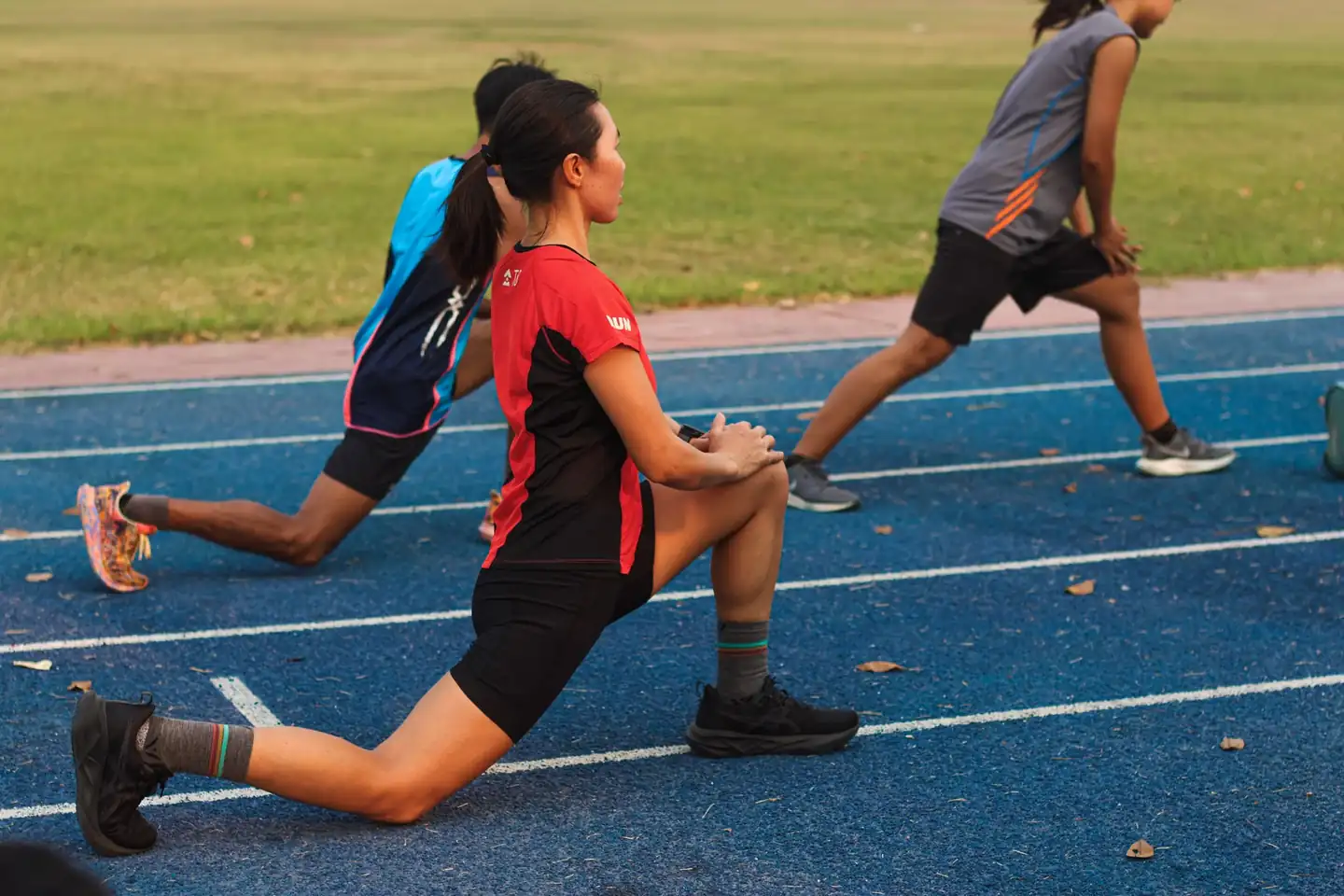
The leap from the first 5 kilometers to 10 is earned with patience, not heroics. For a beginner runner, the difference is not just about doubling the distance: the load on joints, tendons, and muscles changes, and the way you train changes too. The safest progression usually combines walking and jogging, keeps conversational paces, and respects rest periods that allow the effort to be absorbed.
In practice, many first-timers reach 5K in about 8 to 12 weeks and, from there, need another similar block to consolidate the 10K. The path is not usually linear or spectacular; it is more like climbing a staircase with wide steps, where each week adds a little more running time and a little less dependence on walking. That is the foundation of the plans that work best for beginners.
The realistic starting point for reaching your first kilometers
The useful reference is not ambition, but the starting point. There are people who have never run and others who can already hold 20 or 30 minutes straight. Both can end up at 5K or 10K, but not by the same route. The practical literature on recreational running and the most solid plans agree on something simple: the body handles gradual changes better than sudden leaps.
That is why the walk-run method remains such a relevant tool. Alternating minutes of easy jogging with short walks allows the heart, breathing, and legs to adapt without the feeling of being chased by a stopwatch. The initial goal is not to run fast, but to run with enough continuity to build an aerobic base.
For those starting from zero, beginning with two or three sessions a week is usually more sensible than jumping into training almost every day. Rest is not a reward or a sign of weakness; it is the quiet part of training where the body repairs micro-damage, strengthens tissues, and learns to better tolerate impact. Without that phase, beginner 5K or 10K plans quickly turn into a collection of aches.
How to build the 5K without forcing the body
The first 5 kilometers are built more through tolerance than speed. At the beginning, many runners make the same mistake: they run too fast in the first minutes and then pay the price with fatigue, breathlessness, or small overloads. The right pace at this stage is one that lets you speak in short sentences without getting into breathing debt.
A reasonable progression usually starts with blocks of 1 or 2 minutes of easy running and equal or slightly longer walking segments, gradually lengthening the jogging portion. As the weeks go by, walking almost disappears without you really noticing, and the body starts to sustain 20, 25, or 30 minutes continuously. At that threshold, 5K stops feeling like a wall and starts to look like a nearby distance.
Heart rate also helps make sense of the effort. In a gentle aerobic workout, an orientative zone for many beginners sits around 60% to 75% of maximum heart rate, although there is no need to obsess over the exact number if you are still learning to run. The most reliable signal remains perception: controlled breathing, a light stride, and the feeling that you could keep going a little longer.
From 5K to 10K: the transition that demands a cool head
Going from 5 to 10 kilometers is not about doubling the suffering, but reorganizing the load. Once there is a minimal base, the temptation is to add distance too quickly because the runner feels capable. That feeling is misleading. The cardiovascular system usually adapts before the tendons, calves, or plantar fascia, and that is where many avoidable aches begin.
The most sensible transition is to lengthen one session a week and keep the other two more contained. That way the body gets a clear stimulus, but not an avalanche. In practical terms, many beginner 10K plans work in 8-week blocks, with easy outings, one slightly longer run, and active recovery or rest days. You do not need much more to cover the distance well.
At this point, strength takes on a value that is often underestimated. Legs, glutes, core, and ankles support the economy of the movement. A runner who reaches 10K with a minimal strength base usually maintains posture better when fatigue appears, and that translates into less wobbling, less poorly distributed impact, and a more efficient stride. You do not need to think of elite gym work; it is enough to understand that running is also supported away from the asphalt.
Comfortable paces, heart rate, and the trap of running too fast
The most common mistake among beginners is confusing running with pushing hard. In a learning phase, going too fast breaks the session, raises fatigue, and reduces the ability to repeat quality workouts throughout the week. The result is paradoxical: you run harder one day, but progress less over the course of the month.
The practical recommendation is simple: base jogging should feel easy, even a little slow for the ego. In many cases, this means a pace where breathing stays steady and the runner can hold a conversation without excessive effort. If you need to slow down in order to complete the workout, slow down. Speed will come later as a consequence, not as an initial obsession.
Heart rate helps, but it does not rule on its own. A watch can guide you, though the body remains the main reference. Accumulated fatigue, heat, sleep, or a heavy work week all alter the physiological response. That is why the most reliable programs for beginner 5K or 10K runners combine metrics with subjective perception of effort: clean technique, comfortable breathing, and the ability to repeat the next day without dragging yourself along.
Technique matters more than it seems at the start
Basic, stable technique is worth more than a grandiose stride. In novice runners, the body often compensates with tense shoulders, messy arm movement, or excessive landing in front of the center of gravity. All of that seems small at first, but it builds up like sand inside a shoe: it does not stop you from continuing, but it makes every step uncomfortable.
The useful adjustments do not need drama. Eyes forward, shoulders relaxed, arms moving with the motion without crossing too much, and a foot strike that lands under the body, not too far ahead. The goal is to reduce braking and distribute impact better. Over short and middle distances, efficient technique not only improves sensations; it also helps conserve energy for the finish.
It is worth remembering that the movement changes when fatigue appears. A beginner runner may feel smooth in the first minutes and then become disorganized later. That is why, in 5K and 10K training, technique is not taught as an isolated class, but integrated into easy jogging, short coordination drills, and small strength blocks. Repetition does the rest.
What role strength and mobility play in a beginner plan
Strength is not a decorative add-on; it is part of prevention and progress. Strong glutes help stabilize the pelvis, calves absorb impact better, and the trunk supports posture when fatigue starts pulling you down. That physical base makes a very visible difference in runners who go from suffering at the end to finishing with a sense of control.
Mobility matters too, though without exaggerating its role. Stiff ankles, poorly available hips, or a very closed back make the runner compensate with clumsy movements. You do not need to turn every session into an endless technique class, but you should include simple exercises that wake the body up before running and organize it afterward. That routine, repeated consistently, is usually more effective than occasional big gestures.
In the world of beginner 5K or 10K runners, strength has another quiet benefit: it increases confidence. Someone who feels stability in the legs and control in the trunk usually handles progression better, because the effort stops feeling fragile. Training then stops being a lottery and becomes a more predictable sequence.
How long it takes to reach 5K and 10K
There is no universal number, but there are fairly consistent ranges. For a runner starting from zero, continuous 5 kilometers usually come within 8 to 12 weeks if they keep a reasonable routine without setbacks. For 10K, the usual horizon often extends another 6 to 10 weeks, depending on age, weight, prior experience in other sports, and how regularly they train.
It is important to understand that time measures not only physical condition; it also reflects real life. Sleeping badly for several days, an intense work week, or a knee ache can slow progress more than a poorly done session. That is why the best progress is not the fastest, but the one that holds up without long interruptions.
The beginner runner often discovers here a not-so-glamorous truth: moving fast and moving well rarely go together. Those who accept a progression measured in weeks rather than days end up going farther. The distance becomes less dramatic and training feels more like a habit than a survival test.
The minimum gear that really deserves attention
The right shoes matter more than any gadget. To start running, you do not need a technical arsenal, but you do need footwear that is comfortable, stable, and suited to the runner’s foot and weight. A shoe that is too hard or worn out can turn a correct workout into a small sequence of poorly tolerated impacts. In a starting process, that shows up quickly.
Breathable clothing that does not restrict movement also helps, though its role is more practical than heroic. And the watch, if there is one, should serve to organize pace, not enslave it. A beginner who checks it every few seconds usually loses connection with breathing and the terrain. Better to use technology as a compass, not as a permanent traffic light.
There is another simple detail that often changes the training day: choosing reasonable surfaces. Parks, flat paths, or routes without too much elevation favor the initial adaptation. Hills and abrupt terrain changes can add variety, yes, but also more mechanical load. At the start, less is more.
The mistakes that most hold back beginners
Too much enthusiasm causes more dropouts than lack of motivation. Going out too fast, training too many days in a row, ignoring persistent aches, or wanting to go from zero to 10K in a few weeks are shortcuts that usually end in a forced pause. The problem is not ambition; it is poor management of effort.
Comparison is harmful too. Every runner arrives with a different story, a different physical base, and a daily context that affects progress. A pace that feels comfortable for one person may be excessive for another. Measuring success by your neighbor’s metric is a pretty effective way to lose perspective.
The smaller mistakes, in reality, are cumulative: running every session a little faster than you should, skipping rest, or not adjusting progression when signs of fatigue appear. The body does give warnings, just not always with sharp pain. Sometimes it warns with heaviness, apathy, or that feeling that every outing costs a little more than the last.
How nutrition fits in without turning into a manual
For 5 and 10 kilometer distances, eating well matters more than eating complicated. You do not need a sophisticated nutrition strategy to begin. A sufficient energy base, proper hydration, and well-distributed everyday meals are usually enough to support training. The body does not need a laboratory; it needs consistency.
On easy, short outings, running with a relatively light stomach is usually more comfortable. If the workout is longer or happens in the afternoon, it is worth observing how each person responds to the meals beforehand. The difference between going out energized or going out heavy can depend on something as simple as lunch timing or an overly large dinner the night before.
Hydration deserves a separate mention. On hot days, especially in Spain and particularly in the Valencian Community, the perception of effort rises quickly. A workout that seems easy in March can become much harder in July. Adjusting schedules, intensity, and fluids is not a luxury; it is a basic way of respecting the context.
When it makes sense to repeat 5K and when to move on to 10K
Repeating 5K several times is not stagnation; it can be a smart decision. Consolidating the distance helps stabilize technique, build confidence, and reduce fear of effort. For many beginners, completing several continuous 5Ks before thinking about the next leap creates a much stronger base than moving forward by inertia.
The move to 10K makes sense when 5K no longer leaves an excessive hangover. If after a short race the body is wrecked or the next workout becomes impossible, there is still work to do on tolerance and recovery. On the other hand, if the distance is already handled normally, increasing volume has a better chance of going well.
In this process, it helps to look less at the final clock and more at the week as a whole. A beginner runner progresses when they can string together reasonable sessions, not when they sign off on a single epic outing. The 10K is more like a sum of days than a single great feat.
The logic of training to last, not just to finish a race
The real goal is not to finish once, but to keep running without breaking the routine. That idea, as simple as it is demanding, explains why the best beginner plans often look modest on the surface and effective in results. They protect the runner from their own enthusiasm and teach them to progress without burning out.
When you look at the process calmly, 5K or 10K stop being an intimidating boundary and become part of a broader path. The first challenge is to run; the second is to keep the habit. From there, improvement arrives the way the tide does: without noise, but with consistency.
Those who start well not only run farther, but run better for longer. And that, in running, is the kind of victory that truly changes your relationship with the sport. Not because it looks impressive in a photo, but because it lets you return to the park, the track, or the seafront promenade with fewer doubts and more skill.



How to prevent thigh chafing: causes and real solutions

Women’s running windbreakers: seven jackets and how to choose

Do more workouts get rid of soreness? A guide for runners

Jaén Half Marathon 2026: Record 3,800 Runners Registered

Men’s short running tights: how to choose the right pair

World Triathlon confirms data breach involving medical data

Izan Edo targets podium at Miyazaki World Cup

María Pérez ranks ninth in World Athletics’ 2026 top ten

Dos Santos, Duplantis and Sawe: World Athlete of the Year finalists

San Silvestre Vallecana 2026: 42,000 places, prices and start times

 Races3 months ago
Valencia Half Marathon 2027: date and registration

 Races3 months ago
Valencia Marathon 2026: entry, ballot and course

 Reviews and Comparisons4 months ago
Asics Gel-Roadmiles 3 for men: review and current price

 Reviews and Comparisons4 months ago
Asics Gel Sonoma 8 Gore-Tex: complete analysis for trail and rain

 Sneakers3 months ago
Saucony Endorphin Pro 4: full review and verdict

 News5 months ago
Strava API 2026: what changes for clubs, challenges and runner apps?

 Reviews and Comparisons5 months ago
Nike Alphafly 3: opinions, sensations, and real key points

 Reviews and Comparisons4 months ago
Under Armour running shoes review 2025-2026: models and key features

 Sports Equipment4 months ago
Shoe sizes in cm: a clear guide to getting the right fit for your footwear

 Sneakers3 months ago
Skechers GO RUN Consistent 2.0 analysis: comfort and limits

 News5 months ago
Valencia Marathon 2026 route: key tips to train and run better

 Sneakers4 months ago
Adidas Adizero Boston 13 for men: review and verdict