News
AI running apps: what they bring when the heat is on, with common sense
Smart running apps promise tailored plans, metrics, and automatic adjustments. That’s how they really stand out.

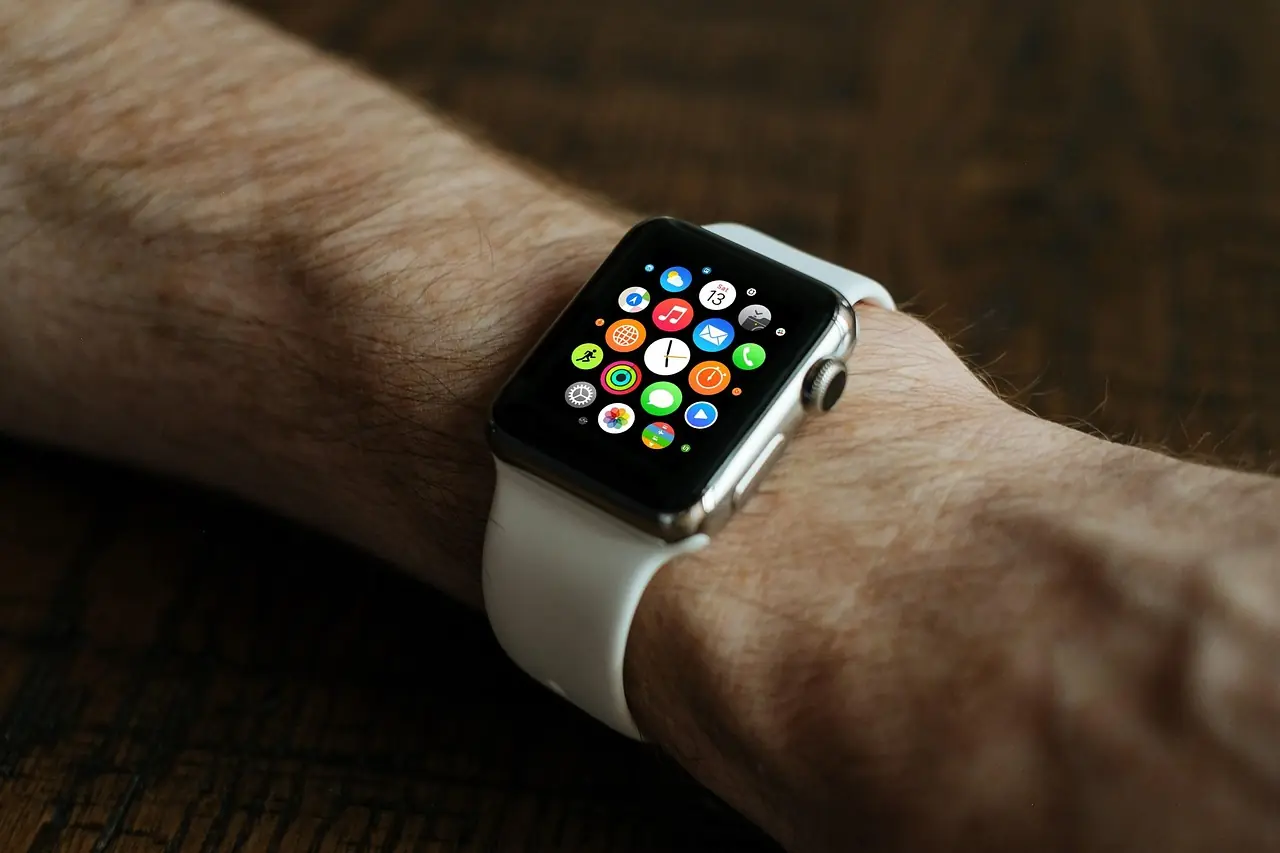
Imagen: fancycrave1 / Pixabay
AI running apps are no longer a lab curiosity or a simple marketing hook: in 2026 they have become a real tool for planning workouts, adjusting loads, and organizing the day-to-day life of the recreational runner. Their appeal lies in something very concrete, and not a minor thing: turning scattered data — paces, heart rates, fatigue, availability, recovery — into a plan that changes with the person and not the other way around.
The sector has evolved quickly. The most advanced platforms no longer limit themselves to logging runs or counting kilometers; now they interpret training load, suggest quality sessions, review fitness status and, in some cases, recalculate paces and rest on the fly. The result is an experience that feels more like having a continuous planning assistant than following a fixed chart stuck on the fridge.
What makes a smart running app different
The central difference lies in the way the application understands training. A conventional app can show your sessions and sync data; a platform with artificial intelligence tries to read the runner’s context. It doesn’t just look at what has been done, but also how it was done, what feeling it left behind, and how much recovery margin remains. That broader view is what makes it possible to adjust weekly volume, soften a hard session, or reorganize a long run when the body starts to accumulate fatigue.
In practice, this translates into less rigid plans. If one day the watch detects that heart rate shoots up more than usual at a pace that used to feel comfortable, the system may interpret that there is tiredness, heat, lack of rest, or a fitness level that hasn’t quite settled yet. AI does not replace human judgment, but it can better organize the chaos of variables surrounding any running plan, especially when the runner is juggling work, family, and changing schedules.
Competitors such as ONE, NXT RUN, or the next-generation proposals from RUNNEA start from a similar idea: the plan should not be an immovable block, but a living sequence. Some apps in this family focus on fatigue, others on weekly availability, and others on a combination of performance metrics, history, and race goals. All of them compete for the same promise: training with more structure and less improvisation.
What they usually measure and how they make decisions
The raw material for these platforms is becoming broader and broader. In addition to distance, pace, and time, many apps work with heart rate, training zones, load variability, user-reported sensations, and recovery data. On top of that come external factors such as surface type, elevation gain, or even the weather, something that already appears in some recent updates of apps focused on adaptive running.
With that set of signals, the system can make decisions that are quite useful for the everyday runner. If it detects a heavy week, it lowers the demand; if it sees good consistency, it increases the stimulus; if the person has stopped because of a niggle or the flu, it suggests a gradual return. In the latest versions on the market, post-session analysis also appears, with comments on what was completed versus what was planned, fitness trend, and volume evolution. The value is not only in recording, but in interpreting what has been recorded with a training logic.
There is an important detail: most of these apps work better when connected to a compatible sports watch. Garmin, Coros, Apple Health, or Wear OS-based systems keep appearing as key pieces. Without that flow of data, the supposed intelligence loses precision. Automation depends on the quality of the information, and in running that means continuity, consistency, and reliable data.
The features that generate the most interest among runners
The commercial promises tend to sound similar, but in practice there are four capabilities that draw the most attention. The first is the personalized plan, which adapts progression to the starting level and the goal, whether that is a 5K, a 10K, a half marathon, or a marathon. The second is dynamic adjustment, capable of modifying sessions without waiting for the runner to manually redo the entire calendar. The third is explaining why each workout exists, something that brings clarity and reduces the feeling of carrying out orders without context. The fourth is injury prevention through more sensible loads and strategic rest.
Daily support is also gaining weight. Some applications include check-ins, reminders, recovery comments, or a natural-language chat to solve basic doubts. That conversational layer does not turn the app into a human coach, but it does soften the friction of daily use. The experience becomes closer and less mechanical, something especially useful for those who get lost among paces, zones, and technical terminology.
Another booming area is strength planning and running technique. It is no longer just about running more or faster; several platforms include complementary sessions for stability, mobility, or specific work to make mechanics more solid. That shift matters because the recreational runner often overlooks the fact that improvement does not come only from the kilometer, but from the sum of stimulus, recovery, and a body prepared to tolerate it.
Price, subscription models, and what usually hides behind them
The market is moving between free formulas, short trials, and monthly or annual subscriptions. There are proposals advertised as free but that reserve advanced functions for payment, and others that offer a few days of access without a card, a fairly widespread practice to make entry easier. In a recent sector reference, an app with a smart training focus announced 7 free days without a credit card and a pricing structure in dollars of 14.99 per month, 77.99 per half-year, and 131.99 per year, while other alternatives on the App Store move in ranges from 9.99 euros per month to annual plans close to 199.99 euros.
The figure matters, but it does not explain everything. In many cases, the real difference between a basic app and a more complete one lies in the depth of the analysis, compatibility with watches, support for different distances, and the ability to chat or adjust automatically. Price does not always buy better training; sometimes it buys more layers of visualization, more AI models, or more convenience in the interface.
It is also worth looking at the language, availability by operating system, and data policy. Some applications work only in English, others require iOS 17 or Android compatible with Wear OS, and others still do not clearly detail their accessibility features. In a field where health data, sports history, and, at times, approximate location are handled, transparency stops being a minor detail and becomes part of the product.
What they bring compared with a generic plan from the old days
The most useful comparison is not with the ideal world, but with the old printed plan: the one that sets almost identical weeks, assumes everyone recovers the same way, and rarely takes real life into account. Against that, an AI app can adjust the session when the runner has not slept well, has had three straight days of intense work, or is carrying an overload. That elasticity reduces the risk of doing too much, a more common mistake than training too little among many amateurs.
In addition, the digital format allows for a more fluid relationship with progress. Trends are seen, not just isolated marks. It becomes clear whether consistency is improving, whether volume is rising too quickly, or whether speed is appearing at the expense of fatigue. When these alerts are presented clearly, the runner understands better what is happening in their preparation and stops running blind. The feeling of control changes completely.
Improvement does not always come in the form of a record. Sometimes it shows up in something less spectacular but more valuable: fewer niggles, more regularity, better tolerance of demanding weeks, and a calmer relationship with paces. In running, that continuity is gold. The best platforms know it and that is why they insist so much on smooth progression, recovery, and reading fatigue as the core of their proposal.
Where they shine and where they still fall short
These tools shine, above all, in three scenarios. The first is the runner who needs order without getting tangled up in spreadsheets. The second is the one who wants to prepare for a specific distance and would appreciate a structure that adapts to their schedule. The third is those who want to move beyond trial and error and take a step toward more measured training. AI adds value when it turns data into simple decisions.
But there are also limits. The first obstacle is the quality of the input information: if the user does not log their sessions properly, the algorithm works in fog. The second is dependence on the device and external connections. The third, less visible, is the tendency of some platforms to promise more than they actually solve. A generative model can answer questions or suggest paces, but that does not amount to complete expert supervision or a clinical assessment of injuries.
That is why the most honest message is not one of replacement, but of help. Some apps present AI as a coach available 24/7; others, as a kind of copilot that organizes, alerts, and suggests. Both views contain some truth. The difference is not confusing assistance with infallibility. Technology guides, but it does not eliminate the need for judgment.
How to recognize a serious proposal among so much hype
The first sign of reliability is usually in the details. A serious app explains what it measures, where it gets the data from, which watches it works with, and what kind of adjustment it applies to training. It also usually shows clearly whether the plan adapts by fatigue, pace, heart rate, or a combination of variables. When everything is wrapped in grandiose phrases without concrete explanation, the product loses credibility.
It also helps to look at how it handles privacy. The sector deals with sensitive information: health data, performance, approximate location, and even usage habits. Transparency about data processing, permissions, and identity links should be a basic requirement, not an appendix hidden at the end of the technical sheet. And in an app that promises intelligence, honesty about its limits is almost as important as the technology itself.
Another sign of seriousness lies in the product’s evolution. Recent updates to the most visible apps usually include improvements such as treadmill mode, new analysis dashboards, race prediction, comparison between planned and executed work, injury modes, or pace adjustments for indoor training. That pace of development points to a living category, with real competition. The market is moving fast, and that forces us to distinguish between useful innovation and mere digital cosmetics.
The place they occupy in today’s popular running scene
Smart applications are filling a gap that used to sit between the rigid plan and the personal coach, a very broad space in popular running. They do not replace experience, body awareness, or the runner’s common sense, but they do provide a layer of order that a few years ago was only available through more technical tools or much more expensive services. Their strength lies in democratizing part of the method.
The other big reason for their growth is cultural. Today’s runner wants to understand what they do, why they do it, and what effect it has on their fitness. They want less magic and more practical evidence. They want to avoid injuries, yes, but also to know when to rest without guilt and when to push with purpose. AI running apps fit well with that mindset because they turn preparation into a readable process, almost as if training stopped being a black box.
The sector’s next step will probably not be just more intelligence, but better-explained intelligence. Fewer abstract promises and more useful reading of load, recovery, and consistency. In that scenario, the platforms that combine precision, clarity, and prudence will win. The race is not won by the loudest technology, but by the one that helps you train with judgment, on time, and without excess.
A market that is already asking for less hype and more precision
The recreational runner is sharpening their radar. A pretty interface, a dashboard full of graphs, or the artificial intelligence label on the cover is no longer enough. What is beginning to prevail is a more mature demand: that the app propose coherent workouts, explain changes, respect recovery, and not turn every week into a gamble. Real usefulness is measured in continuity, not in slogans.
That is why the rise of these platforms says as much about the product as it does about the user. Popular running has become more demanding, better informed, and more selective. It wants tools that save time, reduce doubts, and allow training with a finer logic. In that board, smart apps have room to grow, as long as they do not lose the prudence that makes any good plan believable: progress, listen to the body, and adjust when needed. That, in the end, is still the most human part of the algorithm.
Este artículo contiene enlaces de afiliado: si compras a través de ellos, se genera una pequeña comisión sin coste adicional para ti. Más información.



How to prevent thigh chafing: causes and real solutions

Women’s running windbreakers: seven jackets and how to choose

Do more workouts get rid of soreness? A guide for runners

Jaén Half Marathon 2026: Record 3,800 Runners Registered

Men’s short running tights: how to choose the right pair

World Triathlon confirms data breach involving medical data

Izan Edo targets podium at Miyazaki World Cup

María Pérez ranks ninth in World Athletics’ 2026 top ten

Dos Santos, Duplantis and Sawe: World Athlete of the Year finalists

San Silvestre Vallecana 2026: 42,000 places, prices and start times

 Races4 months ago
Valencia Half Marathon 2027: date and registration

 Races4 months ago
Valencia Marathon 2026: entry, ballot and course

 Reviews and Comparisons4 months ago
Asics Gel-Roadmiles 3 for men: review and current price

 Reviews and Comparisons4 months ago
Asics Gel Sonoma 8 Gore-Tex: complete analysis for trail and rain

 Sneakers4 months ago
Saucony Endorphin Pro 4: full review and verdict

 News5 months ago
Strava API 2026: what changes for clubs, challenges and runner apps?

 Reviews and Comparisons5 months ago
Nike Alphafly 3: opinions, sensations, and real key points

 Reviews and Comparisons4 months ago
Under Armour running shoes review 2025-2026: models and key features

 Sports Equipment4 months ago
Shoe sizes in cm: a clear guide to getting the right fit for your footwear

 Sneakers3 months ago
Skechers GO RUN Consistent 2.0 analysis: comfort and limits

 News5 months ago
Valencia Marathon 2026 route: key tips to train and run better

 Sneakers4 months ago
Adidas Adizero Boston 13 for men: review and verdict