News
Cáceres Half Marathon 2025: route, start, and key details
An urban circuit among monuments, avenues, and Plaza Mayor as the decisive point.

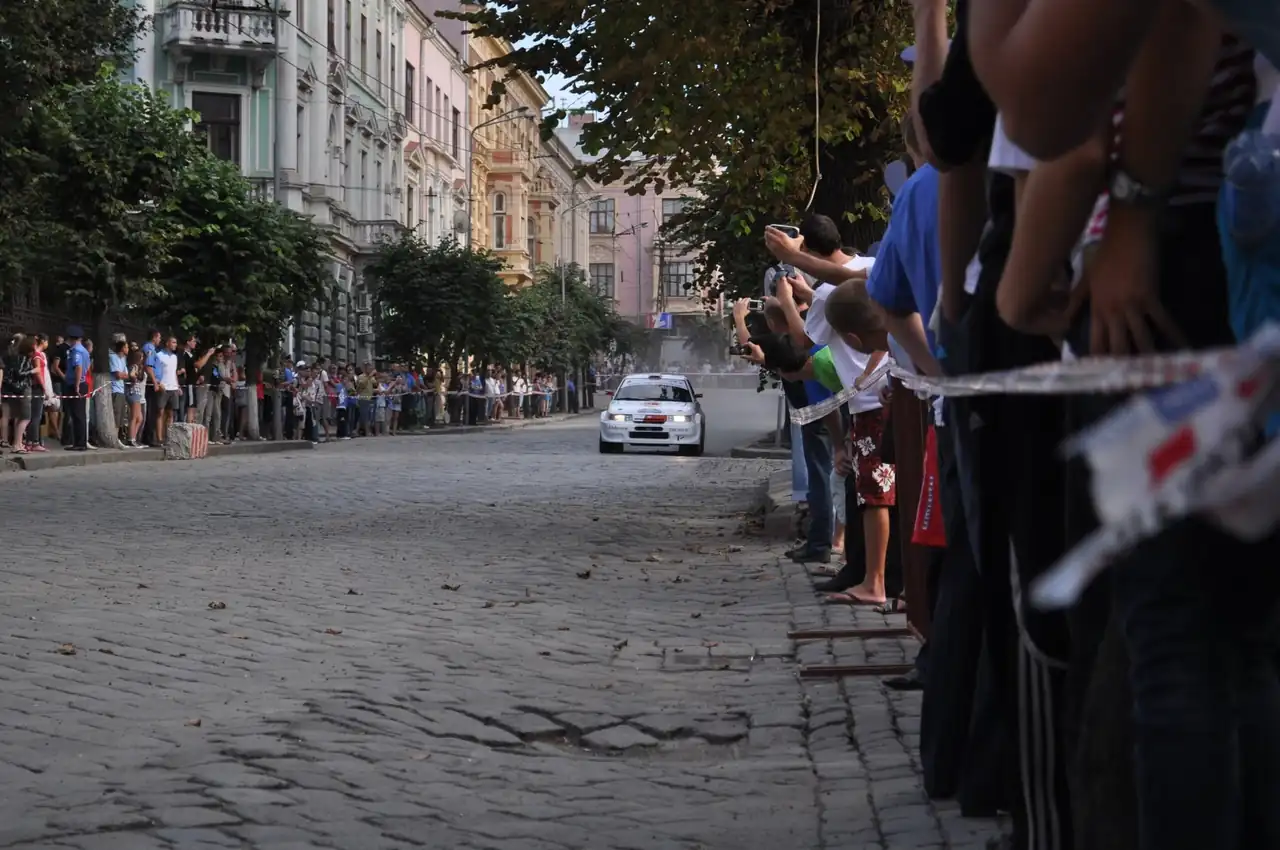
The 2025 Cáceres half marathon once again drew a route that is very recognizable to runners: an urban circuit with the start and finish in Plaza Mayor, passing through the historic old town and with a constant presence of the monumental landscape that makes this race so distinctive. The edition held on May 17, with the start at 7:00 p.m., retained the essence of a race that cannot be understood without its narrow streets, its turns visible to the public, and the feeling of running within a living city.
The 21-kilometer course was run on asphalt and with virtually no elevation gain, a combination that, on paper, favors those looking for a steady pace and clear references. The organizers also confirmed an alternative distance of 10.5 kilometers, a relay for the half marathon, and children’s races, so the event maintained that broad character that brings together endurance runners, first-timers, and families in the same afternoon of popular athletics.
An urban circuit with Plaza Mayor as its axis
Plaza Mayor served as the logistical and emotional heart of the race. The start was given there and the finish line was also located there, a choice that multiplies the event’s visibility and concentrates the atmosphere in one of Cáceres’ most recognizable spaces. For the runner, that decision changes how the effort is perceived: it is not just about accumulating kilometers, but about returning again and again to the same setting, which acts as a mental marker.
The route ran through the town’s most emblematic streets, with the historic heritage as a backdrop. That condition is not just a tourist embellishment. In an urban race, geography sets the pace: narrow streets, squares, straightaways, and changes of direction alter the cadence and require better management of the stride. Cáceres offers precisely this kind of course, one that demands constant attention but without the harsh climbs that wear down the legs.
The most repeated image of this half marathon is that of a monumental city turned into a circuit, with runners advancing among stone, historic façades, and a crowd that gathers at the most visible points. That mix of sport and heritage explains why the route carries so much weight in the pre-race conversation: what matters is not only how much is run, but where it is run and how each section feels.
What the course profile brings to the runner
The most relevant fact for anyone looking at the course competitively is the 0-meter elevation gain. In practice, that suggests a course very favorable for maintaining pace and for comparing times more cleanly than on rolling routes. The certified race label reinforces that reading, as it indicates that the distance and design are calibrated according to official criteria.
In a half marathon like this, the race is decided less by the ability to go uphill or downhill and more by effort management. The evening start also brings milder temperatures than the spring morning events, something many endurance runners appreciate if the day is hot. Even so, the start time does not eliminate the need to pace yourself: a half marathon with urban streets and continuous turns punishes improvisation more than discipline.
The maximum cutoff time also matters, set at 2 hours and 30 minutes for the main distance. That margin structures the race pace and places the level of demand at a point accessible to a wide range of participants. In the 10.5-kilometer event, the limit was 2 hours, a more relaxed reference that confirms the popular spirit of the day.
The distances and the distribution of participants
The 2025 edition was not limited to the full half marathon. The program also included the 10.5-kilometer distance and children’s races, in addition to the relay format in the half marathon. That arrangement turns the event into a very varied afternoon, where experienced runners, beginners, and children coexist as they approach athletics from a playful, non-competitive perspective.
The 21-kilometer half marathon brought together participants looking for a long, sustained effort, while the 10.5 kilometers offered a more accessible entry point. In the logic of an urban race, that dual offering broadens the reach of the event and prevents the course from feeling like territory reserved only for specialists. Cáceres opted for a flexible format, but without diluting the identity of a major endurance race.
The children’s races completed the picture with short distances and very specific age groups, from the youngest category to the under-14 category. That presence of minors, far from being an accessory element, helps explain the social dimension of the day: the event is not only about times and bib numbers, but also about passing on sporting habits in a festive environment.
Historic streets, race rhythm, and visibility for the public
One of the features that most distinguishes this route is its direct relationship with the historic old town. Running through the monumental center of Cáceres means crossing spaces where the city seems to contract and open up at the same time, with sections that invite you to look around and others that force you to focus only on your legs. That alternation makes the course more visual than linear, more narrative than mechanical.
In previous editions, the circuit had already incorporated changes to make it more spectacular and visible, with passages designed so the public can see the runners several times near Plaza Mayor. That logic remains one of the keys to the urban design: it is not just about moving hundreds of people over thousands of meters, but about creating an experience in which the runner feels the race close to the crowd and the crowd feels the race inside the city.
For those looking for a good time, this kind of route offers an interesting paradox: it is visually striking and very stimulating, but it also requires patience at the tightest points. An urban half marathon with turns, street changes, and monumental surroundings demands extra mental effort, because each section seems different and every change of scenery breaks the monotony. That is a big part of its appeal.
Refreshment stations, services, and the practical logic of the race
The race had liquid refreshments, but no solid ones, a common setup in endurance events of this type. That decision means runners have to plan hydration more carefully, especially over a 21-kilometer distance where the body starts to feel the accumulation of effort before the finish. In an evening half marathon, drinking just enough and not overloading is almost as important as the initial pace.
The organizers also provided a baggage storage service, cash prizes, and competition by categories, three elements that reinforce the classic structure of a major popular race. The baggage service makes things easier for those who arrive early and need to leave belongings without complications; the prizes and categories, meanwhile, add competitive order and recognition at different performance levels.
That set of services shows a race designed to support volume and variety. It is not just a race for elite athletes, nor merely an urban outing. It sits in a very typical middle ground in contemporary Spanish running: enough sporting ambition to attract demanding runners, and enough openness to include those tackling their first half marathon or a shorter distance.
How this course is read from race strategy
The asphalt, flat profile, and certification suggest a fast circuit, although actual speed always depends on the flow of participants, the turns, and the ability to stabilize pace. In urban races like this one, the great enemy is usually not the difficulty of the terrain, but the sum of small interruptions: a narrow passage, a tight corner, a pace change that comes too soon.
That is why the Cáceres half marathon lends itself well to a conservative approach in the first kilometers and a more ambitious one once the runner understands how the course behaves. The start in Plaza Mayor introduces a very visible, almost ceremonial point of tension, but the race is won by managing the effort afterward, when the body begins to measure every meter and the city becomes an irregular metronome.
The absence of major climbs does not turn the course into a formality. It makes it more honest. On a flat circuit, sensations matter more and margins for error are smaller, because there are no hills to hide a poor strategy or descents to offset a too-enthusiastic start. Cáceres rewards consistency, a cool head, and a fine reading of pace.
A race that blends athletics, city, and heritage
The identity of this half marathon is closely tied to the symbolic value of its setting. Cáceres, declared a World Heritage Site, offers a backdrop that turns every step into a recognizable image. It is not an anonymous circuit drawn only to complete kilometers, but a route that relies on the city’s visible history and makes it part of the sporting experience.
That condition even affects those who are not racing for a time. Some runners remember these events for the clock and others for the atmosphere. In Cáceres, the weight of the monumental setting tips the balance toward the latter without diminishing the appeal of the former. The race has athletic prestige, but also an urban narrative that sets it apart from many conventional half marathons.
The result is a route with its own personality: fast enough to attract those seeking performance, beautiful enough to appeal to those who run for the experience, and broad enough to include different distances. That combination explains why the 2025 itinerary drew so much attention from running enthusiasts and recreational runners.
A circuit that leaves its mark beyond the finish line
At its core, the route of the 2025 Cáceres half marathon works as a calling card for the city. Plaza Mayor, the monumental streets, the wider avenues, and the return to the center form a sequence that is part solemn walk and part sporting test. The runner does not just complete 21 kilometers; they also cross a condensed map of the city.
That is why this event is interesting even to those who are not going to race it. The route helps explain the kind of experience it offers: urban, technically accessible, symbolically rich, and clear in its references. Rarely does a course so well summarize the balance between heritage and competition, between the pulse of a city and the discipline of a stopwatch.
In a season full of half marathons, Cáceres retains a hard-to-copy trait: it makes the course not just a support for the race, but an essential part of its memory. And in that detail, simple to explain and difficult to replicate, lies much of its value.
You may also like: Mérida Half Marathon: route, key points and the history of the race.



How to prevent thigh chafing: causes and real solutions

Women’s running windbreakers: seven jackets and how to choose

Do more workouts get rid of soreness? A guide for runners

Jaén Half Marathon 2026: Record 3,800 Runners Registered

Men’s short running tights: how to choose the right pair

World Triathlon confirms data breach involving medical data

Izan Edo targets podium at Miyazaki World Cup

María Pérez ranks ninth in World Athletics’ 2026 top ten

Dos Santos, Duplantis and Sawe: World Athlete of the Year finalists

San Silvestre Vallecana 2026: 42,000 places, prices and start times

 Races3 months ago
Valencia Half Marathon 2027: date and registration

 Races3 months ago
Valencia Marathon 2026: entry, ballot and course

 Reviews and Comparisons4 months ago
Asics Gel-Roadmiles 3 for men: review and current price

 Reviews and Comparisons4 months ago
Asics Gel Sonoma 8 Gore-Tex: complete analysis for trail and rain

 Sneakers3 months ago
Saucony Endorphin Pro 4: full review and verdict

 News5 months ago
Strava API 2026: what changes for clubs, challenges and runner apps?

 Reviews and Comparisons5 months ago
Nike Alphafly 3: opinions, sensations, and real key points

 Reviews and Comparisons4 months ago
Under Armour running shoes review 2025-2026: models and key features

 Sports Equipment4 months ago
Shoe sizes in cm: a clear guide to getting the right fit for your footwear

 Sneakers3 months ago
Skechers GO RUN Consistent 2.0 analysis: comfort and limits

 News5 months ago
Valencia Marathon 2026 route: key tips to train and run better

 Sneakers4 months ago
Adidas Adizero Boston 13 for men: review and verdict