Races
Mérida Half Marathon: route, key points and the history of the race
The race in Mérida combines speed, Roman heritage, and a very appealing course for running through the city.

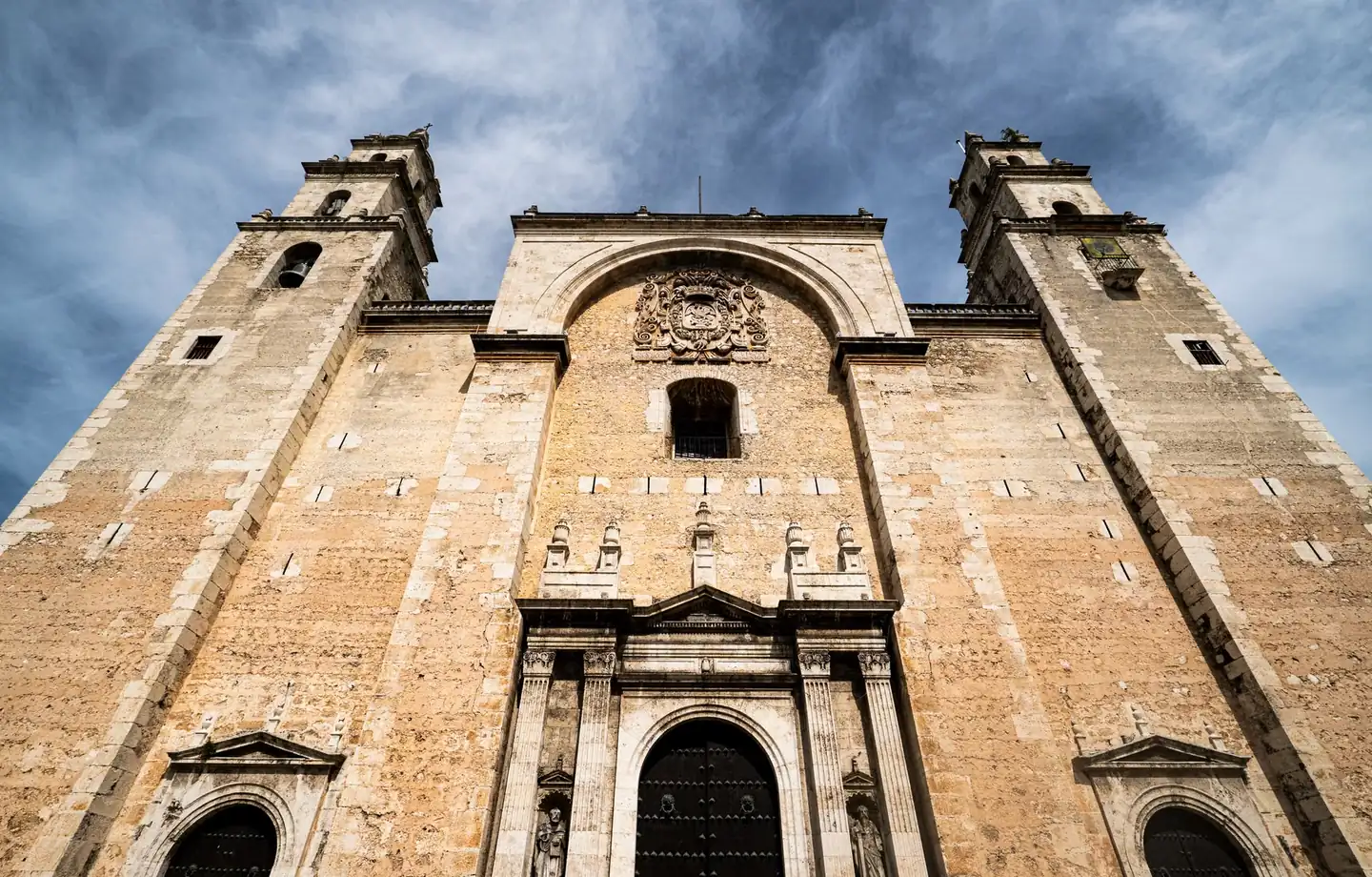
The Mérida half marathon has established itself as one of the most recognizable events on the popular race calendar in Extremadura for a reason as simple as it is powerful: it runs between stone, history, and fast asphalt. The city offers a setting that is hard to match, with an urban course that puts its Roman heritage front and center and a race atmosphere that blends sport, tourism, and a very marked local identity.
The 2027 edition keeps that underlying idea: a 21.097-kilometer race in a city where the runner not only competes, but moves through a monumental backdrop. That balance between challenge and beauty explains much of its appeal, both for those looking for a time and for those who want an experience different from that of a conventional urban circuit.
A race where heritage is also part of the bib
In Mérida, the course is not just a technical formality. Every street adds context, and passing through the city leaves a very specific feeling: that of running inside a living postcard. The capital of Extremadura, a World Heritage site, turns the half marathon into a race with its own personality, where the visual component weighs almost as much as the clock for many participants.
That scenic value is not decorative. It influences the perception of effort, the way the kilometers are experienced, and even the memory the race leaves behind. There are cities you run through; Mérida, instead, is interpreted while you run. The monuments, the urban layout, and the atmosphere of a city used to living with its Roman past create a different experience, more narrative, more complete.
The middle distance also fits this kind of setting very well. The 21 kilometers let you enjoy the city without the logistical and physical harshness of a full marathon. The runner can hold a serious pace, take advantage of the relative brevity of the effort, and at the same time leave room to notice details of the route that in a longer race would be lost between fatigue and concentration.
The appeal of 21.097 kilometers in a Roman city
The half marathon distance has something of a sweet spot about it, and Mérida makes better use of it than many venues. It is neither a short race nor an extreme adventure; it is a recognizable threshold for popular runners who already have a certain aerobic base and want to test themselves over a distance with real weight. The city, for its part, provides the ideal frame for that contained ambition.
The urban course favors a fairly steady pace and a clear reading of effort. In this kind of race, the layout is often just as important as the elevation profile, because it determines where you can run comfortably, where you can speed up, and where it is wise to hold back. Mérida benefits from a profile that, in general terms, invites you to think of a fast race, one of those that lets you go out with a defined strategy and not improvise at every turn.
The combination of distance and city also explains why this event attracts a wide range of profiles. Some come looking for a personal best, others want to complete a half marathon calendar, and others simply want to run in a setting with historical weight. The same race allows several readings, and that is a big part of its editorial and sporting strength.
A course that rewards effort management
The available data place the race as a road race, in the city, with a single 21-kilometer loop. That structure usually translates into a very specific experience for the runner: less uncertainty, more visual reference, and a clearer relationship between pace and sensations. When an urban circuit is organized with a single lap or with a less fragmented layout, tactical reading improves and effort becomes more predictable.
Managing the intermediate kilometers becomes especially important in a half marathon like this. The runner usually has no room for reckless accelerations, but can maintain a solid pace if they settle into the race well and avoid spending too much too early. In urban races with heritage and wide streets, consistency is usually the best ally, because sudden changes of pace end up taking their toll in the second half.
In a city like Mérida, moreover, the psychological factor has its own weight. The monumental surroundings help keep attention focused, but they can also make the first kilometers feel deceptively easy. The classic mistake is to get carried away by the emotion of the place and go out above the planned pace. In a half marathon, that bill comes due sooner than it seems.
What Mérida brings compared with other urban half marathons
Many urban races compete with one another on speed, participation, or visibility. Mérida plays a different card: the uniqueness of the setting. It is not just about running 21 kilometers, but about doing it in a city where heritage is not viewed from the outside, but integrated into the runner’s experience. That nuance completely changes the perception of the event.
The race thus emerges as a sporting and cultural product at the same time. For the popular runner, that means stepping away from the repeated logic of avenues and industrial estates, and entering a richer narrative. The effort is still the same, of course, but the landscape changes the memory. And in running, memory matters: it is what turns a decent race into one the participant wants to repeat.
There is also competitive value. Well-designed urban half marathons tend to attract runners of different levels because they offer a fair distance to measure yourself without overreaching. Mérida fits that idea because of its scale, its setting, and the feeling of a serious but accessible race, a formula that still works in the Spanish calendar.
Registration, outlook, and what is worth keeping in mind
The reference information places the next edition in April 2027, although without a confirmed exact date in the available data. That time window places the race in a favorable period for running in Extremadura, with temperatures generally milder than in the height of summer and weather that, in principle, can favor steadier paces than on hotter days.
In urban races of this profile, registration usually fills up well in advance because the appeal of the course and the race’s reputation generate demand. The reference does not provide either the price or the exact registration status, so the prudent thing is to stick to what is confirmed: the race exists, it is scheduled for spring 2027, and it retains its status as a road half marathon in the capital of Extremadura.
The logistics of a half marathon are not limited to running. Accommodation, access to the start area, bib pickup time, and how to get around the city that weekend also matter. In a tourist venue like Mérida, those details matter especially, because the runner shares space with visitors and with a city that lives its heritage intensely.
The profile of the runner who fits this event best
Not every half marathon suits the same type of participant. Mérida seems especially well suited to those looking for a race with a balance between pace and atmosphere. The runner who enjoys urban races with history will find a very rewarding setting here; the one chasing a personal best may also see the course as an interesting opportunity if they manage the opening pace well.
This distance is often, for many, the most honest on the calendar. It demands preparation, but it does not require the all-consuming planning of a marathon. It allows you to compete seriously, gauge your fitness, and finish with the feeling of a job well done. That is exactly the ground where Mérida gains value: a race demanding enough to be memorable, and human enough not to become excessive.
The half marathon also has something of a sporting barometer about it. Those who arrive prepared usually quickly notice whether training has been solid, whether threshold pace is settled, and whether endurance holds up well in the final stretch. In a city like Mérida, that test also takes place in an environment that multiplies the sense of occasion, not just competition.
Why 21 kilometers still work so well on the Spanish calendar
The half marathon has stood the test of time because it resolves a basic tension in running: it offers a real challenge without demanding the total commitment of a marathon. The 21.097 kilometers are a consensus distance for those who want to compete, those who want to enjoy themselves, and those looking for an intermediate goal in their progression as runners.
Mérida benefits from that logic with a clear extra edge. It is not just any half marathon in just any setting. It is a race that connects sport with a city that invites you to look around. That quality sets it apart from more functional races and places it in an attractive spot for the runner who values both the result and the experience.
In addition, the half marathon retains a practical advantage over longer distances: it allows a season to be built around several goals, because recovery is usually more manageable and the wear and tear, although real, does not affect the rest of the calendar as much. That opens the door to repeating, improving, and finding continuity without turning running into a survival exercise.
A race that tests the legs, but also memory
The Mérida half marathon is not understood only by its distance or its technical details. It is understood by the way it links sport and city. The finish line does not merely close a 21-kilometer effort; it also leaves an image etched in the runner’s mind. And in an era when many races look too much alike, that detail makes a notable difference.
The real appeal of the race lies in that combination of factors: an urban course, a monumental setting, a classic distance, and a city that brings its own character. That is why it continues to generate interest among popular runners and why its name still carries weight on the calendar. There is no need to exaggerate its difficulty or embellish its history to understand its value: it is enough to look at the city and think about how it is run through.
On the Spanish running map, Mérida occupies a singular place. Its 21 kilometers are not only a test of endurance; they are also a way of crossing time at stride pace. And few races can say the same with such naturalness.
Where to stay in Mérida
Hotels available 30 March – 2 April 2027.
Affiliate links: if you book through this map we earn a commission, at no extra cost to you.



How to prevent thigh chafing: causes and real solutions

Women’s running windbreakers: seven jackets and how to choose

Do more workouts get rid of soreness? A guide for runners

Jaén Half Marathon 2026: Record 3,800 Runners Registered

Men’s short running tights: how to choose the right pair

World Triathlon confirms data breach involving medical data

Izan Edo targets podium at Miyazaki World Cup

María Pérez ranks ninth in World Athletics’ 2026 top ten

Dos Santos, Duplantis and Sawe: World Athlete of the Year finalists

San Silvestre Vallecana 2026: 42,000 places, prices and start times

 Races3 months ago
Valencia Half Marathon 2027: date and registration

 Races3 months ago
Valencia Marathon 2026: entry, ballot and course

 Reviews and Comparisons4 months ago
Asics Gel-Roadmiles 3 for men: review and current price

 Reviews and Comparisons4 months ago
Asics Gel Sonoma 8 Gore-Tex: complete analysis for trail and rain

 Sneakers3 months ago
Saucony Endorphin Pro 4: full review and verdict

 News5 months ago
Strava API 2026: what changes for clubs, challenges and runner apps?

 Reviews and Comparisons5 months ago
Nike Alphafly 3: opinions, sensations, and real key points

 Reviews and Comparisons4 months ago
Under Armour running shoes review 2025-2026: models and key features

 Sports Equipment4 months ago
Shoe sizes in cm: a clear guide to getting the right fit for your footwear

 Sneakers3 months ago
Skechers GO RUN Consistent 2.0 analysis: comfort and limits

 News5 months ago
Valencia Marathon 2026 route: key tips to train and run better

 Sneakers4 months ago
Adidas Adizero Boston 13 for men: review and verdict