News
Hip Pain When Running: A Helpful Guide for Runners with Practical Tips
Hip discomfort when running often points to overload, poor mechanics, or an injury. Here are the key clues to help you interpret it.

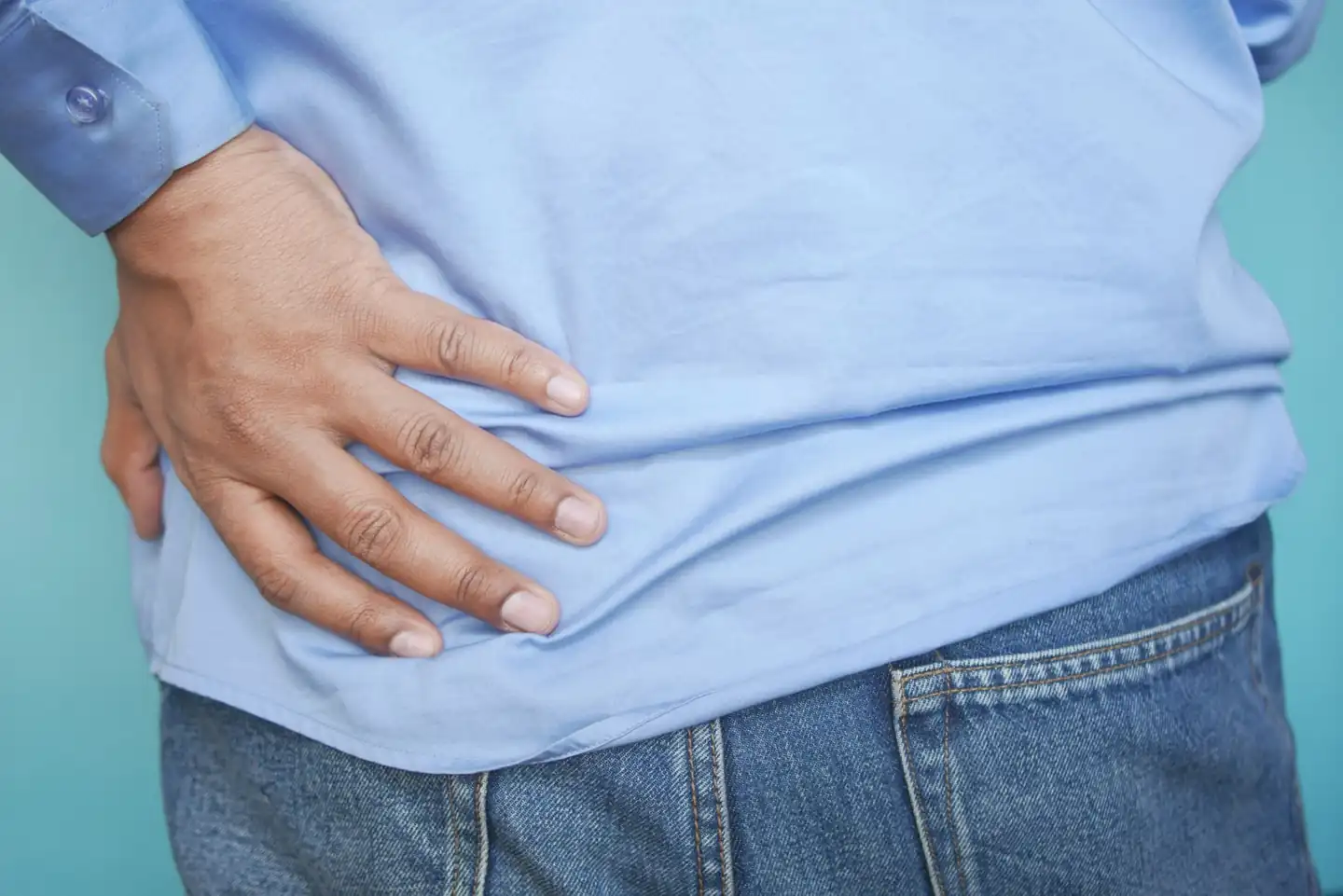
Hip Pain When Running: A Useful Guide for Runners with Practical Tips
Hip pain when running rarely appears by chance or coincidence. It is usually the visible consequence of a movement repeated thousands of times, a poorly managed load, or a joint receiving more strain than it can absorb. In younger runners, the causes are often related to mechanical conflicts or repeated overuse; in more experienced runners, joint wear and a lack of stabilizing strength become more significant.
The location of the pain is essential for identifying the source of the problem. Some runners feel it in the groin or inner hip area, which often points to the joint itself, the cartilage, the labrum, or the tendons surrounding it. In others, the pain appears on the outside, over the greater trochanter, along the outer edge of the thigh, in the glutes, or even at the base of the back. This geography helps distinguish problems that may look similar from the outside but have different origins.
Where Does It Hurt and What Does It Mean?
Groin or Inner Hip Pain
Groin pain often indicates an intra-articular problem, such as femoroacetabular impingement, labral tears, athletic pubalgia, or adductor injuries. Femoroacetabular impingement causes abnormal rubbing between the femur and pelvis, which can irritate the cartilage and damage the labrum, a ring of fibrocartilage that stabilizes the joint. Symptoms may include deep pain, a feeling of locking, clicking, and stiffness, especially when flexing the hip or performing movements such as tying your shoelaces or sitting for a long time.
Pain on the Outside of the Hip
When the pain is located on the outer side, over the greater trochanter or the outer edge of the thigh, the source is usually found in soft tissues such as bursae, fascia, tendons, or stabilizing muscles. The most common injuries in this area are trochanteric bursitis and tendinopathies of the gluteus medius and gluteus minimus. Bursitis causes sharp, localized pain that worsens when lying on the affected side or after prolonged exertion, while tendinopathy often begins as mild discomfort or stiffness that can become persistent if left untreated.
Radiating Pain and Associated Symptoms
The hip, pelvis, and lower back work as an integrated system. For this reason, a hip injury may be accompanied by lower-back stiffness, knee discomfort, or a shorter, more cautious stride, as if the body were negotiating with every impact to avoid aggravating the problem. There may also be pain in the buttock or posterior area, which may be related to the spine or pelvis.
Main Causes of Hip Pain When Running
Overuse and Repeated Overloading
The most common cause is muscular and joint overload resulting from a rapid or poorly managed increase in training volume and intensity. Introducing intervals, hills, or long runs without enough transition time, or accumulating hard sessions without recovery, inflames tendons, irritates bursae, and places excessive demands on the muscles that stabilize the pelvis. The hip absorbs a large part of the force transfer with every foot strike, so it is common for it to be one of the first joints to complain.
Common Associated Injuries
- Trochanteric bursitis: diffuse pain on the outer side, tenderness to the touch, and worsening symptoms when lying on the side or after exertion.
- Gluteal tendinopathies: discomfort when starting an activity, stiffness, and progressive pain that limits function.
- Femoroacetabular impingement and labral injuries: groin pain, a feeling of locking or clicking, and stiffness.
- Stress fractures: increasing pain that does not improve with usual rest and may affect walking mechanics; they require urgent medical assessment.
- Muscle strains: pain when starting to run or while warming up, which may improve temporarily but indicates overload.
Joint Wear and Osteoarthritis
Hip osteoarthritis is not an inevitable consequence of running, but it can progress more quickly in hips predisposed by abnormal bone shapes, previous injuries, or poor joint congruence. The pain is usually felt in the groin, buttock, or thigh, accompanied by a progressive loss of mobility, morning stiffness, and, in advanced stages, limping or cracking sounds. In these cases, it is advisable to adapt activity toward low-impact exercises such as cycling or swimming, and to strengthen the muscles in order to support joint function.
Biomechanics, Strength, and Fatigue: The Decisive Triangle
Running technique and the strength of the core and muscles that stabilize the pelvis are key elements in preventing and treating hip pain. A weak gluteus medius, an inefficient core, or a cadence that is too low can encourage the knee to collapse inward, cause the pelvis to sway excessively, and make the hip work through a harmful range of motion. The body compensates, but compensation does not always solve the problem and may shift it to other areas.
Technical fatigue at the end of sessions or on higher-intensity days is an overlooked factor that explains many aches and pains. Mobility also plays an important role, but it is not always a matter of stretching more; sometimes the body needs greater strength and improved motor control to maintain an appropriate range of motion and respect irritated tissues.
Equipment and Terrain: Influencing Factors
Running shoes influence the load placed on the hip, but they cannot work miracles. Worn-out, unstable, or unsuitable footwear for your foot type and body weight can increase tension, especially on hard surfaces such as asphalt or concrete. Replacing your shoes regularly, between 500 and 800 kilometers, is recommended to prevent excessive wear from affecting your mechanics.
Terrain also changes the load. Always running on the same side of a sloped sidewalk or on routes with a camber creates an imbalance in the load placed on each hip. It is the constant repetition of the same movement and angle that causes the most strain, not moderate variation. Alternating surfaces without making abrupt changes can help reduce accumulated pressure.
Pain During and After Running: What It Tells Us
Pain that appears while running can have different causes and varying degrees of severity. However, pain that develops after running, when the adrenaline wears off and the body stops hiding it, is often more revealing. It may present as stiffness, sharp twinges, or tightness and usually indicates a problem that should not be normalized.
When the pain begins can help guide the diagnosis. Pain that appears immediately after starting and eases with warming up may be related to strains or tendinopathies. On the other hand, pain that increases with impact and does not improve with usual rest requires stress fractures or more serious injuries to be ruled out.
Prevention and Recovery
Recovering from hip pain as a runner should be based on strength and mobility work, not prolonged rest. Properly dosed isometric exercises help restore tolerance, while neuromuscular training improves technique and movement control. Prevention is based on:
- Increasing the training load progressively and in a controlled manner.
- Strengthening the glutes, core, and stabilizing muscles.
- Improving running technique and maintaining an appropriate cadence.
- Varying surfaces and paying attention to your footwear.
- Not ignoring recurring pain or confusing it with normal fatigue.



How to prevent thigh chafing: causes and real solutions

Women’s running windbreakers: seven jackets and how to choose

Do more workouts get rid of soreness? A guide for runners

Jaén Half Marathon 2026: Record 3,800 Runners Registered

Men’s short running tights: how to choose the right pair

World Triathlon confirms data breach involving medical data

Izan Edo targets podium at Miyazaki World Cup

María Pérez ranks ninth in World Athletics’ 2026 top ten

Dos Santos, Duplantis and Sawe: World Athlete of the Year finalists

San Silvestre Vallecana 2026: 42,000 places, prices and start times

 Races3 months ago
Valencia Half Marathon 2027: date and registration

 Races3 months ago
Valencia Marathon 2026: entry, ballot and course

 Reviews and Comparisons4 months ago
Asics Gel-Roadmiles 3 for men: review and current price

 Reviews and Comparisons4 months ago
Asics Gel Sonoma 8 Gore-Tex: complete analysis for trail and rain

 Sneakers3 months ago
Saucony Endorphin Pro 4: full review and verdict

 News5 months ago
Strava API 2026: what changes for clubs, challenges and runner apps?

 Reviews and Comparisons5 months ago
Nike Alphafly 3: opinions, sensations, and real key points

 Reviews and Comparisons4 months ago
Under Armour running shoes review 2025-2026: models and key features

 Sports Equipment4 months ago
Shoe sizes in cm: a clear guide to getting the right fit for your footwear

 Sneakers3 months ago
Skechers GO RUN Consistent 2.0 analysis: comfort and limits

 News5 months ago
Valencia Marathon 2026 route: key tips to train and run better

 Sneakers4 months ago
Adidas Adizero Boston 13 for men: review and verdict