News
Knee Pain When Running: Key Tips for Running Injury-Free
Knee discomfort when running can range from mild overuse to a more serious injury, so it’s important to know how to read the warning signs.

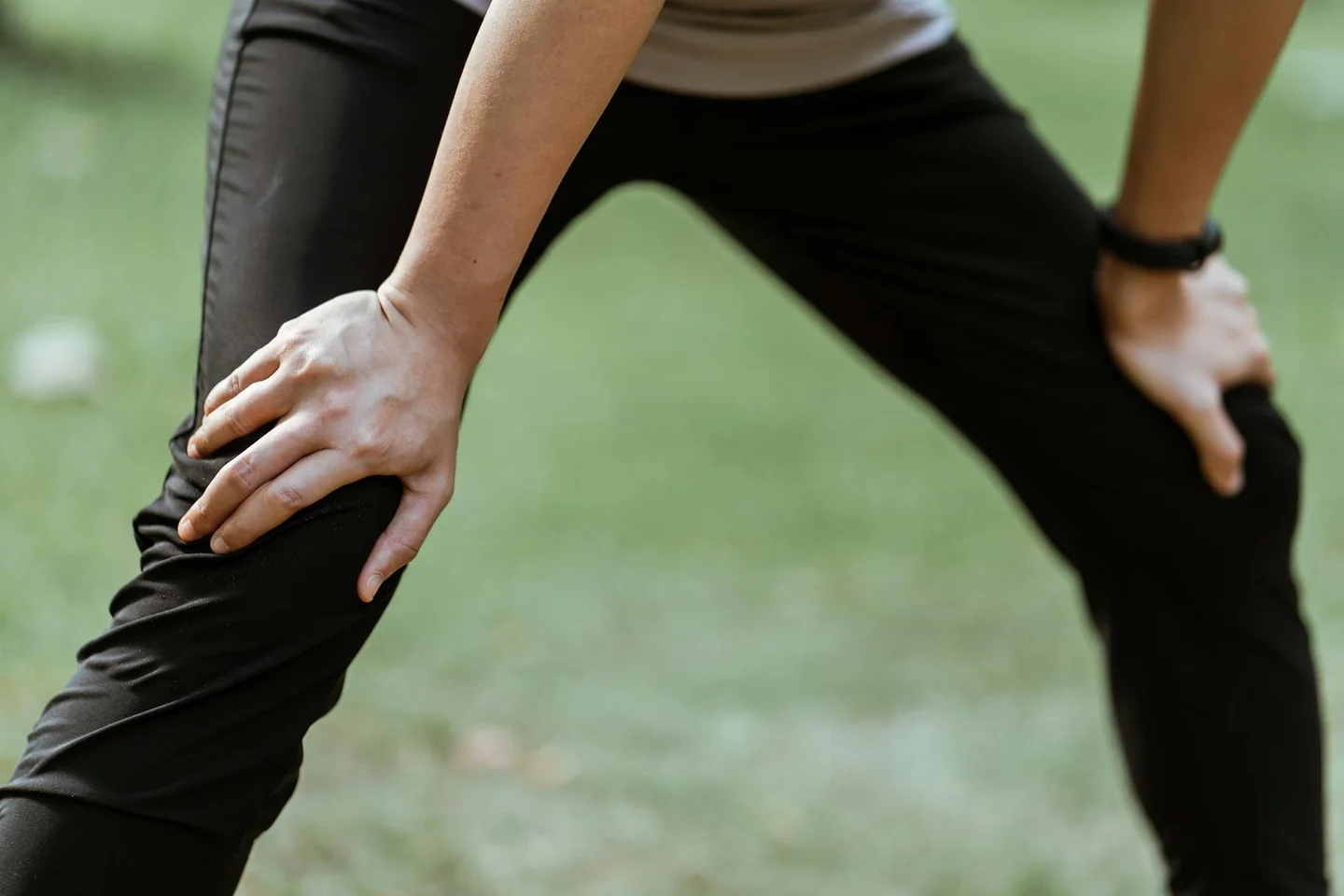
Imagen: Ketut Subiyanto / Pexels
Knee Pain When Running: Key Tips for Runners to Avoid Injuries
Knee pain when running rarely appears by chance or has a single cause. It is usually linked to a combination of excessive load, poor technique, fatigue, muscle weakness, worn-out shoes, or a specific injury that has gradually developed over time. The knee acts as both a hinge and a shock absorber with every stride, and when one of its components fails, pain may be felt at the front, inner side, outer side, or even the back of the joint.
Most discomfort does not result from one single dramatic movement, but from a steady build-up of accumulated microstress. This may be a session that is longer than usual, a poorly managed hill, a sudden change of pace, or returning to training too quickly after a break. However, not all pain calls for the same diagnosis or treatment, and distinguishing an overload from a structural injury is key to avoiding complications and prolonged time away from running.
What Is Behind Knee Pain in Runners?
The location of the pain provides valuable clues about its origin:
- Front-of-knee pain or pain around the kneecap: this is often related to patellofemoral pain syndrome, where the kneecap does not fit or glide properly in its groove.
- Pain below the kneecap: this points to patellar tendinopathy, inflammation of the patellar tendon that connects the kneecap to the shinbone.
- Pain on the outer side: this is characteristic of iliotibial band syndrome, an irritation of the tissue that runs along the outside of the thigh and rubs against the knee.
- Inner knee pain: this may be related to meniscus or ligament injuries, or to overloaded tendons and bursae, especially if it appears with twisting, locking, or after a blow.
In recreational runners, the most common cause is mechanical overload rather than an acute injury. The body handles impact well when progression is logical, but responds poorly when the combined effect of mileage, elevation gain, hard surfaces, and a lack of strength exceeds its ability to adapt. That is why two runners with the same training volume can have very different experiences: one adapts, while the other begins to notice discomfort when walking downstairs, sitting for a long time, or starting to run while cold.
Not all pain indicates serious structural damage. Many knees improve with relative rest, load adjustment, and strength training, but others may conceal sprains, cartilage injuries, or even anterior cruciate ligament tears, especially if there was a sudden twist, an abrupt change of direction, or an episode involving a pop and rapid swelling.
Why Your Knee Hurts When You Run
The knee is subjected to enormous forces with every impact. It does not function in isolation: it relies on the hips, feet, torso, and thigh muscles to distribute the load. When the glutes, core, or hamstrings do not absorb impact effectively, the joint is exposed to more stress than it can handle.
This overload becomes worse with a sudden increase in training volume, running while tired, very hard surfaces, or a stride that creates more braking than propulsion. Technique also plays a fundamental role:
- Landing too far ahead of the center of mass increases braking and stress on the knee.
- A collapse inward when landing, with the knee moving toward the midline, can irritate the patellofemoral joint and overload soft tissues.
In female athletes, biomechanics and neuromuscular control may influence injury risk, especially in sports involving jumps and changes of direction. Although the risk is lower in running, torso stability, hip strength, and landing control remain essential protective factors.
The Most Common Injuries Behind Knee Pain in Runners
- Patellofemoral pain syndrome: a common cause of pain at the front of the knee. It appears as a dull ache when climbing stairs, doing squats, running downhill, or sitting for a long time. It is associated with muscle weakness and poor hip control.
- Patellar tendinopathy: pain below the kneecap that worsens with explosive efforts, hills, and changes of pace. It develops through overuse and poorly managed loading.
- Iliotibial band syndrome: sharp pain on the outer side of the knee, especially during long runs or downhill sections. The iliotibial tissue rubs against the outer part of the knee, causing inflammation.
- Internal injuries (menisci and ligaments): inner knee pain, locking, clicking, swelling, or a feeling of instability after a twist or trauma may indicate a structural injury.
- Knee osteoarthritis: more common in runners with previous wear and tear. It is characterized by morning stiffness, mechanical pain that increases with loading, and possible swelling.
Signs That Distinguish a Minor Ache from a Serious Injury
Recognizing when pain requires medical attention is essential to avoid complications:
- Painful popping, rapid swelling, and instability: these do not fit with a simple overload and suggest an internal injury, such as an anterior cruciate ligament tear.
- Mechanical locking, inability to bear weight, or loss of movement: these point to structural damage and require urgent medical assessment.
- Pain at night or pain that appears at rest: this changes the picture and may indicate inflammation or an advanced injury.
- Pain that progressively worsens and does not improve with rest: this is often an indication of a more serious injury.
- Pain that always appears at the same point during a run or with a specific movement: it may have a clear mechanical trigger.
- Pain that persists beyond an isolated episode: a small but constant ache may be more concerning than a strong but occasional twinge.
What a Professional Assesses When Knee Pain Persists
A physical examination is the foundation of the diagnosis. The medical history helps determine when the pain began, whether there were pops, immediate swelling, the timing of the pain (while running, walking downstairs, or turning), and any feeling of instability.
Manual tests can assess stability, range of motion, and ligament response. In anterior cruciate ligament injuries, tests such as the Lachman test, anterior drawer test, and pivot-shift test are part of the standard examination.
Imaging tests complement the diagnosis:
- MRI scan: useful for confirming meniscal, cartilage, and ligament injuries.
- X-ray: rules out fractures or associated bone injuries.
An accurate diagnosis changes the therapeutic approach and the planning of training or rehabilitation.
How to Prevent and Manage Knee Pain in Runners
Preventing and properly managing knee pain involves several key factors:
- Appropriate load progression: avoid sudden increases in distance, intensity, or frequency. The 10% rule is a useful reference for gradually increasing weekly volume.
- Vary surfaces and routes: alternate asphalt with softer terrain and different inclines to distribute biomechanical load more effectively.
- Rest and recovery: essential for tissues to repair and adapt. Rest is not a passive pause, but an active part of training.
- Improve running technique: avoid inefficient patterns such as overstriding or inward collapse. The goal is not perfection, but efficiency and reduced joint stress.
- Build muscle strength: focus especially on the hips, core, and thigh muscles to distribute forces more effectively and protect the knee.
- Pay attention to early warning signs: do not ignore persistent discomfort, pain when walking or climbing stairs, or symptoms such as locking or instability.
Conclusion
Knee pain when running is a common symptom that rarely appears by chance. Understanding its origin, paying attention to its location, and respecting the body’s signals allows runners to prevent a minor ache from becoming a serious injury. Combining careful progression, proper technique, muscle strengthening, and regular rest is the best strategy for running injury-free and maintaining long-term joint health.



How to prevent thigh chafing: causes and real solutions

Women’s running windbreakers: seven jackets and how to choose

Do more workouts get rid of soreness? A guide for runners

Jaén Half Marathon 2026: Record 3,800 Runners Registered

Men’s short running tights: how to choose the right pair

World Triathlon confirms data breach involving medical data

Izan Edo targets podium at Miyazaki World Cup

María Pérez ranks ninth in World Athletics’ 2026 top ten

Dos Santos, Duplantis and Sawe: World Athlete of the Year finalists

San Silvestre Vallecana 2026: 42,000 places, prices and start times

 Races4 months ago
Valencia Half Marathon 2027: date and registration

 Races4 months ago
Valencia Marathon 2026: entry, ballot and course

 Reviews and Comparisons4 months ago
Asics Gel-Roadmiles 3 for men: review and current price

 Reviews and Comparisons4 months ago
Asics Gel Sonoma 8 Gore-Tex: complete analysis for trail and rain

 Sneakers3 months ago
Saucony Endorphin Pro 4: full review and verdict

 News5 months ago
Strava API 2026: what changes for clubs, challenges and runner apps?

 Reviews and Comparisons5 months ago
Nike Alphafly 3: opinions, sensations, and real key points

 Reviews and Comparisons4 months ago
Under Armour running shoes review 2025-2026: models and key features

 Sports Equipment4 months ago
Shoe sizes in cm: a clear guide to getting the right fit for your footwear

 Sneakers3 months ago
Skechers GO RUN Consistent 2.0 analysis: comfort and limits

 News5 months ago
Valencia Marathon 2026 route: key tips to train and run better

 Sneakers4 months ago
Adidas Adizero Boston 13 for men: review and verdict