News
Ida Amelie Robsahm dies at 30 on a mountain hike in Norway
A mountain fall ended the Norwegian runner’s career after major trail results and a standout Valencia marathon debut.

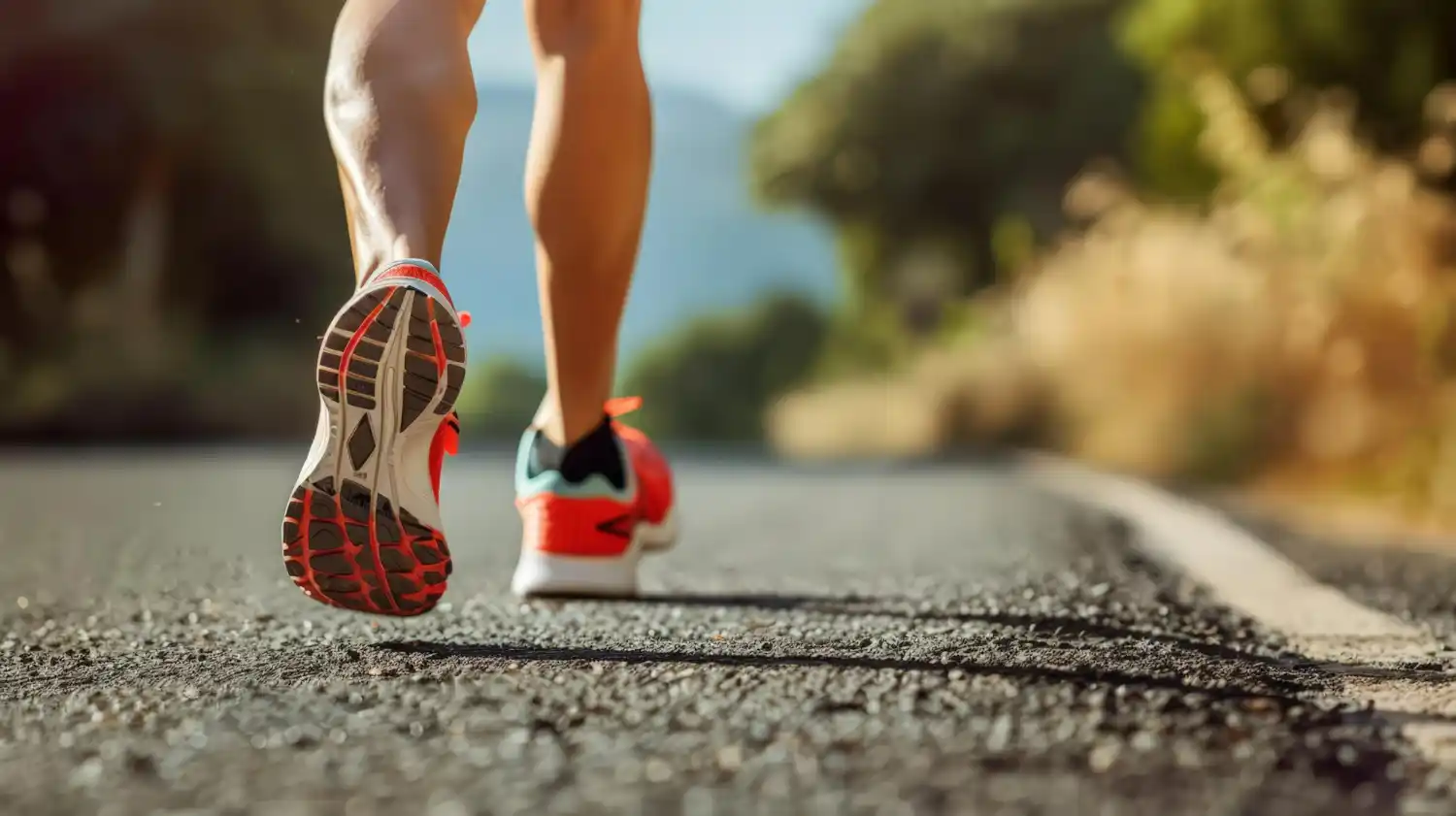
Norwegian runner Ida Amelie Eid Robsahm died on Saturday, September 19, 2026, after falling while crossing the Romsdalseggen ridge in western Norway. She was 30, having celebrated her birthday four days earlier. She was not taking part in a race: she was hiking near Åndalsnes when she fell in steep terrain. Rescue services reached the area, but they could not save her life.
Her death stunned the international trail running community at a time when her competitive career was gathering momentum. That year, she had finished fourth at Zegama-Aizkorri, second at the Marathon du Mont-Blanc and fifth at the OCC. She also had a recent connection to Spanish road racing: in December 2025, she made her marathon debut in Valencia in 2 hours, 29 minutes and 57 seconds, a striking performance for an athlete best known for running in the mountains.
A fall on a ridge she knew well
Romsdalseggen rises above the Åndalsnes area, among steep slopes and views toward the fjords. The traverse is famous for its beauty, but it demands sustained attention: parts of the path are exposed, and clouds can quickly change the look of the landscape. Robsahm was near the upper section of the ridge when the accident happened. According to reports from Norway, she was with another person, who alerted the emergency services.
Police received the alert at about 10:35 a.m. on Saturday, September 19. An air ambulance and a rescue helicopter were dispatched to an area that was difficult to reach. Initial reports described a fall from a considerable height; authorities subsequently confirmed the athlete’s death. The available information points to an accident during a hike, with no publicly established cause or reliable account of every moment leading up to the fall.
Some local reports described rain and fog in the area that day. Those are details of the setting, not a proven explanation for the fall. Nor would it be accurate to describe the incident as a race accident: Robsahm was not competing in an organized event. That distinction matters because it prevents the familiar hazards of trail racing from being treated as an automatic explanation for a tragedy during a different activity.
Her identity was made public on Monday, September 21, after her family had been informed. Her coach, Sindre Buraas, spoke to Norway’s public broadcaster about the shock of the news and noted how familiar she was with that kind of terrain. Knowing a mountain does not remove every risk; nor does it establish that she made a mistake. Between her experience and what may have happened in a matter of seconds lies a gap the known facts cannot close.
The route where she died illustrates the difference between admiring a ridge in a photograph and moving along it. On a crest, the ground can narrow, rocks can be wet and wind can affect a person’s sense of balance. None of those factors, on its own, establishes the cause of this accident. They do help explain why a fall in exposed terrain can have grave consequences even for an exceptionally fit athlete.
From Norwegian trails to Europe’s biggest races
Robsahm had built a rapidly rising career over a few years. Results from her early seasons show her racing on Norwegian mountain courses from 2022. Her progress was not defined by a single victory, but by how consistently she moved toward the front of demanding events. From racing in her home country, she went on to compete against the world’s leading specialists, until front-running finishes became a recurring feature of her results.
The Marathon du Mont-Blanc captures that development particularly well. She was 18th in 2023, 14th in 2024 and eighth in 2025. In June 2026, she crossed the line in second place in 4 hours, 18 minutes and 28 seconds. In a race where long climbs wear down a runner’s pace and descents demand precise movement, gaining that much ground over four editions says more than a one-off good performance.
Her record at Zegama-Aizkorri also moved toward the top of the sport. She had finished ninth and seventh before taking fourth in May 2026. The race in Spain’s Basque Country is known for steep slopes, muddy paths and crowds pressed close to the course. Fourth place put her immediately behind the podium at one of the calendar’s most closely watched mountain races. She was no distant prospect, but a runner capable of challenging established specialists at the front.
Her 2026 calendar brought more notable results. In March, she won the women’s race at the Chianti Marathon Trail in Italy. In late August, she finished fifth at the OCC, part of the UTMB race program around the Mont Blanc massif, in 6 hours, 27 minutes and 34 seconds. Three different settings, from Italian trails to the Alps, demonstrated hard-won consistency across courses with their own elevation changes, surfaces and rhythms.
A year earlier, at the World Mountain and Trail Running Championships in Canfranc, in the Spanish province of Huesca, she had finished fourth over 44.5 kilometers. That result puts her 2026 performances in context: she had already come close to a medal at an international championship. Her racing record combined endurance, climbing ability and enough speed to remain competitive on runnable ground. Versatility was one of her defining strengths, clearer across full seasons than in any single finishing position.
Valencia revealed another side of her talent
On December 7, 2025, Robsahm stood on the Valencia Marathon start line to run 42.195 kilometers on the road for the first time. She finished in 2:29:57, according to her World Athletics profile. Breaking two and a half hours on debut would be notable for a road specialist; doing so with a background primarily associated with mountain running drew particular attention. That morning, she maintained an average pace of roughly 3 minutes and 33 seconds per kilometer all the way to the finish.
The time does not mean road running and trail running are interchangeable. A flat avenue allows runners to regulate their effort differently from a course of rocks, mud and sharp changes in gradient. The road also demands more than two hours of repeated movement without the shifts in muscle use that varied terrain can sometimes provide. Her Valencia result showed outstanding aerobic fitness and running efficiency, though one marathon time cannot explain everything she achieved in the mountains.
Valencia has a particular place in her story because it offers such a vivid contrast. Months before returning to Europe’s great ridgelines, the Norwegian ran through broad streets, urban turns and kilometer after kilometer of pavement at an almost even pace. The same athlete who managed technical descents could sustain high speed in an event where small changes in effort eventually take their toll. That meeting of road and mountain running extended her story beyond the usual trail audience.
The result appears as her marathon personal best on her World Athletics profile. That official record is more dependable than historical rankings, which can vary by database and update criteria. The verifiable facts are straightforward: 2:29:57 in Valencia, on her debut, in December 2025. The performance needs no uncertain national ranking attached to it to convey its sporting significance.
It also explains why her name appears in searches about road athletics as well as mountain racing. Some runners can excel in both, but Robsahm’s results came in close succession: Valencia closed 2025; Zegama, Mont Blanc and the OCC shaped 2026. Those performances span markedly different surfaces without reducing her to a single discipline. Her season had more than one landscape, and she competed at a high level in each.
The teacher behind the race number
Outside racing, Robsahm worked as a teacher at a secondary school in Oslo. Reports published in Norway connect her with teaching chemistry and mathematics at Foss. That job is essential to understanding the person beyond her results: behind the travel, rankings and finish-line photographs were lessons to prepare and students who knew her through something other than sport. Her daily life was not just a race calendar.
The school informed students of her death on Monday, September 21, and flew its flags at half-mast. The image of a school pausing its routine conveys the scale of the loss without grandiose language. To the sporting community, she was an athlete who had recently put together major results; to students and colleagues, she was a teacher whose absence could be felt in classrooms.
She raced for the Norwegian club Sportsklubben Vidar and was part of the ASICS Trail team environment. After the news broke, the team publicly expressed its grief and remembered both her athletic qualities and the way she treated people around her. Her family thanked the running community for its care and support. These responses reveal a network of personal relationships larger than any podium photograph or list of sponsors.
Combining teaching with international competition requires considerable organization, although the public record does not show how Robsahm arranged each day. Assigning her unreported routines, sacrifices or future plans would mean building a fictional story around her death. What her results and profession do establish is that she competed at an elite level while working as a teacher, a familiar reality in sports with fewer financial resources than the biggest professional disciplines.
It is also worth resisting the temptation to turn tributes into a contest of superlatives. Accounts of her warmth belong to the people who knew her; her performances belong to the sporting record. Together they show two sides of the same person, but neither permits invented private detail. In remembering Robsahm, accuracy is a form of respect: state what happened, separate established facts from assumptions and leave room for those grieving away from public attention.
A career bigger than its final headline
The accident on Romsdalseggen means many people have first encountered her name through a tragedy. Her sporting story, however, began well before that September Saturday. In a few years she moved from Norwegian races to podium contention internationally; along the way, she placed fourth at a world championship, second at Mont Blanc and ran under two and a half hours in Valencia. Those achievements deserve to stand beside the account of her death, not disappear behind it.
The incident also exposes a familiar tension for people who spend time in the mountains. Experience, fitness and knowledge of the terrain improve a person’s ability to manage a route, but they offer no absolute guarantee. Drawing a simple lesson from this case would be no more rigorous than blaming the weather without evidence. The verifiable point is more restrained: risk exists outside competition too, and each accident should be reported through known facts rather than guesses.
For Valencia’s running community, the connection to Robsahm has a precise date and time: December 7, 2025, and 2:29:57. For trail running, there are her climbs through the standings at Zegama and Mont Blanc, fifth place at the OCC and fourth at the world championships in Canfranc. For those closest to her, there is a life no finishing time could contain. All three perspectives can coexist without turning a personal loss into a sporting moral.
The final news about the Norwegian runner came from a remote ridge; earlier chapters had unfolded on Alpine paths, Basque trails, in Oslo classrooms and on Valencia’s streets. That wider journey ensures the accident does not become her only definition. Ida Amelie Eid Robsahm was 30 and still building her career when she died. Remembering precisely what she achieved and what is known about her death is the most honest way to tell both stories.



How to prevent thigh chafing: causes and real solutions

Women’s running windbreakers: seven jackets and how to choose

Do more workouts get rid of soreness? A guide for runners

Jaén Half Marathon 2026: Record 3,800 Runners Registered

Men’s short running tights: how to choose the right pair

World Triathlon confirms data breach involving medical data

Izan Edo targets podium at Miyazaki World Cup

María Pérez ranks ninth in World Athletics’ 2026 top ten

Dos Santos, Duplantis and Sawe: World Athlete of the Year finalists

San Silvestre Vallecana 2026: 42,000 places, prices and start times

 Races4 months ago
Valencia Half Marathon 2027: date and registration

 Races4 months ago
Valencia Marathon 2026: entry, ballot and course

 Reviews and Comparisons4 months ago
Asics Gel-Roadmiles 3 for men: review and current price

 Reviews and Comparisons4 months ago
Asics Gel Sonoma 8 Gore-Tex: complete analysis for trail and rain

 Sneakers3 months ago
Saucony Endorphin Pro 4: full review and verdict

 News5 months ago
Strava API 2026: what changes for clubs, challenges and runner apps?

 Reviews and Comparisons5 months ago
Nike Alphafly 3: opinions, sensations, and real key points

 Reviews and Comparisons4 months ago
Under Armour running shoes review 2025-2026: models and key features

 Sports Equipment4 months ago
Shoe sizes in cm: a clear guide to getting the right fit for your footwear

 Sneakers3 months ago
Skechers GO RUN Consistent 2.0 analysis: comfort and limits

 News5 months ago
Valencia Marathon 2026 route: key tips to train and run better

 Sneakers4 months ago
Adidas Adizero Boston 13 for men: review and verdict