News
Sports shoe brands: which ones lead the running market
An analysis of the brands that shaped running and what truly sets each one apart.

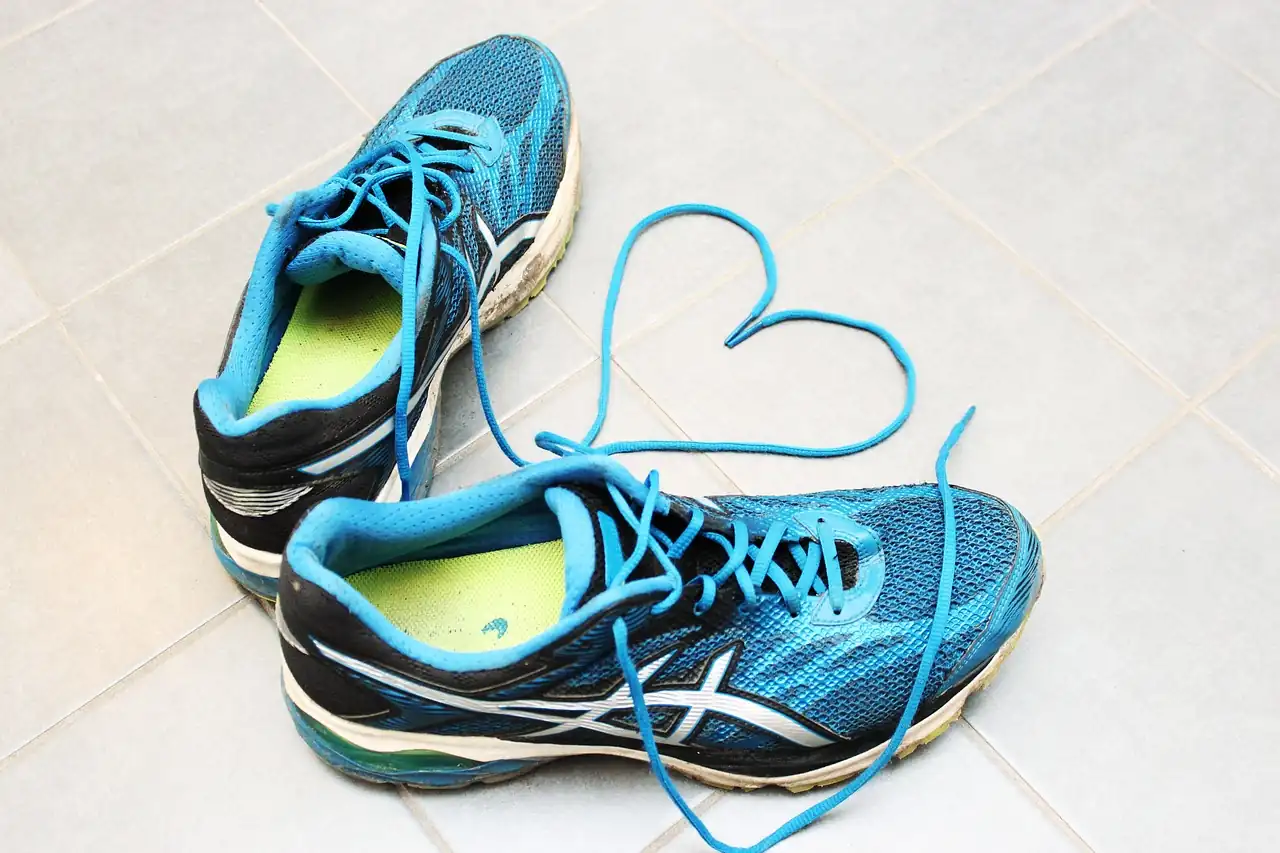
The sports footwear market has no single queen, although some brands have achieved an international presence that is difficult to match. Nike, adidas, ASICS, New Balance, Brooks, Saucony, Hoka and Mizuno dominate much of the conversation around running, racing and regular training. Their influence is not measured only by sales: technology, history, athlete confidence and the ability to serve different types of runners matter just as much.
A company name alone does not make a shoe suitable. A road model can feel uncomfortable on a forest trail, just as a trail shoe can be too rigid for urban running. The best brand changes according to use, foot shape, terrain, pace and personal preference. Behind the best-known logos are very different design philosophies, and understanding them is more useful than chasing an absolute ranking.
What defines a great shoe brand
A relevant sports company needs much more than an attractive collection. Biomechanical research, material quality, manufacturing control and different foot shapes form the foundation of a strong catalogue. Continuity also matters: a company may launch an impressive model, but its reputation is built by maintaining reliable performance across several generations.
In running, trust is earned over thousands of everyday miles, not only at major races. Midsole durability, platform stability, outsole grip and upper fit matter as much as the foam used. A mature brand offers different lines for easy training, racing, long runs, unpaved paths and runners who need a more stable platform.
Price creates another distinction. In Spain, training shoes from established brands usually cost between 90 and 180 euros, while models with plates, advanced foams or ultralight construction can exceed 250 euros. A higher price does not guarantee a better choice: it often reflects more sophisticated materials, lower weight or technology that is only noticeable at certain paces and distances.
Nike and adidas, two giants with different paths
Nike turned the running shoe into both a technological and cultural object. Its evolution is tied to innovation in foams, carbon plates, aggressive geometries and campaigns featuring elite athletes. The Pegasus family represents its best-known daily-training range, while Vaporfly and Alphafly target racing and the search for greater running efficiency.
Nike’s strength is the breadth of its offer. There are models for easy runs, speed sessions, races and casual wear, with a visual identity that reaches far beyond the track. Its main advantage is the combination of research, design and enormous reach. In contrast, some racing shoes require adaptation and do not always provide the most natural sensation for runners who prefer a stable, predictable ride.
adidas represents another major tradition in sports footwear. The German brand has developed technologies such as Boost, Lightstrike and Lightstrike Pro, along with a broad range for training and racing. Adizero groups many of its fast models, while Supernova and other families cover daily use. At the same time, Samba, Gazelle and Handball Spezial have strengthened its presence in urban fashion.
That dual identity is one of its defining traits. adidas can speak both to the athlete preparing for a marathon and to someone looking for a retro shoe for walking, even though the demands of those uses are entirely different. In running, its technical models often stand out for foam response and fast transitions, while casual designs prioritise appearance and versatility over protection for running.
ASICS and New Balance, engineering for runners
ASICS was founded with a clear sporting purpose and maintains a particularly close relationship with running. Its models are generally associated with balanced construction, consistent cushioning and a fit that aims to hold the foot without excessive pressure. Gel-Nimbus is designed for comfortable training and longer distances, while Gel-Kayano has become a reference for runners who prefer additional control.
The Japanese company has expanded its foams and geometries without abandoning a relatively conservative philosophy. A protective feel and consistency between versions explain its strong reputation among recreational runners. Not all of its models are light or agile, but that is not always the priority: for many people, a shoe that supports an hour of running matters more than an extremely fast silhouette.
New Balance combines a long industrial history with a highly varied offer. The company makes shoes for training, racing, trail and lifestyle, and offers different lasts and widths in several markets. Fresh Foam X is used in models focused on comfort, while FuelCell seeks a livelier response. The brand also maintains a recognisable identity in retro shoes such as the 530, 550 and 574.
Its clearest advantage is diversity. The possibility of finding different widths and support levels makes New Balance particularly flexible for feet that do not fit narrow lasts well. The catalogue can feel complex, but that variety allows more precise comparisons. In serious running, its training and racing shoes have gained ground through lightweight foams and carbon-fibre plates.
Brooks, Saucony and Mizuno: specialists with distinct identities
Brooks has built its identity around running and rarely moves far from that territory. Ghost is one of its best-known daily training shoes, while Glycerin offers a softer ride. Adrenaline GTS includes guidance elements designed to limit excessive movement without relying on the rigid structures traditionally used for support. The brand usually prioritises a smooth transition and an easy-to-understand feel from the first run.
The relationship between comfort and predictability explains its consistent presence in specialist stores. Brooks does not need to turn every release into a revolution to retain its position; progressive improvements to fit, foams and outsoles are enough. Its shoes are not always the most striking or lightest, but they often suit frequent training and runners who value a stable response.
Saucony combines American tradition with technical development. Ride works as a versatile trainer, Triumph focuses on generous cushioning and Endorphin brings together models designed for speed and racing. The brand has used highly responsive foams and plates in configurations that aim to propel the stride without making the shoe lose its athletic character.
Mizuno, meanwhile, maintains a very distinctive personality through its Wave plate, present in much of its recent history. Wave Rider is one of its best-known names and is usually associated with a firm, stable ride and good transitions. Its audience often appreciates the feeling of control underfoot, although runners looking for an extremely soft foam may need time to adapt.
Hoka, On and new rules for cushioning
Hoka changed the cushioning conversation by popularising high profiles, broad bases and geometries that help runners move forward. The visual result was striking when the brand appeared, but its growth is mainly explained by the user experience: many runners found a combination of protection, relative lightness and smooth transitions. Clifton has become a versatile option, while Bondi prioritises substantial cushioning.
The brand also offers trail and racing models, although not every design works equally well on every surface. A large midsole can reduce the feeling of impact, but it cannot replace a correct fit or adapted technique. On streets with curves, cobblestones or uneven ground, the width of the base and the stiffness of the shoe can alter the perception of stability.
On arrived from Switzerland with a highly recognisable appearance and a construction based on hollow elements in the outsole, commercially known as CloudTec. Over time, the company has developed road, racing and everyday models. Its lightweight design and clean appearance have taken it from sporting circuits to city streets, where technical versions coexist with urban styles.
The experience of wearing On depends greatly on the specific model. Some shoes provide a firm, precise response, while others seek greater softness through thicker foams. Its strongest differentiator is a coherent visual identity, capable of making the brand recognisable from a distance. That identity should not be confused with universal suitability: the same geometry that convinces one runner may feel dry or unstable to another.
Brands leading trail and mountain running
Mountain footwear must solve problems that do not appear on asphalt. Grip on wet rock, protection from stones, water drainage and fabric durability are decisive. Salomon is one of the most influential companies in this space, with models such as Speedcross, Sense Ride and Ultra, each aimed at different terrain and distances.
Salomon has also helped trail shoes become part of urban clothing. Its mountain experience remains the brand’s main argument, especially when terrain requires pronounced lugs and a sole with good lateral behaviour. The look may attract new users, but an aggressive lug pattern is not always comfortable for walking on asphalt for many hours.
La Sportiva, Scarpa, Merrell, Saucony and Brooks also offer relevant trail options. La Sportiva often stands out on technical terrain, with constructions that protect the foot and provide precision. Merrell maintains a broad range, from light hiking to trail running, while Scarpa combines ground sensitivity and durability. In the mountains, outsole specialisation matters more than logo popularity.
Trail runners should examine lug shape, depth and spacing. A closely packed pattern rolls better on compact tracks but can collect mud. Deep lugs provide more confidence on loose soil and wet climbs, yet transmit more vibration on hard rock. Regular terrain should guide the choice before current trends.
Spanish brands and their place in the market
Spain has sports brands that have found their place in a market dominated by multinationals. Joma remains important in running, football and other sports, with a range covering affordable models and shoes with more advanced components. Kelme, Munich, Luanvi and Victoria are also part of Spanish sports footwear history, although their specialities and audiences differ.
Joma has built much of its recognition through accessible products and broad distribution. Its strength is bringing sports footwear to people who are not always looking for the highest price. The relationship between cost, durability and availability can be decisive for moderate training, physical education or runners who need several pairs without making a major investment.
Victoria is mainly associated with canvas shoes and casual designs, closer to daily walking than running training. Munich has developed an identity linked to urban and sports footwear, while Luanvi retains a presence connected to sports kits and physical activity. These brands show that sports footwear includes very different uses and that not every technically styled shoe is ready to accumulate miles.
The difference between a running brand and a fashion brand
A shoe can look athletic without being designed for running. Casual lines often use flat outsoles, heavier materials and structures intended for walking or urban outfits. Converse, Vans, Veja, Hoff and other brands stand out in that area, where appearance, design and cultural identity matter. They should not be judged by the same criteria as a training shoe.
The mistake appears when a fashion shoe is used to run several days a week. A flat outsole may offer little protection from repeated impact, while a rigid upper can cause rubbing. That does not mean an urban shoe is poor; it means it serves another purpose. Planned activity determines which features are actually necessary, just as a city bicycle is not judged by racing-bike standards.
Some brands have moved successfully between both worlds. New Balance, adidas, Nike, ASICS, Puma and Reebok sell technical models as well as retro silhouettes. The result is an increasingly blurred boundary between sport and fashion, especially in cities. The same logo can appear on an athletics track and in an office, while the internal construction of each model may be completely different.
How to compare brands without following the logo
Comparison starts with terrain and frequency of use. For asphalt running, cushioning, transitions and rubber durability deserve attention; for trail, grip and protection matter more. Track shoes prioritise lightness and ground contact, while walking shoes may benefit from a comfortable fit and stable base. The shoe category provides an initial guide, not a final answer.
Fit should be assessed with the foot fully supported and preferably at the end of the day, when it is often slightly more swollen. The heel should stay secure without excessive pressure, the toes need room to extend and the midfoot should not feel compressed. Half a size can change the entire experience, especially on long runs, mountain descents or hot days.
Service life also deserves attention. There is no universal figure because wear depends on weight, terrain, pace, technique and outsole compound. As a general reference, many road shoes are replaced between 500 and 800 kilometres, although some last less and others exceed that range. Loss of cushioning, deep foam creasing and uneven wear are more useful signs than the calendar.
Rotating two pairs can reduce dependence on one geometry and give materials time to recover between sessions. It is not compulsory and does not guarantee injury prevention, but it can help distinguish model sensations from accumulated fatigue. Sustained comfort should matter more than novelty or advertising.
Technology does not replace real-world experience
Supercritical foams, carbon plates, rods, segmented outsoles and ultralight fabrics have transformed running shoes. These solutions can improve energy return, reduce weight or facilitate a fast transition. Their usefulness, however, depends on the runner. A rigid plate may benefit a racer but feel demanding to someone who walks or runs at easy paces.
Cushioning is not simply the same as softness. A soft midsole may feel pleasant at first and lose precision as speed increases or terrain becomes uneven. A firm foam can provide better control and more ground feedback. The ideal response is a balance between protection, stability and feel, not a race to place more millimetres under the foot.
Advertising campaigns often present innovation as a universal improvement, but footwear does not work the same way for everyone. Foot width, body weight, ankle mobility and landing style alter how a shoe feels. Reviews and technical specifications can guide the choice, but they cannot replace a real fitting test. An excellent brand can have outstanding models and others that do not suit particular needs.
The future of leading sports brands
The industry is moving toward lighter materials, lower-waste manufacturing processes and systems designed to extend product life. Interest in recycled materials, replaceable outsoles and collection schemes is also growing, although footwear sustainability still depends on the entire chain of production, transport and use. A single eco label does not describe a shoe’s full impact.
Personalisation will be another area of competition. Brands are studying more precise lasts, movement analysis and configurations adapted to different profiles. The challenge is to use data without turning selection into an incomprehensible process. The best innovation will improve the experience without forcing runners to decode a flood of technical terms.
For decades, leadership has been shared by companies with very different styles. Nike and adidas have dominated global visibility; ASICS, Brooks, Saucony, New Balance and Mizuno have strengthened their authority in running; Hoka and On have changed market aesthetics and sensations; Salomon and La Sportiva have consolidated mountain footwear. No company covers every terrain, pace and foot equally well.
That is why the most important brand is not necessarily the one that appears most often in advertisements or on podiums. It is the one offering a model that matches the activity, fits well, maintains its performance and allows the runner to move without the shoe becoming a distraction. In a shop full of logos, the soundest decision is still choosing the right tool for each path.
You may also like: Sneaker brands: the ones dominating in 2026 and Karhu, the Finnish brand that challenged 2000s running.



How to prevent thigh chafing: causes and real solutions

Women’s running windbreakers: seven jackets and how to choose

Do more workouts get rid of soreness? A guide for runners

Jaén Half Marathon 2026: Record 3,800 Runners Registered

Men’s short running tights: how to choose the right pair

World Triathlon confirms data breach involving medical data

Izan Edo targets podium at Miyazaki World Cup

María Pérez ranks ninth in World Athletics’ 2026 top ten

Dos Santos, Duplantis and Sawe: World Athlete of the Year finalists

San Silvestre Vallecana 2026: 42,000 places, prices and start times

 Races4 months ago
Valencia Half Marathon 2027: date and registration

 Races4 months ago
Valencia Marathon 2026: entry, ballot and course

 Reviews and Comparisons4 months ago
Asics Gel-Roadmiles 3 for men: review and current price

 Reviews and Comparisons4 months ago
Asics Gel Sonoma 8 Gore-Tex: complete analysis for trail and rain

 Sneakers3 months ago
Saucony Endorphin Pro 4: full review and verdict

 News5 months ago
Strava API 2026: what changes for clubs, challenges and runner apps?

 Reviews and Comparisons5 months ago
Nike Alphafly 3: opinions, sensations, and real key points

 Reviews and Comparisons4 months ago
Under Armour running shoes review 2025-2026: models and key features

 Sports Equipment4 months ago
Shoe sizes in cm: a clear guide to getting the right fit for your footwear

 Sneakers3 months ago
Skechers GO RUN Consistent 2.0 analysis: comfort and limits

 News5 months ago
Valencia Marathon 2026 route: key tips to train and run better

 Sneakers4 months ago
Adidas Adizero Boston 13 for men: review and verdict