News
Running social in Valencia: from solo runs to the neighborhood group
Free groups, gentle paces, and meetups along the Turia have turned the city into a key spot for running in company.

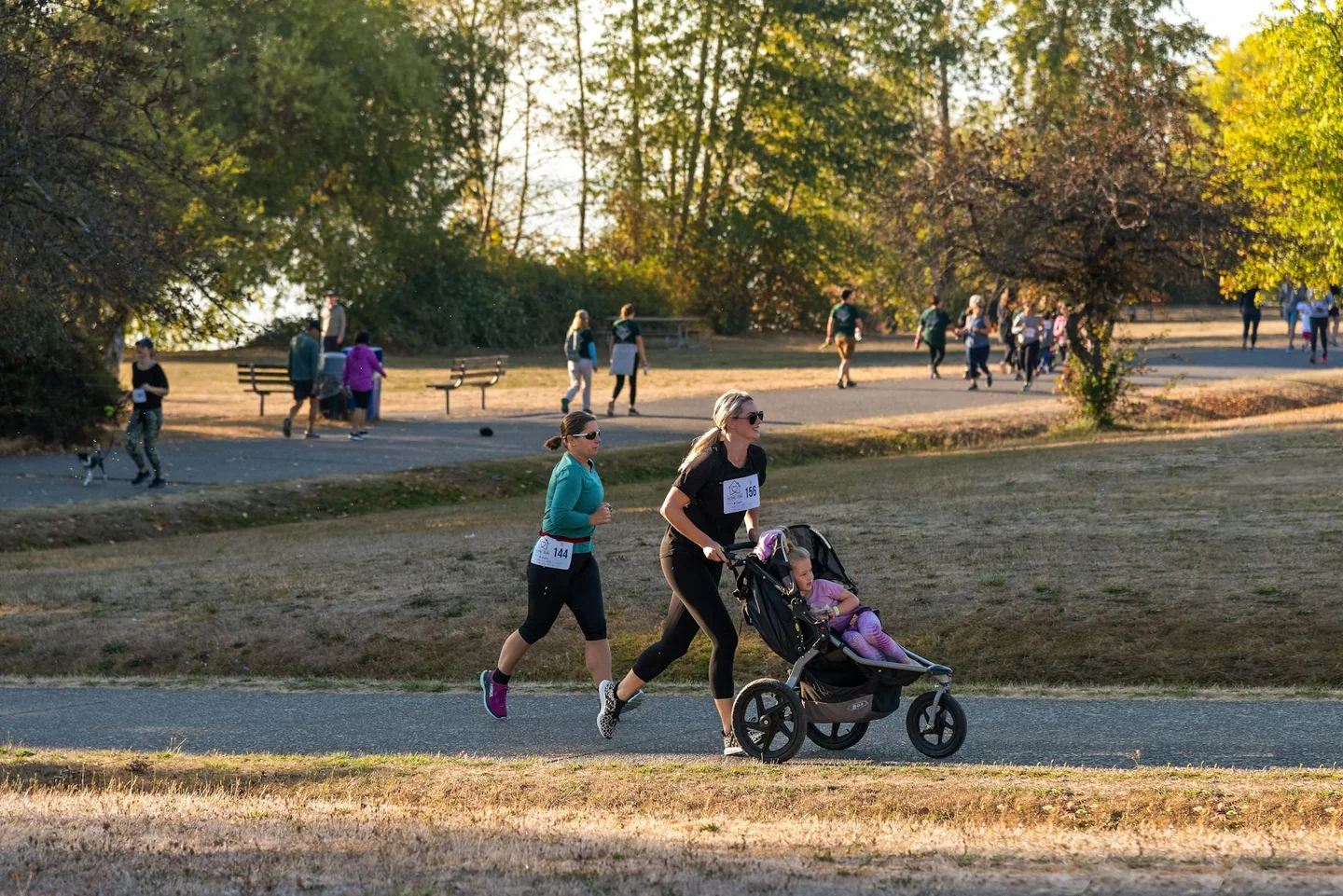
Imagen: Matthew Edington / Pexels
Valencia has turned running into a neighborhood, park, and conversation habit. In the city there are groups that go out for a run without a stopwatch leading the way, at an accessible pace and with the Turia as a natural meeting track. The formula has gained ground because it mixes exercise, community, and a simple plan: arrive, say hello, jog, and head back with the feeling of having been part of something more than just a sports session.
The rise of social running in Valencia responds to a very specific demand: running together, without the pressure of competing or chasing times. On Tuesdays, for example, there are meetups around Serranos Bridge to complete about 5 kilometers at a slow or moderate pace; other communities organize training sessions in areas like the Palau or the athletics tracks, and there are also projects more geared toward popular races, volunteering, or one-off events. In all cases, a common pattern appears: the runner stops being an isolated silhouette and becomes part of a collective scene.
A city made to bring people onto the asphalt and the river
Valencia’s landscape helps a lot. The old Turia riverbed works as a green, flat, and wide corridor, ideal for those who are just starting out and also for those who simply want an easy run. In the same afternoon, beginner groups, fans of gentle jogging, and more experienced runners who use the meetup as a recovery run can all coexist. The city offers a friendly terrain, without major slopes, and that lowers very powerful psychological barriers: going out stops feeling like a test and becomes an active walk.
That urban component has another visible consequence. Social running does not depend on a single headquarters or a closed club, but on recognizable meeting points that are easy to explain and easy to find. Bridges, open spaces, park entrances, municipal tracks, or nearby avenues become small stations in an informal network that keeps the habit of running alive. Geography matters, because the easier it is to get there, the more likely it is to come back.
Socializing also carries weight. In many cases, conversation sets the pace as much as the legs do. People talk about work, races, shoes, personal bests, or nothing in particular; the value of the group is not in pushing hard, but in sustaining a pleasant routine. For someone arriving in a new city, for someone returning to sport after a break, or for someone who never quite fits into the culture of hard training, that social layer is worth almost as much as the kilometer itself.
How the meetups that have grown the most are organized
Social running communities in Valencia usually rely on consistency. The most recognizable model is a fixed weekly date, usually at the end of the afternoon, with a short and predictable route. That repetition has a lot of ritual in it: people know what day it is, where to meet, and what kind of outing they are going to find. Predictability, far from being boring, builds trust, and trust is what someone entering a group like this for the first time needs most.
There is also very practical organization behind it. Some groups announce the exact meeting point, others recommend letting them know before going for the first time, and several point out that these are free activities or ones without a mandatory fee. That transparency helps remove friction. You do not need to buy a subscription or commit to a rigid calendar to try a session. A pair of running shoes, comfortable clothes, and the willingness to share the route with strangers who, after a few minutes, stop seeming quite so strange, are enough.
Pace is another central piece. 5-kilometer outings at a gentle or moderate pace have become the most common format, because they allow people to talk, adapt, and avoid excluding anyone because of level differences. The group thus expands to very different profiles: beginners, occasional runners, people who go out to move their body after work, and enthusiasts who simply prefer an easy run during the week. The key is not to arrive first, but to arrive together.
What a social group brings compared with training alone
Running in a group changes the experience from minute one. Where there was once silence, now there is a shared reference point; where excuses could once appear, now the gentle responsibility of not leaving anyone hanging comes into play. The effect is subtle but powerful. A half-hour jog feels lighter mentally and, for many people, ends up being sustained over time better than an individual routine full of good intentions and quick abandonment.
There is also a less visible and more valuable benefit: the sense of belonging. Valencia has a very large running community thanks to its race calendar, its climate, and its sporting tradition, but not everyone wants to start with a massive race or with a demanding plan. The social format offers a more human entry point. It does not require proving anything. Sometimes it is enough to show up and keep pace.
That open character explains why so many groups insist they are suitable for all levels. The message is not empty marketing: in practice, it means the training can be adapted to each attendee’s physical condition, always within the same shared activity. Those who are slower are not left out; those who are faster learn to modulate; those returning from an injury or a break find a less intimidating way to come back. The group, when well designed, works as both a cushion and a boost at the same time.
Bridges, parks, and tracks: the most common settings
Serranos Bridge has become a symbol of these outings. Its location, a step away from the Turia and with easy access from several parts of the city, makes it especially practical. From there, flat routes are linked together, without orientation complications, ideal for a meetup that aims to be more social than technical. It is no coincidence that several communities choose it as a starting point: it combines visibility, centrality, and a landscape that is instantly recognizable.
But it is not the only setting with appeal. The Palau, the athletics tracks, and other points near sports facilities appear frequently in groups that do add beginner blocks, technique, or more structured work. In those cases, the atmosphere can remain close-knit, but the session gains a more educational nuance. The difference is subtle and useful: some people want to chat while they run, and others also want some guidance to improve without losing the sense of community.
The city makes it easy to alternate those models. One day you run along the river and the next you head onto a track; one week you do a relaxed 5K and the next you join an outing tied to a popular race. That flexibility is part of the success of social running in Valencia, because it avoids the feeling of being trapped in a single format. The schedule feels less like a training sheet and more like a network of healthy excuses to keep moving.
Free access, open entry, and other keys that explain its growth
Price matters, and a lot. In several groups in the city, participation is free and no financial contribution is expected. That lack of an entry barrier makes it easier for the project to grow through simple recommendation among friends, coworkers, or people who discover the initiative on social media and decide to try it. In a context where many leisure activities are associated with fees, passes, or subscriptions, running at no cost adds a very powerful layer of freshness.
Tone matters too. The best communities of this kind do not present themselves as a performance club or as a filter for advanced runners. They sell themselves, rather, as a space for coexistence around exercise. That does not make them less serious; on the contrary, it makes them more sustainable. The experience is based on simple rules: respect the paces, say if you are going to miss a session, arrive ready to share, and understand that each outing is more about meeting than about being tested.
The diversity of profiles is another reason for its growth. Valencia brings together students, newcomers, workers with changing schedules, sports enthusiasts, and runners preparing longer races. Social running acts as a crossroads among all of them. You do not need to have belonged to the same club for years or share a huge sporting background. What unites people is movement and, around it, a conversation that makes consistency easier to bear.
What someone usually finds when they come for the first time
The first impression is usually more relaxed than many imagine. No one expects a physical display or a uniform level. What is usual is a small group that meets, introduces itself, and starts at a comfortable pace. The route is usually designed not to complicate orientation and to avoid sudden changes in pace. That simplicity reduces mental noise, which for many beginner runners weighs more than the physical effort.
There is also an implicit component of hospitality. In the more established groups, regular attendees know the dynamic and make it easy for newcomers to join in. Sometimes it is enough to cover a few meters to enter a conversation; other times, the very 5-kilometer distance leaves plenty of time for introductions to flow. The setting helps: the river, the evening light, and the constant flow of people running create an atmosphere of normality that dissolves initial discomfort.
The experience changes little whether the person arrives alone or accompanied. In fact, going without anyone you know can be an advantage, because it forces interaction and speeds up the sense of group. In a big city, where many social relationships are born or die by inertia, this kind of meetup fulfills an almost civic function: it turns sport into a simple way of making neighborhood, even if the neighborhood is broad and changes face with each stretch of the route.
Between training and social life, a formula that fits Valencia
Social running in Valencia does not compete with serious training; it occupies another space. It serves to add easy volume, clear the head, meet people, and maintain a more friendly relationship with running. That is why it coexists without issue with club projects, road or trail plans, popular races, and the training of those who need a more technical structure. The city has room for everything, and that ecosystem is precisely what gives it richness.
The current scene mixes three ideas that explain its strength well: accessibility, continuity, and company. Accessibility because almost anyone can join. Continuity because regular meetups create habit. Company because the human component turns a repetitive activity into something with faces, voices, and small rituals. It is not an empty trend, but a fairly logical way of adapting running to real life, which rarely looks like a perfect plan.
Valencia has understood that running can also be a way of being together. Under the bridges, along the riverbed, or on a track lit up as evening falls, the group does more than rack up kilometers: it builds habit, city, and conversation. And there, in that mix of movement and connection, lies the explanation for why the phenomenon keeps growing without needing big proclamations or grand promises.



How to prevent thigh chafing: causes and real solutions

Women’s running windbreakers: seven jackets and how to choose

Do more workouts get rid of soreness? A guide for runners

Jaén Half Marathon 2026: Record 3,800 Runners Registered

Men’s short running tights: how to choose the right pair

World Triathlon confirms data breach involving medical data

Izan Edo targets podium at Miyazaki World Cup

María Pérez ranks ninth in World Athletics’ 2026 top ten

Dos Santos, Duplantis and Sawe: World Athlete of the Year finalists

San Silvestre Vallecana 2026: 42,000 places, prices and start times

 Races4 months ago
Valencia Half Marathon 2027: date and registration

 Reviews and Comparisons4 months ago
Asics Gel-Roadmiles 3 for men: review and current price

 Races4 months ago
Valencia Marathon 2026: entry, ballot and course

 Reviews and Comparisons4 months ago
Asics Gel Sonoma 8 Gore-Tex: complete analysis for trail and rain

 Sneakers4 months ago
Saucony Endorphin Pro 4: full review and verdict

 News5 months ago
Strava API 2026: what changes for clubs, challenges and runner apps?

 Reviews and Comparisons5 months ago
Nike Alphafly 3: opinions, sensations, and real key points

 Reviews and Comparisons4 months ago
Under Armour running shoes review 2025-2026: models and key features

 Sports Equipment4 months ago
Shoe sizes in cm: a clear guide to getting the right fit for your footwear

 Sneakers3 months ago
Skechers GO RUN Consistent 2.0 analysis: comfort and limits

 News5 months ago
Valencia Marathon 2026 route: key tips to train and run better

 Sneakers4 months ago
Adidas Adizero Boston 13 for men: review and verdict