News
Running cap or visor: sun, sweat and comfort compared more
Sun protection, ventilation, rain, and fit: this is how your running experience changes depending on the accessory you wear on your head.

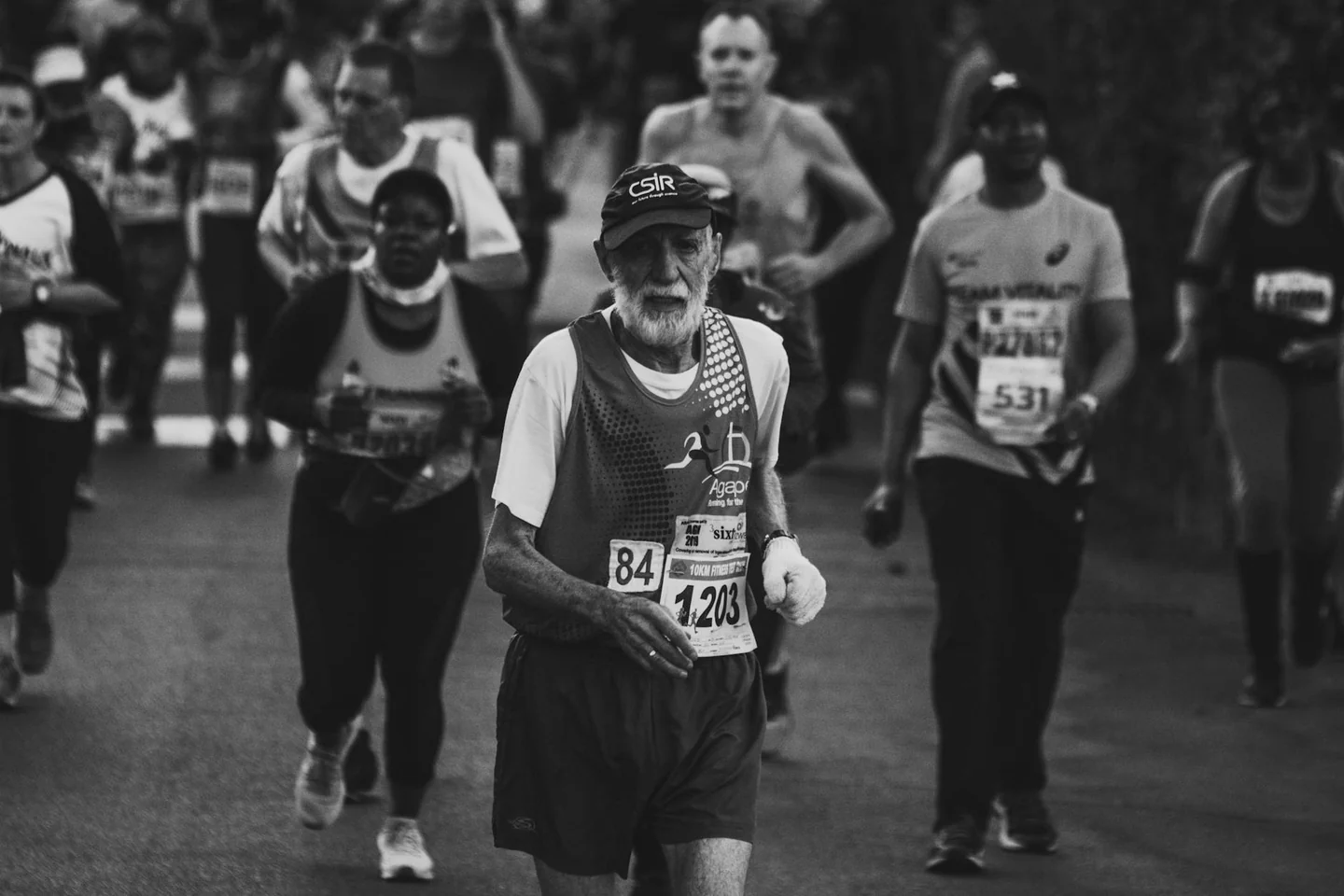
Imagen: Vincent Peters / Pexels
The difference between a cap and a running visor is noticeable in the first kilometer. One covers the head better, retains a bit more heat and also protects the scalp; the other lets more air through, lightens the thermal sensation and frees the top of the head. In the middle of summer or during long workouts under intense sun, that choice can change comfort much more than it seems at first glance.
There is no universally better option. The decision depends on the weather, the intensity of the effort, how much you sweat and whether you prioritize coverage or ventilation. For hot sessions, the visor usually wins on freshness; for races with wind, rain or prolonged sun exposure, the cap offers more complete protection and is usually more versatile.
Sun protection with two different solutions
The sun hits the eyes before it hits the stride. Good head protection not only prevents glare, it also helps maintain concentration when the light falls straight onto the asphalt, the track or the trail. In that area, the visor serves a very specific purpose: it creates shade over the face without trapping heat. The cap, on the other hand, adds coverage over the crown and reduces the exposed surface.
On long days, especially in spring and summer, the head acts like a small hot plate. The technical fabric, the color and the ventilation matter more than the eye notices. Light-colored models reflect solar radiation better, while dark ones absorb more heat, something that can be felt on midday runs or in popular races with little shade.
Ultraviolet protection also matters. In outdoor running, accessories with UPF 50 fabrics provide an extra layer against radiation, although they do not replace sunscreen on the face, ears and neck. That combination of technical fabric and protective habit is what makes the difference when the sky is blazing and the route offers no shelter.
When the visor offers a real advantage
The visor works like a light little roof. Its greatest virtue is ventilation. By leaving the top of the head in the open, heat escapes more easily and the feeling of lightness is immediate. That is why it fits well in summer runs, short intervals, races in dry heat and workouts where every gram or every degree of temperature counts.
It is also useful for runners who sweat a lot from the forehead. The front band absorbs part of the moisture and keeps sweat from falling into the eyes, something especially annoying on long straightaways, climbs or pace changes. Clear vision is one of its best arguments, because the face stays protected without losing lateral openness or a sense of freedom.
There is another practical detail that often goes unnoticed: the visor wets and dries better. When the heat is intense, some runners soak it with water before heading out or at aid stations. That temporary moisture helps lower the perceived temperature for a few minutes, a simple move that in summer can feel like a burst of fresh air in the middle of an oven.
When the cap makes more sense
The cap gains ground when the weather gets tricky. Its upper coverage protects the scalp from direct sun, reduces the impact of wind and offers more warmth on cold mornings or on outings with light rain. That added surface is no small detail: on long or variable days, the extra protection matters more than absolute lightness.
In winter, or on those in-between days when the air is moving and the temperature drops when you stop, the cap helps retain body heat better. Although the head is not the only place where temperature is lost, it is a sensitive area when it comes to feeling cold. When the body is already under strain, stable coverage avoids distractions and lets you focus on the pace.
The cap also stands out in trail races or road runs with long exposed stretches. If the route alternates sun, shade and wind, its balance is more solid than that of the visor. And in today’s technical models, weight is no longer such a big issue as it was years ago: there are very light, foldable versions with mesh panels that combine coverage and breathability without that homemade-helmet feeling.
Materials that make the difference
Not all caps and not all visors breathe the same. The fabric is the piece that decides whether the accessory adds value or gets in the way. Technical polyester dominates thanks to its lightness, quick drying and ability to manage sweat. Mesh on the sides or at the back improves air circulation, while some models include elastane for a more comfortable, less rigid fit.
Cotton, despite its pleasant feel, usually falls short for running. It absorbs moisture, takes longer to dry and can become heavy when sweat builds up. By contrast, technical blends are designed to withstand continuous effort, frequent washing and sun exposure without easily losing their shape. The difference becomes clear when the workout lasts more than an hour and the accessory stops being a decoration and becomes part of the gear.
It is also worth looking at the inner band. The best pieces include absorbent strips that catch sweat before it reaches the eyes, a modest but decisive detail. In a 10K race it may go unnoticed; in a half marathon or a long run, that soft strip on the forehead becomes as valuable as a good seam in the shoes.
Fit, size and stability in motion
A poorly fitted accessory ends up forgotten in a drawer. Size matters because the head not only differs in shape from person to person; it also changes in volume with heat, sweat and movement itself. A cap that is too tight leaves marks and creates pressure. A loose visor bounces, shifts or ends up turning when the wind picks up on an open stretch.
The most common closure systems are Velcro, sliding buckle, snap fastener and elastic straps. Each one has its logic. Velcro is intuitive; the buckle offers a clean fit; the snap is classic, though less comfortable to handle in a hurry; the elastic provides speed and softness. The priority should be stability without pressure points, not a rigid hold that squeezes like a construction strap.
In competition, that stability matters even more. If the accessory moves with every stride, attention gets fragmented. In trail, moreover, the impact of branches, rain or sudden changes in incline calls for a firmer fit. The right piece is noticed precisely because it stops being noticed.
Ventilation, heat and thermal sensation
The body does not measure temperature only with the thermometer. Thermal sensation comes from sweat, wind, humidity and heat exchange with the environment. That is why a visor can seem miraculous on a dry August day and a cap, more comfortable on a windy January morning. Context rules.
Caps with mesh panels and thin fabrics favor sweat evaporation, something very useful when intensity rises. Visors, for their part, allow air to circulate freely over the entire top of the head. That difference is especially noticeable in intervals, fartleks and short races, where any excess heat is amplified by cardiovascular demand.
On high-humidity days, the advantage of breathability is reduced a little, because the air is already saturated and sweat takes longer to evaporate. Even so, the choice still matters. The visor usually remains the fresher option, while the cap better preserves the feeling of shelter when the environment turns heavy or changeable.
Light rain, wind and transition days
When the sky threatens, the cap takes the lead. We are not talking about mountain-level protection, but it is a useful barrier against fine drops, cold breeze and splashes. The visor keeps the face protected and clear, although the scalp remains exposed to rain and cooling. On a long outing with unstable weather, that exposure can become uncomfortable within minutes.
By contrast, a cap with a water-repellent treatment or quick-drying fabric fits better on gray days. It does not turn the workout into an impermeable crossing, but it does delay the feeling of being wet and prevents moisture from concentrating on the forehead. For runners who start out cold and finish hot, full coverage is usually the smarter choice.
Wind also matters. In open areas, a poorly secured visor can lift or vibrate; a well-fitted cap behaves better as a single piece. That difference is very noticeable on coastal walks, riverfront stretches, exposed circuits or parks where the air moves without obstacles.
What suits each type of runner
The user profile changes as much as the pace. Those who head out for an easy run early in the morning and look for comfort on mild days usually lean toward the visor. Those who train for many hours under full sun, run trail or face variable climates, appreciate the cap more. There is no fixed recipe; there is a relationship between the environment and personal tolerance to heat or cold.
Runners who sweat a lot from the forehead usually value wide absorbent bands and quick-drying fabrics. Those with a scalp sensitive to the sun or who are exposed for a long time are better off with full coverage. The difference between the two pieces is not aesthetic, but functional, although design and color also influence the perception of comfort and visibility.
In urban races with spectators, the cap usually offers a more classic image and more versatile use outside sport. The visor has a lighter, more summery feel, almost like a sharp tool for the heat. Both can live together in a drawer without any problem; the seasoned runner ends up using one or the other like someone choosing between a Swiss army knife and a razor blade: depending on the day, the task and the terrain.
What a good buyer usually looks at before deciding
The small detail separates a useful accessory from a forgettable one. Before choosing, it is worth looking at the weight, breathability, adjustment system, how easy it is to fold or store, and the presence of reflective elements if you run at night or at dawn. The most complete models combine lightness with a structure that does not deform easily.
If the usual outing is in the city and at early hours, visibility matters as much as comfort. Reflective bands or logos help in low-light environments. If the main use is in summer, a light color and thin fabric may be more interesting than a very closed aesthetic. In winter or in between seasons, a cap that retains some heat usually wins by pure climate logic.
Foldability also adds value. There are models that fit into a belt pocket or running belt without losing their shape. That portability seems minor until the moment comes to take it off on a climb, stash it and put it back on for a descent. Real comfort does not always live in the display case, but in that routine of putting on, taking off and carrying on.
The most sensible choice is not the most obvious one
Choosing between a cap and a visor for running is not about fashion, but about context. The visor stands out when the heat is intense, the race demands ventilation and the priority is to keep the head as cool as possible. The cap, on the other hand, handles variable days, prolonged sun exposure, light rain and wind better. One protects more, the other ventilates better.
That is why the most sensible decision is rarely absolute. Many runners alternate both depending on the season, the time and the type of session. The right piece is the one that disappears during the effort, the one that does not interrupt breathing, does not bother when moving the head and does not steal attention from the pace or the terrain.
In the end, that small accessory draws a very clear line between running comfortably and running aware of your own sweat. And in a discipline where every detail adds up, the difference between a cap and a visor can be as subtle as it is decisive: a fuller shade or a freer breeze, depending on what the day asks for.
You may also like: Women’s running visor: when it beats the cap in long training sessions already.
Este artículo contiene enlaces de afiliado: si compras a través de ellos, se genera una pequeña comisión sin coste adicional para ti. Más información.



How to prevent thigh chafing: causes and real solutions

Women’s running windbreakers: seven jackets and how to choose

Do more workouts get rid of soreness? A guide for runners

Jaén Half Marathon 2026: Record 3,800 Runners Registered

Men’s short running tights: how to choose the right pair

World Triathlon confirms data breach involving medical data

Izan Edo targets podium at Miyazaki World Cup

María Pérez ranks ninth in World Athletics’ 2026 top ten

Dos Santos, Duplantis and Sawe: World Athlete of the Year finalists

San Silvestre Vallecana 2026: 42,000 places, prices and start times

 Races3 months ago
Valencia Half Marathon 2027: date and registration

 Races3 months ago
Valencia Marathon 2026: entry, ballot and course

 Reviews and Comparisons4 months ago
Asics Gel-Roadmiles 3 for men: review and current price

 Reviews and Comparisons4 months ago
Asics Gel Sonoma 8 Gore-Tex: complete analysis for trail and rain

 Sneakers3 months ago
Saucony Endorphin Pro 4: full review and verdict

 News5 months ago
Strava API 2026: what changes for clubs, challenges and runner apps?

 Reviews and Comparisons5 months ago
Nike Alphafly 3: opinions, sensations, and real key points

 Reviews and Comparisons4 months ago
Under Armour running shoes review 2025-2026: models and key features

 Sports Equipment4 months ago
Shoe sizes in cm: a clear guide to getting the right fit for your footwear

 Sneakers3 months ago
Skechers GO RUN Consistent 2.0 analysis: comfort and limits

 News5 months ago
Valencia Marathon 2026 route: key tips to train and run better

 Sneakers4 months ago
Adidas Adizero Boston 13 for men: review and verdict