News
New York Marathon 2026 Date: the day worth marking in red
The New York event keeps its autumn tradition and already has a clear date, along with useful details on the route, schedules, and access.

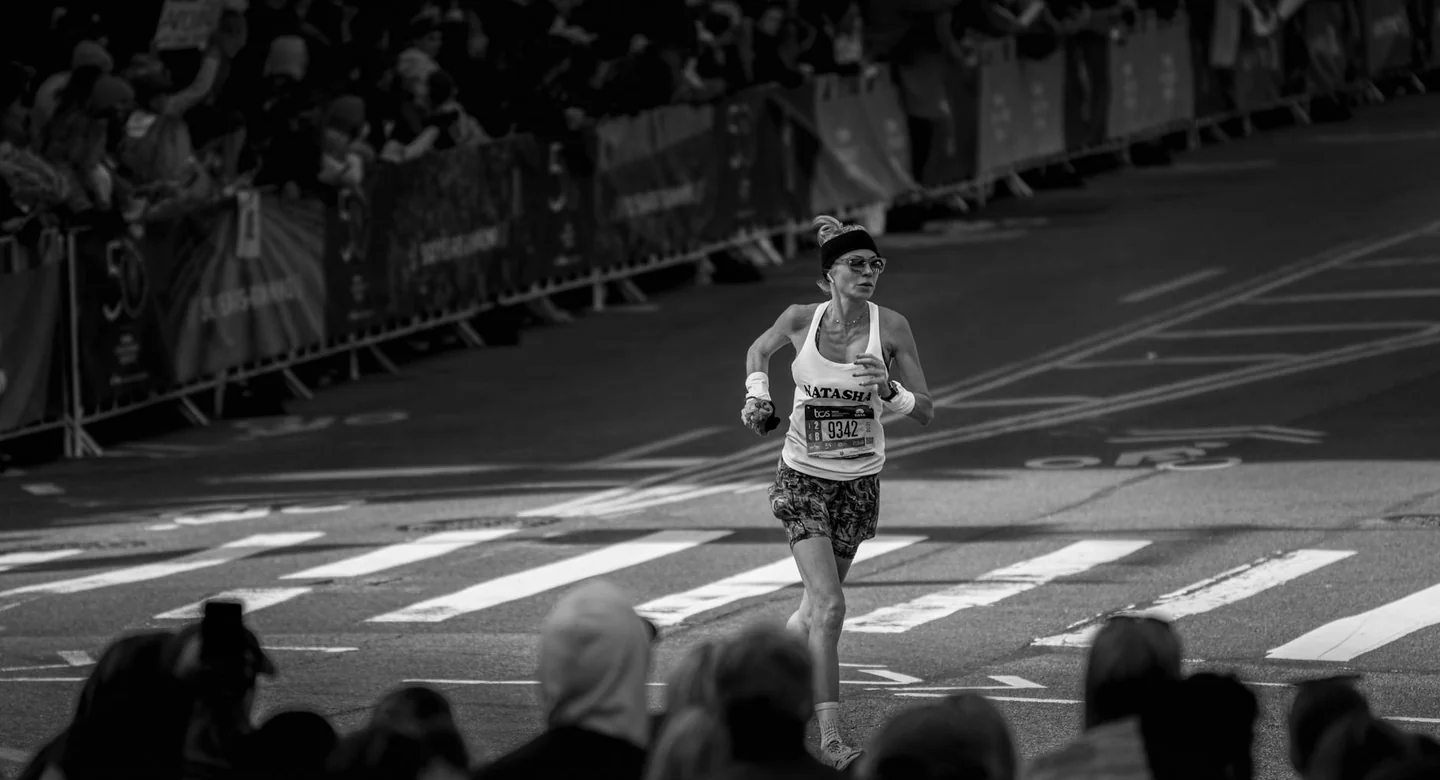
Imagen: Derek French / Pexels
New York’s big race already has its place reserved on the calendar: it will be on Sunday, November 1, 2026. The race thus keeps its tradition of being held on the first Sunday in November, a custom that has made it a fixed reference point of autumn for runners all over the world. In a race of this size, where elites, first-timers and thousands of amateurs all come together, the date is not just a simple detail: it is the starting point for organizing trips, training, accommodation and even race-day strategy.
That Sunday is about much more than athletic effort. It sets an entire city in motion, with its bridges, avenues, parks and neighborhoods all thrown into a day that mixes spectacle, logistics and emotion. For the runner, knowing the exact day well in advance makes it possible to fine-tune preparation; for the spectator, it helps decide where to watch the pack go by; and for anyone dreaming of getting into the race, it marks the moment to check deadlines, requirements and ways to secure a bib.
The date is already set and it does not change the spirit of the race
The first Sunday in November is the rule that has shaped this marathon for years. In 2026, that rule points directly to November 1. There is no mystery or changing formula: the organizers keep a tradition that makes planning easier for runners, agencies and visitors. That regularity is part of the race’s appeal, because it turns a date into a shared habit for thousands of people who repeat rituals, flights, bookings and weeks of training around the same day.
The stability of the calendar does not remove the complexity of the event. New York is a huge marathon, driven by city-scale logistics and by a sporting dimension that goes far beyond the 42.195 kilometers. In its 2025 edition it surpassed 55,000 finishers, a figure that places it among the most crowded races on the planet. It also posted an extremely high finish rate, close to 99%, a sign that the race, though demanding, is experienced with a different pulse than other marathons that are more closed off or less festive.
That mix of toughness and atmosphere explains why so many people see it as a long-term goal. It is not just about reaching the finish line in Central Park; it is about preparing for a complete journey, with its physical wear, its emotional load and its huge symbolic weight. The calendar helps bring that journey into order. Knowing that the race falls on November 1, 2026 makes it possible to work backward from that date and distribute the training months sensibly, the load cycles and the recovery weeks.
What it means to race in early November in New York
The date is no accident: November in New York usually offers a milder temperature than summer and less harshness than the coldest winter months. That does not make the race a walk in the park, but it does help make the effort more manageable. The start takes place in a late-autumn setting, with shorter days, cooler air and a city that is beginning to change its skin. For the runner, that environment can be just as important as race pace.
The weather, even so, is no minor detail. In such a long urban marathon, a few changes in temperature, wind or humidity can have a fairly strong effect on how the effort feels. That is why, even though the date is fixed, it is worth keeping a close eye on the forecast as race day approaches. November 1 is usually a reasonable bet within the international calendar, but in New York nothing prevents a cool morning from turning into a windy day or rain from forcing adjustments to clothing and expectations.
There is also a visual element that sets this race apart. New York’s autumn brings a different light, the trees turn shades of ochre, and the course takes on an atmosphere that is hard to replicate. It is not just a marathon with a date; it is a marathon with scenery, with street noise, with neighborhoods that push you along and with a finish that always seems a little farther away than expected. That whole set of sensations explains why the race attracts both those chasing a time and those chasing the experience.
How participation is organized in such a huge race
The question of the date usually comes with another, much more practical one: how to get to the start line. In New York, a bib is not obtained like in just any local race. Access usually combines several routes: lottery, qualification by time, a program for runners with certain previous races, and spots managed through authorized official agencies. That variety of options reflects the size of the event and the demand pressure it generates every year.
The lottery is the best-known door, but not the only one. Even so, it offers no guarantees. The application opens in advance and the runner enters a random process in which they compete with thousands of hopefuls. Qualification times, for their part, reward performance in other certified marathons and usually require specific times depending on age and sex. There are also spots tied to charitable causes, a common route in races of this level, where sport and fundraising go hand in hand.
Authorized agencies complete the picture and are often a more predictable option for anyone organizing a trip from outside the United States. In that case, the bib is usually part of a package that includes accommodation, assistance and, in some cases, race-related experiences. It is not the cheapest option, but it is one of the safest for those who prefer to close the trip with less uncertainty and with the logistics sorted out before flying.
A race that starts long before the gun goes off
Marking November 1, 2026 is only the first step in the preparation. From there, the runner has to think in months, not weeks. The marathon demands building endurance, getting the body used to prolonged efforts and learning how to manage energy over long stretches of the race. In such a massive event, too, the start can be slow, the space limited and the tactical development different from that of a more compact marathon.
Preparing for New York is not just about running more kilometers. It also means reviewing nutrition, practicing hydration, testing gear and getting used to steady paces. The official distance is the same in every marathon, but the experience changes completely when the environment brings so much noise, so many people and so many psychological shifts in pace. Those who arrive well prepared usually remember the race as a succession of scenes: the bridge, the long avenue, the park, the final straight.
It is worth keeping in mind a detail that often goes unnoticed: the average finishing time is around 4 hours and 50 minutes in the big mass fields, which speaks to a broad and very diverse participation. That figure should not be taken as a target or a limit, but it does help explain what kind of marathon this is. Fast runners and others who take the race at a more relaxed pace all come together here, in a mix that gives the event more the feel of a collective celebration than of a rigid sporting selection.
What makes the course special and why the finish weighs so heavily
New York’s course is famous for its variety and for the way it crosses five boroughs with very different personalities. That structure turns the race into a small urban journey. You are not running in a straight line toward an abstract finish, but moving through a living, changing map, with bridges that make the legs work harder and avenues that seem never to end. The experience has something of a movie in motion, but with the runner’s breathing setting the pace of each scene.
The finish in Central Park carries enormous symbolic weight. After hours of effort, crossing that final stretch means a mix of relief, exhaustion and euphoria that is hard to put into words. The park acts as a backdrop that softens the city noise and, at the same time, raises the value of the finish line. For many runners, that ending justifies everything that came before it: the dark winter training sessions, the long runs, the doubts along the way and the financial cost of the trip.
That is also why the date matters so much. It is not the same to prepare any old marathon as it is to plan an experience that brings together sport, tourism and international anticipation. November 1 concentrates all of that into a single day. Those organizing the trip can take advantage of the stay to see the city at a different pace, but the race remains the center of gravity of the week.
Timetables, spectators and the city that accompanies the race
The marathon is not only lived from the inside. Thousands of people line the course to cheer, take photos and follow the runners’ progress. That presence turns the race into a kind of human corridor of sound and color. For spectators, knowing the exact date makes it possible to plan the best viewing spot, calculate travel times and organize the day with enough time, because the city is transformed for hours.
The official schedules are usually staggered in waves of starts. In races of this size, not all runners cross the line at the same time or start at the same time. That helps manage a huge volume of participants and spread out the flow along the course. It is always worth checking the official information for each edition as the date approaches, since starts, access points and controls may be adjusted for safety and organizational reasons.
For anyone traveling as a companion, the implicit advice is clear: the marathon is enjoyed much more with planning than with improvisation. Arriving early at the chosen spot, understanding the course map and having clear metro or bus connections avoids a day of rushing around. The city is used to these flows, but the visitor is not always. And in an event that brings together so many people, the difference between a good experience and a frustrating one usually lies in the details.
Why this date is already on so many runners’ calendars
Interest in the race does not come only from sporting prestige. It also comes from its status as a ritual. Every year, the calendar once again offers the same promise: an autumn Sunday on which thousands of people test their legs in one of the most recognizable races in the world. That symbolic value explains why the question about the date comes up so soon after the previous edition ends.
November 1, 2026 therefore stands as a useful and concrete reference for anyone starting to plan their season. Anyone who wants to run it will need to think about bib access, travel, accommodation, recovery and physical preparation much earlier than for other races. Anyone who just wants to watch it can book their getaway and calmly choose the point on the course where they will best experience the pack going by. And anyone dreaming of coming back already knows which Sunday to mark in red on the calendar.
In a race like this, the date is a compass. It organizes the logistics, sets the horizon and gives meaning to the wait. New York does not change its appointment: it keeps it, repeats it and turns it into tradition. That is why, each new autumn, the same simple and powerful certainty returns: the first Sunday in November will once again be the big day of the marathon in the city that never stops running.
You may also like: When is the New York Marathon held and on what day will it be run?.



How to prevent thigh chafing: causes and real solutions

Women’s running windbreakers: seven jackets and how to choose

Do more workouts get rid of soreness? A guide for runners

Jaén Half Marathon 2026: Record 3,800 Runners Registered

Men’s short running tights: how to choose the right pair

World Triathlon confirms data breach involving medical data

Izan Edo targets podium at Miyazaki World Cup

María Pérez ranks ninth in World Athletics’ 2026 top ten

Dos Santos, Duplantis and Sawe: World Athlete of the Year finalists

San Silvestre Vallecana 2026: 42,000 places, prices and start times

 Races3 months ago
Valencia Half Marathon 2027: date and registration

 Races3 months ago
Valencia Marathon 2026: entry, ballot and course

 Reviews and Comparisons4 months ago
Asics Gel-Roadmiles 3 for men: review and current price

 Reviews and Comparisons4 months ago
Asics Gel Sonoma 8 Gore-Tex: complete analysis for trail and rain

 Sneakers3 months ago
Saucony Endorphin Pro 4: full review and verdict

 News5 months ago
Strava API 2026: what changes for clubs, challenges and runner apps?

 Reviews and Comparisons5 months ago
Nike Alphafly 3: opinions, sensations, and real key points

 Reviews and Comparisons4 months ago
Under Armour running shoes review 2025-2026: models and key features

 Sports Equipment4 months ago
Shoe sizes in cm: a clear guide to getting the right fit for your footwear

 Sneakers3 months ago
Skechers GO RUN Consistent 2.0 analysis: comfort and limits

 News5 months ago
Valencia Marathon 2026 route: key tips to train and run better

 Sneakers4 months ago
Adidas Adizero Boston 13 for men: review and verdict