Races
Albacete Night 10K 2026: date, course and entry fees
Date, schedule, course, registration and services for Albacete’s major night race in 2026.

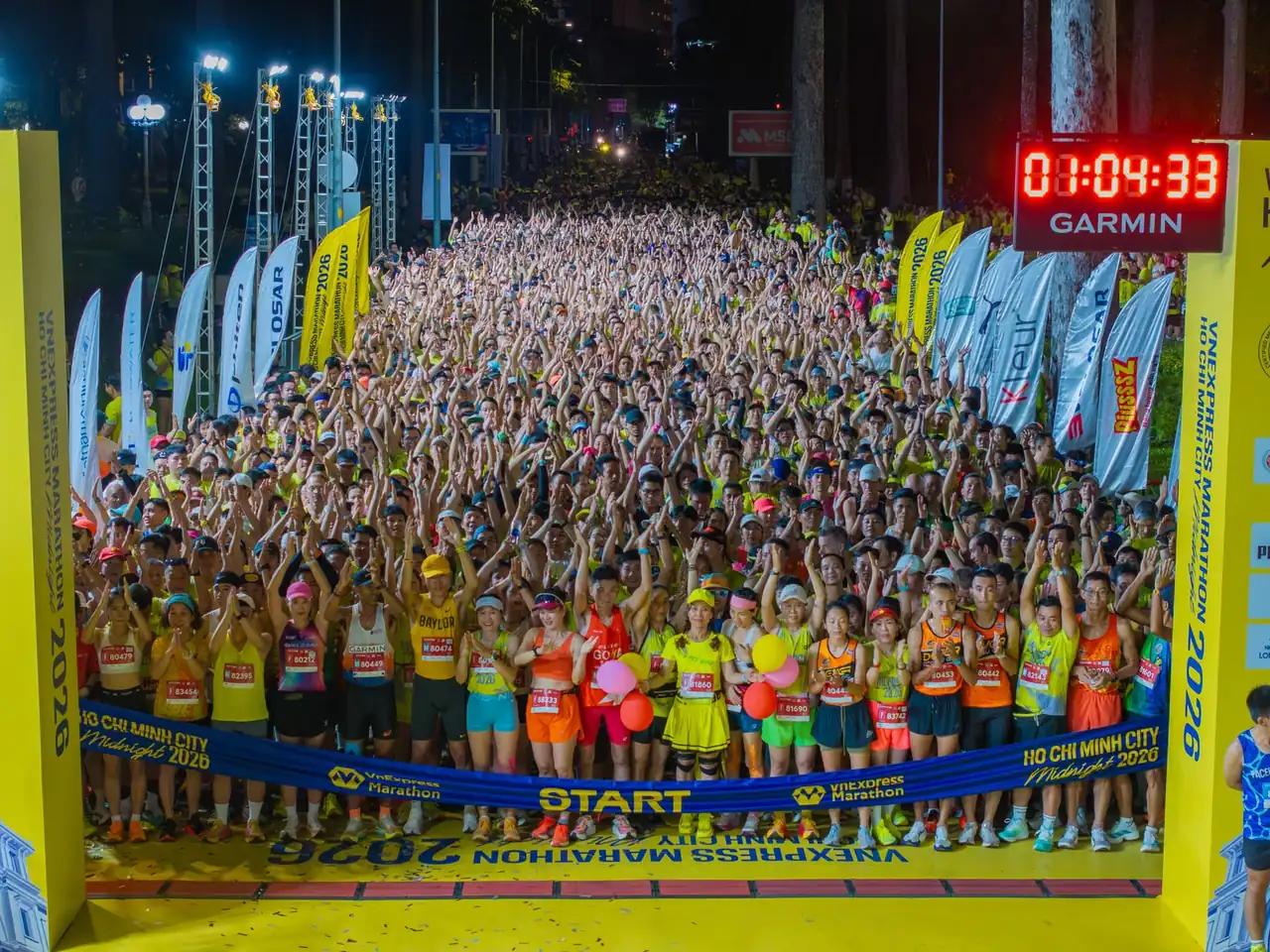
The fifth edition of Albacete’s night race will take place on Saturday, May 23, 2026, at 10 p.m. Promoted by Albacete City Council through the Municipal Sports Institute and organized together with Albacete Running, the event will bring thousands of runners to a fully paved, urban 10-kilometer course designed to cross the city after daylight has disappeared.
The Fairgrounds will serve as the operational center, with both start and finish located there, while the Pincho de la Feria is listed as the meeting point. The organizers have set a maximum of 5,000 entries and introduced a pre-registration system to manage demand if applications exceed the available places.
A night of athletics in the heart of Albacete
The event combines the popular 10-kilometer format with the visual appeal of a competition held at night. The start is scheduled for 10 p.m., changing the usual race experience: the streets lose the afternoon heat, spectators gather around the liveliest sections and the course feels closer to an urban celebration than to a conventional race.
The 2026 edition will be the fifth running of the Albacete City Night 10K. The city council and the Municipal Sports Institute present it as part of the local athletics calendar, with a course certified by the Royal Spanish Athletics Federation. It is also linked to the national RFEA and World Athletics calendars, an important detail for runners who value official measurement and comparable performances.
The distance brings together very different profiles. Runners chasing a personal best, licensed athletes seeking a fast race and popular participants facing their first 10 kilometers can all share the same starting line. That mix defines the event: the leaders race the clock while the larger field moves to the rhythm of music, applause and city lights.
Date, time and key locations
The event is scheduled for May 23, 2026, a Saturday. The start will be given at 10 p.m., a time chosen to reinforce the race’s night identity and provide more comfortable conditions than a midday event. In Albacete, May evenings are often milder than the afternoon, although the exact temperature will depend on the weather on race day.
The Fairgrounds will be the main venue. According to the available information, both start and finish are located there, with the final refreshment station also planned inside the venue. The meeting point is identified as the Pincho de la Feria, a recognizable reference for runners and spectators arranging their arrival.
Race-management information also identifies the Caseta de los Jardinillos as the bib collection point. The organizers may confirm opening hours and procedures shortly before the event, so participants should follow official instructions about bib collection, the race bag and any logistical changes affecting the venue.
A 10-kilometer urban course
The course consists of one 10-kilometer lap, entirely urban and paved. This design makes the race easy to understand: runners do not need to complete several identical laps or deal with dirt sections, trails or mountain-style elevation changes. Continuous pavement supports a steady pace, although turns, junctions and crowd density can affect performance as much as the profile itself.
Certification by the RFEA provides technical assurance about the distance measurement. For runners targeting a specific time, this matters because an officially measured 10-kilometer course allows a more accurate assessment and comparison with other certified races. Certification does not remove factors such as wind, heat, crowding or an uneven opening pace.
The urban course temporarily turns the city into a sporting stage. Pavement, illuminated avenues and spectator groups create a sequence of visual references that can help maintain effort. At night, space feels different; brightly lit areas seem closer, while quieter sections may require more concentration to preserve the planned rhythm.
Refreshments and services during the race
The service plan includes a water station approximately at kilometer 5. Its central position divides the race into two manageable halves, offering hydration during the middle section and a clear reference before the second half. On a 10-kilometer course, the need to drink depends on temperature, pace and individual conditions, but the station provides a basic option for those who need it.
A special finish-line refreshment service is also planned inside the Fairgrounds. The finish therefore combines several functions: the end of the competition, immediate recovery and a meeting point for spectators. In a race ending at night, this enclosed space may be particularly useful for runners who would otherwise remain outside or separated from post-race services.
Race information mentions a runner’s bag and a dedicated participant area, although the contents may change according to the edition and sponsors. The value of these services should not be measured only by the products included, but also by the organization’s ability to manage bib collection, bag storage, access, finish flows and assistance after the race.
Registration, pre-registration and prices
The 2026 edition includes a pre-registration period from February 1 to 8. This process does not necessarily mean that a bib is confirmed; it records applications and organizes the allocation of places. The published schedule states that lists and issues would be announced on Monday, February 9, while registration formalization would remain open from Tuesday, February 10, through Sunday, February 15.
The organizers set a maximum of 5,000 bibs. If applications exceeded that number, a draw was scheduled for February 10. This changes the immediate-registration model used by many popular races: runners first request a place and then confirm participation within the established period. Anyone selected who fails to complete the process may lose the bib under the race conditions.
Prices were announced in stages. The initial fee was 18 euros until March 1, rising to 21 euros until April 1 and reaching 24 euros until May 1. Runners registered in the Popular Race Circuit could receive a 3-euro discount. Management information also lists an 18-euro price for registered and non-registered runners in one circuit record, but the specific 2026 announcement provides the fuller breakdown.
Registration was to be handled through the Albacete Running and Atletas Populares websites, according to the available reference information. Final conditions, required documents and the process for resolving issues should be checked through the race’s official channels, especially because the event includes a draw and a limited number of places.
What official course certification means
Certification is not merely a promotional label. It means the course has been measured and certified according to technical standards that allow the distance to be officially recognized. In a 10-kilometer race, a difference of only a few hundred meters can change the final time and make comparisons difficult. That is why runners chasing a target often choose certified courses with stable conditions.
The presence on the RFEA calendar and the reference to World Athletics place the event within a broader athletics framework. This may attract national and international athletes, as previous results and the international designation suggest. Even so, the federative character coexists with broad popular participation and does not turn the race into an event reserved for specialists.
Popular runners also gain a practical reference for measuring progress. A time recorded in Albacete can be compared with performances from other certified races, while considering wind, temperature, crowd size and race strategy. The stopwatch matters, but it is not the only factor.
Previous performances and notable times
The race has produced high-level performances. Among the highlighted marks is Daniel Tumaka’s 28:22, identified as a record, while Kiros Muaz appears with 32:19 and Youssef Ben Hadi with 28:37. These times show the gap between the elite field and the popular runner, but they also explain why a certified urban race can attract fast athletes.
In the women’s results, marks include 34:15 by Queralt Criado Ocaña and 37:48 by Andrea María Torres García. Available results also mention Fatima Azzaharaa in 32:52 and Negase Garuma Takele in 33:07. Different sources show some variations in order and attribution, so these figures should be treated as historical references rather than a 2026 classification.
The roll of honor is the race’s sporting memory. Each edition adds names, clubs and times to a still-recent history, while the event gains importance in the Castilla-La Mancha calendar. For popular participants, sharing a course with athletes capable of running under 30 minutes can offer a symbolic reference, even though conditions and paces are entirely different.
How the night schedule affects performance
Running at 10 p.m. changes the structure of race day. Participants do not arrive at the start with the routine of a morning event: the main meal is farther away, an afternoon snack becomes more relevant and the pre-race wait can feel long. The sensible approach is to avoid experiments and keep food familiar, sufficient and easy to digest.
The body does not respond identically at every hour. Some runners feel lighter in the evening, while others need a more careful warm-up after a day of work or travel. Easy jogging, dynamic mobility and a few short strides can provide general preparation, but the load should match each runner’s level and sensations.
Visibility is another factor. Even on an illuminated urban course, obstacles, curbs and turns are not perceived exactly as they would be during the day. Comfortable clothing, unobstructed vision and familiarity with the organizers’ instructions can improve safety. Street lighting helps, but it does not replace attention.
The Fairgrounds experience
The start and finish at the Fairgrounds create a recognizable setting for an event that combines sport and city life. Before the race, the venue gathers bibs, participants, spectators and staff; afterward, it becomes a recovery and meeting area. The arrival of thousands of people throughout the night creates a different atmosphere from a race that ends early in the morning.
The route from the start to the final kilometer is part of that experience. At night, runners move through illuminated areas, barriers, volunteers and spectators, with the city as a backdrop. The last meters often feel especially intense: fatigue mixes with the glow of the finish and the sound of people waiting on the other side.
The organizers must balance this appeal with precise management. A race capped at 5,000 participants needs to control access, separate runners from spectators, coordinate refreshments and prevent bottlenecks at the finish. The quality of a popular race is often felt in less visible details, such as smooth bib collection and clear directions.
An event for different paces
Ten kilometers is an accessible distance for many runners, but it should not be mistaken for an easy event simply because it is urban. Sustaining continuous effort for an hour or longer requires an endurance base and sensible pace management. The festive atmosphere can encourage a fast start; the certified course, however, rewards consistency.
For those racing the clock, the key reference will be average pace per kilometer and the ability to maintain it after the refreshment station. For those without a specific time goal, completing the race with controlled sensations and enjoying the atmosphere may be enough. The same starting line accommodates different sporting ambitions, one of the strengths of popular racing.
The presence of clubs from Albacete, Castilla-La Mancha and other regions adds a collective dimension. Participation lists include athletics clubs, independent teams and runners from cities such as Valencia, Alicante, Murcia and Madrid. This movement turns the event into a regional appointment rather than a competition limited to its host city.
Information to check before traveling
Date and start time are the most stable details, but a race of this size also depends on operational instructions that can change. Participants should confirm bib collection hours, required documents, the exact location of each service and access rules for the venue. Initial information identifies the Caseta de los Jardinillos for bib collection, although the final procedure may introduce time slots or organizational changes.
Transport and parking also deserve attention. A night start concentrates travel during the previous hours and may coincide with other city activities. Arriving with time to spare makes it easier to collect the bib, locate the starting pens and allow enough time for bag storage or meeting a training group.
May weather should not be taken for granted. A mild evening may support a comfortable pace, but prolonged heat, wind or a drop in temperature after sunset can alter hydration and clothing needs. Sensible preparation means checking the forecast close to race day and choosing adaptable clothing without testing essential new equipment during the event itself.
Albacete adds a night race to its popular calendar
The 2026 edition consolidates a race whose distinctive identity comes from combining 10 kilometers, an officially measured urban course and a night start. It does not need mountains or an extreme distance to create a unique experience: moving athletics to 10 p.m. is enough to turn the Fairgrounds into the center of an active city.
The 5,000-bib limit, pre-registration system and staggered fees reflect the growth of an event designed for popular runners and elite athletes alike. The structure remains easy to understand: one lap, paved roads, water at kilometer 5 and finish-line services. That clarity makes participation easier and allows each runner to focus on a personal challenge.
With the date set for May 23, Albacete is preparing a night in which times, clubs and thousands of different paces will share the same course. The event’s interest will not be measured only by who crosses the finish line first, but also by the way a city turns its streets and fairgrounds into an athletics stage capable of bringing an entire community together around a familiar distance.



How to prevent thigh chafing: causes and real solutions

Women’s running windbreakers: seven jackets and how to choose

Do more workouts get rid of soreness? A guide for runners

Jaén Half Marathon 2026: Record 3,800 Runners Registered

Men’s short running tights: how to choose the right pair

World Triathlon confirms data breach involving medical data

Izan Edo targets podium at Miyazaki World Cup

María Pérez ranks ninth in World Athletics’ 2026 top ten

Dos Santos, Duplantis and Sawe: World Athlete of the Year finalists

San Silvestre Vallecana 2026: 42,000 places, prices and start times

 Races3 months ago
Valencia Half Marathon 2027: date and registration

 Races3 months ago
Valencia Marathon 2026: entry, ballot and course

 Reviews and Comparisons4 months ago
Asics Gel-Roadmiles 3 for men: review and current price

 Reviews and Comparisons4 months ago
Asics Gel Sonoma 8 Gore-Tex: complete analysis for trail and rain

 Sneakers3 months ago
Saucony Endorphin Pro 4: full review and verdict

 News5 months ago
Strava API 2026: what changes for clubs, challenges and runner apps?

 Reviews and Comparisons5 months ago
Nike Alphafly 3: opinions, sensations, and real key points

 Reviews and Comparisons4 months ago
Under Armour running shoes review 2025-2026: models and key features

 Sports Equipment4 months ago
Shoe sizes in cm: a clear guide to getting the right fit for your footwear

 Sneakers3 months ago
Skechers GO RUN Consistent 2.0 analysis: comfort and limits

 News5 months ago
Valencia Marathon 2026 route: key tips to train and run better

 Sneakers4 months ago
Adidas Adizero Boston 13 for men: review and verdict