Races
Alpakabike 2026: date, route and registration
Carrascalejo prepares a new mountain biking day with two distances and a scheduled 9:30 a.m. start.

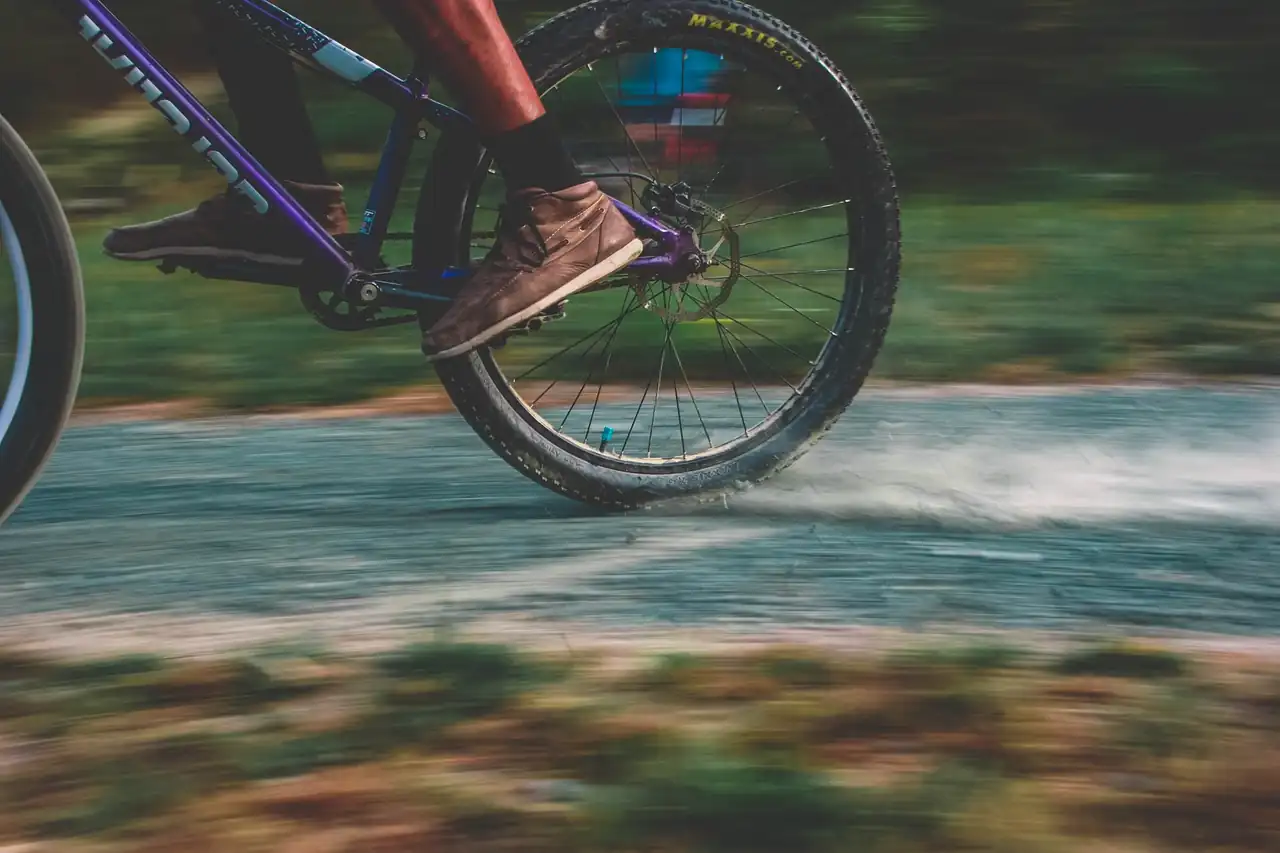
The Carrascalejo mountain biking march already has a date for its 2026 edition. The event will take place on Saturday, Sept. 5 in this municipality in Ávila province, with the start scheduled for 9:30 a.m. from Carrascalejo Square. Organizers have planned two routes, covering 20 and 40 kilometers, to suit different levels within off-road cycling.
Registration starts at 20 euros and will rise to 25 euros from Aug. 29, 2026, according to the information published by the organization managing the event. The route, race logistics and final conditions may be subject to the official regulations, so participants should review the latest information before traveling. The event is also listed in the popular races calendar, although its nature is mountain biking rather than running.
A mountain biking event in Carrascalejo
Carrascalejo will host a day focused on off-road cycling, a discipline that combines tracks, rural roads and uneven surfaces. The event is not presented as an urban or asphalt race. Its appeal lies in moving through a natural setting where the terrain requires riders to read the trail, manage their effort and maintain steady handling.
The 2026 event keeps the name used in previous editions and, according to the available data, reaches its 14th edition. That continuity helps explain why the event appears in specialist calendars despite taking place in a small municipality. In MTB marches, the connection with the landscape and the local atmosphere often matters as much as the stopwatch.
The start and finish area will be in Carrascalejo Square, a location that makes it easier to gather participants and organize basic services. The town is in Ávila province, in a Castilian landscape marked by open paths, changing terrain and weather that can be demanding at the beginning of September.
Date, time and start location for the 2026 edition
The start is scheduled for 9:30 a.m. on Saturday, Sept. 5, 2026. A morning start allows riders to begin before the warmest part of the day, an especially relevant point in a mountain biking event. Even so, September can bring high temperatures around midday, so preparation should cover more than the starting moment.
Carrascalejo Square will be the operational center of the march. Participants will likely gather there, complete pre-start checks and receive instructions related to their race numbers. Available information says numbers may be collected on event day, although the exact schedule and any additional procedures should be confirmed in the regulations or official notices.
Traveling to a rural event requires allowing extra time. These events may involve secondary roads, and parking areas do not always have the capacity found at races in large cities. Arriving early allows riders to collect their number, check the bike and reach the start without the pressure of the final minutes.
Two routes for two ways of approaching the event
The 2026 edition announces two distances: a 20-kilometer route and a 40-kilometer route. This dual proposal broadens the profile of the event. The shorter distance may suit people starting out in MTB marches, while the longer route requires more careful management of pace, water and accumulated effort.
Distance alone does not determine difficulty. In mountain biking, elevation gain, surface, technical sections, terrain conditions and weather all matter. A 20-kilometer course with steep climbs or rocky sections may be harder than a 40-kilometer route on fast tracks. In this case, the published information confirms the distances but does not yet detail elevation or the exact distribution of difficult sections.
Choosing between the two options should depend on actual off-road experience rather than the ability to cover a similar distance on roads. Uneven terrain demands more muscular work, requires frequent braking and acceleration, and can strain the hands, back and shoulders. Someone used to asphalt should consider this difference before choosing the longer route.
The 20-kilometer option should not be treated as a simple ride. An MTB march retains the uncertainty of natural terrain: a short climb may be steep, a descent may demand control and a muddy section can completely change the pace. The shorter distance offers a more accessible entry point, but still requires a properly checked bike and a cautious approach.
Which bike and equipment make sense
A well-maintained mountain bike is the central piece of equipment for the route. There is no need to turn preparation into a technology showcase, but brakes, drivetrain, tire pressure and chain condition should be checked. A simple mechanical failure can become a serious problem when it occurs far from town with many kilometers still ahead.
Tires should match the expected terrain and have a balanced pressure. Excessive pressure reduces grip on loose surfaces, while pressure that is too low increases the risk of hitting the rim or suffering a puncture. The choice also depends on rider weight, tire width and whether the bike uses inner tubes or a tubeless system.
A helmet is essential and must fit correctly, without looseness or twisted straps. Gloves, glasses, a spare tube or repair kit, a compatible pump and a small multitool are also sensible choices. In mountain terrain, basic mechanical independence can make the difference between continuing and abandoning because of a minor incident.
Hydration deserves special attention in September. Heat, dust and the duration of the longer route can increase fluid needs, particularly for people who sweat heavily. The exact amount depends on pace and weather, but a hydration pack or two bottle cages offer a practical solution when aid stations or water points have not been detailed.
Registration, prices and known deadlines
The initial entry fee is 20 euros. It rises to 25 euros from Aug. 29, 2026, creating a five-euro difference between the regular period and the later phase. The organization also says registration will remain open until Thursday, Sept. 3, although any change to the schedule should be checked through the event’s official channel.
The price change follows a common practice in sporting events: early registrations have a reduced fee and the amount increases as the date approaches. This formula helps estimate participation and finalize details such as insurance, race numbers, refreshments and support staff. However, the published price alone does not show which services are included.
The registration form requests participant information and includes the option to indicate whether an electric bicycle will be used. It also includes a specific condition for people linked to Carrascalejo or registered with A.C.D. Chaparral. This distinction may affect administration, but it should not be considered a separate sporting category until the regulations confirm it.
The presence of electric bicycles on the form shows that the event considers this type of participation. Even so, riders should check specific rules covering motors, assistance, classifications and interaction with conventional bicycles. March conditions can vary, and the available information does not yet explain how each category will be handled.
Race numbers and event organization
Race-number collection is scheduled for the day of the event. The 2025 edition stated that collection could begin half an hour before the start, but that detail has not been confirmed for 2026. The difference matters: arriving at the last minute can create queues and leave little time to correct registration details or prepare the bicycle.
The number identifies the participant and supports event control, but in an MTB march it can also assist with incident management. It should be placed visibly and away from cables, suspension components and moving parts. The official documents normally explain the exact fitting method, checkpoints and rules for passing through specific sections.
A mountain event depends on a discreet network of people: volunteers, crossing marshals, medical staff and course-marking crews. On trails, a misplaced arrow or a piece of tape removed by wind can change the route. Following instructions and leaving course markings in place are therefore essential parts of collective safety.
Rider behavior also shapes the atmosphere. On a descent, overtaking requires visibility and adequate warning. On a narrow section, giving way can prevent a crash. Speed matters, but reading the trail and respecting others are decisive if an event open to different levels is to work well.
How to assess difficulty before elevation data is published
The lack of public elevation data makes it impossible to classify the two routes precisely. The longer distance may be moderate if it follows fast tracks, or demanding if it concentrates climbs and technical descents. Publishing a definitive rating without the profile would turn an estimate into a fact that the event has not yet confirmed.
There are useful signs for making a cautious assessment. The type of bike required, previous experience on dirt roads, the ability to control the bike on descents and tolerance for sustained effort offer a better reference than average speed on asphalt. Heat should also be considered, because performance declines when temperature raises heart rate and accelerates fluid loss.
For someone with limited experience, the 20-kilometer distance is probably the more reasonable choice, provided the rider can handle an MTB confidently. Riders who have already completed 30- or 40-kilometer mountain routes may consider the longer course, but should first learn the profile and trail conditions. Caution does not reduce the challenge; it prevents one poorly judged section from deciding the entire day.
Natural terrain does not behave like a treadmill or a traffic-free road. A loose stone changes the line, a rut forces a correction and rain can turn a hard-packed track into mud. The bike moves beneath the body like a sensitive compass: the more relaxed the hands and the more attentive the gaze, the better the response to changing ground.
Physical preparation for a 20- or 40-kilometer march
Preparation should combine time on the bike, basic strength and technical practice. Longer rides help riders become familiar with duration, but they do not replace sessions on uneven terrain. For the 40-kilometer course, progressive routes with climbs and surfaces similar to the event are especially useful.
Intensity does not need to be maximal in every workout. Alternating easy days with somewhat harder efforts supports better recovery and adaptation. In mountain biking, heart rate can rise because of a technical section or a short climb even when speed is low. Effort is measured through the combination of breathing, legs and concentration, not only through kilometers covered.
Leg strength helps on short climbs, but the torso also plays a role. The abdomen, lower back and arms stabilize the bike when the ground becomes uneven. A tired body loses precision: it brakes late, sits poorly and puts too much weight on the handlebars. That is why technical endurance matters as much as cardiovascular fitness.
The final days before the event should maintain good sensations and allow a full equipment check, not compensate for weeks of inactivity with an excessive ride. Arriving rested is more useful than trying to accumulate distance at the last minute. The bike should be ready, but so should the ability to make decisions when a climb is longer than expected.
Ávila’s landscape as part of the experience
The location in Carrascalejo gives the event a setting different from races in large urban centers. The rural landscape changes the rhythm of the day: traffic noise gives way to the sound of tires on dirt, and changes in the surface are felt directly through the handlebars.
Ávila province provides a varied setting, with open areas, agricultural tracks and terrain that can change within a few kilometers. That variety is one of mountain biking’s attractions, but it also requires respect for private property, access routes and the natural environment. Leaving the marked route can cause damage and increase the risk of getting lost.
The group’s behavior has a visible effect on the landscape. Not throwing away wrappers, avoiding shortcuts and carrying waste until reaching an appropriate point are simple actions that protect the course. Events depend on permits and good relations with municipalities; irresponsible behavior can affect future editions and other trail users.
Weather will be a pending factor for the 2026 edition. A dry morning may produce fast, dusty tracks, while rain changes cornering, braking and traction. Checking the forecast in the days before the event will help adjust clothing, tire pressure and water, although no app replaces observing the trail during the ride.
Information still awaiting confirmation
The published data provides the date, time, location, distances and price, but does not yet describe the elevation profile or full course. Details such as aid stations, maximum participation, mechanical assistance and any classification system also remain to be confirmed.
The absence of a track or detailed map does not mean the event has no defined course. It means that this information does not appear in the available material reviewed. Before registering, participants should check the latest documents because the route may change due to permits, roadworks, weather or safety requirements.
It is also worth confirming rules for electric bicycles, age categories, insurance and the procedure in case of withdrawal. In a non-competitive march, the aim may be simply to complete the route, but participant responsibilities remain important. Knowing them avoids misunderstandings and helps riders decide whether the event matches their experience and equipment.
The popular races map is another way to locate sporting events, although this event’s details should always be checked against the organizer’s information. Aggregated calendars are useful for discovering events, but they may display provisional dates or information that takes time to update.
A day combining sport and territory
The Carrascalejo mountain biking march arrives in 2026 with a clear proposal: two distances, a morning start and an off-road cycling route through a rural setting in Ávila. The 20-kilometer option opens participation to less experienced riders, while the 40-kilometer route offers a longer challenge whose difficulty will depend partly on elevation data that has not yet been published.
The fee of 20 euros through Aug. 28 and 25 euros from Aug. 29 falls within the usual range for this type of event. The stated deadline is Sept. 3, but operational details should be checked before traveling. The organizer’s final information will be the valid reference for race-number schedules, route, regulations and services.
Beyond distance, an MTB march is measured by the ability to adapt to the trail. A rider who listens to the bike, saves energy and respects the course will usually move better than someone who treats every climb as an isolated battle. In Carrascalejo, the experience will depend on the route and on the combination of preparation, caution and attention that turns a mountain ride into a complete day.



How to prevent thigh chafing: causes and real solutions

Women’s running windbreakers: seven jackets and how to choose

Do more workouts get rid of soreness? A guide for runners

Jaén Half Marathon 2026: Record 3,800 Runners Registered

Men’s short running tights: how to choose the right pair

World Triathlon confirms data breach involving medical data

Izan Edo targets podium at Miyazaki World Cup

María Pérez ranks ninth in World Athletics’ 2026 top ten

Dos Santos, Duplantis and Sawe: World Athlete of the Year finalists

San Silvestre Vallecana 2026: 42,000 places, prices and start times

 Races3 months ago
Valencia Half Marathon 2027: date and registration

 Races3 months ago
Valencia Marathon 2026: entry, ballot and course

 Reviews and Comparisons4 months ago
Asics Gel-Roadmiles 3 for men: review and current price

 Reviews and Comparisons4 months ago
Asics Gel Sonoma 8 Gore-Tex: complete analysis for trail and rain

 Sneakers3 months ago
Saucony Endorphin Pro 4: full review and verdict

 News5 months ago
Strava API 2026: what changes for clubs, challenges and runner apps?

 Reviews and Comparisons5 months ago
Nike Alphafly 3: opinions, sensations, and real key points

 Reviews and Comparisons4 months ago
Under Armour running shoes review 2025-2026: models and key features

 Sports Equipment4 months ago
Shoe sizes in cm: a clear guide to getting the right fit for your footwear

 Sneakers3 months ago
Skechers GO RUN Consistent 2.0 analysis: comfort and limits

 News5 months ago
Valencia Marathon 2026 route: key tips to train and run better

 Sneakers4 months ago
Adidas Adizero Boston 13 for men: review and verdict