Races
Asto Trail 2026: routes, schedule and prizes in Garai
Garai hosts a mountain day with two races, a walk and a demanding long route near Mount Oiz.

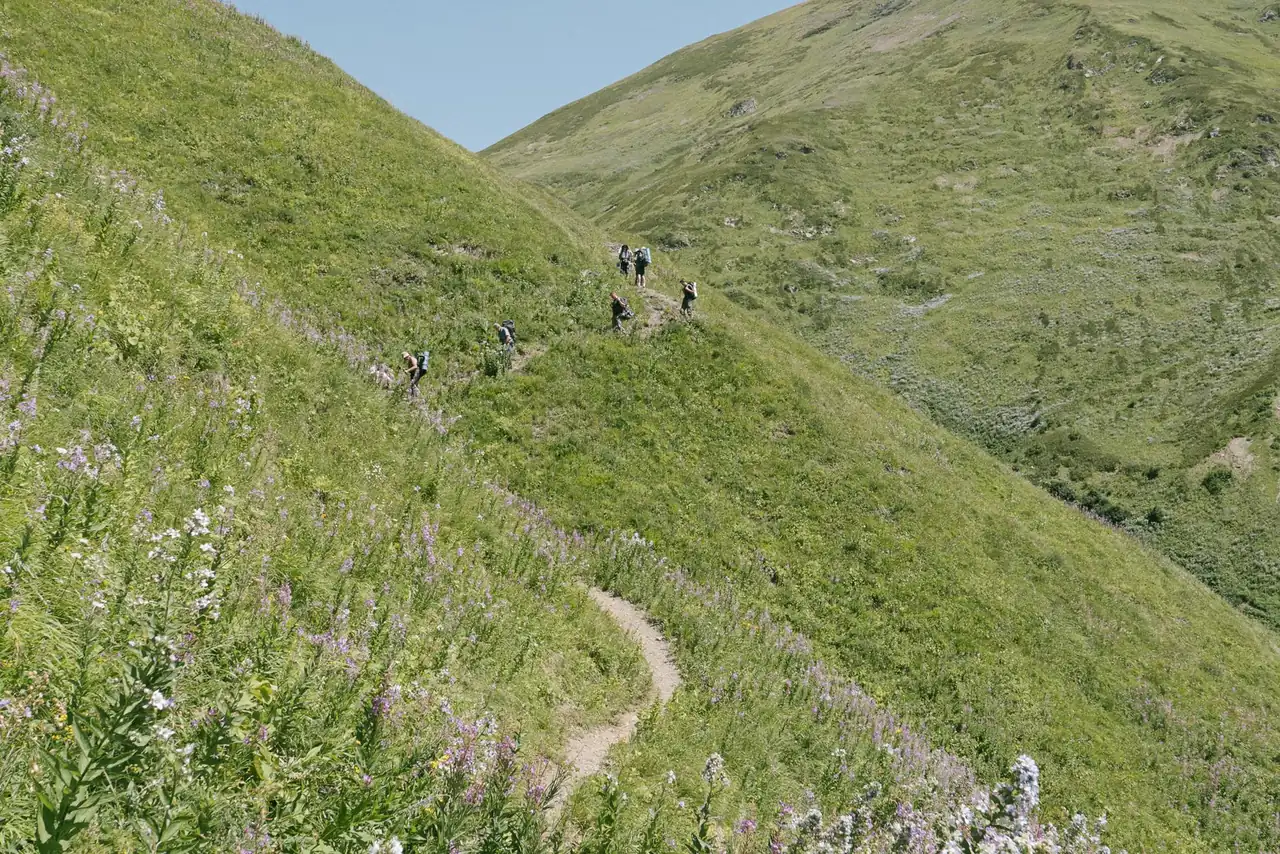
Garai will once again become a meeting point for Basque trail running on Saturday, July 18, 2026. The sixth edition of this mountain race and its ninth associated mountain walk will start at 8 a.m. in the Biscay municipality, with three options: a 16-kilometre short race, a 26-kilometre long race and a 16-kilometre mountain walk. The event information is also available through the popular race calendar and the race map.
The two competitive formats are part of the Durangaldeko Kopa, a circuit bringing together races held in several Durangaldea municipalities. The long route climbs toward Mount Oiz and gains approximately 1,300-1,400 metres of elevation, according to the different event platforms. The short route shares the walk course and gains around 700 metres, making both options demanding on uneven ground, sustained climbs and changing pace.
Garai prepares for a mountain day
The start and finish will be located around Garai’s main square, in a Biscay village surrounded by hills, woodland and rural paths. This is not an asphalt speed race: its appeal lies in constant contact with the mountains and in a course that requires effort management from the opening metres.
The start time is set for 8 a.m., an important detail in mid-July. Cooler early-morning temperatures can make a difference on the climbs, while humidity and accumulated heat increase fatigue during the second half of the course.
The event is organised by Garaiko Zabalkuntza Triatloi Taldea, also identified in some records as Garai TT. Registration management is handled through Kronoak and RockTheSport. The race is rooted in local sporting life, while its place in the regional cup gives it a wider reach.
Three routes with different demands
The programme clearly separates competition from non-competitive participation. The short race covers 16 kilometres and gains about 700 metres, with a maximum time of three hours or three hours and 15 minutes according to the published versions. The walk follows the same route, allows five hours and has no competitive ranking.
The long race covers 26 kilometres and has between 1,300 and 1,400 metres of elevation gain in the available event descriptions. That difference means the final figure should be checked in the definitive technical information. In any case, it is a demanding mountain route, with substantial climbing relative to its distance.
The reference to Mount Oiz makes the long course the main challenge of the day. In trail running, distance alone tells only part of the story: comfortable tracks can alternate with narrow paths, technical descents and slopes where every foot placement matters. Reading the terrain, walking steep climbs and managing energy are as important as average pace.
The 16-kilometre walk has a different role. It is not a hidden race, since the organisers stress that it is not competitive. Its five-hour limit allows participants to move more calmly, stop at aid stations and enjoy the surroundings without classification pressure.
Elevation, terrain and effort management
In a race like this, 16 kilometres do not equal a conventional road distance. Seven hundred metres of climbing require the course to be divided into stages: opening activation, main climbs, transition sections and descents. Trying to hold a road-race pace from the start can empty the legs before the most demanding ascent.
The long race adds 10 kilometres and considerably more elevation. The climb toward the Oiz area may decide the race, but the descents also create a significant muscular load. The quadriceps absorb repeated impact and fatigue changes foot placement; controlled descending is therefore both a performance tool and a basic safety measure.
The surface is expected to include mountain tracks and paths, although the available information does not specify every surface or the exact number of aid stations. Runners should account for changing terrain, possible mud after rain and sun-exposed sections. In July, carrying enough water in a vest or belt can be useful, subject to the rules.
The watch should not be the only pacing tool. On hilly terrain, perceived effort can be more reliable than instant GPS pace. A climb may dramatically increase minutes per kilometre without reflecting poor strategy, while a fast descent can hide fatigue that appears later. Saving strength for the final section is often more valuable than gaining seconds on the first climb.
Registration, prices and key dates
Registration was scheduled from February 9, 2026, at noon until July 15, 2026, at 11:59 p.m., unless the field filled earlier. As of July 16, the event is listed as closed. That status takes priority over older announcements that may still appear in search results.
Published fees differ by format. The 26-kilometre long race costs 25 euros; the 16-kilometre short race costs 20 euros; the adult 16-kilometre walk costs 15 euros; and the walk for participants under 16 costs 10 euros.
There was also a deadline for receiving the commemorative shirt. Entries completed before July 9 at 8 p.m. could qualify, while later registrations did not guarantee availability. Such conditions are common because organisers must order sizes and quantities in advance.
Registration is not an informal reservation. Participation requires the entrant’s details, chosen format and acceptance of the rules to be correctly recorded. If the event is closed, withdrawals, transfers or changes must follow the organiser’s stated process.
Prizes and the Durangaldeko Kopa
Both races score toward the Durangaldeko Kopa and carry a 20% bonus for the circuit standings, according to the published information. That incentive makes a locally focused event relevant to athletes following the regional classification.
The long race offers cash prizes in the men’s and women’s classifications. First place receives 250 euros, a txapela, trophy, flowers and an invitation to the 2027 edition; second receives 200 euros and a trophy; third receives 150 euros and a trophy. A special award is also planned for the first Garai resident.
The short race announces 125, 100 and 75 euros for the first three places in each classification, together with a txapela and trophy for the winner and a trophy for third place. The first Garai resident is also recognised.
The walk remains non-competitive. That separation allows runners chasing cup points to share the morning with people who prefer to hike through the landscape, without turning every participant into a competitor.
What to check before travelling
The available information does not detail every service, including bib collection, exact aid stations, mandatory equipment or parking arrangements. These practical issues can shape the day as much as the route itself. Reading the rules and organiser updates before travelling is particularly important for a mountain event.
Equipment should match the forecast and the trail. Shoes with suitable grip, a light weather layer and a sensible hydration system are a logical base, but they do not replace any mandatory requirements. On a hot morning, a cap, sun protection and fluid replacement matter more than they would in a road race of similar duration.
Navigation also deserves attention. GPS can help, but reception is not always perfect among trees or in steep terrain. Official markings and marshal instructions take priority. Leaving the course to cut a corner or find an alternative is not advisable without authorisation.
Time expectations should remain realistic. The three-hour short-race limit and four-hour long-race limit are not universal targets. Elevation, technical terrain and heat can change the expected pace completely. Reaching controls with margin, eating before a low point and walking the steepest ramps may be more effective than forcing continuous running.
A meeting point for sport and landscape
The Garai event reflects a strong feature of the Basque calendar: small races with a clear identity. The route does more than connect start and finish; it crosses a landscape that belongs to the community and highlights local paths. The village square, volunteers and connection with the municipality are as visible as the stopwatch.
The event’s continuity, with a sixth race edition and ninth walk edition, shows that the format has found its place. The combination of 16 kilometres, 26 kilometres and a non-competitive option brings together different profiles on the same morning. It also lets newcomers discover the terrain before attempting the longer competitive course in another year.
The sporting appeal lies in the demanding route and the chance to score in the cup, but the event keeps a communal dimension. In mountain running, the landscape is not interchangeable scenery: it affects temperature, footing, orientation and pace. In Garai, the climb toward the high ground and the return to the square express that relationship between territory and competition.
On July 18, attention will focus on the long race, the short course and the 16-kilometre walk. Beyond prizes and rankings, the event shows how trail running remains closely tied to villages and mountains. That connection explains why regional races continue to hold a distinct place in Spain’s running calendar.



How to prevent thigh chafing: causes and real solutions

Women’s running windbreakers: seven jackets and how to choose

Do more workouts get rid of soreness? A guide for runners

Jaén Half Marathon 2026: Record 3,800 Runners Registered

Men’s short running tights: how to choose the right pair

World Triathlon confirms data breach involving medical data

Izan Edo targets podium at Miyazaki World Cup

María Pérez ranks ninth in World Athletics’ 2026 top ten

Dos Santos, Duplantis and Sawe: World Athlete of the Year finalists

San Silvestre Vallecana 2026: 42,000 places, prices and start times

 Races4 months ago
Valencia Half Marathon 2027: date and registration

 Races4 months ago
Valencia Marathon 2026: entry, ballot and course

 Reviews and Comparisons4 months ago
Asics Gel-Roadmiles 3 for men: review and current price

 Reviews and Comparisons4 months ago
Asics Gel Sonoma 8 Gore-Tex: complete analysis for trail and rain

 Sneakers3 months ago
Saucony Endorphin Pro 4: full review and verdict

 News5 months ago
Strava API 2026: what changes for clubs, challenges and runner apps?

 Reviews and Comparisons5 months ago
Nike Alphafly 3: opinions, sensations, and real key points

 Reviews and Comparisons4 months ago
Under Armour running shoes review 2025-2026: models and key features

 Sports Equipment4 months ago
Shoe sizes in cm: a clear guide to getting the right fit for your footwear

 Sneakers3 months ago
Skechers GO RUN Consistent 2.0 analysis: comfort and limits

 News5 months ago
Valencia Marathon 2026 route: key tips to train and run better

 Sneakers4 months ago
Adidas Adizero Boston 13 for men: review and verdict