Races
Brujas Bike short course 2026: route, schedules and prices
The Jabaloyas event offers three distances, a start at 9:00, and a short 32 km route with a challenging profile.

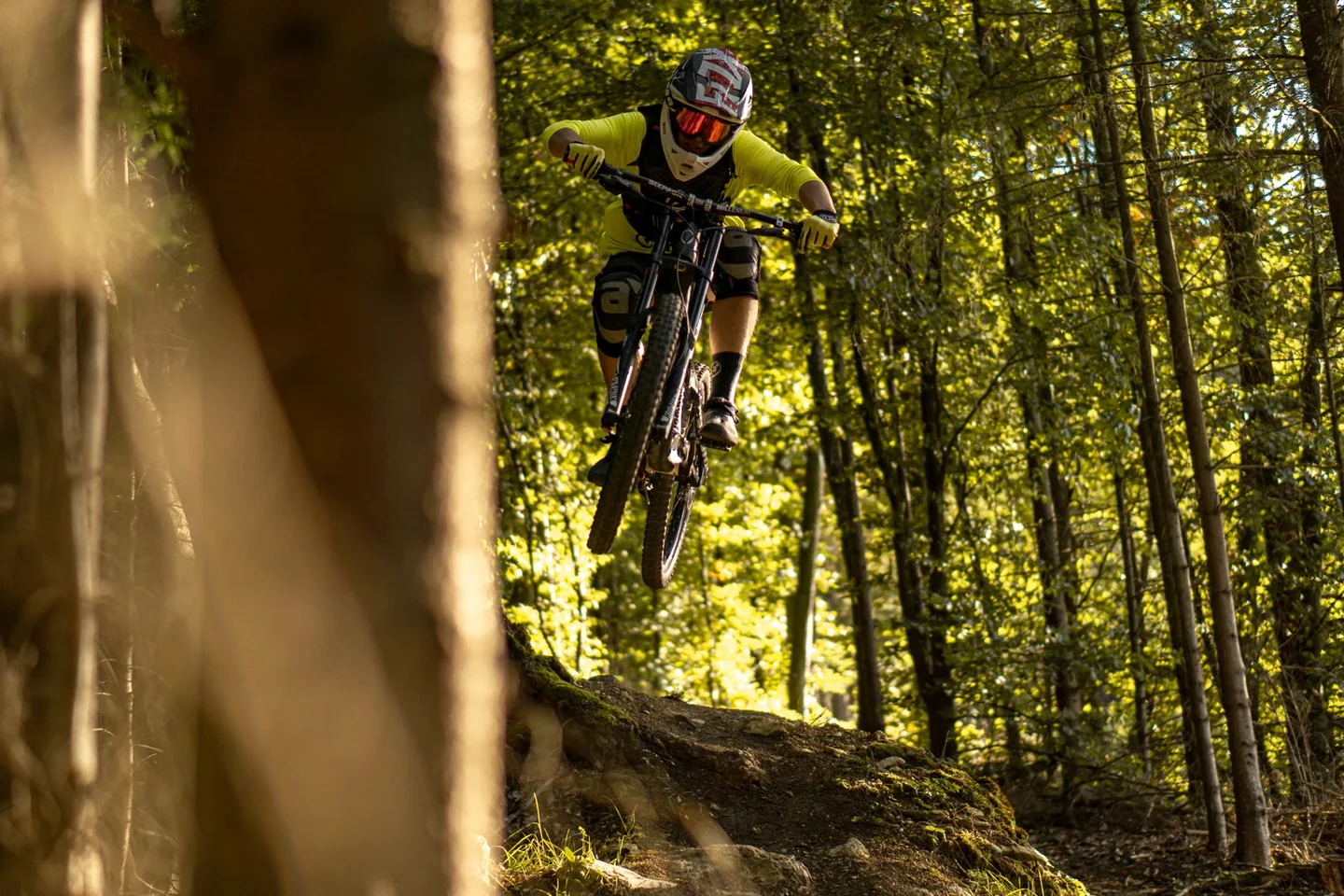
The 2026 edition of X Brujas Bike in Jabaloyas puts the short course at the center of the conversation: 32 km and 800 meters of positive elevation gain, a distance that is not small, but is more accessible than the other two options on the day. The event is scheduled for June 20, 2026, at 9:00, and shares the start with a very clear sporting menu: 51 km for the long route and 70 km for the xtrem format.
In the case of the short circuit, the appeal is not only in the numbers. It is the gateway to a mountain bike ride with character, in a mountain setting that forces riders to measure their strength from the very first climb. The organizers have set an entry fee of 40 euros for the short distance, the same rate as for the rest of the routes, and registration remains open until June 17 at 23:59, provided the limit is not reached earlier.
A short route that does not give up elevation
The 32 km layout fits well with the logic of an event presented as a shared challenge, not a stroll. Eight hundred meters of accumulated climbing make this option a short distance only in comparison with its bigger sisters, because in MTB the real length of the effort is not measured in kilometers alone. The elevation, the surface, and the climbing rhythm matter just as much as the line on the map.
The information released by the organization through its channels makes it clear that the short route is part of the same event and the same competitive spirit. This is not a flat ride or a merely recreational loop. The mountains of Jabaloyas set the script, with terrain that demands endurance, technical control, and smart energy management. For many cyclists, that combination is precisely what makes choosing the short version worthwhile.
The 32 km figure is also useful for understanding the nature of the event. It is a distance that allows participation without facing the wear and tear of the longer routes, but still offers enough toughness to reward those who know how to ride intelligently. In MTB, that balance is gold: neither a symbolic outing nor an extreme endurance test, but an intermediate point where pace management remains decisive from start to finish.
Schedule, venue and registration calendar
The start is set in Jabaloyas, Teruel, with the official departure at 9:00 on Saturday, June 20, 2026. The event listing itself places the race within the mountain biking calendar and confirms that the organization is run by Brujas Bike. It is a date at the very start of summer, when the heat begins to demand a more precise reading of effort and hydration becomes more important from the first kilometers.
Registration opened on March 20, 2026 at 20:00 and closed on June 17, 2026 at 23:59. That time window suggests fairly typical planning for this kind of event: months in advance to secure a spot, check equipment, and choose a distance, but also a closing date relatively close to the race to finalize logistics. The organizers indicated that registration was closed once the deadline had passed, a circumstance worth keeping in mind for future editions.
The exact location listed on the platform places the venue in 44122 Jabaloyas, Teruel, Spain. That geographic reference, beyond the postal detail, helps explain the type of setting: a small town surrounded by inland landscape, where mountain biking fits naturally. It is not a neutral backdrop; the terrain is part of the event’s appeal and shapes both the course design and the participant experience.
What sets the short course apart within the event
In an event with three distances, the short route is usually the most versatile, but that does not make it the simplest. Here, 32 km with 800 meters of positive elevation offer an experience compact enough for those who want to pack the intensity into one morning, without entering the prolonged demands of the xtrem format. It is a formula that suits both cyclists looking for a serious day out and those who prefer to keep some physical margin without giving up the race atmosphere.
Comparison with the other routes helps calibrate its role. The long course rises to 51 km and 1,450 meters of positive elevation gain, while the xtrem reaches 70 km and 2,000+ meters. Against those figures, the short route reduces time on the trail, prolonged descents, and accumulated fatigue, but it does not eliminate the leg work. 800 meters of climbing over 32 km still create a demanding profile, especially if the terrain breaks the rhythm and forces short, sharp efforts.
There is also an important competitive nuance: e-bikes can take part in all three distances, although the separate classification with trophies is reserved for the 51 km route. That decision leaves the short course open to a broad range of participants, without changing its identity. It remains a mountain bike event with a human-effort logic, where electric assistance broadens participation but does not erase the event’s personality.
Flat rate and a clear reading of the price
Registration for the short route is set at 40 euros. That amount matches the other distances, suggesting a homogeneous pricing policy that is easy for participants to understand and easy for the organizers to communicate. There are no complex pricing tiers or large differences between stages; the criterion is straightforward and avoids last-minute confusion.
In MTB events of this kind, the price does not only buy a bib number. It also covers the basic event structure, the use of marked routes, logistical work, and the organizational coverage needed for a multi-hour day. The real value of the registration is better understood in relation to the setting, the distance, and the demands of the terrain. In a mountain event, the fee reflects the whole package of resources mobilized rather than the raw number of kilometers.
The fact that the cost is identical across the three options also sends a practical message: the choice of distance depends on the legs and the race plan, not on the budget. That simplifies the decision and puts the focus where it should be, on the physical profile of the route and on each cyclist’s strategy for a day that can last much longer than the starting number suggests.
An environment that shapes the experience
Jabaloyas is not just any name on the mountain calendar. Its location in Teruel, in an inland and relatively high-altitude setting, brings that unmistakable feel of mountain biking events in Aragón: silence, open landscape, and terrain earned meter by meter. Here, the bike moves as if reading a contour map, with the scenery changing to the rhythm of the climbs and turns.
On a day like this, June weather adds a layer of uncertainty. The early hours are usually the best window for riding with some freshness, but the heat can make itself felt quickly. That is why the 9:00 start makes sporting and organizational sense: it allows the race to begin with less sun exposure and leaves room for the event to unfold within a still reasonable time slot for a mountain race.
The race’s pre-event coverage has also emphasized the routes and their profiles, a detail that reveals participants’ interest in comparing elevation gain rather than simply choosing by name. In MTB, the map rules. And in Jabaloyas, the map is not a formality: it is the first rival to be measured.
Practical keys that explain the demand for the short route
The short course usually attracts a very broad profile. From cyclists looking to complete the event without completely emptying the tank to those who prefer a compact distance with a solid dose of mountain riding. That breadth makes it an especially sensitive option in terms of each rider’s fitness, downhill technique, and ability to maintain a steady cadence when the gradient begins to bite.
There is also an energy-management reason. In a race or ride with accumulated climbing, 32 km can become an intense but manageable experience, something that does not always happen over longer distances. The short route lets riders read the terrain with more margin, absorb less mechanical wear, and save a bit of mental energy, which also matters in mountain events. It is not just a matter of legs; it is a matter of attention, line choice, and patience.
The presence of three distances in one event helps the short route avoid being seen as a lesser version and instead gives it its own identity. In reality, the right choice depends on what each participant is looking for: concentrated intensity, moderate challenge, or a long day of endurance. The short distance in X Brujas Bike in Jabaloyas stands on its own, because it offers the most balanced synthesis between accessibility and demand.
Documentation, rules and organizational details
The event includes specific documentation, among it the X Brujas Bike rules and a parental authorization for minors, two standard pieces in events of this kind that point to a formalized organization attentive to legal aspects. That documentary side often goes unnoticed by the general public, but in mountain events it is essential: it clarifies rules, responsibilities, and participation conditions.
In addition, the event listing states that registration is managed by CroNoLimits through RockTheSport. That detail points to a digital registration structure already well established in the sports circuit, with a system for registration and control that simplifies the relationship between organizer and participant. In an event with different routes and possible technical categories, having a clear registration system reduces errors and streamlines the process.
The available information also notes that the organizers reserve the right to modify the route. This is not unusual, but rather a standard clause in MTB events for safety, weather, or last-minute adjustments. In the mountains, the route is a living element, not a fixed drawing on paper. That room for adaptation is part of the normal language of these competitions and should be understood as a preventive measure, not as an exception.
A race that concentrates the appeal of inland MTB
The short version of X Brujas Bike captures the appeal of inland mountain biking events very well: manageable distance, serious elevation, and a full-event atmosphere. The route does not have to be the longest one to leave a mark; sometimes 32 well-designed kilometers, 800 meters of climbing, and a mountain setting are enough to build a demanding and memorable day.
That is why this distance should not be seen as a filler option, but as a proposal with its own identity. The 9:00 start, the uniform 40-euro fee, the mid-June closing date, and the coexistence with tougher routes shape a solid, recognizable, and well-structured event. The short route works as a balance: enough challenge to matter, enough restraint to attract diverse profiles, and enough mountain terrain to keep the name Jabaloyas associated with a morning of real effort.
In the mountain biking landscape, that balance is what separates a simple date on the calendar from a race with its own identity. And in this edition, the short route of X Brujas Bike seems designed precisely for that: to offer a complete experience without having to ride the maximum distance, with the mountain always present and the stopwatch as a quiet witness to well-managed effort.



How to prevent thigh chafing: causes and real solutions

Women’s running windbreakers: seven jackets and how to choose

Do more workouts get rid of soreness? A guide for runners

Jaén Half Marathon 2026: Record 3,800 Runners Registered

Men’s short running tights: how to choose the right pair

World Triathlon confirms data breach involving medical data

Izan Edo targets podium at Miyazaki World Cup

María Pérez ranks ninth in World Athletics’ 2026 top ten

Dos Santos, Duplantis and Sawe: World Athlete of the Year finalists

San Silvestre Vallecana 2026: 42,000 places, prices and start times

 Races3 months ago
Valencia Half Marathon 2027: date and registration

 Races3 months ago
Valencia Marathon 2026: entry, ballot and course

 Reviews and Comparisons4 months ago
Asics Gel-Roadmiles 3 for men: review and current price

 Reviews and Comparisons4 months ago
Asics Gel Sonoma 8 Gore-Tex: complete analysis for trail and rain

 Sneakers3 months ago
Saucony Endorphin Pro 4: full review and verdict

 News5 months ago
Strava API 2026: what changes for clubs, challenges and runner apps?

 Reviews and Comparisons5 months ago
Nike Alphafly 3: opinions, sensations, and real key points

 Reviews and Comparisons4 months ago
Under Armour running shoes review 2025-2026: models and key features

 Sports Equipment4 months ago
Shoe sizes in cm: a clear guide to getting the right fit for your footwear

 Sneakers3 months ago
Skechers GO RUN Consistent 2.0 analysis: comfort and limits

 News5 months ago
Valencia Marathon 2026 route: key tips to train and run better

 Sneakers4 months ago
Adidas Adizero Boston 13 for men: review and verdict