Races
CAMOVI 2027: date and distances
Viveiro will host another edition of its mountain race, with three distances and challenging elevation.

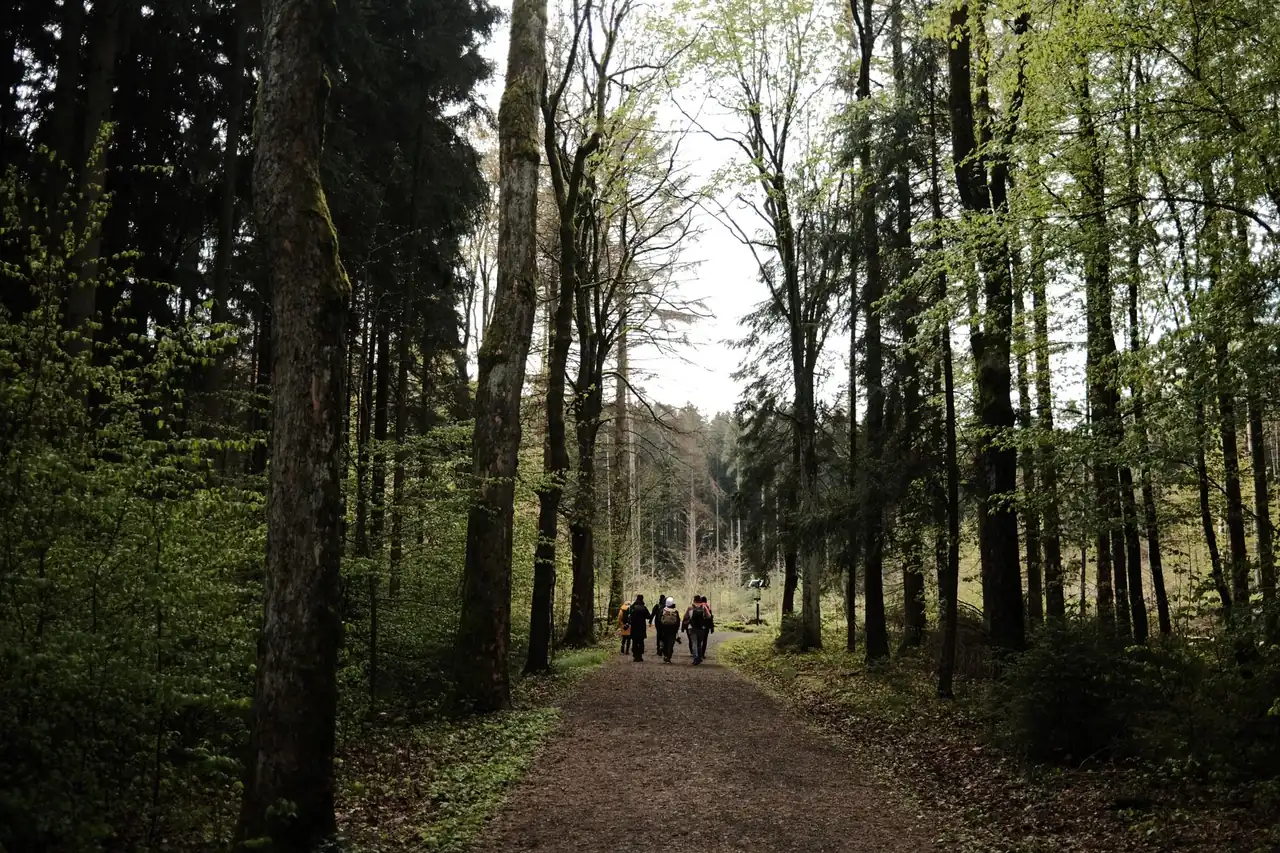
The Montes de Viveiro Mountain Race now has a confirmed date for its 2027 edition: April 17 in Viveiro, Lugo. Available information lists three routes of 10, 21 and 42.9 kilometres through mountainous terrain, with positive elevation gain rising substantially with each distance.
The event, known as CAMOVI, combines the sporting appeal of trail running with the landscape of the mountains surrounding the Landro valley. For anyone considering taking part, the key point for now is that the date is confirmed, but sufficient public details are not yet available on start times, prices, final routes or registration opening for 2027. Those details should not be inferred from previous editions.
A confirmed date for running in Viveiro
The next edition is scheduled for April 17, 2027, in Viveiro, a municipality in the province of Lugo, in Galicia. The date places the race in the middle of spring, when mountain conditions can change quickly: a cool morning, damp sections and temperature differences between exposed areas and more sheltered stretches.
Having the date confirmed makes it possible to begin fitting the event into a race calendar and planning travel. However, it does not mean that the full programme has been finalised. The available information does not give a start time or specify the exact start and finish location, so those details will have to wait for an announcement from the organisers.
It is also important to distinguish between announcing a date and opening registration. No entry fee, registration period or booking procedure has been confirmed. Conditions may differ from one edition to another, so fees and schedules from previous years cannot be treated as confirmation for 2027.
Three distances, three ways to experience the mountains
The available information lists three options: 10 kilometres, 21 kilometres and 42.9 kilometres. They are not simply short, medium and long versions of the same outing. The elevation gain associated with each course points to different levels of effort, both in duration and in the way the terrain can build fatigue.
The 10-kilometre route is listed with about 450 metres of positive elevation gain. It is the shortest announced option, but that figure is enough to rule out the idea of a flat or purely recreational course. In the mountains, successive climbs and descents can make 10 kilometres demand more time and attention than the same distance on asphalt.
The 21-kilometre course is listed with approximately 1,100 metres of cumulative climbing. That places the middle-distance event on notably demanding trail terrain, where pacing and energy management matter more than starting fast. The climbs also place a different strain on the legs from the descents, adding to the challenge over the full distance.
The long course covers 42.9 kilometres and 2,640 metres of positive elevation gain. Although it exceeds the distance of a conventional marathon, its difficulty cannot be understood by mileage alone: the accumulated climbing and the nature of the terrain can considerably extend the time spent racing. The reference listing identifies it as the most popular option, but provides no participation figures or registration details for the new edition.
The distances and elevation figures should be read as the information currently available, not as a complete course guide. No detailed profiles, aid-station locations, cut-off times or technical specifications for the routes have been published here. Those details are essential when comparing options and preparing to take part, so they should be checked once the updated regulations are released.
The Montes de Viveiro and the Landro valley
The race’s name refers to the mountains surrounding the Landro valley in the municipality of Viveiro. The event began with the aim of traversing this group of mountains and turning the local landscape into a sporting arena. In a trail race, the terrain is not merely a backdrop: it shapes the climbs, exposure to weather and character of each section.
Viveiro lies in A Mariña Lucense, a region where coastline and mountain terrain meet within a short distance. That proximity adds variety to the landscape, although it does not reveal the exact race route. The available information does not name particular mountains, paths, villages along the course or viewpoints, so any more detailed route description would be speculation.
Spring can bring changeable conditions in Galicia. Recent rain, humidity and ground conditions affect traction, particularly on descents and on sections with dirt or loose stone. There is no reliable weather data that can forecast conditions on race day this far in advance; the appeal of the setting does not remove the need to check the forecast closer to the date.
For those travelling from elsewhere, Viveiro is part of the experience too. Runners and companions can extend their stay and explore the coast and inland areas of the region. Even so, the information consulted does not include transport guidance, recommended accommodation or special services for participants.
A race with a history in Galician trail running
CAMOVI began as a local challenge to traverse the mountains surrounding the Landro valley. Since 2011, the initiative has grown into an established mountain event in Viveiro. That evolution helps explain why the event is presented not only as a competition, but also as a way to draw attention to the landscape and the municipality.
In 2016, the race was selected as the second event in the Spanish Mountain Running Cup. That milestone is part of its history, but it does not mean the 2027 edition will be included in a national competition. There is no confirmation that the next event will be part of the Spanish Cup or another circuit, so the status of earlier editions should not automatically be carried forward.
In 2026, the event reached its 15th edition, and that year’s announced programme included activities spread across two days, with children’s races, a walking event and several competitive distances. That describes the 2026 edition, not the 2027 programme. The date now confirmed for the following year is April 17, but no additional activities or schedule have been announced.
The continuity of a race also depends on its relationship with the host community. In 2026, the Xunta de Galicia highlighted CAMOVI’s role in promoting sports tourism and said that the event had drawn an average of about 1,000 people to Viveiro in previous editions. That average comes from an institutional reference to earlier editions and is not an attendance forecast for 2027.
What is known and what remains to be confirmed
The strongest information available for the 2027 edition is clear, though still partial: it will take place in Viveiro on April 17, with three distances of 10, 21 and 42.9 kilometres. The route listings associate those courses with approximate positive elevation gains of 450, 1,100 and 2,640 metres, respectively. These are the figures that currently give runners a sense of the sporting challenge.
By contrast, the start time, meeting point, start and finish address, entry fee and registration status have not been specified. Nor have the detailed routes, mandatory equipment, categories, aid stations or withdrawal rules. The absence of these details does not mean the organisers will not publish them; it simply means they cannot yet be treated as confirmed.
There is also a calendar detail worth handling accurately: April 17 is the date supplied for the 2027 event, while the reference listing’s late-April wording is a general calendar estimate. For reporting on the specific edition, the confirmed April 17 date takes precedence over an approximate indication. The day of the week does not confirm the start time or the full programme.
Runners comparing this event with other races should consider elevation gain alongside distance, rather than looking only at each route’s label. A mountain half marathon with 1,100 metres of climbing creates a different workload from a road half marathon. Likewise, 42.9 kilometres alone do not indicate how long the effort will take: the profile, surface and cut-off times are still unknown.
Elevation changes how each course should be read
Positive elevation gain is the approximate total of all the climbing on a route. It does not show how high a single hill is or how the ascent is distributed across the race. Two courses with the same distance and elevation gain can feel very different if one concentrates the climbing at the start while the other alternates short climbs, descents and further ascents.
For that reason, the 450 metres on the shortest option should not automatically be taken as a minor challenge. A sustained slope may require fast hiking, while a technical descent calls for control and muscular strength even if it allows quicker forward progress. The surface matters too: running on compact track requires less attention than mud, loose stone or a narrow path.
On the middle-distance course, 1,100 metres of climbing suggest a race where pacing is essential. The effort can gradually affect the muscles, and feeling strong at the start does not guarantee that the same energy will remain in the closing stages. Without an official profile, it is not possible to identify the decisive climbs or sections where the pace may become smoother.
The 42.9-kilometre option combines a distance beyond the classic marathon with 2,640 metres of positive elevation gain. That combination usually calls for sustained attention to food, hydration and pace, although individual needs depend on experience, expected time and conditions on the day. Without regulations or information on aid stations, it would be unwise to assume what resources the race will provide.
Viveiro beyond the start line
A mountain race can bring together athletes, family members and visitors who arrive for different reasons over the same weekend. In Viveiro, that movement becomes part of a region with a strong identity, from the Landro valley to the coast of A Mariña. The event can therefore offer an opportunity to explore the area, although the 2027 visitor programme has not yet been detailed.
The Xunta presented the 2026 race as part of its support for sports tourism. In that announcement, it reported that sports tourists in Galicia spent an average of 119.5 euros per person per day, based on the figures cited at the time, and highlighted the potential of such events to spread tourism beyond the busiest periods. That figure is a regional average, not the cost of taking part in CAMOVI.
The same institutional information reported that in January 2026, the number of travellers in Viveiro rose 3.9% year on year and overnight stays increased 5.6%. These statistics relate to that month and year; they are not measures of the specific impact of the 2027 edition. They provide context for the tourism setting in which the race was presented, but cannot predict hotel occupancy or accommodation availability for the next event.
The relationship between a race and its destination is built from details beyond the competition itself: access to the start, the local welcome and the time visitors spend in the area. In this case, the information published for 2027 does not yet spell out those arrangements. The sensible approach is to follow programme updates before making plans that depend on fixed schedules or services.
A mountain event awaiting its regulations
The 2027 edition already has one essential element: a confirmed date in Viveiro and three options ranging from a short mountain route to a 42.9-kilometre course. The published elevation figures show that the challenge grows with each option and that this is a trail event, not an urban race with a few hills.
The available information still does not answer practical questions about entry fees, registration, start times or the precise course layouts. That caution does not diminish the event’s appeal; it separates announced facts from details that have not yet been made public. The race can be assessed more precisely once the regulations and full programme are released.
In the Montes de Viveiro, distance is only part of the story. The terrain, the Galician spring and the event’s connection to the Landro valley all help define its character. April 17, 2027, is the reference date for the next edition; the exact routes and conditions will complete the picture once the organisers publish the remaining information.
Where to stay in Viveiro
Hotels available 15–18 April 2027.
Affiliate links: if you book through this map we earn a commission, at no extra cost to you.



How to prevent thigh chafing: causes and real solutions

Women’s running windbreakers: seven jackets and how to choose

Do more workouts get rid of soreness? A guide for runners

Jaén Half Marathon 2026: Record 3,800 Runners Registered

Men’s short running tights: how to choose the right pair

World Triathlon confirms data breach involving medical data

Izan Edo targets podium at Miyazaki World Cup

María Pérez ranks ninth in World Athletics’ 2026 top ten

Dos Santos, Duplantis and Sawe: World Athlete of the Year finalists

San Silvestre Vallecana 2026: 42,000 places, prices and start times

 Races3 months ago
Valencia Half Marathon 2027: date and registration

 Races3 months ago
Valencia Marathon 2026: entry, ballot and course

 Reviews and Comparisons4 months ago
Asics Gel-Roadmiles 3 for men: review and current price

 Reviews and Comparisons4 months ago
Asics Gel Sonoma 8 Gore-Tex: complete analysis for trail and rain

 Sneakers3 months ago
Saucony Endorphin Pro 4: full review and verdict

 News5 months ago
Strava API 2026: what changes for clubs, challenges and runner apps?

 Reviews and Comparisons5 months ago
Nike Alphafly 3: opinions, sensations, and real key points

 Reviews and Comparisons4 months ago
Under Armour running shoes review 2025-2026: models and key features

 Sports Equipment4 months ago
Shoe sizes in cm: a clear guide to getting the right fit for your footwear

 Sneakers3 months ago
Skechers GO RUN Consistent 2.0 analysis: comfort and limits

 News5 months ago
Valencia Marathon 2026 route: key tips to train and run better

 Sneakers4 months ago
Adidas Adizero Boston 13 for men: review and verdict