Races
Trail Els Esterregalls 2027: distances, route and date
All will host several mountain events in July 2027, from a half marathon to races adapted for younger runners.

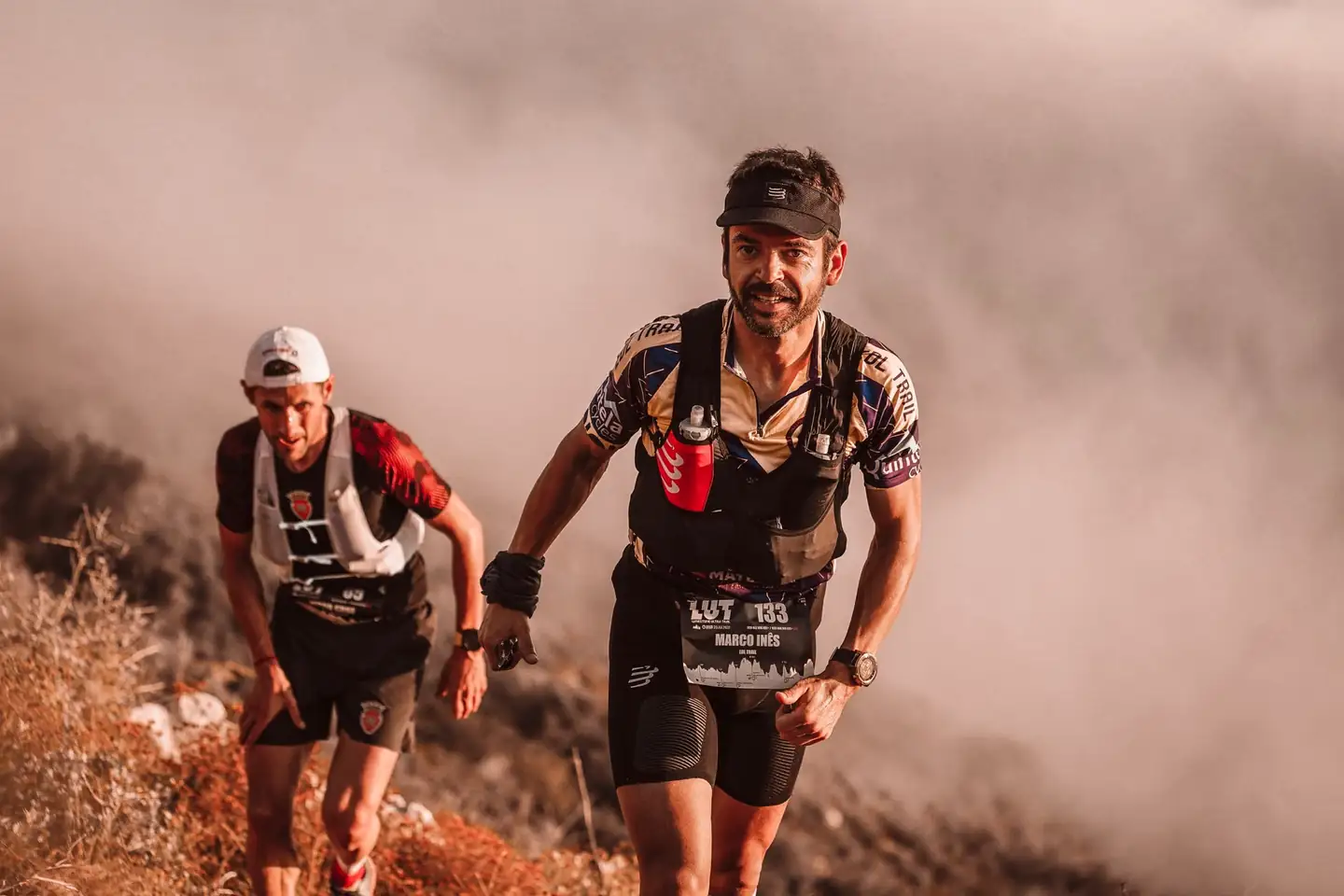
Imagen: RUN 4 FFWPU / Pexels
All, in Catalonia’s Cerdanya region, will host a mountain sports event on July 11, 2027, with several options for running or walking. The programme includes a 21-kilometre half marathon with 900 metres of positive elevation gain, a 15-kilometre trail race with 550 metres of climbing, a 21-kilometre walk and children’s races scheduled for the previous afternoon.
The event brings together different distances and paces in an environment of forests, valleys and mountain paths. Available information describes parts of the routes but does not specify details such as start times, prices, the exact start and finish locations or registration status. Those details should not be treated as confirmed until the organisers publish the event programme.
A mountain event in Cerdanya
The event is based in All and the landscape of Cerdanya, a Pyrenean region where routes cross valleys, slopes and wooded sections. The race description refers to paths and trails, with open views in some areas, but does not provide the complete course map or enough detail to reconstruct it kilometre by kilometre.
The 2027 edition is scheduled for Sunday, July 11. The programme also lists children’s races for the afternoon of Saturday, July 10, alongside race-pack collection for the following day. The adult events and the children’s races therefore do not take place on the same date.
The race name is associated with Els Esterregalls, but the reference information does not give a specific address for the start or confirm that all events share the same starting point. It also gives no start times for the main races. For a mountain event, those details shape travel plans and the time available before the start, so the official programme is needed.
The half marathon: 21 kilometres and 900 metres of climbing
The longest running option covers 21 kilometres with 900 metres of positive elevation gain. It is described as a demanding route, starting fast towards Olopte, climbing to Tossal d’Isòvol and descending towards the Duran river. A long climb towards Salt de Comaní follows, before a final descent to the finish.
That sequence alternates faster sections with climbs that can change the feel of the race. A quick start does not mean the effort will be easy: the accumulated elevation and the long ascent later in the route may make it important to conserve energy early on. Available information does not specify gradients, surfaces, aid stations or cut-off times, so the technical level and participation requirements cannot be assessed precisely.
The 900 metres of climbing provide a more useful point of comparison than distance alone. Two 21-kilometre mountain routes can feel very different depending on gradients, ground conditions and how the climbs are distributed. The route described includes both fast descents and a sustained ascent, a combination that also calls for concentration when fatigue sets in.
The 15-kilometre trail through forests and valleys
The trail option covers 15 kilometres with 550 metres of positive elevation gain. Organisers describe a course winding through forests and valleys, with open views and flowing, relatively non-technical trails. It is shorter than the half marathon, but it remains a mountain race: distance alone cannot predict the effort required by the climbs and terrain.
The description presents the course as accessible to runners with different levels of experience, but that does not guarantee an easy race. Elevation, surface and individual pace all shape the experience. No detailed elevation profile or ground-condition report has been provided, so it is not possible to say what proportion runs on forest tracks or narrow trails.
For anyone comparing the two races, the difference is more than the six kilometres between them. The half marathon adds 350 metres of climbing and includes a long ascent in its description, while the 15-kilometre trail is presented as a shorter option with flowing paths and a more moderate elevation profile. Both events require runners to consider the climbing, not just the distance.
The 21-kilometre walk
The programme includes a walk of 21 kilometres and 900 metres of positive elevation gain, matching the long race in distance and accumulated climbing. It is intended for people who want to explore the area at a more relaxed pace, using forest tracks and trails, with time to take in the Cerdanya landscape rather than race for speed.
Being described as a walk does not make a long route with nearly 900 metres of climbing undemanding. The time needed will depend on each participant’s pace, breaks and the conditions on the day. Available information also does not state whether walkers will have a maximum pace, a time limit or dedicated services, details that may matter when planning a full day outdoors.
The walk broadens the event beyond people seeking a race bib. It also offers a way to share the route with family or friends who would rather travel on foot. Even so, it is important to distinguish a recreational mountain activity from a short stroll: 21 kilometres calls for preparation suited to the distance, appropriate footwear and attention to hydration and time on the route.
Children’s races on Saturday afternoon
The children’s events are scheduled for the afternoon of Saturday, July 10, 2027, during race-pack collection for Sunday’s events. The programme lists SUB14, SUB12, SUB10, SUB8, SUB6 and SUB4 categories, dividing participants by age so the activity can be adapted to different stages of childhood.
The information provided says the courses will be adapted to age and that children will receive a medal and a snack, as well as age-category results. It does not give the distances for each race or the exact timetable, so the length of each course and the order of the starts remain unknown.
This format lets younger participants join the event without confusing their races with the adult mountain events. Safety and course suitability depend on how each start is organised, but specific details — including supervision, waiting areas and participation rules — are not available. The full programme will be needed to clarify them before race weekend.
What is known and what remains to be confirmed
The clearest planning details are the July 11, 2027, date for the main events and their announced distances and climbing: 21 kilometres with 900 metres of gain for the half marathon and walk, and 15 kilometres with 550 metres for the trail race. The children’s races are also confirmed for the previous afternoon.
By contrast, the reference information does not state entry fees, start times, registration deadlines or whether places are available. It also omits the exact start and finish points, aid stations, mandatory kit, medical services and rules for each event. Assigning figures or conditions to those points without confirmation could mislead readers.
The event details should be completed when the official 2027 information is released. Until then, estimates of travel schedules, duration or cost should be treated as provisional. Distance and elevation describe important parts of the challenge, but they do not replace a full course profile, safety instructions or race regulations.
How to read the elevation and terrain
Positive elevation gain is the total amount of climbing on a route, not the difference between its lowest and highest points. The 900 metres of accumulated ascent on the half marathon and walk may be spread over several sections, although the long-race description mentions a sustained climb towards Salt de Comaní. There is not enough information to establish its length or gradient.
For the 15-kilometre trail, 550 metres of climbing mean less accumulated ascent, but the surface and continuity of the climbs also matter. A flowing trail can make progress easier in some sections while still requiring concentration on turns, descents or uneven ground. The reference describes some sections as relatively non-technical, but provides neither a map nor an independent technical rating.
Weather can alter the experience even if the route remains unchanged. Heat, rain or wet ground affect pace and grip, especially on a course with forest, valleys and elevation changes. There is no basis for predicting conditions this far ahead; it is reasonable, however, to expect clothing, water and pace to be adjusted to the weather forecast closer to race day.
Different ways to experience the mountains
The range of events offers different ways to take part: race a long course, choose a shorter trail, walk through the same surroundings or join the children’s races. These options are not interchangeable. Each has its own distance, elevation and demands, and the right choice depends on each participant’s experience and circumstances.
The half marathon stands out for the contrast between its fast start, climbs and descents; the 15-kilometre trail follows a shorter route through forests and valleys. The walk shares the long course’s distance and climbing figures but has a different purpose and pace. Children’s races are divided into age categories and use adapted courses, although their distances have not yet been published.
With a confirmed date and several announced formats, the event in All is shaping up as a day focused on landscape and outdoor activity. Its appeal will depend on both the courses and practical details still to come. The current information makes one thing clear: there are options for running and walking, but full profiles, schedules and registration conditions will be needed to understand exactly how each event will unfold.
Where to stay in All
Hotels available 9–12 July 2027.
Affiliate links: if you book through this map we earn a commission, at no extra cost to you.



How to prevent thigh chafing: causes and real solutions

Women’s running windbreakers: seven jackets and how to choose

Do more workouts get rid of soreness? A guide for runners

Jaén Half Marathon 2026: Record 3,800 Runners Registered

Men’s short running tights: how to choose the right pair

World Triathlon confirms data breach involving medical data

Izan Edo targets podium at Miyazaki World Cup

María Pérez ranks ninth in World Athletics’ 2026 top ten

Dos Santos, Duplantis and Sawe: World Athlete of the Year finalists

San Silvestre Vallecana 2026: 42,000 places, prices and start times

 Races3 months ago
Valencia Half Marathon 2027: date and registration

 Races3 months ago
Valencia Marathon 2026: entry, ballot and course

 Reviews and Comparisons4 months ago
Asics Gel-Roadmiles 3 for men: review and current price

 Reviews and Comparisons4 months ago
Asics Gel Sonoma 8 Gore-Tex: complete analysis for trail and rain

 Sneakers3 months ago
Saucony Endorphin Pro 4: full review and verdict

 News5 months ago
Strava API 2026: what changes for clubs, challenges and runner apps?

 Reviews and Comparisons5 months ago
Nike Alphafly 3: opinions, sensations, and real key points

 Reviews and Comparisons4 months ago
Under Armour running shoes review 2025-2026: models and key features

 Sports Equipment4 months ago
Shoe sizes in cm: a clear guide to getting the right fit for your footwear

 Sneakers3 months ago
Skechers GO RUN Consistent 2.0 analysis: comfort and limits

 News5 months ago
Valencia Marathon 2026 route: key tips to train and run better

 Sneakers4 months ago
Adidas Adizero Boston 13 for men: review and verdict