Races
Carballo 10K 2026: date, course and registration
Date, course, prices, and atmosphere of a Galician race with options for different types of runners.

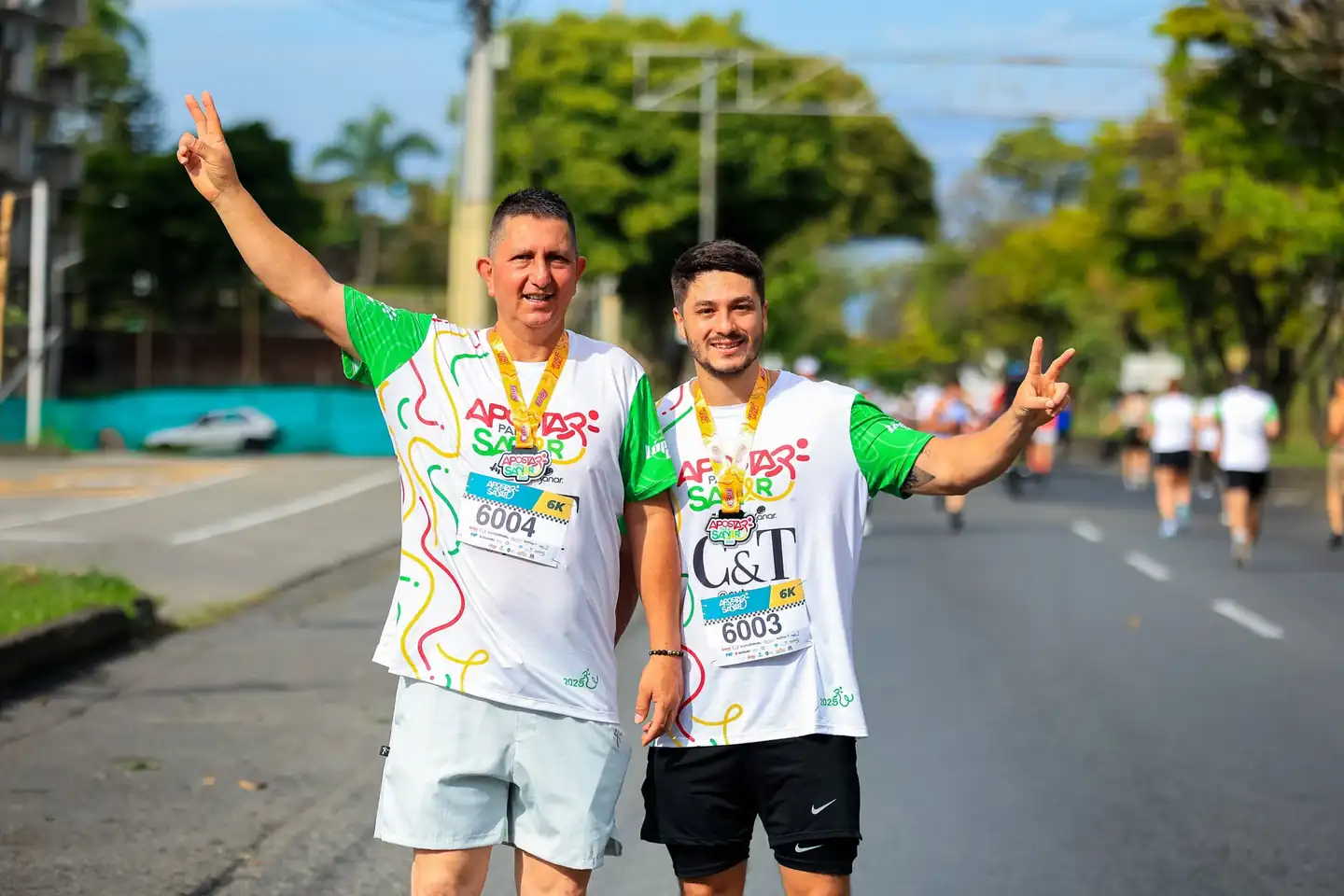
Carballo once again brings popular athletics to the fore with a reference urban race in Galicia, an asphalt race that combines massive participation, certified course and a strongly street-level atmosphere. The 2026 edition takes place on June 7 and keeps two main distances, 10 kilometers and 5 kilometers, in addition to youth categories and grassroots events that turn the day into a true local running festival.
The race is part of the provincial circuit of A Coruña and has technical oversight from the Galician Athletics Federation, an important detail for those looking for reliable times, official placings and an event backed by the federation. The start is located in the area of O Añón de Berdillo, in Carballo, and the price for the open categories of 10K and 5K is 5 euros, while the lower categories take part free of charge.
A city event with a Galician seal
The Carballo 10K has established itself as one of the most recognizable popular races in the area for a simple reason: it is a close, well-timed event with enough competitive structure to attract both those chasing pace and those who simply want to enjoy a morning with bib number and asphalt. It is not a showcase race; its strength lies in the town’s pulse and in that mix of sport and belonging that local events preserve better than any other.
The organization is run by the Carballo Town Council, a detail that explains the municipal weight of the event and the attention given to grassroots categories and family participation. In practice, this translates into a broad day with several starts and a format that is not limited to the flagship distance. The race is not understood only as a 10K, but as an accessible competition block, with room for experienced runners, first-timers and minors.
The sporting context also matters. The event is certified, something that for many athletes means more than an administrative label: it implies a reliable reference for measuring times, comparing marks and fitting the race into a season plan. In an increasingly crowded calendar, that kind of guarantee carries weight. The provincial circuit also adds an extra incentive for those following rankings or linking together several events in the area.
Distances and participant profiles
The main distance is 10 kilometers, but the program does not stop there. There is also a 5-kilometer option, designed for those who prefer a shorter race, for runners who are just starting out on the road, or for those who want a lighter load for an early-June event. That dual offering broadens the race’s appeal and prevents it from being boxed into a single profile.
The competitive structure also includes youth categories, with limited places according to the regulations, and events aimed at the youngest runners. This coexistence between performance and grassroots creates a very recognizable atmosphere in Galician popular races: a morning of the stopwatch for some, a debut day for others, and an improvised grandstand of family members and companions that turns the course into a small human corridor.
There is also room for athletes with disabilities, with specific categories and particular conditions for guide participation in the case of visual impairment. That detail is not minor. It speaks to a race that has adapted its structure to a broader idea of competition, in which athletics is not reduced to the elite or to the most eye-catching part of the podium, but opens up to different levels of access and experience.
Date, venue and times that shape the logistics
The 2026 edition is scheduled for Sunday, June 7, a date already established in the early summer stretch of the sporting calendar. The start time is not provided in the reference information consulted, so it is best not to force certainty where there is none. What is clear is the geographic setting: Carballo, in the province of A Coruña, with the start in O Añón de Berdillo, a point that places the race in the town’s urban and peri-urban surroundings.
That setting has practical implications. June usually offers milder conditions than other months of the calendar, but Galicia also plays by its own weather script. The average temperature in the area can be moderate, although humidity and the possibility of rain are part of the usual landscape. In a road race, this affects grip, clothing choices and the perception of effort, especially in the first kilometers.
The start location is not a decorative detail. It defines access, pre-race gathering, companion logistics and, in many cases, the mental image the runner takes away. O Añón de Berdillo connects the race with a recognizable setting for the municipality and gives the day its own identity, far from the generic circuits that repeat from city to city without leaving a mark.
A certified course designed for real running
The course is asphalt and certified by the Galician Athletics Federation, which provides an obvious advantage for those seeking a solid time. Certification does not magically make the race fast, but it does offer a reliable basis for comparing times, calculating paces and understanding performance without distance distortions. For a 10K runner, that precision is no small luxury.
The available reference does not publish a complete official track, so the exact layout of the circuit must wait for the organizers’ documentation. Even so, the urban nature of the event allows us to anticipate the kind of effort it usually requires: gentle pace changes, more open stretches where the wind may be felt, and passing zones where it pays to stay disciplined with effort. In a race like this, the terrain does not punish with extreme climbs, but with management.
The tactical reading of an urban 10K in Galicia is usually clear: start with your head, do not waste energy in the first kilometers and make use of the return of sensations once breathing stabilizes. That logic works both for those chasing a time and for those aiming to finish with good feelings. Carballo offers exactly that kind of scenario, less spectacular than a big capital city, but more honest in its relationship between effort and result.
Registration, prices and official limits
The registration fee for the open 10K and 5K categories is 5 euros, a very modest amount for a certified race with federation backing. The lower categories register for free, which reinforces the event’s popular profile and makes participation easier for families and local clubs. In a context where many urban races have become more expensive, that figure places Carballo in a particularly accessible range.
The rules also set clear participation limits. The maximum for the 10K and 5K open categories is 1,000 runners, while the youth categories have a cap of 750 participants and the Tiny Tots and Baby events another 750. The event as a whole cannot exceed 2,500 entries. These numbers help explain the real size of the race: large enough to create atmosphere, but still manageable in organizational terms.
Managing places is not a minor detail, because it conditions access and the day’s planning. In events of this kind, the course capacity, technical control, support services and safety require limits to be set. That restraint, far from reducing appeal, usually improves the overall experience: less crowding, clearer services and a better organized competitive environment.
Categories, diversity and club atmosphere
The race brings together open, veteran, junior and children’s categories, and also includes a 100-meter event for diversity, a symbolic and meaningful proposal within the program. This combination turns the event into something broader than a simple 10-kilometer start. What you see in Carballo is a complete ecosystem of popular athletics, where very different goals coexist under the same competitive morning.
For clubs, this structure is especially useful. It allows them to travel with heterogeneous groups, give younger athletes experience and keep distance runners within a recognizable competitive circuit. It also encourages companion attendance, because the day does not depend on a single time slot or a single start. The result is a longer, livelier atmosphere, more conducive to the race leaving a mark on the municipality’s collective memory.
In a popular race, the social climate matters almost as much as the stopwatch. The applause at the passing points, the mix of languages and accents, the runners crossing paths before the start and the children waiting for their turn paint a very Galician scene: sober, close and built from the local level. Carballo sustains that identity naturally, without any need for artifice.
What runners can expect in Carballo in June
June usually offers a reasonable combination of temperature and daylight, although in A Coruña the weather is rarely contained within a perfect mold. The weather reference consulted for these dates points to mild highs and notable humidity, with a chance of rain. In runner’s terms, that means the race may be pleasant, but it should not be underestimated: a cool, damp morning can completely change the feeling of effort in the second half of the course.
In that context, pace choice becomes almost as important as the bib number. A certified urban circuit invites ambition, but not excessive optimism. The first meters are usually deceptive, because adrenaline and atmosphere make you think you are running faster than you really are. In a 10K, that mistake comes with interest. Carballo, because of its format and size, usually rewards consistency more than a dramatic burst.
The race also works as a sporting excuse to look around. The area has its own identity, and that adds value to any trip. Without turning the race into a tourist guide, it is enough to remember that the runner’s experience does not end at the finish line. Arriving, competing, walking for a few minutes afterward with empty legs and feeling the Atlantic freshness is part of the story. Some races are run; others are also remembered for their context.
A race that keeps gaining weight in the calendar
The Carballo 10K does not rely on trends, but on continuity. Its value lies in having built a stable, recognizable event that fits neatly into the Galician calendar. The federation presence, certification, modest prices and mix of distances explain why it remains of interest edition after edition. It does not need to be sold as a novelty to stay relevant.
At bottom, its strength rests on a very simple idea: a popular race works when it clearly delivers on what it promises. Carballo offers asphalt, control, several distances, grassroots categories and an organization integrated into the provincial calendar. That combination is less flashy than a major international event, but much more useful for the runner looking for a specific, nearby and serious race.
That is why the race has relevance beyond the marked date. It speaks to the health of local athletics, to the ability of town councils to sustain events with identity, and to the continued relevance of urban races as a sporting meeting point. In an increasingly fragmented season, Carballo reminds us that there is still room for events born from the territory and better explained from the street than from grandiloquence.
The mark left by a well-established popular race
The Carballo 10K represents the kind of event that does not make unnecessary noise, but does build habit. Year after year, its calendar attracts runners who value the certified route, affordable entry and an atmosphere where competition coexists with grassroots athletics. In an increasingly diverse running industry, that mix has an importance that is not always visible in headlines, but is in the real movement of participation.
The 2026 edition arrives with clear figures, a regulated framework and a consolidated position within the provincial circuit. In the absence of details such as the start time or the full official map, the essentials are already defined: date, distances, price and venue. For the runner, that is enough to understand the scale of the commitment. For the Galician calendar, too. Carballo continues to hold its own place on the road, with the composure of races that know exactly where they stand and do not need to disguise themselves as anything else.



How to prevent thigh chafing: causes and real solutions

Women’s running windbreakers: seven jackets and how to choose

Do more workouts get rid of soreness? A guide for runners

Jaén Half Marathon 2026: Record 3,800 Runners Registered

Men’s short running tights: how to choose the right pair

World Triathlon confirms data breach involving medical data

Izan Edo targets podium at Miyazaki World Cup

María Pérez ranks ninth in World Athletics’ 2026 top ten

Dos Santos, Duplantis and Sawe: World Athlete of the Year finalists

San Silvestre Vallecana 2026: 42,000 places, prices and start times

 Races3 months ago
Valencia Half Marathon 2027: date and registration

 Races3 months ago
Valencia Marathon 2026: entry, ballot and course

 Reviews and Comparisons4 months ago
Asics Gel-Roadmiles 3 for men: review and current price

 Reviews and Comparisons4 months ago
Asics Gel Sonoma 8 Gore-Tex: complete analysis for trail and rain

 Sneakers3 months ago
Saucony Endorphin Pro 4: full review and verdict

 News5 months ago
Strava API 2026: what changes for clubs, challenges and runner apps?

 Reviews and Comparisons5 months ago
Nike Alphafly 3: opinions, sensations, and real key points

 Reviews and Comparisons4 months ago
Under Armour running shoes review 2025-2026: models and key features

 Sports Equipment4 months ago
Shoe sizes in cm: a clear guide to getting the right fit for your footwear

 Sneakers3 months ago
Skechers GO RUN Consistent 2.0 analysis: comfort and limits

 News5 months ago
Valencia Marathon 2026 route: key tips to train and run better

 Sneakers4 months ago
Adidas Adizero Boston 13 for men: review and verdict