Routes
Running in Galicia 2026: routes, areas and tips with practical keys
Galicia opens 2026 with a very full calendar, asphalt and mountain events, and federated races that are already shaping the season.

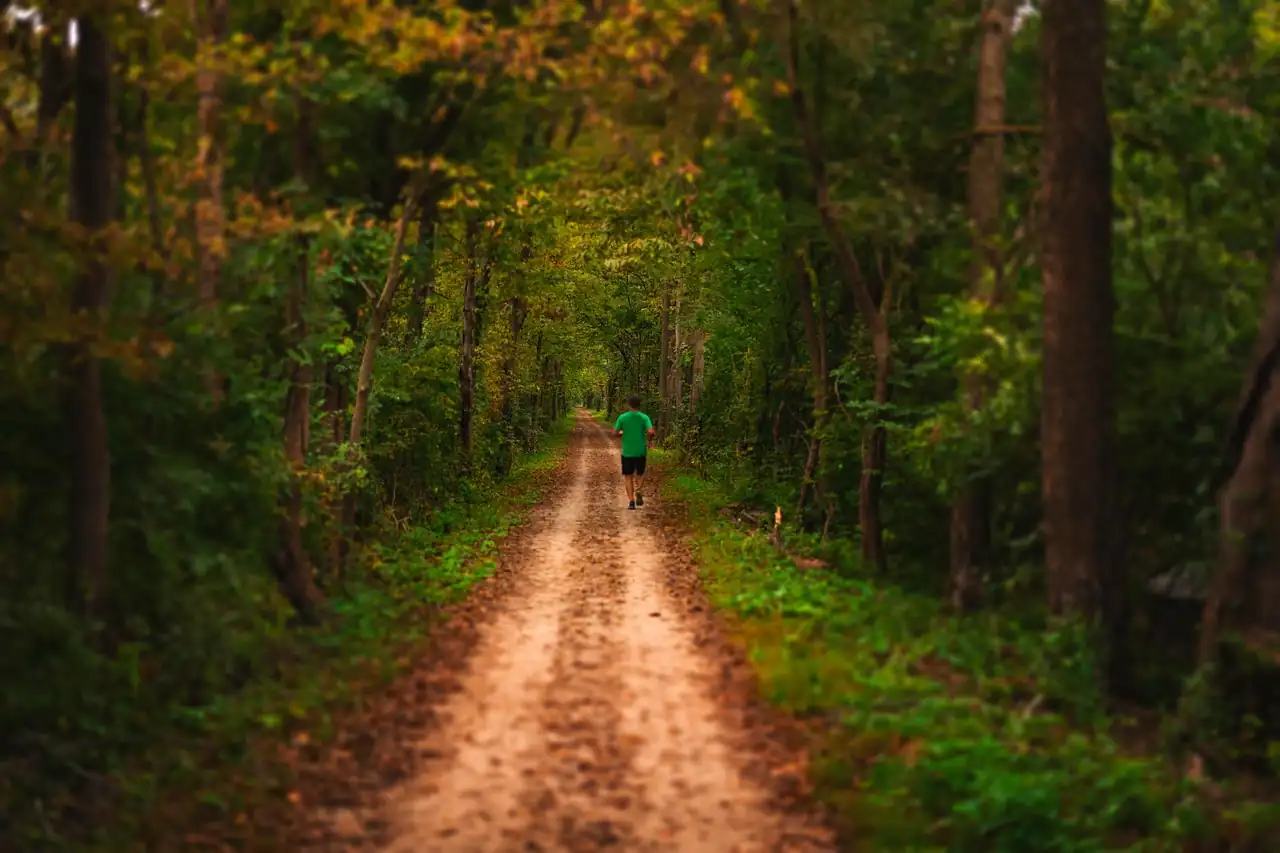
Imagen: JoshuaWoroniecki / Pixabay
Galicia opens the year once again with a competition calendar strongly marked by diversity: road, trail, popular races, night events and federated races share the spotlight between January and December. The start of 2026 is no longer understood just as a succession of bib numbers, but as a sporting map that crosses the four provinces and connects the coast with the mountains, urban centers with villages, and mass races with events of a more technical profile.
The interest in running in Galicia in 2026 is not limited to finding a date on the calendar. It also involves understanding what kind of races dominate each time of year, which distances are gaining ground, how the official trail calendar is organized and why some events have a special ability to bring together runners with very different profiles. In that mix of tradition, territory and competition lies a large part of the appeal of the Galician sporting season.
A calendar split between road, mountain and city
The first big reading of the Galician calendar is its balance. There is not just one runner’s Galicia, but several at once. In winter and spring, road races, half marathons and urban events come strongly to the fore; when the weather and the terrain allow it, trail takes over and fills the circuits of inland regions and coastal areas with elevation, mud and stone.
That distribution also explains why the season keeps its interest for so many months. Road events usually sustain the popular base, while the mountains add a layer of specialization and difficulty that attracts those looking for elevation, technique and a more demanding format. Galicia, with its changing geography, favors that coexistence: on the same weekend there can be a fast race in a coastal town and a mountain event with trails, slopes and sections where the pace breaks at every turn.
Among the names already standing out in 2026 are places like A Fonsagrada, Ames, Muros, Cuntis, Riotorto, Caldas de Reis, Esgos, Santiago, Lugo, Betanzos, Ourense and Santiago de Compostela. This is not just a list of venues: it is a snapshot of Galician athletics, where clubs, local councils and federations sustain a very active competitive network spread across the territory.
The trail events that shape the first half of the year
Trail is once again one of the great engines of the year. On January 31, Trail Terras de Burón in A Fonsagrada opens the season with its reputation as a winter race, tough and very representative of that mountain running that Galicia has cultivated with its own personality. Its format, with options such as ultra, classic and preclassic, sets the bar from the outset and confirms that the calendar does not reserve the mountains only for experienced runners in the final stretch of the season.
The sequence continues with the Castro Trail on February 14, where the absolute, sub23 and masters regional championships are held, and with the Trail Ribeiras do Tambre on March 8, host of the Galician championship for development categories. These are two dates that help show the role of trail as a discipline with a complete structure: from the grassroots to the veteran athlete, from the runner looking to gain experience to the one fighting for a regional title.
Later on, on March 29, Trail Cova da Bruxa in Muros strengthens the spring block with a race that combines sporting appeal and competitive weight. In May comes the Trail Vila de Cuntis and, on May 23, the Trail Muíños de Riotorto. The chain is no coincidence. The Galician mountain season has been organized around events that combine landscape and demand, with routes that force runners to measure effort, technique and adaptability almost every kilometer.
The season closes with an event of great symbolic and collective value: the Galicia trailrunning club championship in San Pedro de Rocas, Esgos, on June 14. In a sport where the image of individual effort is very powerful, championships like this remind us that trail is also run as a group, with team tactics, collective scoring and a broader reading of performance.
Road running still supports the popular base
If the mountains bring toughness and scenery, road running remains the great gathering ground of Galician running. Half marathons and urban races still carry enormous weight because they allow runners to compare times, measure training progress and attract those who prefer faster, more predictable courses. In that field, Galicia moves with ease and maintains races with tradition and strong participation.
There are plenty of examples. The Entre Rías Half Marathon, between O Grove and Sanxenxo, remains a benchmark for its route and atmosphere. Other events such as the Lugo Half Marathon, the Camiño das Letras Race in Santiago or the Praia de Samil Race help sustain a calendar that does not depend solely on the big names of the national circuit. Urban 5K and 10K races are also becoming firmly established, very useful for those who alternate endurance goals with pace-focused events.
The importance of these races is not limited to the time on the finish line. Road races organize the season for thousands of popular runners, because they offer a more accessible setting to return to competition after winter, gauge fitness or look for an intermediate distance without the technical wear of the mountains. In Galicia, moreover, this type of event is usually accompanied by a very recognizable setting: avenues open to the public, a finish line by the sea, a local festival atmosphere and a popular runner who finds there a form of sporting belonging.
The role of the Galician Athletics Federation in the season
The official calendar gains relevance because the Galician Athletics Federation has strengthened its presence in trail and mountain races with a clearer structure, divided between championships, series of different levels and scoring criteria that organize participation. For 2026, that architecture has become even more visible, with races classified in different ways and a system that rewards both individual performance and competitive continuity.
Within that framework, the value of a race does not depend only on its popular prestige. Its role within the official circuit, its weight in the rankings and its ability to attract athletes from different categories also matter. The federation has consolidated a more refined competition logic, in which championships multiply the value of points and series allow many smaller events to stay alive and meaningful throughout the season.
In addition, federated planning provides a useful reading for runners and clubs: the season is no longer organized only around isolated peaks, but in blocks. There is a strong start in winter, a very busy spring and a second-half stretch where the mountains and team performance take over. That design favors continuity and gives more meaning to the athlete’s preparation, but also to the organizational work of clubs and local councils.
What changes in Galician trail in 2026
Galician trail enters 2026 with a more precise idea of competitive hierarchy. The Gold Series and Silver Series labels help distinguish races with greater weight in the rankings from more accessible events or those closer in competitive terms. The Gold Series multiplies the value of points and draws the attention of those looking for a high-level season; the Silver Series, meanwhile, keeps the door open to races that provide continuity and territorial closeness.
Alongside that, regional championships and club events amplify the importance of each race. It is not just about running faster, but about reading the context of the competition. A good placing in a championship race can count for much more than a comfortable position in an open event, and that forces runners to understand the calendar as a network of opportunities, not as an individual challenge isolated in time.
Galician geography and weather: a demanding but rewarding territory
Galicia has established itself as one of the most complete territories for running in Spain. Between the asphalt of its towns and cities, the coastal paths, the damp mountains and the inland valleys, the runner finds a changing setting that demands legs, head and a certain ability to read the weather. The diversity of terrain is reflected in the variety of races and routes, making adaptation a key skill.
There is no single type of race here. Urban runs in cities like A Coruña, Vigo, Lugo, Ourense, Santiago or Ferrol usually feature fast but twisty courses with inclines that break the rhythm. Coastal races add the challenge of salt air, wind and humidity, which can complicate even the flattest profiles. Inland routes tend to be more sheltered but offer steeper climbs and wetter terrain, especially in autumn and spring.
The mountains introduce another language: Galician trails reward technique over pure speed. Runners face changing surfaces—forest tracks, narrow paths, roots, wet stones, mud, and leaves—that require constant adjustments in footing and pacing. This terrain demands a different kind of athletic maturity and mental focus.
Weather, mud and humidity are constants in Galicia and force runners to fine-tune their gear and strategy. Rain is part of the sporting equation, sometimes cooling conditions, other times toughening the course. High humidity affects sweating and perceived effort. Practical choices in footwear—traction on wet asphalt or trails, cushioning, and stability—become decisive, especially in autumn and winter.
Racing pace adapts too. In humid or wet conditions, patience and regulation often trump aggressive starts. Galicia rewards those who run measured races and respect the nuances of terrain and weather.
The popular races that sustain running culture
Popular races are the backbone of Galician running culture. They do not just fill the calendar; they sustain a strong local sporting community. Behind each event are clubs, local councils, volunteers and runners who return year after year because these races have become part of their emotional routine.
A well-run popular race in Galicia activates streets, parks, promenades and squares, turning them temporarily into spaces dedicated to the runner. The format is usually close and flexible, welcoming beginners and seasoned runners alike, often on the same course. Recently, clear routes, quick classifications, accessible results, and growing post-race coverage with photos and stories have become part of the race’s value and appeal.
This ecosystem feeds consistency: when options appear every weekend in different counties, runners stop focusing on a single goal and start linking small challenges together. This dynamic, very Galician in its distribution of effort and territorial connection, has created a broad network of participation. Not all races are big or aim to be; their strength often lies in their local character and community spirit.
Trail, mountains and nature without artifice
While asphalt represents Galicia’s urban pulse, trail running offers a rougher, more sensory experience. Running in the Galician mountains means living with the humidity of the forest, dark earth, and sudden changes in elevation. Routes often pass through eucalyptus groves, oak woods, dirt tracks and coastal stretches where the landscape opens dramatically.
There is an almost cinematic quality to some races, yet without losing physical demand. The combination of terrain, weather and elevation changes makes trail running here a test of adaptability, technique and endurance, rewarding those who embrace Galicia’s unique running dialect.



How to prevent thigh chafing: causes and real solutions

Women’s running windbreakers: seven jackets and how to choose

Do more workouts get rid of soreness? A guide for runners

Jaén Half Marathon 2026: Record 3,800 Runners Registered

Men’s short running tights: how to choose the right pair

World Triathlon confirms data breach involving medical data

Izan Edo targets podium at Miyazaki World Cup

María Pérez ranks ninth in World Athletics’ 2026 top ten

Dos Santos, Duplantis and Sawe: World Athlete of the Year finalists

San Silvestre Vallecana 2026: 42,000 places, prices and start times

 Races3 months ago
Valencia Half Marathon 2027: date and registration

 Races3 months ago
Valencia Marathon 2026: entry, ballot and course

 Reviews and Comparisons4 months ago
Asics Gel-Roadmiles 3 for men: review and current price

 Reviews and Comparisons4 months ago
Asics Gel Sonoma 8 Gore-Tex: complete analysis for trail and rain

 Sneakers3 months ago
Saucony Endorphin Pro 4: full review and verdict

 News5 months ago
Strava API 2026: what changes for clubs, challenges and runner apps?

 Reviews and Comparisons5 months ago
Nike Alphafly 3: opinions, sensations, and real key points

 Reviews and Comparisons4 months ago
Under Armour running shoes review 2025-2026: models and key features

 Sports Equipment4 months ago
Shoe sizes in cm: a clear guide to getting the right fit for your footwear

 Sneakers3 months ago
Skechers GO RUN Consistent 2.0 analysis: comfort and limits

 News5 months ago
Valencia Marathon 2026 route: key tips to train and run better

 Sneakers4 months ago
Adidas Adizero Boston 13 for men: review and verdict