Races
Cursa de les Caves 2026: distances and formats
Four formats, from a short race to a mountain event, with several edition details still to be confirmed.

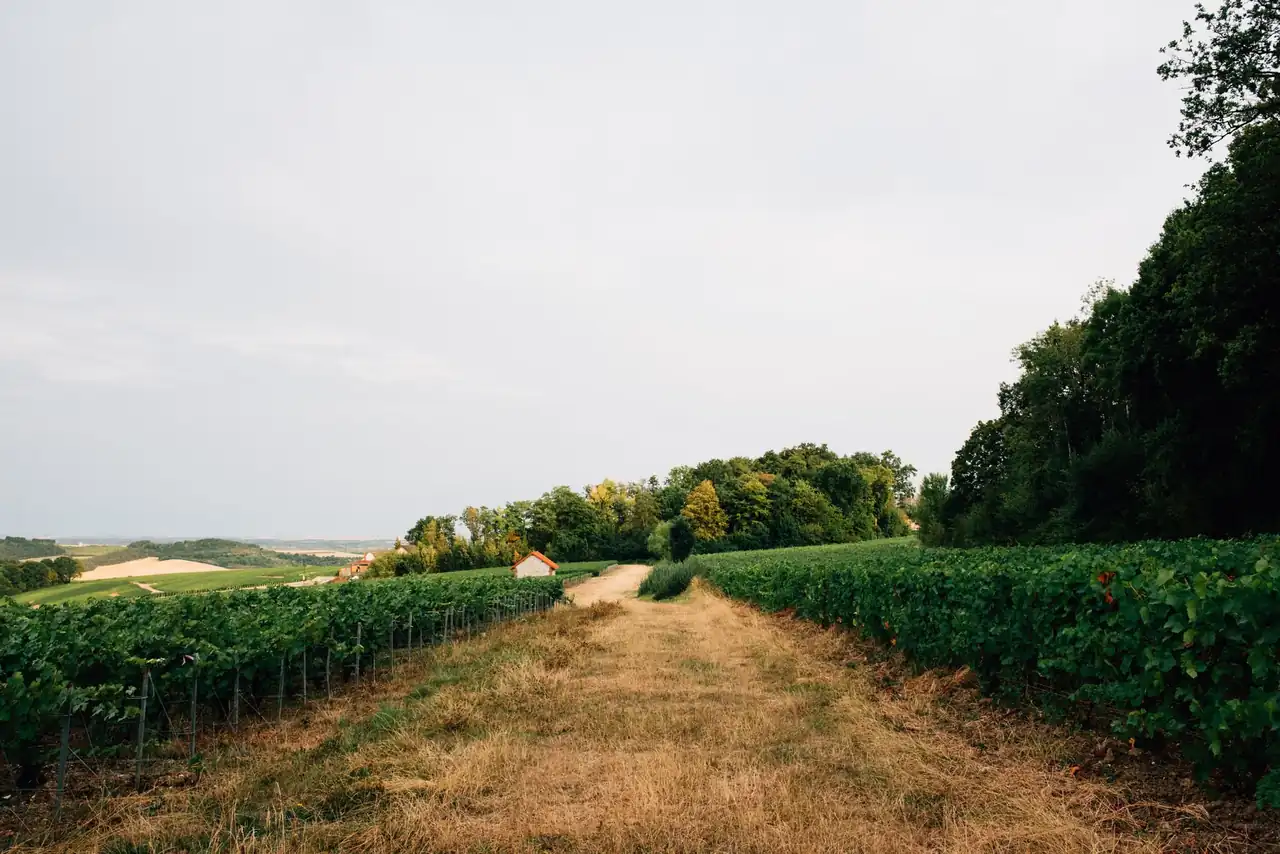
The available information about the 2026 edition of the Caves race lists four formats: a 5-kilometre route, a 10-kilometre course, a 17.5-kilometre mountain race and a 13-kilometre walk. The programme combines running distances with an alternative on foot, although the reference consulted gives no date, schedule, prices or full route details.
The 5-kilometre event is identified as the Caves race; the 10-kilometre option is called la Doble, and the 17.5-kilometre race is Serralats. A 13-kilometre walk is also listed. These are the specific details that can be confirmed from the available information; other practical points should be checked in the official announcement before arranging travel or registration.
Four ways to take part
The range of distances suggests an event designed for different participants. The 5-kilometre course is the shortest running option; the 10-kilometre race doubles that distance, while Serralats extends the challenge to 17.5 kilometres in a format identified as a mountain race. The 13-kilometre walk completes the programme for people who want to explore the area without running. Not every format requires the same pace or preparation, although the information consulted does not specify elevation gain, surfaces or cut-off times.
The names help distinguish the events, but they do not explain how each one works. The name la Doble accompanies the 10-kilometre course, but the reference does not say whether it means two laps, a relationship to the shorter distance or another feature of the route. Likewise, Serralats identifies the longer race without describing its course. Published details should be kept separate from interpretation so that conditions not stated by the organisers are not presented as fact.
The 13-kilometre walk has a clear place in the programme. It is not simply a shorter version of the mountain race: its distance is longer than the short run and close to the middle distance, but walkers have different pacing and practical needs. The reference does not say whether it shares part of the route with the races or whether it has its own checkpoints or refreshment stations. Its inclusion opens the event to people beyond competitive runners.
What is known about the Serralats race
Information associated with Serralats places the mountain race in Lavern, in the Subirats area, which is linked to Penedès winegrowing. This context helps explain the event’s local character, but it is not enough to reconstruct the precise route or establish that all formats start at the same place. The only specific sporting detail given for Serralats is its 17.5-kilometre distance; positive elevation gain and the proportion of trails and tracks are not listed.
For a mountain race, those details are essential to judging the effort. Two routes of equal length can feel very different if one includes steep climbs, technical terrain or slower paths. Distance alone cannot reliably predict how long participants will take or how demanding the race will be. Without an elevation profile, terrain description and time limits, an accurate comparison with other local races is not possible.
Information is also missing about race services, including refreshment stations, medical support, course marking, recommended equipment and entry conditions. These details often vary between editions and should not be assumed from earlier years or other mountain races. The available listing identifies the format, not the full regulations; runners will need to consult the organisers’ documents when they are published.
The shorter races and the 10-kilometre option
The 5-kilometre distance often attracts both new runners and people looking for a short event, but distance alone does not determine difficulty. Elevation, surface, route design and ground conditions can significantly shape the experience. In this edition, the Caves race is listed at 5 kilometres, although the reference does not say whether the course is urban, off-road or mixed, and gives no profile.
The 10-kilometre format, called la Doble in the available information, is a step up in volume. It may be manageable for someone who runs regularly; for a beginner, the choice should depend on recent experience rather than on whether the distance resembles a familiar training run. The reference does not state a cut-off time or minimum age, so the entry conditions cannot be confirmed.
The difference between a 5-kilometre and a 10-kilometre race is not simply a matter of covering twice the distance. Maintaining pace, managing effort and arriving properly prepared matter more as the activity gets longer. Because the surface and elevation are unknown, kilometres should be treated as only one measure of the challenge. The course and event rules will determine how demanding each race feels.
A 13-kilometre walk, not just another race
The 13-kilometre format welcomes people who prefer walking, groups with varied paces and anyone who wants to enjoy the route without competing. Although the distance is close to that of a popular running event, the effort is organised differently: time spent moving is usually longer, and footwear, hydration and sustained pacing have their own importance. Walking also calls for preparation when the route is long, especially if it includes climbs or uneven surfaces.
The available information does not clarify whether the walk follows trails, tracks or another surface, or whether it overlaps with Serralats. It also gives no details on staggered starts, checkpoints or a finish deadline. Those points matter because they shape logistics and help determine whether the route suits families, larger groups or experienced hikers. The distance is known, but the walk’s profile is not.
This option distinguishes the programme from an event limited to races. It allows people with different goals to share the day without measuring every participant’s experience against a stopwatch. Even so, walking participants must follow the organisers’ instructions and stay on the marked route. The walk should be understood as a sporting activity with its own conditions, not as an informal outing outside the event.
Date, registration and details still to come
The reference consulted does not give the 2026 event date, start time, or exact start and finish locations. It also omits entry fees, registration opening and closing dates, the number of bibs and the availability of places. As a result, there is no reliable schedule to share and no confirmation that registration is open. The absence of these details from the material reviewed does not mean the event has none; it means they are not included in the information available.
Before travelling to Lavern or another location connected with the event, participants need to confirm the precise venue, access arrangements and bib collection instructions. The location associated with Serralats gives a sense of the area but does not, by itself, identify the start point for all four formats. Other common questions remain unanswered, including parking, public transport, finish-line services and the availability of showers or a bag drop. Travel should not be planned using only the name of the area when no confirmed address is available.
The regulations and registration page, once published, should clarify the conditions missing from the reference: minimum ages, parental consent for minors, transfer or refund policies, insurance, timing and safety rules. They should also show whether different formats have different entry fees and whether places are limited. These details can change from one edition to another, so information from previous years is not a substitute for the 2026 rules.
Choosing a format with the information available
Distance is a useful starting point, but the choice should also reflect personal experience and the kind of activity someone wants. Runners looking for a shorter event have the 5-kilometre option; the 10-kilometre race extends the course, while Serralats offers 17.5 kilometres under the mountain-race label. The 13-kilometre walk provides another way to take part. These are four different formats, not automatically ranked from easiest to hardest, because details about terrain and elevation are missing.
For runners, a familiar distance does not guarantee that the effort will feel like a regular training session. Group starts, changing surfaces, elevation and weather can all affect pace and fatigue. In particular, the 17.5-kilometre mountain race should not be judged as if it were a flat event of the same length. Anyone considering Serralats needs the route details before setting time expectations, and those details are absent from the reference.
For walkers, the practical question is not how long it takes to run, but how much time will be spent moving and what conditions the route presents. Thirteen kilometres may be comfortable for someone accustomed to walking and demanding for someone who rarely covers long distances. The profile, water points and permitted duration would help make that assessment. Preparation should match the actual activity, not just the number of kilometres.
The appeal of running in the Penedès countryside
The Serralats reference links Lavern and Subirats with the vineyard landscape of the Penedès. In this kind of setting, a race may combine rural paths and open views, although no specific landmarks should be assumed without an official route description. The landscape suggested by the location contributes to the event’s identity, but the exact course is not detailed in the information consulted.
Local races also offer a way to experience a place at a different speed. For runners, the landscape appears in fragments: a bend, a row of vines, a change in surface. Walkers have more time to notice these details and share the route. That difference may attract distinct groups to the four formats, even if they take place on the same day. The setting adds a dimension that cannot be measured in kilometres, but the published route will be needed to describe it precisely.
A race’s character does not depend on scenery alone. The organisers, local groups, start-line atmosphere and interaction between runners and walkers all shape the experience. None of these elements is described in enough detail in the reference, so it would be wrong to claim there will be a festival programme, services or side events. For now, the verifiable information is the mix of distances and formats; the rest needs confirmation from the event announcement.
An edition with details still to be filled in
The 2026 programme already has a recognisable structure: three running distances — 5, 10 and 17.5 kilometres — and a 13-kilometre walk. Serralats is listed as the mountain option, and Lavern is associated with that race in the related information. However, the reference gives no date, schedule, fees or detailed route. The sporting programme is outlined, but the practical listing is still incomplete.
This balance between available and missing information matters to visitors from outside the area, families and participants arranging transport or accommodation. A distance can help someone choose an event, but it does not say when to set off, where to collect a bib or how much participation will cost. An official set of rules and a course map would turn a basic listing into a useful guide for planning the day. Until then, unconfirmed details should remain marked as pending.
The four formats point to an event that accommodates different ways of taking part: running a few kilometres, tackling a middle distance, trying a mountain route or walking 13 kilometres. Future information will need to clarify how the routes connect and what services accompany each one. Variety is the clearest feature of the programme; the official schedule and conditions will make it possible to assess the edition fully.



How to prevent thigh chafing: causes and real solutions

Women’s running windbreakers: seven jackets and how to choose

Do more workouts get rid of soreness? A guide for runners

Jaén Half Marathon 2026: Record 3,800 Runners Registered

Men’s short running tights: how to choose the right pair

World Triathlon confirms data breach involving medical data

Izan Edo targets podium at Miyazaki World Cup

María Pérez ranks ninth in World Athletics’ 2026 top ten

Dos Santos, Duplantis and Sawe: World Athlete of the Year finalists

San Silvestre Vallecana 2026: 42,000 places, prices and start times

 Races3 months ago
Valencia Half Marathon 2027: date and registration

 Races3 months ago
Valencia Marathon 2026: entry, ballot and course

 Reviews and Comparisons4 months ago
Asics Gel-Roadmiles 3 for men: review and current price

 Reviews and Comparisons4 months ago
Asics Gel Sonoma 8 Gore-Tex: complete analysis for trail and rain

 Sneakers3 months ago
Saucony Endorphin Pro 4: full review and verdict

 News5 months ago
Strava API 2026: what changes for clubs, challenges and runner apps?

 Reviews and Comparisons5 months ago
Nike Alphafly 3: opinions, sensations, and real key points

 Reviews and Comparisons4 months ago
Under Armour running shoes review 2025-2026: models and key features

 Sports Equipment4 months ago
Shoe sizes in cm: a clear guide to getting the right fit for your footwear

 Sneakers3 months ago
Skechers GO RUN Consistent 2.0 analysis: comfort and limits

 News5 months ago
Valencia Marathon 2026 route: key tips to train and run better

 Sneakers4 months ago
Adidas Adizero Boston 13 for men: review and verdict