Races
SantkuTrail returns to Penedès on Feb. 6, 2027
The mountain race returns to Penedès in February, with a 20-kilometer distance linked to the UTMB Index.

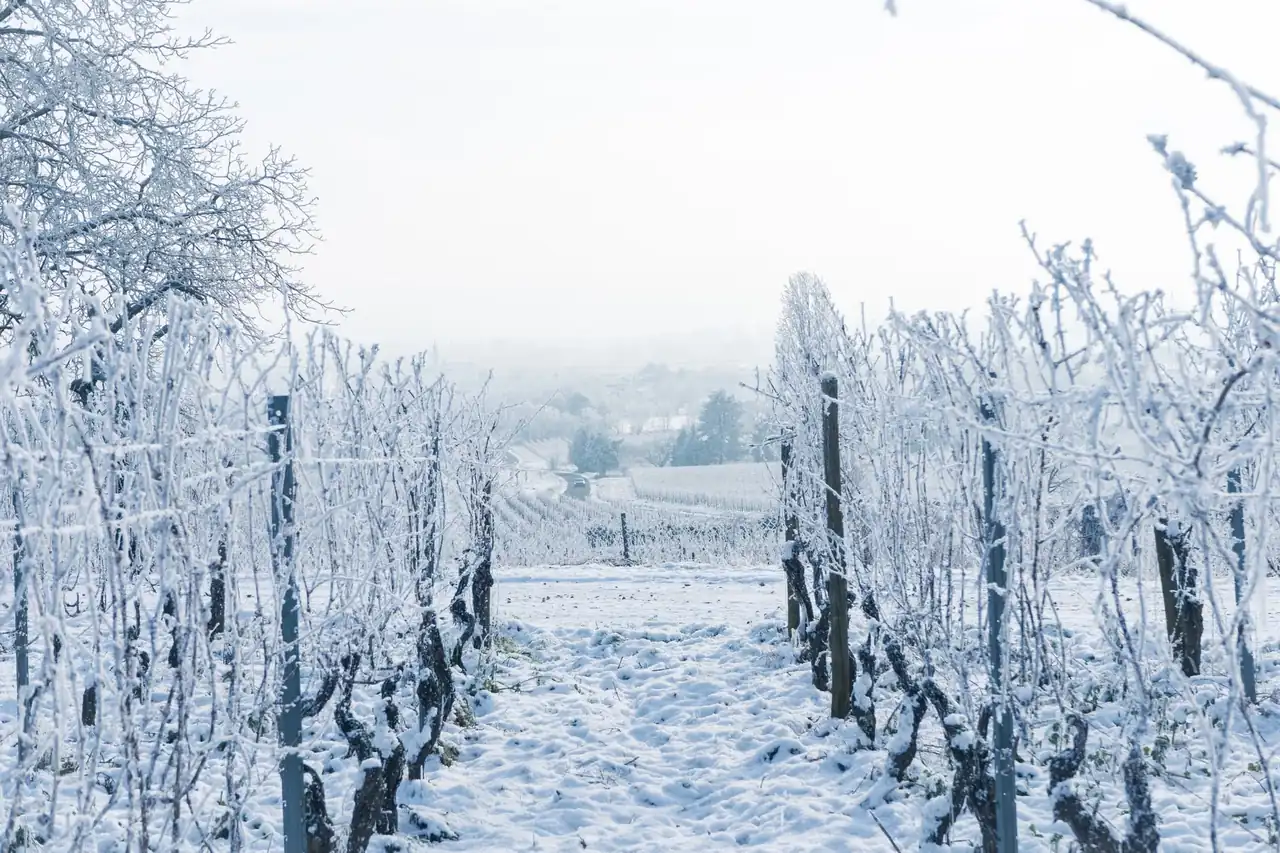
On Feb. 6, 2027, Sant Cugat Sesgarrigues will welcome mountain runners for the third edition of SantkuTrail. The race will cross the rural landscape of Penedès, a region where vineyards, tracks and farmhouses are part of land shaped by generations of work. The date is confirmed, placing the event in the heart of winter and at the start of the season for runners looking for an early trail challenge.
Available information highlights a 20-kilometer course with a UTMB Index, and a 12-kilometer option also appears in race listings. The information consulted does not publicly specify the start time, exact starting point, prices or full route details. The distinction between known facts and details still to be published matters: it offers a reliable basis for planning without presenting unconfirmed services or conditions as settled.
A mountain race among vineyards and rural tracks
The race’s main appeal lies in its setting. Sant Cugat Sesgarrigues is in Penedès, a landscape shaped by agriculture and, in particular, grape growing. In February, the rows of vines are in a quieter season than harvest time: the countryside moves at a different pace, paths reveal their bends clearly, and farmhouses remind runners that the route crosses lived-in land, not isolated wilderness.
The race description outlines a course among vineyards, rural tracks and centuries-old farmhouses. That combination sets trail running apart from an urban race: the surroundings are not merely a backdrop but part of the experience and the effort. Surface, ground conditions and elevation can affect pace, but the available information does not specify those technical details. It is therefore too early to predict whether any sections will be especially fast or demanding.
The event is also presented as a way to discover the history of Penedès. Its connection to winegrowing is visible in the landscape and in the region’s identity, where wine and cava carry cultural and economic significance. For runners, that context makes each section more than a sequence of kilometers: the course crosses a rural mosaic marked by a long agricultural history.
Confirmed date, with details still to come
The third edition is scheduled for Saturday, Feb. 6, 2027, in Sant Cugat Sesgarrigues, in Barcelona province. That confirms the date, but it is not a complete race-day schedule. The start time and exact start and finish locations are not among the confirmed details, so the timing of bib pickup, access to the venue and recommended arrival time cannot yet be specified.
Entry fees, registration opening dates, participation limits and cancellation terms are also not available here. These details often shape travel plans and budgets, particularly for runners coming from outside the region. Until they are published, the responsible approach is to treat the date as confirmed and the remaining information as pending rather than relying on estimates from past editions or third-party websites.
The winter setting adds a practical variable, though it does not establish what the weather will be. Conditions can shift between a cold morning and a milder section, while recent rain may change the paths. Weather and trail conditions should be assessed closer to race day, when more precise information is available. A general description of the landscape is no substitute for official guidance on equipment, safety or possible route changes.
What is known about the distances and UTMB Index
Race information mentions a 20-kilometer course associated with the UTMB Index, a record that may matter to runners who follow the international trail-running circuit. The index can place a race within the UTMB ecosystem, but it should not be confused with an automatic place in a later competition or a guarantee of qualification. Its implications depend on current rules and the official characteristics of each event.
A 12-kilometer option is also listed by race platforms. However, the main event presentation gives particular attention to the 20-kilometer distance and does not describe the shorter format in the same detail. Both distances are useful points of reference, but runners should check the organizer’s information for the final formats, categories and any services or conditions specific to each course.
Distance labels alone do not describe difficulty. A 12-kilometer route can be demanding if it has significant elevation or technical terrain; a 20-kilometer course may allow a steadier effort if its slopes are moderate. Without full information about elevation, profile, surface and aid stations, there is no basis for accurately comparing the physical demands. The kilometer count is a starting point, not a complete technical guide.
The longer distance and its place in international trail running
The UTMB Index for the 20-kilometer distance adds another dimension to a locally based race. For some participants, SantkuTrail may be a chance to compete in a different setting and add an event to their trail-running record. For others, the appeal will have less to do with scoring systems and more to do with running through Penedès, sharing the day with other runners and managing a distance that calls for controlled effort.
The index does not change the nature of the course or turn the race into an elite competition. Its value depends on each runner’s interests and goals, while the result remains shaped by the route, preparation and race-day conditions. Anyone entering with the aim of earning recognition within a circuit should confirm that the 2027 edition and chosen distance remain included and check the applicable rules.
For those who are not pursuing that element, the longer option can simply be seen as a 20-kilometer mountain challenge. The distance calls for preparation suited to each runner’s experience and to the elevation the course ultimately includes. Without an official route profile, setting target paces or equating the effort with a road race of the same length would be premature.
Winter changes how runners read the course
A February race brings layers, temperature and terrain to mind, but it is best to wait for the organizer’s guidance before deciding on final equipment. The perceived temperature can change between the start and exposed sections, while humidity or recent rain may affect grip on the paths. These are common factors in winter races, not confirmed conditions for this particular edition.
In a mountain race, footwear should match the ground actually found on the route. The word trail alone does not reveal whether the course is mostly compact tracks, rocky paths or muddy sections. Available information does not specify the surface or elevation, so choosing a particular shoe based only on the event’s name would be premature. Once the route profile is published, those details can help runners assess grip, protection and comfort.
It is also important to distinguish general preparation from event-specific requirements. Managing pace and gradually adapting to similar distances are useful principles for a prolonged effort, but instructions on mandatory gear, support and safety are up to the organizers. The rules and technical guide will be decisive in establishing what is actually required and how services are arranged for each distance.
Sant Cugat Sesgarrigues and the Penedès landscape
The town hosts the race in an area whose image is closely tied to vineyards and the tracks linking farmland and rural settlements. The event draws on that local character to offer an experience distinct from urban circuits, where pace is measured along streets and avenues. Here, attention shifts to the ground, the open horizon and changes in the path, all of which can make each kilometer feel different.
Centuries-old farmhouses add a historical layer to the landscape described by the organizer. They are part of a rural pattern that reflects how the region has been occupied and worked over time. The available information does not identify specific landmarks along the route, so it would be inaccurate to claim that runners will pass particular buildings or sites. What is confirmed is the broader idea of a race through the heart of winegrowing Penedès.
This link between sport and place is one of the features the event aims to retain in its third edition. The race is presented as an event rooted in the region and connected to its identity, rather than simply a day built around results. For participants, the landscape may be part of the reason to attend; for the town, the race brings its tracks and rural culture into the winter trail-running calendar.
What to check before planning to take part
With the date set, the next information to look for is the full schedule and registration conditions. Start time, exact start location, registration opening and entry price affect both travel arrangements and distance choice. It is also still unclear whether specific participant services will be offered, such as bag storage, showers, aid stations or transport; none should be assumed without confirmation.
The route deserves similar scrutiny. Distance is only one part of its description: elevation gain, course profile, trail surface and checkpoints will help runners understand the expected effort. If separate technical guides are published for the 12- and 20-kilometer routes, the options can be compared more rigorously. Runners should choose based on the actual route and their own experience, not merely on whether a distance sounds short or long on paper.
Those traveling from elsewhere will also need to confirm the logistics in good time: how to reach the town, where to park and what accommodation options are available nearby. No transport services or lodging agreements are confirmed here. Geographic proximity does not guarantee easy access on race day, especially if several distances bring participants to the same area at similar times.
A third edition to open the mountain-running calendar
SantkuTrail returns on Feb. 6, 2027, with a clear proposition: run rural tracks in Penedès, among vineyards and farmhouses, in an event that brings sport and landscape together. The 20-kilometer distance with a UTMB Index is the main sporting detail, while a 12-kilometer option also appears in race information. The announcement confirms the date and town, though practical questions remain unanswered.
The event’s identity comes from both the terrain and its relationship with the region. Rather than promising an experience based on details that have not yet been published, the race’s appeal can be understood through what is already known: a winter mountain event on a route connected to local winegrowing culture. The technical guide and regulations will complete that picture once the organizer publishes schedules, routes, services and participation conditions.
For runners following the trail calendar, the date gives them a fixed point around which to plan the season. Final preparation, however, depends on knowing the elevation, surface and demands of each format. For now, the third edition is defined by its setting and confirmed date: a February race day in Sant Cugat Sesgarrigues, with Penedès as its backdrop and technical details still to come.
Where to stay in Sant Cugat Sesgarrigues
Hotels available 4–7 February 2027.
Affiliate links: if you book through this map we earn a commission, at no extra cost to you.



How to prevent thigh chafing: causes and real solutions

Women’s running windbreakers: seven jackets and how to choose

Do more workouts get rid of soreness? A guide for runners

Jaén Half Marathon 2026: Record 3,800 Runners Registered

Men’s short running tights: how to choose the right pair

World Triathlon confirms data breach involving medical data

Izan Edo targets podium at Miyazaki World Cup

María Pérez ranks ninth in World Athletics’ 2026 top ten

Dos Santos, Duplantis and Sawe: World Athlete of the Year finalists

San Silvestre Vallecana 2026: 42,000 places, prices and start times

 Races3 months ago
Valencia Half Marathon 2027: date and registration

 Races3 months ago
Valencia Marathon 2026: entry, ballot and course

 Reviews and Comparisons4 months ago
Asics Gel-Roadmiles 3 for men: review and current price

 Reviews and Comparisons4 months ago
Asics Gel Sonoma 8 Gore-Tex: complete analysis for trail and rain

 Sneakers3 months ago
Saucony Endorphin Pro 4: full review and verdict

 News5 months ago
Strava API 2026: what changes for clubs, challenges and runner apps?

 Reviews and Comparisons5 months ago
Nike Alphafly 3: opinions, sensations, and real key points

 Reviews and Comparisons4 months ago
Under Armour running shoes review 2025-2026: models and key features

 Sports Equipment4 months ago
Shoe sizes in cm: a clear guide to getting the right fit for your footwear

 Sneakers3 months ago
Skechers GO RUN Consistent 2.0 analysis: comfort and limits

 News5 months ago
Valencia Marathon 2026 route: key tips to train and run better

 Sneakers4 months ago
Adidas Adizero Boston 13 for men: review and verdict