Races
Cursa Familiar Vida de Terrassa 2026: date and 5K
Five kilometres in Vallparadís, with an 11:30 a.m. start and entry fees linked to a charitable cause.

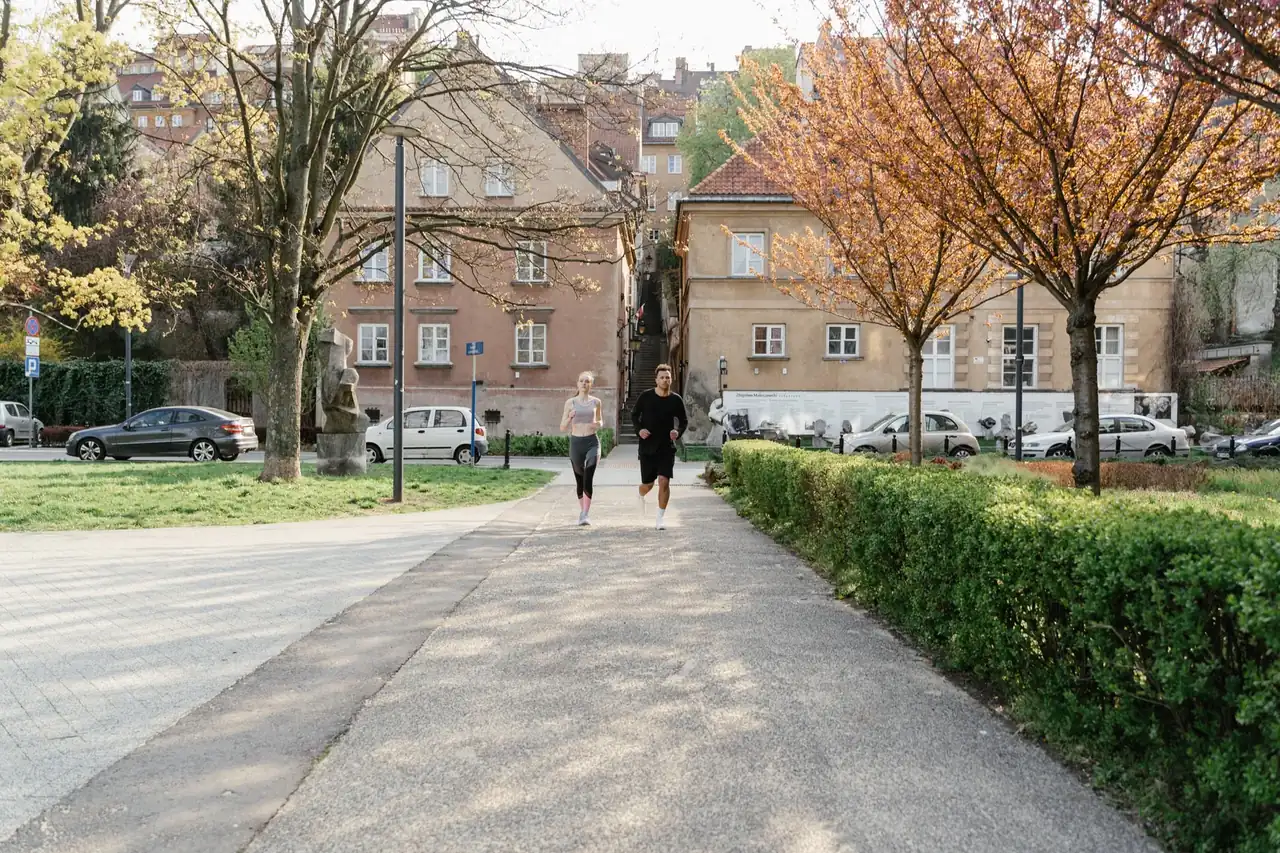
Terrassa will host the 12th edition of its family fun run on Sunday, Oct. 25, 2026, a popular 5-kilometre event in Parc de Vallparadís. The start and finish are at Hortes dels Frares, and the event is scheduled to begin at 11:30 a.m. Organizers link registration to a charitable cause, and the event listing says 100% of the proceeds will go toward that purpose.
The event combines an approachable distance with a format open to different participants: available information lists two categories and wheelchair participation, as well as food or a sandwich at the finish and trophies for the winners. The entry fee, detailed route, elevation, water stations and time limit have not been specified. Those details should be confirmed with the organizers before making travel plans.
Confirmed date, start time and details
The event is scheduled for Sunday, Oct. 25, 2026, at 11:30 a.m. in Terrassa, in the province of Barcelona. The listing identifies it as the 12th edition and places both the start and finish at Hortes dels Frares, inside Parc de Vallparadís. The advertised distance is 5,000 metres, and the event is described as a popular race rather than a certified course.
Public information makes it possible to distinguish confirmed details from those that cannot yet be taken for granted. The date, time, location, distance and some finish-line services are listed, but the entry fee, maximum field size and registration deadlines are not. No cutoff time has been published either. The absence of a detail from a listing does not mean the service is unavailable; it means participants should check for updated information from the organizers.
The available listing notes two categories, wheelchair participation, food or a sandwich at the finish and trophies for the winners. Without the regulations, it is not possible to say how categories are divided, what conditions apply to adaptive participation or what awards will be presented. The event is associated with the Association for the Protection of the Family and Life and the Association of Athletes for Life and Family, the groups named in the race information.
Parc de Vallparadís as the setting for the 5K
Hortes dels Frares, the start and finish point, is in Parc de Vallparadís, a large green space running through Terrassa. It includes landscaped areas, former streams and paths incorporated into the urban fabric. That setting distinguishes the event from a race held entirely on avenues: the park offers a more enclosed feel and lets participants share the route amid greenery within the city.
The park’s name, however, is not enough to describe the course precisely. The information reviewed does not include a complete map, intermediate points, surface breakdown or total elevation gain. Some listings classify the event as a popular asphalt race but do not provide percentages for pavement, dirt or trails. For that reason, there is not enough evidence to say the route is entirely flat, fast or wholly urban, or to predict specific hills and turns.
This lack of detail matters when choosing a pace and footwear. Runners used to roads can consider comfortable, familiar road shoes, but should not treat the general classification as a complete description of the terrain. Surfaces can vary within a park, and the actual experience depends on the final route. Organizers are the right source for any updated map or course conditions.
A family event with a charitable purpose
The family-friendly format is part of the day’s design: the 5K may suit beginners, regular runners and groups who want to take part together without turning the event into a high-level competition. Available information also includes wheelchair participation. Still, describing a race as family-friendly does not establish that every accessibility need has been addressed. Surface conditions, crossings and available assistance should be checked in the official guidance.
The charitable purpose is another central feature. The event listing says the organizers will direct 100% of registration proceeds to a charitable cause connected to their work around the protection of family and life. The available details do not specify the entry fee or how funds will be transferred, so it is not possible to calculate the contribution represented by each race bib or give a more precise account of the funds’ destination.
That purpose sits alongside the event’s sporting character. Some participants will value completing the five kilometres; others may be there to take part with family or support a charitable initiative. None of those reasons requires a particular pace. At a popular race, showing respect, following staff instructions and giving room to participants moving at different speeds also helps make the day a shared experience.
Preparing for a five-kilometre distance
Suitable preparation depends on your starting point, not just the date on the calendar. Someone already running several times a week can maintain their routine and gradually add sections at a somewhat faster pace. Beginners can alternate running and walking and build their time in motion little by little. As a general guide, two or three easy, regular sessions each week are usually more sustainable than packing all the effort into one demanding outing.
A training week could combine an easy run, a session with short pace changes and, if recovery allows, a somewhat longer, relaxed outing. There is no need to cover a precise distance in every workout or run at maximum effort each time. Sessions should reflect experience and how the body responds; rest is part of training, especially when adding harder exercise or returning after a break.
Runners with a base may use controlled intervals to get used to the effort of a short race. For example, several sustained efforts of a few minutes can be alternated with easy recoveries, without finishing exhausted. This is not an individualized prescription and should be adjusted to fitness. If persistent discomfort, pain that changes your stride or concerning symptoms occur, it is sensible to stop exercising and consult a health professional.
In the weeks before the event, avoid sharp increases in training volume and do not try to make up missed workouts all at once. A moderate reduction in workload as race day approaches may help you arrive with fresher legs while maintaining some easy activity. The aim is not to achieve a time at any cost, but to reach the start with sensible preparation and room to enjoy the five kilometres.
Pacing and how the race should feel
Over five kilometres, the start can shape the rest of the experience. The group atmosphere and other runners accelerating can make it tempting to speed up, even when that pace is hard to sustain. Starting under control, at an effort that allows you to breathe without excessive strain, helps establish a steady rhythm. The opening minutes do not need to prove anything; they are a chance to settle in and assess how you feel.
Once the start is behind you, it is more useful to pay attention to effort than to chase a number on your watch. Because the full route and its profile have not been published, an exact pace cannot be recommended, nor can the effect of each section be predicted. If the surface changes or a slope appears, slightly shortening your stride and keeping your footing comfortable is more sensible than forcing the same pace shown on a screen.
In the final stretch, runners who feel good can gradually increase their effort. There is no need to sprint or compete against people taking part at a different pace. For a first-time runner, finishing in good shape may be a more useful goal than chasing a time; for a regular runner, the race can provide a fitness check, while conditions and course layout should also be considered.
Shoes, clothing and uncomplicated race-day food
The most sensible gear for a race of this distance is usually simple: comfortable clothing suited to the temperature and shoes that have already been tested in training. New footwear on race day adds an unnecessary variable, especially if the fit causes blisters. The listing does not state that mandatory gear is required, nor does it call for a headlamp, backpack, poles or technical shoes. Comfort and familiarity matter more than specialized equipment in a five-kilometre race.
October mornings can feel cool while waiting for the start and warmer once the body is moving. Climate averages for the area that month provide a rough reference, with average highs near 20-22 C and lows around 12-14 C. They are not a forecast for Oct. 25, 2026: actual rain, wind and temperature will only become clearer closer to race day. A light layer for the wait may be useful for anyone who tends to get cold.
Most participants do not need gels or energy products during a five-kilometre race. It is preferable to stick with familiar food that you tolerate well, eat it with enough time before the start and drink according to personal needs. The information mentions food or a sandwich at the finish but gives no details about what is served or when. Participants with medical, dietary or hydration needs should plan accordingly rather than rely on an unconfirmed aid station.
Services, categories and outstanding details
Alongside the distance and start time, the listing notes some services that help describe the event: food or a sandwich will be available at the finish, and trophies are planned for the winners. The event includes two categories and wheelchair participation. However, the available information does not publish age criteria, the classification system or technical conditions for this category. Checking the regulations is especially important for anyone who needs to confirm accessibility or specific requirements.
The number of aid stations, bag check, bib pickup arrangements, parking options and recommended transit connections are also not listed. No cutoff time has been announced. These logistical details may affect planning more than training itself, especially for families or participants traveling from outside Terrassa. The published information does not confirm any of those services unless they are explicitly stated.
The event listing gives jjavierjauregui@gmail.com and 629 406 454 as contact details. It is sensible to verify that they are still current and review organizers’ instructions before traveling. Participants should also confirm when registration opens and closes, the price, bib pickup and any route changes. None of those questions is answered by the available information about the 2026 edition.
An October morning in Terrassa
The event puts sport in a green space integrated into the city and offers a distance that can be run, walked or completed at a mix of paces, subject to the participation conditions set by the organizers. That mix helps explain its appeal: the five kilometres do not require half-marathon preparation, but pace, comfort and effort management can still shape the experience.
The 2026 edition has an announced date and start time, along with a specific start and finish location. Other practical details still need confirmation, particularly the exact route, registration, entry fee and available services. With those limits clear, the best approach is to separate confirmed information from details still pending. That makes it easier to plan the day without turning estimates about the course or logistics into facts.
At Hortes dels Frares, the event will bring together sport and the charitable purpose attributed to it by the organizers. For participants, it will be an opportunity to share five kilometres in Vallparadís; their pace and how they complete the distance will depend on their individual circumstances. Final information about access, categories and event operations should guide last-minute decisions, alongside gradual preparation and a controlled start.



How to prevent thigh chafing: causes and real solutions

Women’s running windbreakers: seven jackets and how to choose

Do more workouts get rid of soreness? A guide for runners

Jaén Half Marathon 2026: Record 3,800 Runners Registered

Men’s short running tights: how to choose the right pair

World Triathlon confirms data breach involving medical data

Izan Edo targets podium at Miyazaki World Cup

María Pérez ranks ninth in World Athletics’ 2026 top ten

Dos Santos, Duplantis and Sawe: World Athlete of the Year finalists

San Silvestre Vallecana 2026: 42,000 places, prices and start times

 Races4 months ago
Valencia Half Marathon 2027: date and registration

 Races4 months ago
Valencia Marathon 2026: entry, ballot and course

 Reviews and Comparisons4 months ago
Asics Gel-Roadmiles 3 for men: review and current price

 Reviews and Comparisons4 months ago
Asics Gel Sonoma 8 Gore-Tex: complete analysis for trail and rain

 Sneakers4 months ago
Saucony Endorphin Pro 4: full review and verdict

 News5 months ago
Strava API 2026: what changes for clubs, challenges and runner apps?

 Reviews and Comparisons5 months ago
Nike Alphafly 3: opinions, sensations, and real key points

 Reviews and Comparisons4 months ago
Under Armour running shoes review 2025-2026: models and key features

 Sports Equipment4 months ago
Shoe sizes in cm: a clear guide to getting the right fit for your footwear

 Sneakers3 months ago
Skechers GO RUN Consistent 2.0 analysis: comfort and limits

 News5 months ago
Valencia Marathon 2026 route: key tips to train and run better

 Sneakers4 months ago
Adidas Adizero Boston 13 for men: review and verdict