Races
El Burgo de Osma Half Marathon 2026: guide and key details
Date, route, and atmosphere of a fast half-marathon in Soria, with the start and finish in Plaza Mayor.

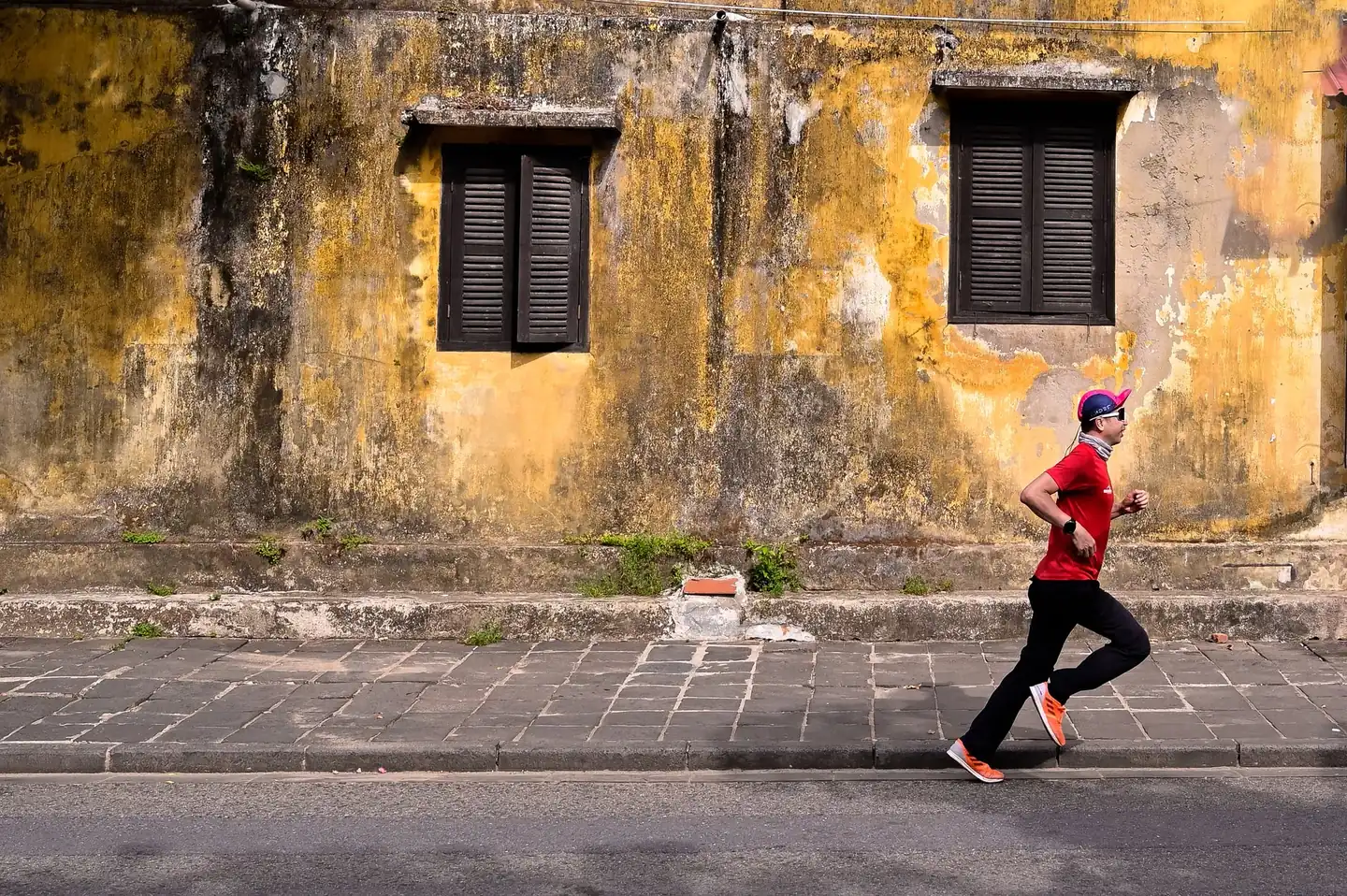
The El Burgo de Osma Half Marathon once again calls runners to one of the most storied races of the Soria summer: an urban half marathon, fast and with a route that combines stone, shade, and historic streets. The 2026 edition is scheduled for May 10, with the start and finish at Plaza Mayor, a setting that gives the race a very recognizable tone from the very first step.
The race has established itself as a reference event thanks to its flat course, the atmosphere it creates in the town, and an organization that usually takes care of the most practical details. There are 21.1 kilometers of asphalt, laid out over a three-lap circuit, with a friendly profile for steady paces and straightforward logistics for anyone looking to compete without major elevation challenges.
A half marathon with its own identity in Soria
El Burgo de Osma offers something that does not always appear in urban-profile half marathons: a very marked blend of sport and history. Running through its streets is not just about accumulating kilometers, but about moving past the Cathedral of the Assumption, the arcades of the old town, and a route that gives the feeling of passing through a small, compact town that is very clearly defined for runners.
The race also reaches its 25th edition, a figure that speaks to continuity and roots. This is not an improvised race or a passing novelty, but an event that has gained weight over the years thanks to a clear format: main half marathon distance, urban circuit, limited participation, and an atmosphere that combines effort and closeness.
That local character does not make it closed off; quite the opposite. Precisely because of its human scale, the race retains a unique appeal for those who value a consistent route and pace control. El Burgo de Osma does not feature big climbs or abrupt changes; rather, it invites you to hold steady, measure yourself, and manage your effort like in a metronome race, where each lap carries similar weight and each step finds familiar reference points.
Course, laps, and circuit conditions
The route is 100% asphalt and practically flat, a combination that makes it a favorable half marathon for runners looking to chase a personal best or, at least, maintain a solid pace without excessive muscle strain. The start and finish are located in Plaza Mayor, a central point that organizes both the race and the participant experience.
The circuit is completed with three laps, a format that helps runners get to know the terrain from the very first step. The organizers describe a route that is shaded for much of the course, a relevant detail in May, when the sun can become stronger than expected during the middle hours of the day. Added to this is a maximum altitude of close to 890 meters, enough to remind runners that they are racing in an inland area, but without a toughness that decisively affects most recreational runners.
In races of this type, lap repetition can be a mental advantage. It allows runners to anticipate landmarks, control segments, and reduce uncertainty. It also requires a certain discipline, because the runner knows from the start that they will pass through the same points again and that there will be no tactical shortcuts. The El Burgo de Osma half marathon feels more like a well-designed endurance effort than an unpredictable adventure.
Useful services for runners
The race offers a fairly complete set of services for a popular event of this size. There are four liquid aid stations spread along the course, as well as a maximum time of 2 hours and 15 minutes to complete the distance. There is also a bag drop service, showers at the sports center, and chip timing, three elements that organize race-day logistics and reduce unnecessary friction.
The race bag and the final presentation of a commemorative medal reinforce that finish-line experience that many recreational runners value as much as the clock itself. The available information also mentions a technical T-shirt and some additional gifts, placing the finish experience in a classic line of well-structured races: simple reception, competition without gimmicks, and a modest but recognizable material reward.
The maximum number of participants is set at 350 runners in the most technical information consulted, a figure that points to a contained and manageable event. That limit affects the overall feel of the race: less crowding, better course readability, easier positioning at the start, and less noise around the competitive experience. In recreational race terms, that has real value.
Atmosphere, history, and the weight of place
One of the factors that explains the loyalty this half marathon inspires is the municipality itself. El Burgo de Osma provides a very distinctive setting, marked by its heritage and an urban layout that fits road running well. Running there is not like cruising through an industrial estate or looping around a wide open avenue; it has a different texture, more intimate and with a ceremonial quality.
The route reveals a town with very visible historical layers. References to the Celtiberian past of Uxama, the Muslim-origin castle, and the Cathedral of the Assumption create a race that, without giving up its sporting side, is supported by a backdrop of great personality. For many participants, that environment serves as an additional incentive: the feeling of adding kilometers in a place with its own story.
The social atmosphere also matters. The race has repeatedly been described as having a very good atmosphere, a simple but revealing compliment. In traditional half marathons, that factor is not bought or improvised; it is built over years of volunteering, organizational continuity, and a community that understands the race as a marked date on the local calendar.
Which type of runner suits it best
The El Burgo de Osma half marathon favors those looking for a fast and manageable race. The flat profile, asphalt surface, and lap structure make it possible to work with steady paces, something especially useful for runners who want to test a personal best or build confidence over the 21.097-meter distance. It also suits those who prioritize an orderly experience over a mountainous challenge.
The route may be especially rewarding for intermediate-level runners who already know the half marathon and want a race where elevation is not the main protagonist. But it is not limited to the most competitive athletes. The race format, with organizational support and basic services well handled, also makes it attractive for those approaching the distance with a less aggressive mindset, more focused on finishing with good sensations.
The key is understanding its nature: this is not a half marathon for hiding from effort, but for pacing wisely. The absence of big ramps does not eliminate the challenge; it simply shifts it toward pace management, hydration, and consistency. In that sense, the race rewards those who know how to read the clock without rushing on the first lap or easing up when the routine meters of the final stretch arrive.
The importance of practical details in a popular race
Beyond the tourist appeal or the historical component, a half marathon is defined to a large extent by its race data. Here, the start time, the distribution of aid stations, the time limit, and the surface all matter. In El Burgo de Osma, that information outlines a classic road race, with no dirt sections or trails, and a structure that is easy to understand at first glance.
The planned start at 6:30 p.m. in earlier references also reinforces an evening-race dynamic, common in summer and useful for avoiding some of the midday heat. That time slot usually transforms the atmosphere: the light softens, the stone of the old town takes on new shades, and the crowd accompanies runners with a different emotional temperature, less scorching and more conducive to recreational racing.
It is also worth noting the absence of major gimmicks. There is no ultra-endurance setup or technical terrain that forces shoe or strategy changes. What matters is the asphalt, consistency, and the ability to sustain a half marathon without surprises. At a time when many races try to make things more complicated, this one keeps a recognizable and fairly honest design.
El Burgo de Osma within the running calendar
In the Spanish running landscape, this race occupies an interesting place thanks to its balance of tradition, size, and accessibility. It does not compete with the major urban half marathons in volume, but it does offer a personality-filled alternative for those who prefer to escape the noise of mass events. Its spring date also makes it a well-placed option for anyone arriving in May with work already done during the winter.
That positioning gives it a particular value within the calendar. It can serve as a main spring objective or as a serious test before other summer races. The combination of distance, contained elevation, and historic atmosphere places it in a very specific category: that of the half marathons that do not need grandiosity to be remembered.
In the end, the relevance of this race is explained by a very down-to-earth combination of factors: a clear circuit, stable organization, an attractive town, and a community that has managed to sustain the race for a quarter of a century. That is no small feat in a calendar where many events appear and disappear quickly. Here, instead, everything suggests continuity and a well-rooted identity.
A race that gains value when seen up close
The El Burgo de Osma half marathon works best the more you know its details. The start in Plaza Mayor, the passage through a historic old town with character, the three laps, the clean asphalt, and the partial shade create a very recognizable setting for runners looking for a half marathon without excesses. Every element adds to a simple idea: running here makes sense because of what it offers and how it offers it.
Perhaps that is why it keeps its appeal year after year. It does not promise miracles or sell artificial epic drama. What it delivers is more solid: a reliable course, a close atmosphere, and a classic distance in a very singular setting in the province of Soria. In a discipline where nuances matter so much, that combination is worth more than it may seem at first glance.
And that is where this race retains its strength. El Burgo de Osma does not need to disguise itself as a major event to attract runners. It is enough that it is a well-put-together half marathon, with history, order, and a personality that is recognizable from the first lap to the final turn in the square.



How to prevent thigh chafing: causes and real solutions

Women’s running windbreakers: seven jackets and how to choose

Do more workouts get rid of soreness? A guide for runners

Jaén Half Marathon 2026: Record 3,800 Runners Registered

Men’s short running tights: how to choose the right pair

World Triathlon confirms data breach involving medical data

Izan Edo targets podium at Miyazaki World Cup

María Pérez ranks ninth in World Athletics’ 2026 top ten

Dos Santos, Duplantis and Sawe: World Athlete of the Year finalists

San Silvestre Vallecana 2026: 42,000 places, prices and start times

 Races3 months ago
Valencia Half Marathon 2027: date and registration

 Reviews and Comparisons4 months ago
Asics Gel-Roadmiles 3 for men: review and current price

 Races3 months ago
Valencia Marathon 2026: entry, ballot and course

 Reviews and Comparisons4 months ago
Asics Gel Sonoma 8 Gore-Tex: complete analysis for trail and rain

 Sneakers3 months ago
Saucony Endorphin Pro 4: full review and verdict

 News5 months ago
Strava API 2026: what changes for clubs, challenges and runner apps?

 Reviews and Comparisons5 months ago
Nike Alphafly 3: opinions, sensations, and real key points

 Reviews and Comparisons4 months ago
Under Armour running shoes review 2025-2026: models and key features

 Sports Equipment4 months ago
Shoe sizes in cm: a clear guide to getting the right fit for your footwear

 Sneakers3 months ago
Skechers GO RUN Consistent 2.0 analysis: comfort and limits

 News5 months ago
Valencia Marathon 2026 route: key tips to train and run better

 Sneakers4 months ago
Adidas Adizero Boston 13 for men: review and verdict