Races
Fuengirola Half Marathon 2026: date, route, and registration
The Fuengirola race returns in November with 21 km urban, 5 km, and a start at the fairgrounds.

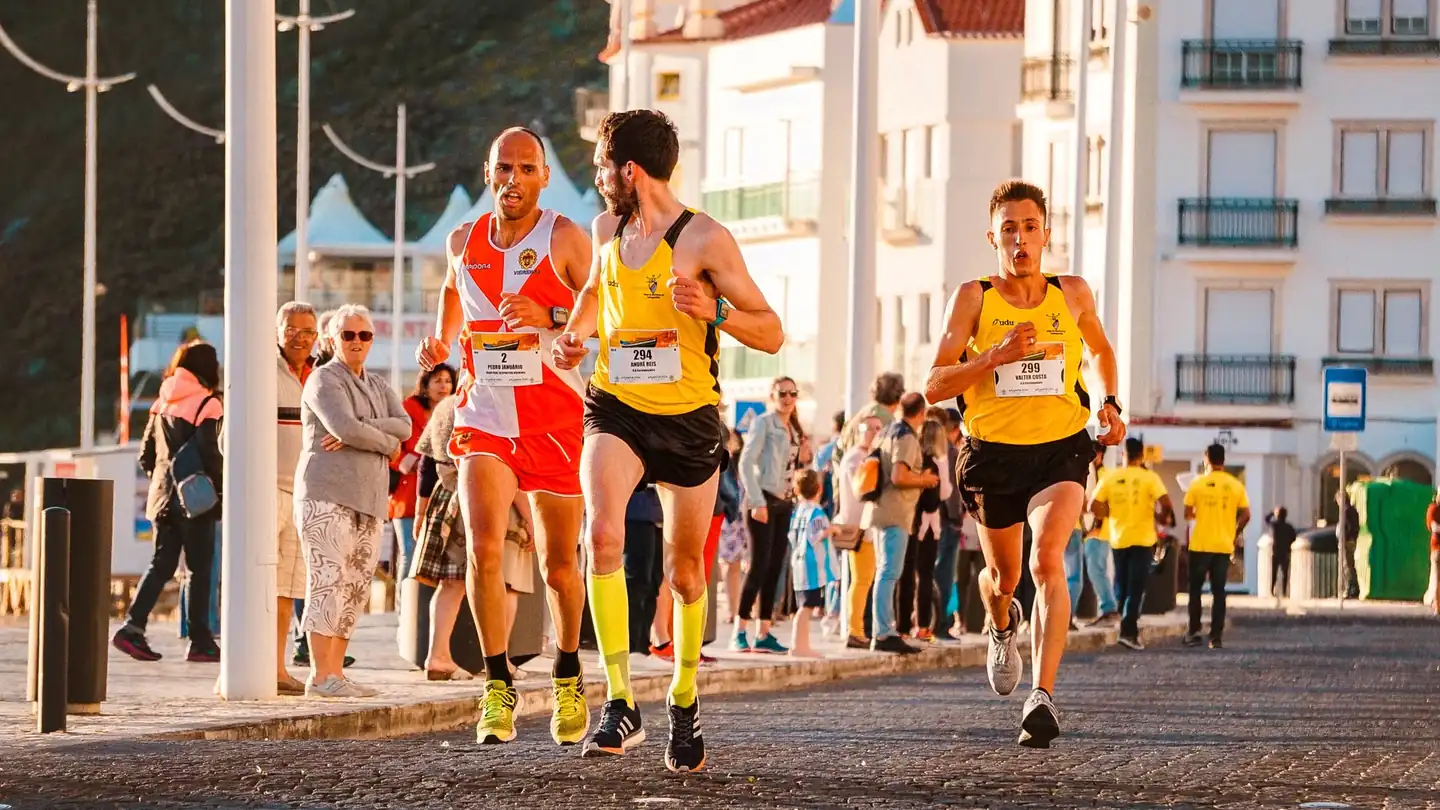
The Fuengirola Half Marathon 2026 will be held on November 8 with a start at 09:30 from the fairgrounds and a friendly urban course, designed for running by the sea without leaving the city’s heartbeat. The race reaches its ninth edition and maintains a field that combines sporting ambition and a popular atmosphere, with a limit of 3,000 participants and registration fees ranging from 18 to 33 euros.
The event is organized by the Sports Department of the Fuengirola City Council, a clear sign that the race is backed by a well-established municipal structure and a commitment to being a major local event. Added to that is a 21,097-meter course with aid stations at kilometers 5, 10, 13, 16, 18, and the finish, as well as a baggage check, timing, finisher medal, changing rooms and showers, and medical service. The result is a race that is highly recognizable within the Andalusian calendar: urban, seemingly fast, and demanding in the management of effort.
A race that turns Fuengirola into an open-air track facing the Mediterranean
In this event, Fuengirola offers a very specific postcard: wide avenues, a seafront promenade, salty air, and an almost flat route that lets you run without the constant strain of elevation changes. On paper, the course seems comfortable; in practice, it requires very careful pacing, because the absence of major climbs does not eliminate the fatigue of 21 kilometers. The body keeps adding meters, the sea accompanies you on one side, and the city responds with background noise, balconies, corners, and turns that break the monotony.
That balance between the sporting and the urban explains part of the race’s appeal. It is neither a mountain half marathon nor a race designed to hide its toughness behind a gentle profile. Here the challenge lies in making the most of the flat course, reading the shifts in energy well, and reaching the final stretch with something in reserve. For those chasing a personal best, the course invites clean running; for those aiming to finish without setbacks, the setting helps maintain focus without being cut off from the atmosphere.
The start and finish at the fairgrounds make logistics easier and concentrate movement before and after the race. That detail matters more than it seems: major urban events work better when the runner knows where everything begins, where it ends, and how the flow of people is organized around it. Fuengirola opts for that recognizable model, with a wide start and a finish that brings participants back to the same point, as if the city were closing the circle around the race.
Date, time and context of the 2026 edition
The 2026 edition is scheduled for Sunday, November 8, with a planned start time of 09:30. That timing places the race in a particularly suitable part of the year for running on the Costa del Sol, when the summer heat is behind us and the weather usually offers more stable conditions. In a race like this, the weather matters as much as training: a mild November can turn the course into a smooth experience, while a more humid or windy morning adds another layer of management.
The event also returns with a significant participation outlook. The goal of bringing together 2,500 athletes confirms that this is not a minor race, but a half marathon with the ambition of gathering runners of different profiles. The registration range of 18 to 33 euros also reveals a staggered pricing policy, common in popular races that reward early registration and penalize late sign-ups. The registration deadline is listed as November 6, 2026, unless the limit is reached earlier.
That participation cap and closing date are no small details. They set the pace of the race and explain how quickly bibs move in coastal races at the end of the season. When a half marathon combines favorable weather, a flat course, and a city attractive enough for a weekend stay, demand tends to concentrate. Fuengirola fully fits that category of event that is not limited to the bib number; it also sells the setting, the getaway, and the experience.
The course: flat, urban, and with the seafront promenade as its backdrop
The route runs through the main streets and avenues of Fuengirola, with the seafront promenade featured as one of its most recognizable stretches. Official descriptions and references from previous editions point to a course with very little elevation gain, something especially valuable for those who want to maintain steady paces from the start. There are no big mountains, but there is the invisible demand of a route that requires not to get carried away by overconfidence.
In this kind of race, the trap often lies in the feeling of ease. The runner starts more freely, the surroundings seem pleasant, and the legs respond well during the first kilometers. Then the accumulation arrives: turn after turn, changes in direction, a straight section that tempts you to push, a stretch where the wind may appear head-on, and the need not to waste energy too soon. A flat profile does not mean flat effort; it only reduces the severity of the terrain.
The reference to aid stations at kilometers 5, 10, 13, 16, and 18 gives a clue as to how the effort is structured. These are points that make it easier to fit hydration into a 21-kilometer race without having to hold back pace too much. They also help the half marathon maintain an orderly character, with a very clear sense of the runners’ progress through each phase of the course. At the finish, there is also the final aid station, that moment when the body asks for water, calm, and immediate recovery.
The overall impression Fuengirola gives is that of a race that is fast, practical, and bright. Fast not because it is easy, but because it offers favorable conditions for consistency. Practical because its start and finish simplify the experience. And bright because the sea, the avenue, the promenade, and the city provide that visual clarity that makes long effort more manageable. Not every runner looks for the same scenery, but few would dispute the value of a route where the view keeps pace with the clock.
Registration, entries and bib pickup
The race maintains a registration cap of 3,000 participants, a figure that helps keep access organized and avoids excessive congestion on the course. The price set by the organizers ranges from 18 to 33 euros, a band that usually varies depending on when you sign up. This staggered format follows a common logic in popular road races: those who register early secure a better fee, and the organizers gain forecasting to size services and logistics.
Bib pickup is also clearly defined, with several options so that everything does not happen at the same time. It is scheduled for Friday, November 6 at City Hall, in Plaza de España, between 17:00 and 20:00; on Saturday the 7th, from 10:00 to 17:00; or on race day itself, at the Juan Gómez Sports Complex, between 07:15 and 09:00. That wide time window makes life easier for runners and reduces last-minute queues, one of the most common problems in events with a large number of entrants.
The fact that the registration website already showed 2,048 participants registered at an earlier point underlines the interest in the event. This is not an empty call or a mere date on the calendar; there is real demand and bib movement that confirms the race’s pull. That detail matters because, in races like this, registration works as a barometer of local sporting energy and the event’s tourist appeal.
Services that shape the runner’s experience
Beyond the bib, the Fuengirola Half Marathon offers a range of services that clearly reflects its organizational ambition. There is a runner’s bag, a commemorative technical shirt, timing, a finisher medal, a sports masseur, medical service, changing rooms and showers, restrooms, and a baggage check. In a popular race, that bundle of features is not just decoration; it is part of the reliability story that runners expect when they sign up.
The aid stations spread along the course serve a dual purpose. On the one hand, they help maintain hydration and sustain effort. On the other, they mentally structure the race: the runner is no longer thinking only in kilometers, but in specific milestones, small beacons that divide the route into manageable sections. In 21-kilometer races, that breakdown of effort is almost as important as the pacing plan itself.
Also noteworthy is the presence of participation by people with disabilities, both on foot and in wheelchairs. This approach broadens the reach of the event and reinforces a basic idea of popular sport: the city opens itself to more runner profiles when the organization sees the race as a space for inclusion, not as a boundary. It does not change the toughness of the course, but it does change the social meaning of the event.
Categories, prizes and maximum time to finish the race
The organizers divide participants into four categories: junior, promise, senior, and veteran, with the last one further split by age groups. This system offers a more detailed view of the competition and avoids placing all attention solely on the overall standings. In races of this kind, categories matter because they recognize different journeys, different paces, and different ages within the same shared effort.
The top three male and female finishers in each category will receive trophies, while the overall winners will receive cash prizes. The presence of monetary rewards does not turn the race into an exclusive elite event, but it does provide an extra incentive for the front runners and raises the competitive level of the leading group. Fuengirola, in that sense, keeps the tone of a popular half marathon with competitive ambition.
The maximum time to complete the race will be 2 hours and 45 minutes. That cutoff clearly defines the event’s profile: there is enough room for recreational runners, but also a minimum pace requirement that prevents the day from dragging on too long. It is a reasonable barrier in a flat urban half marathon, and at the same time a reminder that effort must be managed wisely from the first kilometer.
Fuengirola as a sports and short-stay destination
The race is not fully understood without the city itself. Fuengirola offers beaches, a seafront promenade, hotel options, and a convenient location for those traveling from other parts of Andalusia or the Mediterranean coast. That combination makes it a very appealing base for a sports weekend getaway. The race also takes place at a time of year when tourism is less intense than in summer, which usually translates into a calmer experience for runners and companions.
The tourist appeal is not something separate from the event. In a half marathon, the urban context matters as much as the start. Fuengirola allows you to run and then stay to stroll along the promenade, enjoy a relaxed meal, or extend your stay on the Costa del Sol. The race thus adds a layer of value that goes beyond the clock: it becomes a sporting excuse to experience the city from a different angle.
Around the race, runners also find a city well connected to other nearby points of interest. Málaga is close by, Mijas Pueblo offers its image of a white village, and Marbella retains its coastal appeal. This range broadens the event’s attractiveness, especially for those combining the race with a short trip. In November, Fuengirola becomes a friendly backdrop, almost a luminous stage set for a distance that already demands discipline on its own.
What this half marathon says about the Andalusian running calendar
The Fuengirola Half Marathon occupies a very recognizable place on the map of races in southern Spain. It represents that kind of urban race that does not need big mountains or legendary records to attract runners. A coherent proposal is enough: a well-timed date, a clear course, solid services, and a location that invites you to run by the sea. At its core, it speaks to how popular running in Andalusia has evolved, increasingly focused on the full experience and not just the bib.
The ninth edition confirms that the race has built its own identity. It is not a passing novelty or an improvised event. It has a calendar, a participant cap, services, and a course that has already become familiar in runners’ memories. That stability is valuable in a circuit where many races appear and disappear quickly. Fuengirola, by contrast, seems intent on establishing itself as an autumn benchmark.
In a time of crowded calendars, Fuengirola’s half marathon stands out for a quiet but decisive virtue: organizational clarity. The runner knows where they will run, when they will start, how much it costs, where to pick up the bib, and what they will find at the finish. That transparency, combined with the attractiveness of the setting, helps the race maintain a strong position among 21-kilometer races in the province of Málaga and across Andalusia as a whole.
Fuengirola once again offers a race designed for running fast, competing in an orderly way, or simply adding a half marathon in a coastal setting. The sea, the promenade, the fairgrounds, and the gentle profile create a proposal that already has its own personality. In November, when the Costa del Sol changes pace and the city slows down a little, the event becomes a straight path to the finish that blends sport, landscape, and calendar with uncommon naturalness.



How to prevent thigh chafing: causes and real solutions

Women’s running windbreakers: seven jackets and how to choose

Do more workouts get rid of soreness? A guide for runners

Jaén Half Marathon 2026: Record 3,800 Runners Registered

Men’s short running tights: how to choose the right pair

World Triathlon confirms data breach involving medical data

Izan Edo targets podium at Miyazaki World Cup

María Pérez ranks ninth in World Athletics’ 2026 top ten

Dos Santos, Duplantis and Sawe: World Athlete of the Year finalists

San Silvestre Vallecana 2026: 42,000 places, prices and start times

 Races4 months ago
Valencia Half Marathon 2027: date and registration

 Races4 months ago
Valencia Marathon 2026: entry, ballot and course

 Reviews and Comparisons4 months ago
Asics Gel-Roadmiles 3 for men: review and current price

 Reviews and Comparisons4 months ago
Asics Gel Sonoma 8 Gore-Tex: complete analysis for trail and rain

 Sneakers3 months ago
Saucony Endorphin Pro 4: full review and verdict

 News5 months ago
Strava API 2026: what changes for clubs, challenges and runner apps?

 Reviews and Comparisons5 months ago
Nike Alphafly 3: opinions, sensations, and real key points

 Reviews and Comparisons4 months ago
Under Armour running shoes review 2025-2026: models and key features

 Sports Equipment4 months ago
Shoe sizes in cm: a clear guide to getting the right fit for your footwear

 Sneakers3 months ago
Skechers GO RUN Consistent 2.0 analysis: comfort and limits

 News5 months ago
Valencia Marathon 2026 route: key tips to train and run better

 Sneakers4 months ago
Adidas Adizero Boston 13 for men: review and verdict