Races
Infinitri 226 Peñíscola Triathlon: course, date, and key details
Peñíscola’s great triathlon returns with a tough course, coastal scenery, and changes designed to improve the race.

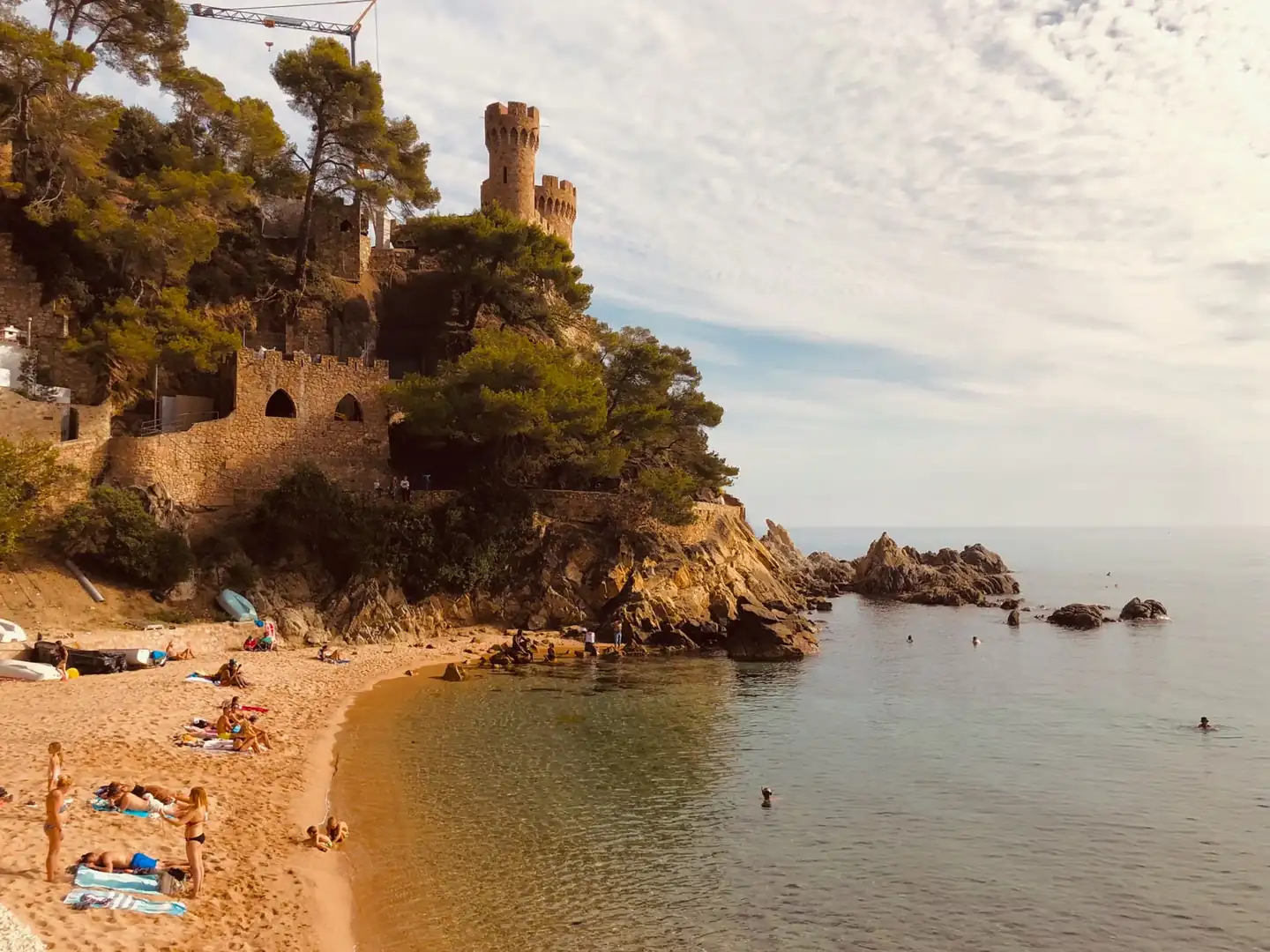
Peñíscola is once again putting itself on the long-distance triathlon map with an event that has already earned its own identity: a complete course, a very recognizable setting, and a level of demand that offers no respite. The 2027 edition of the XXL event keeps the essence of a race designed for highly prepared athletes, with 3.8 kilometers of swimming, 180 kilometers of cycling, and a final marathon of 42.195 kilometers in a setting that blends sea, historic old town, and inland roads of the Baix Maestrat.
The event is set for April 25, 2027, and registration opened on July 2, 2026 at 6:00 p.m., with several tiered price bands ranging from 189 to 249 euros depending on slot availability. The event’s approach confirms a clear trend: less congestion, more fluidity, and a race that aims to maintain its sporting level without losing the visual appeal that has made it stand out on the national calendar.
An XXL triathlon with a Mediterranean personality
Infinitri 226 Triatlón Peñíscola is not just another long-distance race. Its value lies not only in the numbers, but in the way those numbers are distributed across the terrain. The swim starts on Playa Norte, next to the silhouette of the castle, and the bike heads into quiet but rolling roads in the Castellón inland area. The marathon, meanwhile, turns the seafront promenade and the cove area into a section that combines openness, mental toughness, and a wide-open landscape.
That balance between postcard scenery and suffering explains much of its magnetism. Peñíscola does not offer the sense of isolation found in other long-distance events, nor the monotony of some circuits closed in on themselves. Here, runners and cyclists share space with a living city, history in plain sight, and a coastline that changes mood depending on the wind, the time of day, and accumulated fatigue. The beauty of the route does not soften the challenge; it makes it more memorable.
The organization has spent years fine-tuning the format. After consolidating the 113-kilometer middle distance, the leap to the full format was a natural evolution, supported by significant international turnout and by the confidence of athletes seeking a demanding race without giving up an attractive setting. In practice, the event offers the scale of a major endurance triathlon and the closeness of a town that lives and breathes the race from the sand to the finish square.
The swim, between Playa Norte and the shelter of the tombolo
The water segment covers 3.8 kilometers and starts on Peñíscola’s Playa Norte, very close to the Templar castle. The route circles the tombolo clockwise until reaching the harbor, always keeping a safe margin from the coastline. The image is powerful: open water, clear references, visible buoys, and the medieval fortress in the background as if watching over every stroke.
The end of the swim leads onto Playa Sur, where the transition area is located. That move from water to sand and then to the street adds a very classic triathlon element, almost cinematic, because it forces athletes to exit the sea, find balance on the sand, and switch disciplines without losing rhythm. The transition is not a minor formality; in a race of this size, every detail matters, and the design of the entry into the bike area already makes a difference in feel and timing.
The organization also has a backup plan if weather conditions advise modifying the course. In that case, the swim would be held entirely on Playa Norte to reduce risk. It is a sensible measure in an event held by the sea and one that, by its very nature, is exposed to changes in wind, temperature, and waves. In April, wetsuit use may be allowed, mandatory, or prohibited depending on the water temperature.
A bike course that looks fast, but is truly demanding
The 180 kilometers of cycling are the day’s major filter. At first glance, the course may seem favorable thanks to its long straight sections and good-quality asphalt, but the full picture is much tougher. From Peñíscola, the route heads west and enters a sequence of gentle climbs, false flats, short ramps, and pace changes that leave little room to rest. The accumulated elevation gain and repeated effort end up weighing more than a single big climb.
The course passes through areas such as Càlig and Sant Jordi, with a layout that combines out-and-back sections and two main laps in the version described for the middle-distance race, as well as the logical adaptation to the full long-distance format. This is not a course to take lightly. Average speed can be high if effort is managed well, but there is very little room for improvisation. Aerodynamics, power control, and patience matter more than any burst of pride in the first third of the day.
Road safety is reinforced with a broad deployment of staff and very clear traffic restrictions. The nature of the race demands discipline: respect traffic, follow the marshals’ instructions, and accept that a section that looks clean may hide the accumulated toll of many hours of effort. The bike course in Peñíscola has something metronomic about it: if you push out of ego, the route will strike back sooner or later.
The final marathon and the change that reduces mental fatigue
The run is the most delicate part of the event. The 42.195 kilometers are completed on a course that alternates the northern seafront promenade, rolling areas beside the coves of Serra d’Irta, and the surroundings of the old town, before finishing in Santa María Square, near the castle. It is a finale that combines runnable terrain with sections where the mind weighs as much as the legs.
One of the most discussed changes in the event’s evolution affects precisely the marathon. The organization replaced a fifth lap that was especially punishing for morale with a more balanced four-lap format. The course is still hard, but now it is easier to manage psychologically. Over these distances, fatigue is measured not only in heart rate or lactate accumulation; it is also measured in how easily you can accept the next kilometer.
The first stretch, along the promenade, offers a false sense of control. It is flat, open, and allows athletes to settle into their stride. But the southern section, more broken, forces runners to manage momentum and decide when to push and when to protect themselves. The return to the old part of the city, with the castle always present, turns the race into a kind of loop between sea and stone. In the end, each lap feels different, even if the profile does not change much.
Registration, prices, and what the fee includes
Registration for 2027 was structured in several tiers: 189 euros at the first level, 199 at the second, 209 at the third, 219 at the fourth, and 249 euros for the final tier or waiting list. The logic is simple and quite common in high-demand events: as slots fill up, the price goes up. This ladder pushes those who are certain they will participate to decide early.
The entry fee includes elements that, in the context of a long-distance triathlon, are part of the full experience: race organization, water safety coverage, traffic control, transition areas, solid and liquid aid stations, official backpack, finisher gift, medal, post-race catering, and access to event-related services. A 16-week training plan is also mentioned as part of the registration package, along with a digital guide and a recovery area. The value of an entry like this is measured not only at the start, but in the sum of support before, during, and after the effort.
The event also includes a team category, an option that broadens the participant profile and allows the workload to be shared among several athletes. That option fits well with Peñíscola’s philosophy: a serious race, yes, but one embedded in a broader atmosphere, with family members, companions, and parallel activities bringing life to the finish area and the urban surroundings throughout the day.
Prize money and sporting recognition
The prize fund totals 10,000 euros and is distributed equally between men and women. The winner receives 3,000 euros, second place 1,400, and third place 600. Beyond their symbolic importance, these amounts confirm that the event aims to attract high-level performance, not just mass participation. In a race of this duration, prize money never tells the whole story, but it does help raise the competitive tone.
Equal distribution is an important detail. It places the race in line with the strongest trends in modern triathlon, where visibility, prestige, and prize structure are being refined to give the same value to men’s and women’s categories. The race rewards excellence without gender distinctions, something the sport has long called for through actions rather than just words.
It is also worth remembering that the prizes are subject to the corresponding legal withholdings and that payment is made once the official times have been confirmed. That detail, not flashy but essential, is part of the seriousness with which the race is organized. In competitions like this, protocol matters as much as the podium.
Peñíscola as a setting: history, coastline, and fatigue
The town provides much more than a location. Peñíscola has a unique relationship with tourism, history, and public image, and that is reflected in the race. The castle dominates the urban skyline like a stone lighthouse, while the narrow streets of the old town seem made to hold back time. For triathlon, that backdrop is not decorative; it becomes part of the competitive story.
The race takes place in a part of the Valencian Community that combines sea and inland relief with unusual ease. April weather is usually mild, although the sea can still feel chilly and the bike leg, depending on the wind, can become an exercise in stability rather than power. The geography of the Baix Maestrat affects everything: how you run, how you ride, and even how you approach each transition.
That context also explains why Peñíscola works so well as a destination for an endurance event. There is accommodation, there is visual identity, and there is a network of services capable of supporting a race of this caliber without the athlete feeling like they are competing in an empty set. The town does not merely provide the scenery; it integrates with it. And that, in a 226-kilometer race, weighs almost as much as the course profile.
What the 2027 edition suggests
The upcoming edition points to a more orderly and less chaotic race in certain sections, especially on the bike and in the overall event structure. The reference to a more fluid course, with a single lap in some adaptations and less participant congestion, responds to a legitimate concern in long-distance events: avoiding bottlenecks and reducing moments when athlete traffic compromises safety and pace.
These kinds of adjustments often go unnoticed by the general public, but they make a difference for those experiencing the race from within. A better-organized transition, a less congested bike leg, or a marathon with less mental wear can turn an already hard race into a fairer experience. In long distance, course engineering matters almost as much as training. A small adjustment in the route can save minutes, but also anxiety.
Above all, Peñíscola remains an event for those looking for more than simply finishing a triathlon. The town provides the frame; the event provides the challenge. Together, they build a day that begins in the water, gets tougher on the asphalt, and is decided on foot, when the castle appears once more as the final reference before crossing the line. That is where its strength lies: in not feeling like a sporting formality, but rather like a race that leaves a mark.
An event that is already part of the reference calendar
Infinitri 226 Triatlón Peñíscola has established itself as a long-distance race with its own identity. Its combination of sea, heritage, and sporting toughness places it in a recognizable category within Spanish triathlon. It does not depend on a single virtue, but on the sum of several: smart design, a powerful setting, polished organization, and an aesthetic that turns each segment into a different scene.
In an increasingly crowded calendar, the events that endure are usually those that offer a clear, well-told experience. Peñíscola does so with a very recognizable swim, a demanding but reasonable bike leg, and a marathon that forces the mind to hold steady when the legs no longer want to argue. That combination explains its appeal and also how hard it is to come out of it unscathed.
The race no longer needs grandiose introductions. It is enough for it to keep repeating its formula and continue refining it. And that, in endurance sport, is a lot. Because long-distance triathlons are remembered not only for who won, but for the texture of the day: the smell of salt, the sound of footsteps on hot asphalt, and the feeling of arriving at the castle when the body has been arguing with the will for hours.
Where to stay in Peñíscola
Hotels available 23–26 April 2027.
Affiliate links: if you book through this map we earn a commission, at no extra cost to you.



How to prevent thigh chafing: causes and real solutions

Women’s running windbreakers: seven jackets and how to choose

Do more workouts get rid of soreness? A guide for runners

Jaén Half Marathon 2026: Record 3,800 Runners Registered

Men’s short running tights: how to choose the right pair

World Triathlon confirms data breach involving medical data

Izan Edo targets podium at Miyazaki World Cup

María Pérez ranks ninth in World Athletics’ 2026 top ten

Dos Santos, Duplantis and Sawe: World Athlete of the Year finalists

San Silvestre Vallecana 2026: 42,000 places, prices and start times

 Races4 months ago
Valencia Half Marathon 2027: date and registration

 Races4 months ago
Valencia Marathon 2026: entry, ballot and course

 Reviews and Comparisons4 months ago
Asics Gel-Roadmiles 3 for men: review and current price

 Reviews and Comparisons4 months ago
Asics Gel Sonoma 8 Gore-Tex: complete analysis for trail and rain

 Sneakers4 months ago
Saucony Endorphin Pro 4: full review and verdict

 News5 months ago
Strava API 2026: what changes for clubs, challenges and runner apps?

 Reviews and Comparisons5 months ago
Nike Alphafly 3: opinions, sensations, and real key points

 Reviews and Comparisons4 months ago
Under Armour running shoes review 2025-2026: models and key features

 Sports Equipment4 months ago
Shoe sizes in cm: a clear guide to getting the right fit for your footwear

 Sneakers3 months ago
Skechers GO RUN Consistent 2.0 analysis: comfort and limits

 News5 months ago
Valencia Marathon 2026 route: key tips to train and run better

 Sneakers4 months ago
Adidas Adizero Boston 13 for men: review and verdict