Races
International Triathlon 113MD Oliva: Complete Guide to the Race
Oliva brings together middle distance, coast, and a demanding course in a now classic event of Valencian triathlon.

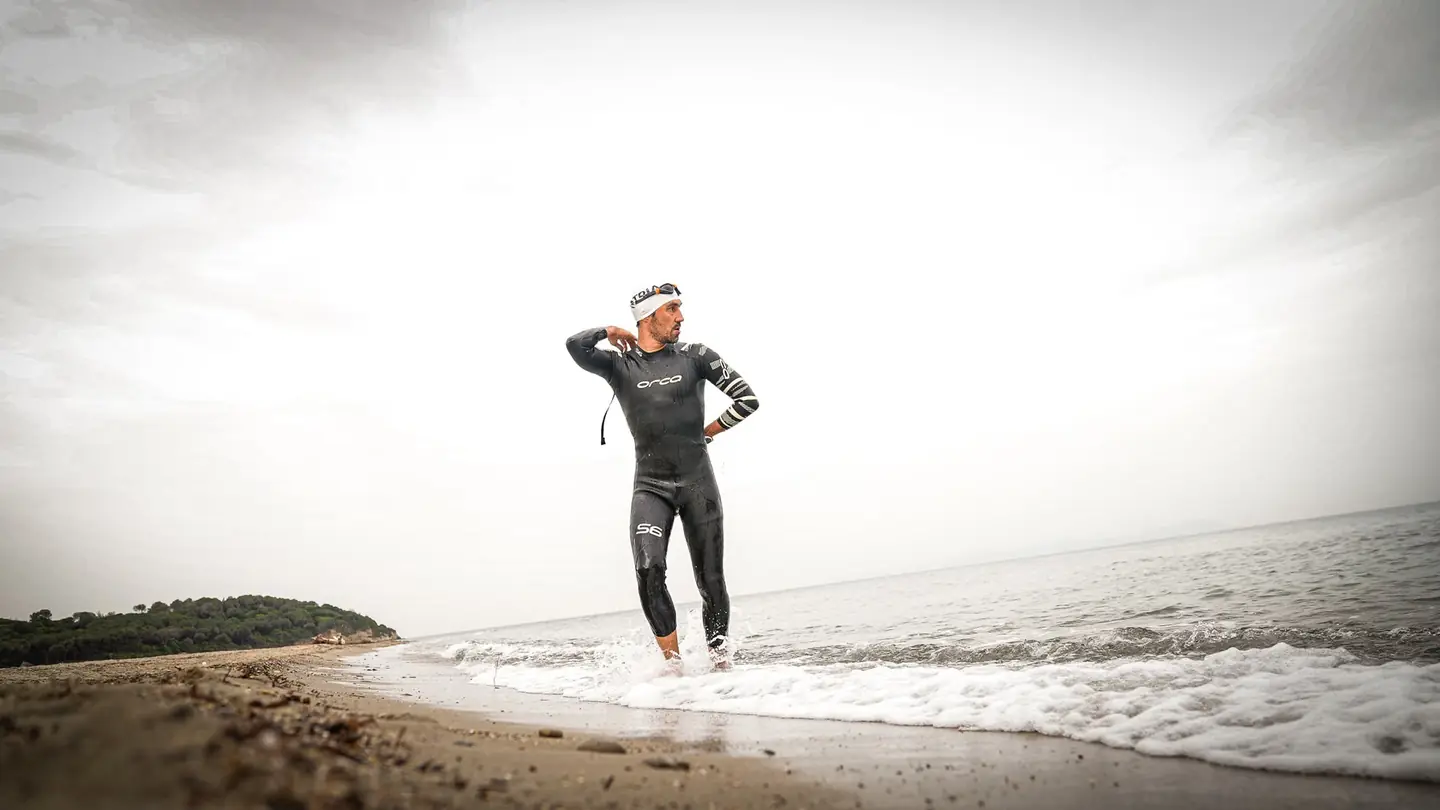
Oliva once again puts itself on the triathlon map with a middle-distance race that combines sea, road, and a running finish alongside the dune cordon. The event, linked to the Oliva és Triatló project, has established itself as one of the benchmarks of the regional calendar thanks to its own identity: it is not just a competition, but also a sporting and tourist calling card for the city.
The International Triatlón 113MD Oliva Capità de la Vangvarda is recognized for its Mediterranean character, with a swim close to the coast, a bike section closed to traffic, and a run that hugs the coastal landscape. That combination makes it especially appealing for those looking for a demanding race, but also one that is unique because of its setting and the history it has carried since its first editions.
A race born to expand triathlon history in Oliva
The organization itself has explained in different editions that this triathlon emerged in response to a repeated demand among regular athletes: to add a longer distance to the local tradition of the classic event, one capable of giving continuity to the city’s sporting project. The middle distance arrived as the natural evolution of an event that had already turned Oliva into a meeting point for triathletes from inside and outside the Valencian Community.
Behind that growth lies a core argument worth keeping in mind: Oliva does not use triathlon as a mere showcase, but as part of a broader story where sport, heritage, tourism, and landscape coexist. The name Capità de la Vangvarda refers to the local historical imagination and adds a hallmark that sets it apart from other races of similar characteristics. It is not decoration. It works as a mark of identity, almost like a banner that sums up the relationship between the city and the competition.
Over the years, the race has gained weight until it became part of a circuit of events that the organization has presented as a way to unite sporting challenges and territorial promotion. In that context, the middle-distance race coexists with other distances in Oliva triathlon, reinforcing the idea of an event with multiple layers: top-level competition, popular participation, and local projection. That structure explains part of its interest in the calendar.
This is how the middle-distance course is laid out
Reference information places the main format at 1.9 kilometers of swimming, 86 kilometers of cycling, and 18.3 kilometers of running for the middle distance. In other editions or results platforms, very similar figures also appear, with slight variations in the bike and run kilometers due to measurement adjustments or course changes. In any case, the competitive block remains within the usual margins of a half ironman, with sustained demands from start to finish.
The swim takes place along the coast of Oliva, in an environment where the Mediterranean Sea provides that clean, almost horizontal visual profile that so defines triathlon in beach settings. One of the most talked-about features is the start with a short approach toward the water, a solution designed to create space and organize the entry into the segment. For the athlete, that means a less abrupt start and a clear visual reference from the first meters.
The bike section is probably the one that gives the race the most personality. The route runs between Oliva and Pego, with the CV-715 road closed to traffic in the competitive sections, turning the course into a kind of long, clean time trial that is very much in the spirit of non-drafting triathlon. The profile does not feature major accumulated climbs, but it does include changes in elevation and gentle slopes that steadily filter the effort. It is a course where aerodynamic position, pace management, and the ability to sustain power matter as much as fresh legs at the start.
The run completes the picture with three laps through the beach area and the rear perimeter of the dune cordon, always parallel to the shoreline. That detail matters for two reasons. The first is sporting, because it forces concentration in a final stretch where heat and fatigue take center stage. The second is scenic, because the runner moves through a space where sand, coastal vegetation, and the open light of the Valencian coastline add an almost theatrical dimension to the suffering.
The course is not just beautiful; it is also designed to convey an idea of environmental respect. The organization has insisted on protecting the dunes and their natural balance, something especially sensitive in a fragile ecosystem like that of Oliva’s coast. In practice, that makes the race a competition with territorial awareness, a condition increasingly valued by athletes and fans.
What makes this event different from other middle distances
In a calendar full of middle-distance races, Oliva stands out for its balance of toughness, identity, and accessibility. It is neither an extreme mountain course nor a standard urban road race. Nor is it an anonymous competition next to an industrial estate or a major avenue. Its strength lies in that mix of coastline, road visually open to the landscape, and a local narrative that can be felt from the start to the finish line.
The absence of drafting, a central feature of the event, completely changes the tactical reading. Here, it is not enough to ride in a group and save energy at the expense of rivals. The bike leg demands real independence, the ability to pace oneself, and a sharp reading of the day. The triathlete who goes out too hard may pay for that excess in the run, where the nearby sand, the heat, and the sea breeze can turn the last kilometers into a long negotiation with the body.
The atmosphere also matters. For years, Oliva has worked on the idea that triathlon is part of its identity, and that is reflected in the way the event is integrated into the city. The race does not simply drop from the sky onto the municipality; it rests on a prior narrative, on clubs, a municipal school, volunteers, and a base of supporters that gives continuity to the project. That continuity gives the event a maturity that is uncommon in races that still rely too heavily on the appeal of a single day.
For those following the calendar from afar, the feeling is that of a race destined to become a classic. For those competing, the reading is more concrete: a triathlon that looks fast, but has enough complexity to separate those who manage the effort well from those who get carried away by the early part of the day. That difference is often the boundary between a good time and a late collapse.
Distances, formats, and the logic of an edition with two sides
The race is usually presented with more than one competitive option, which broadens its reach without diluting its character. Alongside the middle distance, there is an Olympic or standard version with significantly shorter figures. In one reference results edition, for example, the Olympic segment was structured as 1.5 kilometers of swimming, 40 kilometers of cycling, and 8.6 kilometers of running, a shorter but equally demanding distance because of the speed it requires.
This coexistence of formats means Oliva is not reduced to a single label. On one hand, it attracts the profile seeking a complete middle distance, with hours of effort and specific preparation. On the other, it keeps open a more accessible entry point for athletes who prefer a shorter challenge or who are approaching triathlon from shorter distances. Diversity is no minor detail; it largely explains the event’s ability to attract participants and its continuity.
The edition and year change, but the organizational foundation retains recognizable traits: bib numbers, split control, overall standings, age-group categories, and results coverage that allows the race to be reviewed in detail. That technical setup is already part of the minimum expectations for any top-level race, but in Oliva it matters because it reinforces the credibility of an event that aims to be much more than a local celebration.
In journalistic terms, the interest is not only in who wins, but in how the race day is structured. Swim time, transition, cycling average, the second transition, and running consistency build the true radiograph of the race. That is where you can see whether the race was controlled, brave, or chaotic, and that is where you understand why this event is followed beyond the final result.
Oliva as a setting: sea, dunes, and inland roads
The visual appeal of the race comes from the contrast between the coast and the agricultural territory. The swim opens onto the Mediterranean; the bike moves along traffic-closed roads and citrus landscapes; the run skirts a strip where the beach and dune cordon serve as a permanent backdrop. This succession of scenes gives the triathlon a very Valencian texture, with intense light, dry air, and a geography that seems made to be read in motion.
The reference to the dunes is no coincidence. The event puts them in the foreground as an element to protect, and that gesture adds a nuance that sets it apart from more neutral races. The runner is not only crossing a beautiful environment; they are also passing through a place of real ecological value. In times when many competitions are limited to selling a postcard image, here there is an explicit intention to remind us that the landscape has limits and that sport must coexist with them.
The city also benefits from that broader reading. Oliva appears as a sports destination, not because of a quick marketing push, but through accumulation. The beach, the climate, the network of services, and the competitive tradition create a very solid triangle. In the end, that is what sustains a race once it is no longer new: the ability to keep making sense year after year, even for those who already know by heart its turns and sections.
From the outside, it may look like just another summer competition. Seen up close, the story changes. The race condenses a way of understanding triathlon in which performance is not at odds with the landscape or local memory. That uncommon combination explains why it continues to spark interest among athletes, clubs, and fans looking for something more than a simple start and finish line.
Results, times, and the sporting reading left by each edition
The race results show a wide range of times, which is logical in a middle distance with a demanding bike segment and a final run that punishes accumulated fatigue. In one recorded edition, for example, the overall winner finished under three hours in the Olympic version, while the middle distance involves longer times that depend heavily on effort management, sea conditions, and wind.
Splits tell almost as much as the total time. A solid swim, a clean transition, and a steady bike can support a strong placing; a mistake in any of those points is usually paid for later with minutes lost on the run. The race does not forgive miscalculations, but it also does not reward brute force alone. It requires head, experience, and a certain timekeeping discipline—the kind that separates those who know how to race from those who only know how to suffer.
The results and standings system also makes it possible to review the race by categories, gender, and clubs. That detail, very typical of federated triathlon, reinforces the collective dimension of the sport without taking away from individual performance. Each bib tells a different story, but all are read within the same competitive structure. That is one of the keys to its appeal: the event has a winner, but it also has a much broader community of interpretation.
In a sport where the biggest spotlights usually focus on just a few international races, Oliva functions as a medium-high value piece within the Spanish ecosystem. It does not try to imitate the giants of the calendar. Its strength lies in offering a complete experience, with a recognizable course, a clearly defined setting, and an identity that does not fade over time. In triathlon, that is worth as much as a good podium report.
The race that has made landscape part of its identity
The International Triatlón 113MD Oliva Capità de la Vangvarda cannot be understood only by its kilometers. It is understood by the way it brings together local history, the Mediterranean coast, sporting demands, and an event concept that does not treat the surroundings as decoration, but as part of the content. That is the difference between a correct race and one that leaves a mark.
Oliva has managed to turn a competition into a lasting story. The middle distance expands the ambition of the project, the traffic-closed course underscores its sporting seriousness, and the relationship with the dunes and the beach adds an environmental reading that gives it depth. The result is an event with a recognizable personality, one of those that remain interesting even when its numbers and streets are already familiar.
In an increasingly competitive triathlon season, that personality matters. Not everything depends on finishing time, or on the poster, or on the final photo at the finish line. Sometimes, what remains is a simpler and harder-to-build combination: a well-designed course, an involved city, and a landscape that, rather than distracting, supports the race. Oliva has built its place precisely on that foundation.
Thus, this race remains a reference for those seeking a middle distance with Mediterranean character, but also for those who value events that respect their territory and integrate it into the competitive experience. In that mix of effort and landscape lies its best calling card, and also the reason why each new edition retains editorial and sporting interest.



How to prevent thigh chafing: causes and real solutions

Women’s running windbreakers: seven jackets and how to choose

Do more workouts get rid of soreness? A guide for runners

Jaén Half Marathon 2026: Record 3,800 Runners Registered

Men’s short running tights: how to choose the right pair

World Triathlon confirms data breach involving medical data

Izan Edo targets podium at Miyazaki World Cup

María Pérez ranks ninth in World Athletics’ 2026 top ten

Dos Santos, Duplantis and Sawe: World Athlete of the Year finalists

San Silvestre Vallecana 2026: 42,000 places, prices and start times

 Races4 months ago
Valencia Half Marathon 2027: date and registration

 Races4 months ago
Valencia Marathon 2026: entry, ballot and course

 Reviews and Comparisons4 months ago
Asics Gel-Roadmiles 3 for men: review and current price

 Reviews and Comparisons4 months ago
Asics Gel Sonoma 8 Gore-Tex: complete analysis for trail and rain

 Sneakers4 months ago
Saucony Endorphin Pro 4: full review and verdict

 News5 months ago
Strava API 2026: what changes for clubs, challenges and runner apps?

 Reviews and Comparisons5 months ago
Nike Alphafly 3: opinions, sensations, and real key points

 Reviews and Comparisons4 months ago
Under Armour running shoes review 2025-2026: models and key features

 Sports Equipment4 months ago
Shoe sizes in cm: a clear guide to getting the right fit for your footwear

 Sneakers3 months ago
Skechers GO RUN Consistent 2.0 analysis: comfort and limits

 News5 months ago
Valencia Marathon 2026 route: key tips to train and run better

 Sneakers4 months ago
Adidas Adizero Boston 13 for men: review and verdict