Races
La Degollada 2026 at the Open EndurAstur: date, venue, and key details
The final round of the Open EndurAstur 2026 returns to La Degollada with a renewed course and end-of-season atmosphere.

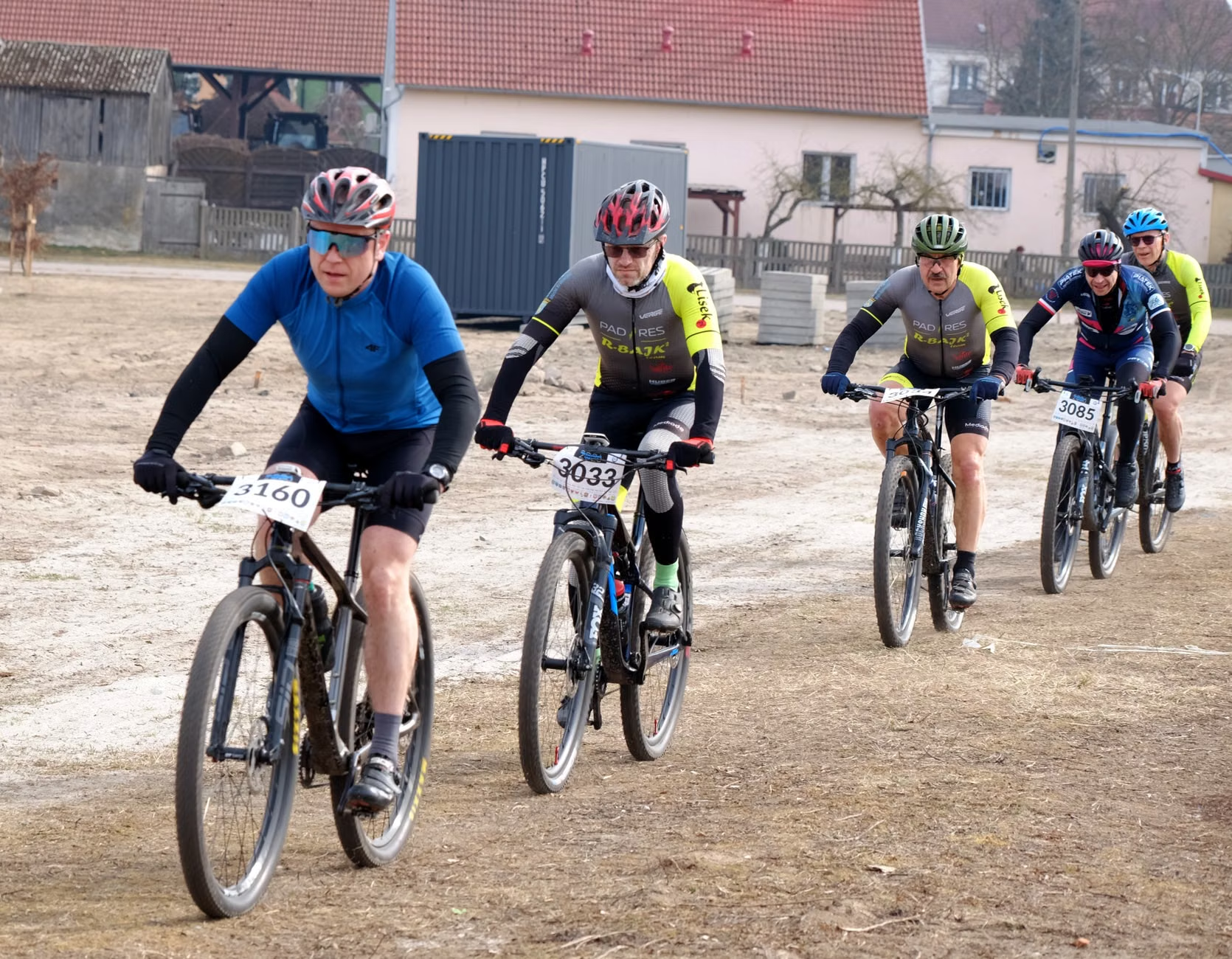
La Degollada will once again close the Open EndurAstur Spiuk 2026 on September 13, in an edition that brings back a venue with competitive pull and a highly recognizable profile within northern enduro. The race comes after several rounds spread across Asturias and Galicia and is presented as the finale to a season that has steadily gained substance with new venues, more categories, and a more ambitious calendar.
The organization places this final stop on terrain that combines updated sections, new stretches, and a very end-of-term feel: less room to save energy, more intensity in each special stage, and an atmosphere that blends rivalry, togetherness, and that very particular feeling of reaching the last page of the notebook. It is not just another date on the circuit, but the place where the season is ordered and, in part, explains itself.
A venue that returns with its own weight
La Degollada already left a clear mark on the Open EndurAstur calendar last year, and its return in 2026 confirms that the event has its own identity. In the official announcement, the organization emphasizes that it is a race that returned to the calendar successfully and that it relies on the experience of the Club Asturcon BTT, responsible for designing and working the terrain so that the sections have quality and sporting coherence.
That combination of continuity and renewal is important in an enduro circuit. Venues that work do so not only because of the toughness of the route, but because of the way the terrain talks to the bike: a descent that forces a choice, a climb that drains you without warning, a trail that narrows and suddenly opens like a strip of earth between the hills. La Degollada points precisely to that: a finale with character, very much about riding skill and very much about quickly reading the course.
There is also an emotional component that carries weight. The final rounds of an open often have something ritualistic about them. Riders arrive with more accumulated fatigue, more stories in their backpacks, and a clear reference point: it is no longer about testing the year, but about closing it with a race that leaves a lasting impression. In that context, La Degollada is not presented as a simple epilogue, but as a venue capable of concentrating everything the circuit has been building since March.
Date, schedule, and place within the calendar
The race is set for September 13, 2026, within the weekend of September 12 and 13, according to the information released by the organization itself. That timing makes it the final event of the Open EndurAstur Spiuk 2026, ahead of Pola de Siero, Burela, Pola de Laviana, La Felguera and the other stops that have been marking the pace of the championship.
That placement matters because it changes the sporting reading. A final venue is not usually judged only by the route; accumulated fitness, technical fatigue, recovery between special stages, and the pressure of a classification that has been simmering for months also count. La Degollada arrives when the margin for error is minimal, and that changes the way each section, each corner, and each transition is approached.
The official announcement also mentions a range of materials and services linked to the event, such as timing schedule, live times, entry list, start order request, course, guide for spectators and participants, plus KMZ and GPX formats. This documentation reflects an organization that does not improvise: in enduro, logistical clarity is worth as much as good signage on a slippery trail.
What kind of race it is and why it attracts so many riders
La Degollada is part of an enduro MTB circuit, a discipline that combines timed downhill specials with non-competitive transfers that, in practice, also take their toll on the legs. It is neither a conventional endurance race nor a leisure cycling ride; it is an event where technique, effort management, and the ability to stay focused matter in equal measure. The bike moves fast, yes, but in fits and starts, with deceptive pauses and terrain that forces you to solve problems on the fly.
The appeal lies precisely there. In enduro, time is won in the special stage, but it can be lost before, during, or after. A poor line choice, a braking mistake, a tight corner taken with too much confidence, and the stopwatch puts you back in your place with almost cruel speed. La Degollada is presented as a recreational sporting event, but that phrase does not soften its essence: it demands reading the mountain, taking risks with intelligence, and knowing how to live with mud, an elevated heart rate, and tired arms.
In addition, the fact that it returns to the calendar after a good reception reinforces an important idea in Asturian MTB: spectators and participants value races that retain personality. It is not about offering a pretty backdrop, but about building a route that leaves specific memories, like that unexpected root, that precarious support, or that descent where the silence before the start seems longer than the section itself. That is where La Degollada’s sporting appeal lives.
The terrain, the mud, and that kind of hardness you do not always see on the map
The information released by the organization speaks of updated sections and others that are new, a formula that usually means more than cosmetic changes. In enduro, every adjustment alters the dynamics of the course. A trail that was once a clean line can become a succession of linked turns; a section of track can gain value as a transfer to distribute effort; an earlier gentle descent can become tougher if rougher passages or short braking zones are introduced.
In Asturias, moreover, the terrain is never just terrain. Humidity is part of the story. Mud appears easily when rain settles in for a few days, and in September you can still find a surface that changes its face in the morning and again in the afternoon. La Degollada has every chance of demanding traction, support reading, and a cool head, three qualities that cannot be improvised when the ground turns slippery and the front wheel starts writing its own story.
That context explains why the Club Asturcon BTT, with extensive experience organizing mountain events, has such a relevant role in this edition. Designing a route is not just about drawing a line; it involves working the terrain so the race has flow, safety, and excitement. In a discipline like enduro, the ideal course is almost invisible: it lets the landscape speak, but forces the rider to make decisions every few meters.
A final round that also organizes the season
The Open EndurAstur Spiuk 2026 has been structured as a season with several venues and a clear logic: start in March in Pola de Siero, pass through Burela as a Spanish Cup event, continue through Pola de Laviana and La Felguera, and reach La Degollada before the special closing event at Avalancha Illas in October. Within that structure, La Degollada occupies a decisive place because it serves as a prelude to the final stretch and, at the same time, as the setting where many riders will look to settle scores in the standings.
That position gives it added tension. In an intermediate race, there is still time to correct mistakes. In a final block event, not so much. The mistakes from the beginning of the season still weigh heavily, but so do the accumulated successes, and that turns each special stage into a kind of exam with no retakes. La Degollada concentrates the memory of the championship and forces it through the start gate once more.
The organization has also stressed that the event will have a clearly recreational and sporting character, with a weekend designed for competition, camaraderie, and a good atmosphere. That blend is significant. Enduro has found one of its strengths in that balance: the toughness of the bike does not exclude the social side, and shared fatigue often ends up mattering as much as the result.
Broader categories and a growing community
The Open EndurAstur Spiuk 2026 arrives with expanded categories that offer clues about the circuit’s current moment. The organization has introduced a broader range for eBikes and a new youth and cadet structure to encourage younger riders to take part. It is a decision that fits the evolution of modern MTB, where analog bikes, e-bikes, veteran riders, and talents starting to measure their first timed descents all coexist.
Having more categories is not just a matter of volume. In a well-built regional circuit, that diversity helps build community and consolidate a broader sporting base. A child competing today may be learning tomorrow how to tackle a technical special stage; an eBike rider may find an increasingly refined competitive space in the calendar; and the event as a whole gains density, spectators, and conversation around the route. La Degollada benefits from that ecosystem, because a season finale with more profiles also produces more storylines.
In the eBike category as well, the expanded age range reflects an already established reality: electric bikes are not a side note, but a significant part of contemporary enduro. That does not reduce the challenge; it transforms it. Transfers can be smoother, but downhill control remains decisive, and Asturian terrain rarely gives anything away. Technique still rules.
Entries, documentation, and the life surrounding the race
The reference information notes that registrations opened on August 13 at 9:00 p.m., a detail that usually marks the real start of the conversation among participants. In events like this, the registration window tends to trigger travel planning, equipment checks, and exchanges between clubs, because enduro is lived both at the start and in the days leading up to it, when logistics are fine-tuned with the same seriousness later applied to a special stage.
The documentation also includes several practical elements that shape the event: regulations, entry lists, live timing, and downloadable material for spectators and participants. In practice, that means the event is not limited to race day, but is accompanied by a small tracking ecosystem. The Open EndurAstur has learned to present itself as a complete sporting product, with accessible information and a narrative that does not depend solely on the result.
The race communication also connects with the territory. The organization’s website points to tourist interest areas in the municipalities involved, a formula that fits well with MTB logic: each event not only moves bikes, it also moves people, landscape, and local conversation. In races like La Degollada, the circuit and the surroundings feed each other.
What could decide the race on the stopwatch
In a final like this, technical details often decide more than they seem to from the outside. Braking management, line choice in rooty sections, the ability to keep the bike alive without fighting it, and the endurance of hands and forearms in the final special stages all weigh heavily when the course is linked together at pace. The rider who arrives fresher will not always win, but they will have a better chance of not giving away time on small mistakes.
Adaptation to the terrain will also be key. A race with updated trails and new sections forces riders to improvise without losing method. In enduro, improvising does not mean riding without a plan; it means knowing that the plan is rewritten while the wheel keeps turning. A section that seemed fast may hide a tight entry; a short climb can break your legs if you arrive too hot; a clean descent can get messy on the first run and completely change the result for the second rider. La Degollada will reward those who understand the terrain quickly.
And then there is the human factor, which in Asturias usually shows up with its own accent. The end of the season brings nerves, jokes, rush, glances at the standings, and that familiar background noise in the start area: wheels, helmets, buckles, short voices, the occasional nervous laugh. La Degollada, with its recreational-sporting character, seems designed to let all of that coexist with stopwatch pressure without losing authenticity.
A season-ending finale with landscape, memory, and real demands
La Degollada does not arrive on the calendar as a showcase novelty, but as a venue that has proven it can return and hold its ground. On September 13, 2026, a final window onto the Open EndurAstur Spiuk will open there, with a race that brings together an updated course, organizational experience, and an Asturian setting that softens nothing. In the end, that is its strength: it does not promise an epiphany, it promises a serious, well-built enduro with personality.
That is why this event matters beyond the result. It speaks to how the circuit has matured, to how regional MTB can grow without losing identity, and to how a final venue can become more than just a point on a calendar. In La Degollada, the stopwatch will close the season, yes, but it will do so on terrain that will still have plenty to say when no one is left at the start line.



How to prevent thigh chafing: causes and real solutions

Women’s running windbreakers: seven jackets and how to choose

Do more workouts get rid of soreness? A guide for runners

Jaén Half Marathon 2026: Record 3,800 Runners Registered

Men’s short running tights: how to choose the right pair

World Triathlon confirms data breach involving medical data

Izan Edo targets podium at Miyazaki World Cup

María Pérez ranks ninth in World Athletics’ 2026 top ten

Dos Santos, Duplantis and Sawe: World Athlete of the Year finalists

San Silvestre Vallecana 2026: 42,000 places, prices and start times

 Races3 months ago
Valencia Half Marathon 2027: date and registration

 Races3 months ago
Valencia Marathon 2026: entry, ballot and course

 Reviews and Comparisons4 months ago
Asics Gel-Roadmiles 3 for men: review and current price

 Reviews and Comparisons4 months ago
Asics Gel Sonoma 8 Gore-Tex: complete analysis for trail and rain

 Sneakers3 months ago
Saucony Endorphin Pro 4: full review and verdict

 News5 months ago
Strava API 2026: what changes for clubs, challenges and runner apps?

 Reviews and Comparisons5 months ago
Nike Alphafly 3: opinions, sensations, and real key points

 Reviews and Comparisons4 months ago
Under Armour running shoes review 2025-2026: models and key features

 Sports Equipment4 months ago
Shoe sizes in cm: a clear guide to getting the right fit for your footwear

 Sneakers3 months ago
Skechers GO RUN Consistent 2.0 analysis: comfort and limits

 News5 months ago
Valencia Marathon 2026 route: key tips to train and run better

 Sneakers4 months ago
Adidas Adizero Boston 13 for men: review and verdict