Races
Las RozasRun Trail and Relay Half Marathon 2026: date and distances
Las Rozas once again combines trail running, relays, and a lively local atmosphere in an event featuring a charitable 5K, 10K, and 21K.

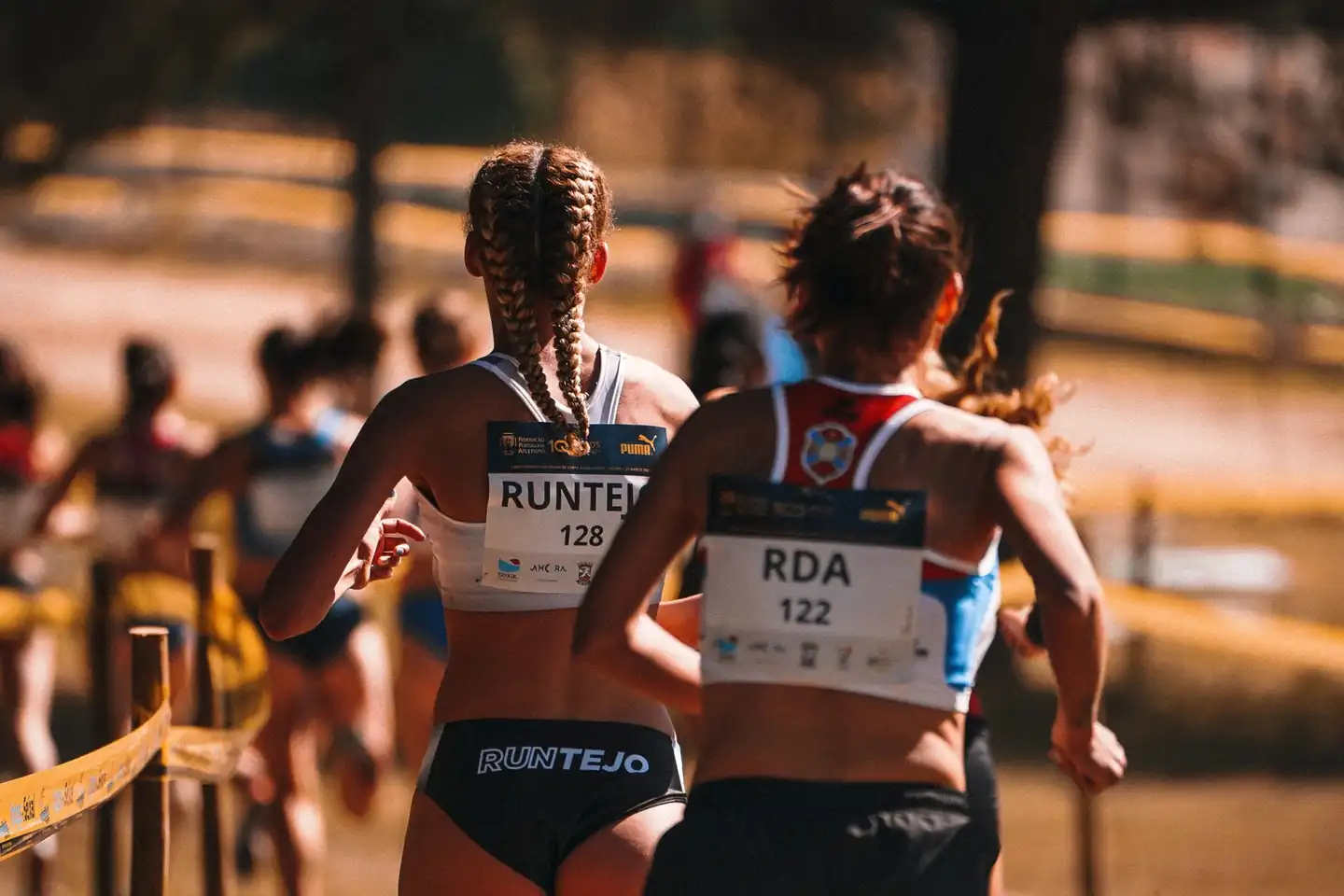
Las Rozas is getting ready for one of its most distinctive events on the runner calendar: the 4th Trail Las RozasRun and the 2nd Team Relay Half Marathon, a proposal that combines competitive spirit, a family-friendly format, and a route on dirt paths in the heart of the Dehesa de Navalcarbon setting. The race is scheduled for Saturday, October 17, 2026, at 09:30, with start and finish in the same place, and it comes with three participation options ranging from an individual 5K to a half marathon run in relays.
The big difference in this race lies in its format: it is not limited to timing runners, but mixes short trail running, loop-based racing, and a half marathon shared among several runners. That combination makes it a very useful event for those seeking an accessible yet demanding effort, with dirt terrain, moderate elevation gain, and a club-, group-, or family-like atmosphere that is not usually seen in the more conventional urban races.
A compact, fast, and very recognizable trail in the Dehesa de Navalcarbon
The setting matters as much as the distance and, in this case, the Dehesa de Navalcarbon offers a very familiar environment for Madrid runners: dirt paths, trees, open areas, and a circuit designed to be repeated without losing sight of the start and finish. The course adds 85 meters of positive elevation gain per lap, a moderate figure that does not turn the race into a tough climb, but does add that extra level of demand that forces runners to pace themselves better.
The organization describes the route as 100% on dirt paths, with a fast and marked circuit. That combination usually attracts runners coming from road racing who want a first approach to trail running, but also those who prefer a more dynamic than technical race. It is not an ultratrail or a long crossing; rather, it is an entry-level format, agile and very measurable, where each lap provides a clear reading of pace and sensations.
The start is located on Av. Ntra. Sra. del Retamar, in front of the fairgrounds, in Las Rozas de Madrid, within the Dehesa de Navalcarbon area itself. According to the information released by the organizers, access and parking are easy for those arriving by car or bus, a practical detail that in weekend races often matters almost as much as the bib number.
Three distances for very different profiles
The sporting offer is organized into 5K, 10K, and 21K team relay, and that is where much of the appeal of this event lies. The individual 5K is set up as one lap of the circuit; the 10K as two laps; and the team relay half marathon as four laps shared among two, three, or four members. The format is easy to understand, but it opens several tactical possibilities depending on the group and how the relays are split.
In the 21K team category, two members can run two laps each; with three runners, one completes two laps and the other two run one each; with four, each runner does one lap. The relay takes place at the finish area at the end of each lap, giving the race an almost choreographed feel: exchange, control the pace, head out again, and recover sensations. This format, uncommon on the popular race calendar, adds a very interesting strategic component without losing the event’s participatory character.
The individual race, by contrast, preserves the classic logic of short trail running. The 5K is more explosive and accessible; the 10K demands more consistency and effort management; and the 21-kilometer relay moves into an intermediate space where both the sum of legs and coordination between teammates matter. It is not just about running more or less; it is about running with a distribution of effort that completely changes the experience.
What we know about the course and the race experience
The circuit follows a very clear model: a 5K loop as the basic unit, dirt terrain, controlled elevation gain, and a steady running rhythm. That structure benefits those who want to compare splits precisely, because each section follows a similar logic and the reference point at each pass through the finish helps organize strategy. In races like this, the runner feels almost as if the race were a small hourglass: each lap empties the legs a little more, but it also confirms that the finish is getting closer.
The organizers also indicate the presence of one liquid aid station and one solid aid station, as well as cloakroom service, chip timing with a returnable chip, a marked course, and medical support with paramedics and an ambulance. In an event of this kind, these elements are not just administrative extras; they are the minimum infrastructure that turns a popular race into a well-run event, with room to enjoy it without having to improvise on the move.
There is also a medal for all finishers, a detail that keeps alive the tradition of recognizing effort beyond placement. In team races, this gesture makes even more sense, because the medal does not just certify a result: it preserves the memory of a shared sum of paces, relays, and decisions.
Registration, prices, and fee tiers
Registration starts at 19 euros and is organized in time-based tiers, with variations between registered residents and non-residents. According to the information released by the organizers, until July 15, 2026 the price is 19 euros per person for residents and 20 euros for non-residents. From July 16 to August 31, the fee rises to 21 euros and 22 euros, respectively. From September 1 to October 16, or until bibs sell out, the cost becomes 23 euros for residents and 24 euros for everyone else.
In practice, the system rewards those who confirm their entry early and penalizes waiting, a logic that is increasingly common in popular running. In this case, residents also have specific discount codes: LASROZAS for 5K and 10K, and LASROZASMMXE for the 21K team relay category. The presence of these codes shows that the race aims to strengthen its connection with the municipality and not just attract outside participation.
Registration includes a Joma technical shirt, personalized bib, returnable timing chip, finisher medal, finish-line refreshments, and a prize draw. A runner’s bag with a Joma prize in different categories is also announced, adding tangible value without turning the race into an elite-only competition. The organizers have also set October 24, 2026 as the registration deadline, provided bibs have not sold out earlier.
Prizes, categories, and recognition of effort
The categories are designed to spread the race across very different profiles, from the overall female and male rankings in the 5K, to more segmented fronts in the 10K by age group, and mixed, female, and male categories in the 21K team event. In the 10K there are age brackets up to 29, 30 to 39, 40 to 49, and 50 or over, a classic formula in popular races that makes participation orderly without overcomplicating things.
Prizes are reserved for the top three finishers in each category and come with Joma gifts, plus a product draw among those who return the chip. That combination of reward and chance softens the line between those competing for the podium and those showing up to complete the distance with a good pace and good atmosphere. In events of this type, the material prize matters, but the most valuable recognition is still finishing the course within an organized and well-cared-for setting.
The medal for all finishers reinforces this idea of an inclusive race, where value is not concentrated only on the first-place finisher. It is not a minor detail: on a day in which relay teams, individual runners, and participants with different goals coexist, the gesture of recognizing everyone who crosses the finish line acts as a common thread between different motivations.
A race with charitable support and a clear local component
Five percent of the funds raised will go to the Elena Tertre Foundation, an contribution that places the race within the realm of social responsibility without turning it into a merely charitable event. The race keeps its sporting essence, but adds a layer of return that gives extra meaning to registration and connects runners’ efforts with a concrete cause.
That charitable link fits well with the overall tone of the event, which is also presented as a proposal designed for the enjoyment of families, groups of friends, and clubs. The race is not trying to sell epic drama; it sells a well-organized Saturday of sport, with the cleanliness of a short circuit and the atmosphere of a local event with a high organizational commitment. Often, that kind of race leaves a clearer impression than the big crowds: less noise, more closeness, more memory of the place.
The event is organized by TYR producciones, and the available information points to an event with safety coverage, electronic timing, and clearly defined basic services. In a calendar crowded with races, that organizational clarity matters a lot. The runner already knows where they are going, what they are running, how the relay works, and what they receive at the end; few things build more confidence than an event that explains how it works without beating around the bush.
How this event fits into the Madrid running map
Las Rozas has become a convenient location for medium and short-format races, with good transport links, wide spaces, and an environment that allows a mix of road, dirt, and popular circuits. This race takes advantage of that context and moves it into accessible trail running, an increasingly sought-after category for runners who do not want to face extreme elevation changes, but do want to leave the pavement without losing logistical references or race rhythm.
The choice of October also works in its favor. By then, the summer heat has eased and runners usually find milder temperatures for running an hour, two laps, or a half marathon in relay. Madrid’s autumn also has a cleaner light, that golden tone falling over the pine woods and turning a dirt race into an almost postcard-like image, even though the bib is lived as the pulse of a real and specific event.
Compared with other more technically demanding events, versatility carries more weight here. The 5K can serve as an entry point; the 10K as a serious and measurable effort; the 21K relay as a shared experience that changes the meaning of the half marathon. The value of this event lies precisely there: it does not force runners to choose between competitiveness and enjoyment, but offers a scale of effort within the same landscape.
The key features that define this edition and why it draws interest
The 2026 edition brings together several unusual ingredients in a single morning: dirt course, lap-based format, relay half marathon, category prizes, returnable chip, full bib service, and a charitable contribution. That accumulation does not make it a complicated race, but rather a well-built proposal, where each piece serves a specific and recognizable function.
The fact that the start, finish, refreshments, and much of the logistics are centered around the same space simplifies the experience and reduces friction. For runners, that matters. A good race is not just one that is run well, but one that is understood well from minute one, one that allows you to arrive, pick up your bib, compete, and finish without the organization becoming a second parallel race.
That is why the 4th Trail Las RozasRun and the 2nd Team Relay Half Marathon stand out on the calendar: because of their format, their setting, and a very carefully measured mix of sport, togetherness, and social cause. It does not aim to be a monument to suffering, but rather a trail running day with its own identity, one of those that combine the echo of shoes with the short stride of the laps and the clear satisfaction of having completed the circuit with good feelings.
The races that leave a memory are usually the ones that organize their pieces well: clear distance, recognizable course, sufficient services, and a shared story for runners with different goals. This Las Rozas event fits that category. It draws a simple line over the dirt, divides it into relays or individual laps, and finishes it with a shared finish line. Sometimes, in popular running, that is enough to explain why a race attracts attention long before the clock starts.
You may also like: Trail Las RozasRun 2026: route, schedule and prices.



How to prevent thigh chafing: causes and real solutions

Women’s running windbreakers: seven jackets and how to choose

Do more workouts get rid of soreness? A guide for runners

Jaén Half Marathon 2026: Record 3,800 Runners Registered

Men’s short running tights: how to choose the right pair

World Triathlon confirms data breach involving medical data

Izan Edo targets podium at Miyazaki World Cup

María Pérez ranks ninth in World Athletics’ 2026 top ten

Dos Santos, Duplantis and Sawe: World Athlete of the Year finalists

San Silvestre Vallecana 2026: 42,000 places, prices and start times

 Races3 months ago
Valencia Half Marathon 2027: date and registration

 Races3 months ago
Valencia Marathon 2026: entry, ballot and course

 Reviews and Comparisons4 months ago
Asics Gel-Roadmiles 3 for men: review and current price

 Reviews and Comparisons4 months ago
Asics Gel Sonoma 8 Gore-Tex: complete analysis for trail and rain

 Sneakers3 months ago
Saucony Endorphin Pro 4: full review and verdict

 News5 months ago
Strava API 2026: what changes for clubs, challenges and runner apps?

 Reviews and Comparisons5 months ago
Nike Alphafly 3: opinions, sensations, and real key points

 Reviews and Comparisons4 months ago
Under Armour running shoes review 2025-2026: models and key features

 Sports Equipment4 months ago
Shoe sizes in cm: a clear guide to getting the right fit for your footwear

 Sneakers3 months ago
Skechers GO RUN Consistent 2.0 analysis: comfort and limits

 News5 months ago
Valencia Marathon 2026 route: key tips to train and run better

 Sneakers4 months ago
Adidas Adizero Boston 13 for men: review and verdict