Races
Loiu 500 Trail 2026: date, start times, course and fees
The Bizkaia event pairs a 12-kilometer mountain course with a popular 5K walk.

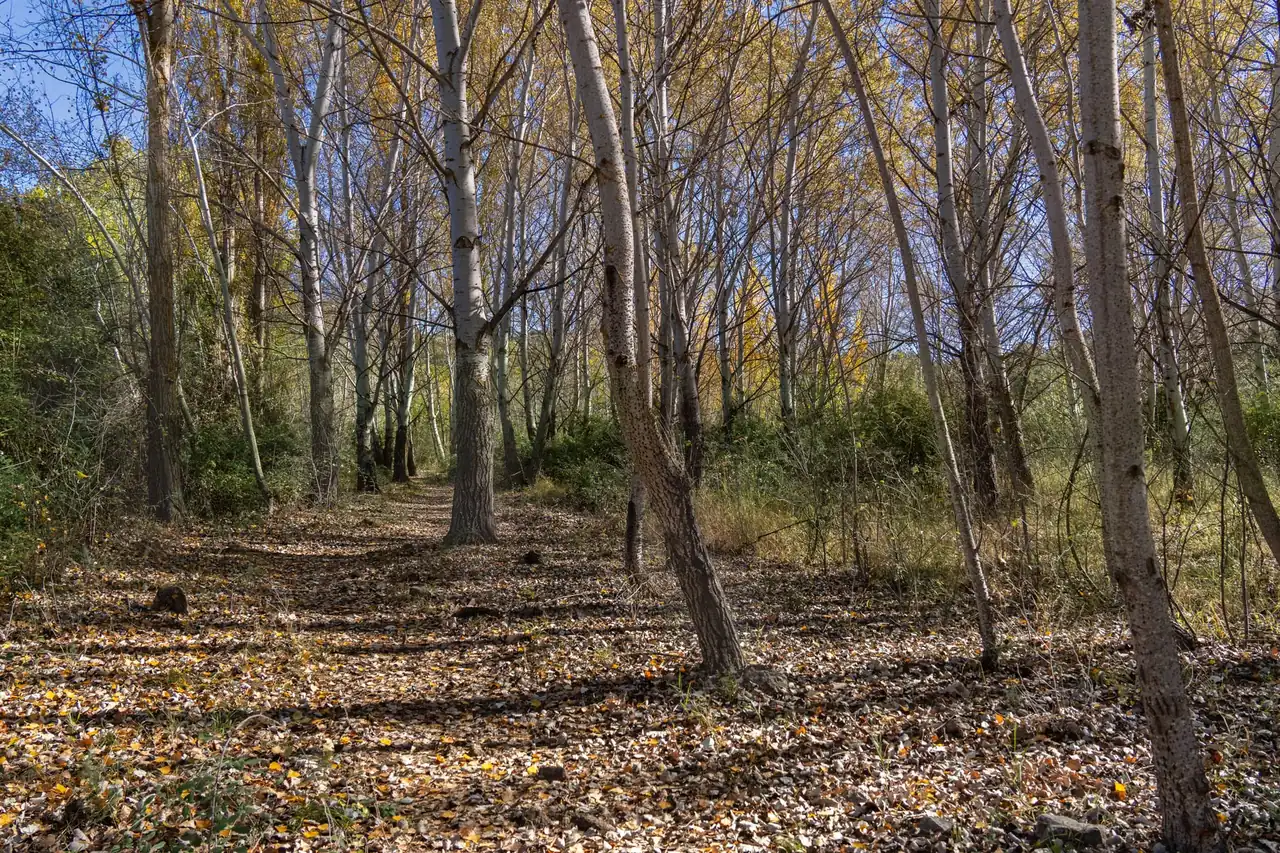
The third edition of Loiu’s trail event is scheduled for Sunday, Nov. 1, 2026, with a 12-kilometer main race and a 5K walk. The competitive race starts at 9:30 a.m., while participants walking the longer route set off at 9:40 a.m. The 5K march, known as the txiki walk, starts at 9:45 a.m.
The event is organized by Loiu Town Council, with support from local companies. The regulations describe a moderately difficult course, with a maximum elevation of 290 meters and 339 meters of both ascent and descent. Entry to the 12K costs 15 euros in October. However, published information differs on the final registration date, so current conditions should be checked on the registration platforms.
A trail event with two distances and different formats
The race takes place in Loiu, a municipality in Bizkaia in the Bilbao metropolitan area. Its program combines a 12-kilometer mountain race with a 5K walk intended for children, companions and people who prefer a shorter distance. The shorter event is for walking only: it does not offer a competitive running category.
Participants can also choose between running and walking the 12K route. The distinction is more than a matter of pace: running is the competitive category, while walking is not. People who register to walk must keep to that format and not run during the course; the regulations say anyone wishing to run must register for the corresponding category.
Both 12K categories use a race bib and chip to record official times. The existence of a results table for the walking category does not make it competitive: the results record times, but prizes are reserved for the running race. The long-distance event therefore brings together different participants without blurring the rules for each category.
Available information lists the main distance as 12 kilometers, although some external listings round it to 12.2K. For planning the effort, the clearest reference is the regulation, which specifies a 12,000-meter course. The shorter walk, meanwhile, is listed as 5K.
Date, start times and the start area in Loiu
The event is set for Nov. 1, 2026. The schedule gives a 9:30 a.m. start for the running category, 9:40 a.m. for the walking category and 9:45 a.m. for the txiki walk. All three share the start and finish area at Plaza de los Jubilados, also identified in the regulations as Erretiratuen Plaza and located next to Loiu’s batzoki.
With several starts scheduled within 15 minutes, participants need to distinguish the category on their registration. In particular, the competitive race and the 12K walk start 10 minutes apart. The 9:30 a.m. start is for runners; those registered to walk set off at 9:40 a.m., and the shorter walk starts at 9:45 a.m.
The regulations allow runners to collect their bib and chip on race day at the event office beside the start and finish, until half an hour before the walking category starts. Since that instruction refers to the 9:40 a.m. start, anyone relying on race-day pickup should confirm the precise deadline for their category with the organizers. The most cautious option described in the regulations is to collect the materials in advance.
For advance collection, the listed dates are Oct. 29 and 30 at Decathlon Bilbao, at 10 Villerías Street, from 10 a.m. to 2 p.m. and 4 p.m. to 8 p.m. The supplied text specifies that race bibs will not be distributed on Saturday, Oct. 31. Materials may be collected in person or by someone else, under the published conditions.
Course and difficulty: what is known about the route
The main course is 12 kilometers, and the regulations rate it as moderately difficult. The information lists a maximum elevation of 290 meters and 339 meters of both cumulative ascent and descent. These figures offer a more useful picture than distance alone: this is not a flat race, although the official description does not classify it as an extreme event.
The available reference material does not provide a detailed map, a kilometer-by-kilometer elevation profile or a description of technical sections. It is therefore not possible to say what proportion runs on trails, tracks or firmer surfaces, or where the climbs are concentrated. The final route and its specific features should be checked in the organizers’ information when it becomes available.
The 339 meters of cumulative climbing help indicate the kind of effort involved: over 12K, climbs can affect pace and demand more than a road race of a similar length. Descents also matter because they load the legs differently and require controlled footing. The moderate-difficulty label is not a substitute for an elevation profile, but it does provide a general guide.
Preparing for a mountain race means paying attention to terrain as well as mileage. Running on paths with changes in surface, slopes and turns calls for adjustments to stride and speed. If the published route confirms those features, training on similar surfaces will be more representative than doing every session on flat ground. Without an official map, any route-specific preparation should remain provisional.
Registration, fees and possible differences in deadlines
Registration is handled through RockTheSport and UNO.es, according to the regulations. The 12K fee increases by month: 12 euros in June and July, 13 euros in August, 14 euros in September and 15 euros in October. According to the supplied information, the entry includes the organizer’s liability insurance, accident insurance, a bib and chip, a T-shirt, refreshments, a changing area and bag storage, along with other event provisions.
There is a discrepancy worth checking before paying. The regulations say registration is available through Oct. 29, while a platform listing gives a closing date of Oct. 31 at midnight. The two deadlines do not match, so it is not safe to assume places will remain available until the later date listed by one source. Availability and the actual closing date should be confirmed through the registration channel.
The 5K txiki walk has a separate fee: 8 euros through Sept. 30 and 10 euros from Oct. 1, provided bibs and chips are still available. The regulations note that late registrations may not be guaranteed their requested T-shirt size. For an event with several categories, participants should check that they have registered for the correct distance and format, rather than simply for the event in general.
The town council reserves 100 free entries for people registered as residents of Loiu, allocated across the long race and the txiki walk in chronological registration order. The described process requires participants to register and pay first, list Loiu as their town, then provide proof of residency or an equivalent document after taking part and finishing on race day. The entry fee is refunded during the following week, once attendance has been confirmed.
Rules, cut-off times and prizes
The regulations set a maximum of two and a half hours to complete the 12K run and three and a half hours for the walking category. These limits provide a clear reference for pacing, although they do not replace safety instructions or any changes announced by the organizers. The walking category has a limit one hour longer than the competitive race.
The 12K run is competitive, with prizes in kind for the top 10 men and top 10 women in the overall standings. There is no cash prize. The organizers plan to hand out awards as the recipients cross the finish line rather than making them wait, reducing the time spent cooling down after the effort.
The official bib and chip are mandatory in both long-course categories. The regulations also warn that event staff may remove people who attempt to participate without a bib. This requirement identifies participants and records their times; showing up at the start without completing registration is not enough.
Participants are responsible for considering themselves physically fit enough to complete the event. The regulations state that the organizers are not responsible for injuries linked to pre-existing physical problems that worsen during the effort. That provision does not make the race risk-free: the distance, elevation and terrain make it sensible to consider personal experience and follow official instructions.
What differs between running, walking and the txiki march
The three starts serve different purposes. The 12K run is the only competitive option and has a two-and-a-half-hour limit. The 12K walk covers the same route on foot, with a maximum of three and a half hours. The 5K event is a walk, not a race, and the regulations particularly suggest it for children, companions and people for whom the longer distance may not be suitable.
The distinction between categories must be respected throughout the route. In particular, people registered to walk cannot turn their participation into a race; anyone wishing to run must choose that option during registration. Choosing the correct category determines the start time, competitive status and cut-off, while helping organizers manage participants in an orderly way.
The shorter walk broadens the event beyond people seeking a result. It also makes it easier for groups with different paces and experience levels to share the day without everyone having to tackle 12 kilometers. The supplied information does not detail the 5K profile or its specific conditions, so those details should be checked in the full regulations before deciding whether children should take part.
Preparing for race day while keeping practical details in mind
For a 12K event with elevation, it makes sense to arrive with time, know the start location in advance and check the bib collection instructions. The start and finish area is Plaza de los Jubilados, but the supplied information does not specify parking options, road closures or public transportation for that morning. Local travel arrangements should be checked using current information, especially for anyone coming from outside Loiu.
Equipment choices also depend on what the route information confirms. A trail course may alternate between firm and loose ground, but without a map it is not appropriate to claim particular obstacles or surfaces. When choosing shoes, participants should rely on the terrain described by the organizers and their own experience with trail footwear. Breaking in new gear on race day adds an unnecessary variable to an effort that already includes elevation.
The weather forecast may affect how autumn conditions feel and the state of the ground. The event is in November, but that alone does not establish whether there will be rain, mud, cold or wind. Checking the forecast close to race day and reviewing organizers’ notices is more reliable than predicting conditions weeks in advance. Clothing should suit the actual weather and allow comfortable movement.
Food and hydration should be matched to expected duration, intensity and individual needs. The listing says refreshments will be available during the event and at the finish, without specifying their locations or contents in the available information. It is not possible to infer from that how much food or drink each participant will need. On a route with climbs and descents, maintaining a sustainable pace is usually more useful than starting too fast and compensating later.
A local event with details worth confirming
Loiu’s event brings together a 12K mountain race, a walking category and a popular 5K march on the same morning. The combination offers options for different levels of experience, while separate start times and specific rules define the nature of each category. The competitive race starts at 9:30 a.m. and the shorter walk at 9:45 a.m., with the longer walk between them.
The firmest details are the date, announced distances, start location and cut-off times. Other points need a final check: registration closing dates differ between sources, and the route profile is not included in the information reviewed. Fees also change by month and category, so the long race price should not be confused with the txiki walk fee.
With the regulations in hand and logistics confirmed, the event is more than a distance on the calendar: it is a morning shared by runners, walkers and families on paths around the municipality. The key is to follow the chosen category, understand the elevation and match expectations to the route published by the organizers. Updated official information will be essential for finalizing participation plans.



How to prevent thigh chafing: causes and real solutions

Women’s running windbreakers: seven jackets and how to choose

Do more workouts get rid of soreness? A guide for runners

Jaén Half Marathon 2026: Record 3,800 Runners Registered

Men’s short running tights: how to choose the right pair

World Triathlon confirms data breach involving medical data

Izan Edo targets podium at Miyazaki World Cup

María Pérez ranks ninth in World Athletics’ 2026 top ten

Dos Santos, Duplantis and Sawe: World Athlete of the Year finalists

San Silvestre Vallecana 2026: 42,000 places, prices and start times

 Races3 months ago
Valencia Half Marathon 2027: date and registration

 Races3 months ago
Valencia Marathon 2026: entry, ballot and course

 Reviews and Comparisons4 months ago
Asics Gel-Roadmiles 3 for men: review and current price

 Reviews and Comparisons4 months ago
Asics Gel Sonoma 8 Gore-Tex: complete analysis for trail and rain

 Sneakers3 months ago
Saucony Endorphin Pro 4: full review and verdict

 News5 months ago
Strava API 2026: what changes for clubs, challenges and runner apps?

 Reviews and Comparisons5 months ago
Nike Alphafly 3: opinions, sensations, and real key points

 Reviews and Comparisons4 months ago
Under Armour running shoes review 2025-2026: models and key features

 Sports Equipment4 months ago
Shoe sizes in cm: a clear guide to getting the right fit for your footwear

 Sneakers3 months ago
Skechers GO RUN Consistent 2.0 analysis: comfort and limits

 News5 months ago
Valencia Marathon 2026 route: key tips to train and run better

 Sneakers4 months ago
Adidas Adizero Boston 13 for men: review and verdict