Races
Lucero Urban Mile 2026 prepares for its big race day
The Madrid event returns on Sept. 12 with races for all ages and entry fees starting at 1 euro.

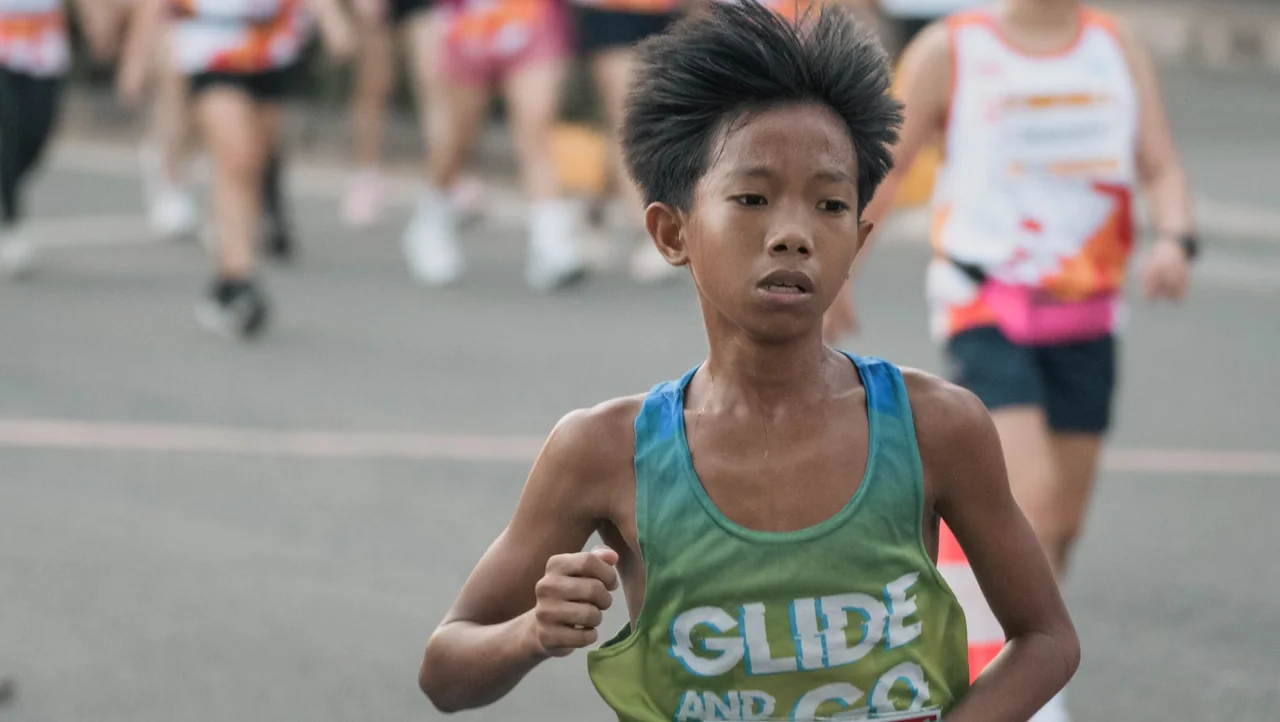
The Lucero Urban Mile will hold its 32nd edition on Saturday, Sept. 12, 2026, in Madrid’s Lucero neighborhood, within the Latina district. The morning will begin at 11 a.m. and include races for different age groups, a family event, and competitive and noncompetitive races over the classic 1,609-meter distance.
The event keeps one of its most recognizable features: very affordable entry fees and an organization connected to the neighborhood community. The expected fees are 1 euro for noncompetitive categories and 3 euros for competitive categories, from benjamín through veterans. The Asociación Vecinal de Lucero organizes the event and has dedicated this edition to the memory of Fernando Orbis Mateos.
Information about the race can be reviewed alongside other events in the popular race calendar and the race map. Both resources help runners place this Madrid event within the autumn athletics schedule.
A date marked on Madrid’s calendar
Saturday, Sept. 12, will be the central date of this edition. Activities will take place during the morning, with a general schedule announced from 11 a.m. to 1 p.m. The organization divides starts by category, a common format in urban miles that allows the course and effort to be adapted to participants’ ages and levels.
A mile equals 1,609 meters, a distance short enough for fast athletes to seek a high pace but manageable for those approaching popular racing without experience over longer distances. In this kind of event, the start is usually intense and there is little room to correct mistakes: every turn and pace change matters.
The urban setting also changes the experience compared with a 10K. The goal is not to accumulate miles, but to complete a short, concentrated effort, with the finish line relatively close from the first moment. For younger runners, that scale makes it possible to take part without the physical demands of conventional popular distances.
Registration and prices for the 2026 edition
Online registration will remain open until 3 p.m. on Friday, Sept. 11, 2026, according to information published by the organizers. Registration opened July 1 and requires completing the relevant form, reading the rules, and then depositing the amount assigned to each category.
The fee for noncompetitive races and the family race for ages included in those categories is 1 euro. In competitive races, from benjamín through veterans, the fee is 3 euros. The difference reflects a community participation model designed to keep the event accessible to families and neighborhood runners.
Payment is made by bank deposit in favor of the Asociación Vecinal de Lucero. After completing registration, participants must email proof of payment to the address provided by the organizers. Groups and clubs may centralize the process in one deposit, provided they attach the list of registered participants and the requested information.
There is also an in-person option. Registration documents can be submitted at the Asociación Vecinal de Lucero’s premises from Sept. 7 through Sept. 10, between 5:30 and 7:30 p.m. Participants should confirm that these hours have not changed, particularly because registration takes place only a few days before race day.
What registration includes
All competitive and noncompetitive entries include the official 2026 Lucero Urban Mile shirt. In a neighborhood race, the shirt is more than a souvenir: it identifies participants during the event and preserves the memory of a particular edition.
The family race has an important feature. It does not require an extra payment from runners who are already registered for and have paid for an individual race. The fee applies only to people taking part exclusively in the family event, using the rate for their age: 1 euro through prebenjamín and 3 euros from benjamín onward.
This approach avoids duplicate registration within one family. A child or adult already listed in an individual race may also take part in the family activity without paying again. Anyone not taking part in an individual event, however, must register separately for the family race.
Bib numbers and shirts are scheduled to be collected at the neighborhood premises during the in-person registration days, from Sept. 7 through Sept. 10, between 5:30 and 7:30 p.m. They may also be collected on race day, Sept. 12, from 9:30 to 10:30 a.m., before the races begin.
Categories for an intergenerational event
The event structure covers the youngest ages through veterans. This broad range makes the morning intergenerational, with starts adapted to different groups and a balanced presence of runners competing for results and participants who simply want to complete the course.
Noncompetitive categories allow children to have a first contact with athletics in a less demanding setting. At these ages, the value of a race is not measured only by the stopwatch: reaching the finish, recognizing the course, and sharing the experience with other participants are worthwhile sporting goals.
From benjamín onward, competitive races appear, where finishing order and time become more relevant. The distance remains short, but the intensity can be high. In a mile, a well-positioned runner may hold a fast pace from the opening meters and must control breathing without saving too much energy for the end.
The presence of veteran runners adds another perspective. The mile is a distance that allows athletes to compete at speed even when long races are no longer the priority. It also offers a setting to compare generations, recover track sensations, and enjoy a simple, visible, close competition.
The Fernando Orbis Memorial
The 2026 edition will carry the name Fernando Orbis Memorial, in memory of Fernando Orbis Mateos. Organizers have explained that he was closely connected to the event and served as a bicycle guide for more than a decade, while also helping with the various tasks needed to make the race possible.
His role was not limited to accompanying athletes along the course. Organizers remember him as someone willing to contribute ideas, solve problems, and encourage cooperation among neighbors and participants. In small races, where many tasks depend on volunteers, that unseen work supports much of the event.
The tribute turns the event into more than a sporting date. Every bib, start, and shirt will be connected to a story shared by the neighborhood. Popular athletics therefore retains a community dimension that can disappear when only rankings and finishing times are considered.
Memorial events also allow races to continue without becoming trapped in the past. The event looks toward its 32nd edition while remembering a specific person and the connection he maintained with the race for years. That combination of continuity and remembrance helps explain the event’s roots.
What an urban mile is like
An urban mile should not be confused with a 5K. Although both may be grouped under road running in popular race calendars, the 1,609-meter distance requires a different strategy. The racing pace is faster and any early excess can be felt clearly during the final section.
Urban courses often include turns, changes of direction, and areas where road width affects positioning. Starting too far back may force runners to overtake in narrow spaces, while moving too far forward can waste energy early. In such a short race, position during the opening meters has clear tactical value.
For experienced runners, the distance allows work on sustained speed and tolerance for intense effort. For regular distance runners, it provides a different stimulus, with less time to settle into a rhythm. Breathing becomes louder, the legs accumulate fatigue quickly, and the finish appears before the body finds a stable sensation.
In children’s categories, the priority should be safe, orderly participation. Effort must match age, and responsible adults should follow organizers’ instructions regarding hydration and weather. September can still bring high temperatures in Madrid, so sun exposure and waiting between races are also part of planning the morning.
A race rooted in Lucero
The event’s value is easier to understand when its scale is considered. It is not a major city race with thousands of bibs and massive infrastructure, but an event sustained by a neighborhood association and by residents, families, and popular runners. For a few hours, the neighborhood becomes a shared sporting space.
At events of this kind, the street serves as track, meeting point, and social setting. Children wait for their start beside relatives, veteran runners recognize other participants, and spectators can follow the action from very close by. That proximity changes the experience of athletics: the sound of shoes on asphalt and volunteers’ voices replace the distance of large venues.
The neighborhood organization also explains why information is concentrated in its own channels, including the event website and updates about rules, categories, course, prizes, and registration. These documents matter because they establish start order, participation conditions, and any changes that may occur before race day.
The official event website is millalucero.blogspot.com. It publishes operational information for the edition, while calendar details place the race alongside other popular events in Madrid and across Spain.
What participants should check before racing
The first check should be the assigned category and start time. At a meeting with several races, arriving early helps avoid confusion and allows participants to collect their bib or shirt when appropriate. Official documents should take priority over information in external directories, especially if last-minute changes appear.
It is also important to review the rules and registration requirements. Payment proof, the submitted form, and participant identification may be required when collecting the bib. Keeping documents organized reduces waiting times and makes the volunteers’ work easier.
Clothing should match the September forecast, bearing in mind that a mile is run at considerable intensity. Shoes must be suitable for asphalt and properly fitted; using new equipment on race day adds unnecessary risk. A light warmup, joint mobility, and a few minutes of easy running are generally more useful than creating fatigue before the start.
Hydration should not be treated as a task reserved for long races. The 1,609-meter effort usually does not require drinking during the race, but runners should arrive normally hydrated and avoid heavy meals beforehand. With children, family supervision should include the wait between races and recovery afterward.
A morning of popular athletics with its own identity
The 32nd edition combines several uncommon features: a short distance, family participation, low entry fees, and neighborhood-based organization. That combination gives the event a distinct place in Madrid’s calendar. It does not seek to compete with major races by volume, but to preserve a direct relationship with the neighborhood and the people who make it possible.
The tribute to Fernando Orbis also adds a memory dimension to a morning that might otherwise seem simple. Behind the 1,609 meters are years of collaboration, streets known by several generations, and an understanding of running as an open, close, shared activity.
With registration open until 3 p.m. on Sept. 11, the event offers an affordable chance to compete again after summer. On Sept. 12, Lucero will once more turn its streets into a popular athletics course, with starts for different ages and a finish line capable of bringing together runners who arrive for very different reasons.
You may also like: II Santísimo Cristo del Calvario Mile 2026: date and route.



How to prevent thigh chafing: causes and real solutions

Women’s running windbreakers: seven jackets and how to choose

Do more workouts get rid of soreness? A guide for runners

Jaén Half Marathon 2026: Record 3,800 Runners Registered

Men’s short running tights: how to choose the right pair

World Triathlon confirms data breach involving medical data

Izan Edo targets podium at Miyazaki World Cup

María Pérez ranks ninth in World Athletics’ 2026 top ten

Dos Santos, Duplantis and Sawe: World Athlete of the Year finalists

San Silvestre Vallecana 2026: 42,000 places, prices and start times

 Races3 months ago
Valencia Half Marathon 2027: date and registration

 Races3 months ago
Valencia Marathon 2026: entry, ballot and course

 Reviews and Comparisons4 months ago
Asics Gel-Roadmiles 3 for men: review and current price

 Reviews and Comparisons4 months ago
Asics Gel Sonoma 8 Gore-Tex: complete analysis for trail and rain

 Sneakers3 months ago
Saucony Endorphin Pro 4: full review and verdict

 News5 months ago
Strava API 2026: what changes for clubs, challenges and runner apps?

 Reviews and Comparisons5 months ago
Nike Alphafly 3: opinions, sensations, and real key points

 Reviews and Comparisons4 months ago
Under Armour running shoes review 2025-2026: models and key features

 Sports Equipment4 months ago
Shoe sizes in cm: a clear guide to getting the right fit for your footwear

 Sneakers3 months ago
Skechers GO RUN Consistent 2.0 analysis: comfort and limits

 News5 months ago
Valencia Marathon 2026 route: key tips to train and run better

 Sneakers4 months ago
Adidas Adizero Boston 13 for men: review and verdict