Races
Missoula Marathon: dates, route, and key points of the big weekend
Montana brings together a fast marathon, half marathon, 5K, and parallel activities in a very unique weekend.

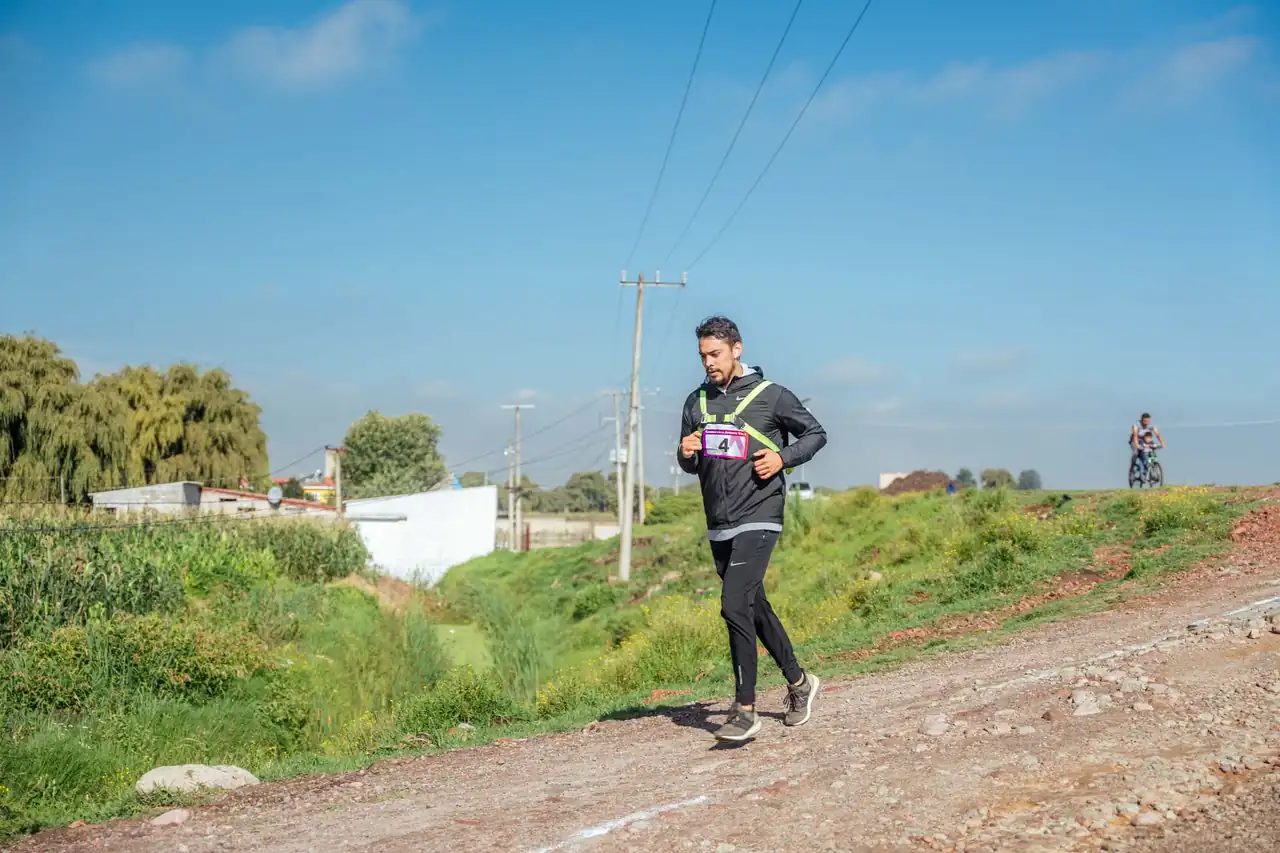
Missoula Marathon has earned an unusual reputation on the U.S. running map: not only for its fast, certified course, but also for the strong role the local community plays around the event. The race takes place in Missoula, Montana, and is part of a full weekend of events that includes a marathon, half marathon, 5K, kids’ event, and side activities with a very host-city feel.
The 2027 edition is set for Sunday, June 27, with the start at 6:00 in the morning from Frenchtown, Montana. The marathon carries a Boston Qualifier label, a detail that puts it on the radar of those chasing a qualifying time, but also of those who value a more approachable course than other major races. Added to that is a point the organizers repeat with pride: the event was born from the initiative of Run Wild Missoula to showcase the beauty of the area and the character of the city to runners from elsewhere.
A race that combines a fast profile and Montana scenery
The Missoula Marathon is defined by an uncommon mix: speed, scenery, and community atmosphere. The course is point to point, meaning it starts in one place and finishes in another, with an early section that crosses rural areas and a finish in downtown Missoula. That structure tends to appeal to those who enjoy linear races, with the feeling of moving toward the city as if the day were gradually closing in over the road.
The race is described as flat, fast, and USATF certified, although the organizers themselves note that there is a climb in the middle of the course. It is not a wall, but it is a change in rhythm that breaks up the continuity of the terrain before a more favorable return. In racing terms, that means the profile should not be read simply as an invitation to go out hard; effort needs to be managed wisely, especially in the second half, when the body has already started negotiating every kilometer.
That profile detail partly explains its reputation among those looking for a marathon with a shot at a good time. USATF certification and Boston Qualifier status are not marketing ornaments: they are technical guarantees for anyone racing with a time goal in mind. Even so, the Missoula experience is not limited to the clock. The start in Frenchtown, the stretch along open roads, and the finish in the urban core create a sense of journey rather than a simple out-and-back.
What is raced during the weekend
The name of the event may make people think only of 42.195 kilometers, but Missoula’s weekend has been designed as a small runner’s festival. Alongside the marathon are the Missoula Half Marathon, the Tony Banovich 5K, the Missoula Kids Marathon, and other offerings that extend the event beyond Sunday. The organizers have also added VIP-format options for those seeking a more complete experience around the main race.
The half marathon shares the same philosophy of a fast, certified course, while the 5K provides a more accessible entry point for those traveling with less competitive ambition or simply wanting to take part in the weekend atmosphere. The kids’ event, on the other hand, is noncompetitive and untimed, designed for children under 13. Taken together, the whole event works like a stepped map of running, from beginner level to the queen distance.
That setup has a clear effect on the atmosphere. Where other marathons concentrate almost all the excitement at the start and finish, Missoula spreads movement across several days. There is bib pickup, an expo, activities, small doses of human warmth in the form of volunteering, and an agenda that lets the city feel involved. It is not just a race, but a running ecosystem, and that difference is noticeable in how people remember it.
The footprint of Run Wild Missoula and the value of community
The Missoula Marathon is organized by Run Wild Missoula, a local collective that has been key to the event’s growth. The official race history insists on one very specific idea: the goal is not only to attract runners, but to share the surroundings, the city’s personality, and a collective way of understanding running. That approach is reflected in the informational materials, in the recognition of volunteers, and in the presence of charitable projects associated with the race.
The local community plays a visible role. The race is presented as one of the area’s most beloved and well-supported events, something that can be seen in the involvement of neighbors, businesses, sponsors, and the desire to turn the weekend into something bigger than the sporting result alone. That level of support is not improvised: it is usually the result of years of work, a well-built reputation, and an organization that understands the marathon as a civic showcase.
There is also an important symbolic component. Run Wild Missoula highlights its recognition of the lands of the Salish and Kalispel peoples, a gesture that places the race in a broader context and reminds us that sport is set within a territory with memory, culture, and responsibilities. In races like this, the environment is not a backdrop; it is an active part of the story. The race exists because the city supports it, and the city presents itself through the race.
Dates, registration, and useful facts for orientation
The clearest reference for this edition is the registration opening date, set for September 15, 2026. The organizers have also stated that race day will be June 27, 2027, with the marathon scheduled for Sunday morning. The reference material also lists a marathon registration cap of 2,150 participants, a figure that gives an idea of the race’s medium size: large enough to create atmosphere, compact enough to maintain a certain closeness.
As for prices, the schedule published by the organizers for the 2027 edition shows a tiered structure ranging from 99 dollars in the first window to 150 dollars in the final period before closing. That system rewards early sign-ups, but it also reflects a common strategy in major U.S. races: the cost rises as the date approaches. The website also states that there will be no race-day registration.
The marathon starts at 6:00, a very typical time for June in Montana, when temperatures can rise quickly over the course of the morning. For many runners, that detail is far from minor. A start that early means truly getting up before dawn, but it also leaves room to race the central miles in still-reasonable conditions. In races like this, the start time matters almost as much as the profile, because it affects hydration, breakfast, and effort control.
Why it appears on so many recommended-race lists
Missoula has been highlighted on several occasions by major media outlets and rankings. Runner’s World named it Best Marathon in the U.S. in 2010 and also placed it among the best options for slower runners, in addition to including it in its list of must-run destination marathons in several editions between 2018 and 2020. BibRave also ranked it first in its 2017 and 2018 selections. That is no small detail: a race does not appear that many times in those kinds of rankings by chance.
The reason is usually a combination of factors that are hard to reproduce all at once. There is a fast race, yes, but also visible volunteering, good runner treatment, open scenery, and a sense of a carefully produced event. In the running world, many races promise a complete experience; few deliver on that promise after the fatigue of mile 35. Missoula seems to rely on exactly that: the race, the setting, and the logistics all pull in the same direction.
The variety of distances also helps the event have more layers. A marathon runner can share the weekend with someone running the 5K, with families bringing children to the kids’ race, and with participants choosing the half marathon. That coexistence gives the event an uncommon human density. It is not just one finish line, but several ways of arriving in the same city in motion.
The course and the experience of running in Montana
The marathon route moves between postcard beauty and real challenge. The first section runs through rural scenery, with the kind of wide-open view that in the American West seems to make the actual distance feel even larger. Then comes the middle climb, a stretch that will probably be remembered more for its sensation than for its exact elevation, and finally the downhill and approach to the historic center. The finish in Missoula has something of a narrative reward: the runner moves from open road to a finish with more life, more noise, and more urban references.
Those looking for a marathon debut often value predictable terrain. Those chasing a fast time value certification and a quick profile. Missoula brings both together with an interesting nuance: it is not a textbook flat course, but neither is it a hill festival. That gives it personality. Instead of an anonymous and perfectly sterile route, it offers a more human tension, with a climb that reminds you every marathon has its own physical bill.
The geographic context matters too. Running in Montana, in the so-called Big Sky Country, places participants in a landscape of broad horizons and strong light, very different from the major urban races of the city runner. That difference is noticeable even before the start, in the way the atmosphere seems to breathe more slowly. The Missoula Marathon sells a sporting experience, but also an emotional geography: space, air, community, and a sense of distance that does not isolate, but accompanies.
A race with its own identity on the international calendar
In an increasingly crowded marathon calendar, the Missoula Marathon maintains a recognizable personality. It does not compete in size with the majors, nor does it try to look like a huge metropolis raced on asphalt alone. Its strength lies elsewhere: in being a well-measured, well-placed race with a strong local meaning. That allows it to attract runners from outside without losing its original accent.
The result is a race that combines elements highly valued by today’s runner: technical reliability, friendly atmosphere, variety of distances, and a story that does not feel manufactured. The organizers do not present the event as a heroic adventure, but as a race built over years by a community that believes in it. That honesty, in endurance sport, is worth more than any slogan.
That is why Missoula keeps appearing in conversations about destination marathons. There are bigger, faster, or more famous races, but few blend sporting ambition with the character of a small city so naturally and openly. In the end, that is its greatest strength: offering a marathon that is not only raced, but remembered for where it happens and for the people who make it possible.
What this event leaves on the running map
The Missoula Marathon captures well a trend that runners value more and more: the search for events with identity, clear logistics, and their own narrative. Not everything comes down to the finishing time. Course quality, organizational closeness, the value of the complementary distances, and the chance to turn a race weekend into a complete experience without gimmicks also matter.
In that sense, Missoula does not need to exaggerate to get attention. It only needs to show what it has: a certified marathon, a fast half marathon, a 5K, a kids’ race, a highly involved city, and a date that already has a place on the calendar. That combination, well managed, explains why the event has ended up among the names many runners keep for the future. The race does not sell only kilometers; it sells context, and in running that is often a decisive advantage.
With registration for 2027 open from September 15, 2026 and the marathon set for June 27, the race once again presents itself as a summer event with the feel of a destination race. Missoula thus preserves its status as an accessible cult race, one of those events that do not need to shout to be noticed. Its profile, its people, and a finish line where the city’s name matters as much as the clock are enough.
Where to stay in Missoula
Hotels available 25–28 June 2027.
Affiliate links: if you book through this map we earn a commission, at no extra cost to you.



How to prevent thigh chafing: causes and real solutions

Women’s running windbreakers: seven jackets and how to choose

Do more workouts get rid of soreness? A guide for runners

Jaén Half Marathon 2026: Record 3,800 Runners Registered

Men’s short running tights: how to choose the right pair

World Triathlon confirms data breach involving medical data

Izan Edo targets podium at Miyazaki World Cup

María Pérez ranks ninth in World Athletics’ 2026 top ten

Dos Santos, Duplantis and Sawe: World Athlete of the Year finalists

San Silvestre Vallecana 2026: 42,000 places, prices and start times

 Races3 months ago
Valencia Half Marathon 2027: date and registration

 Races3 months ago
Valencia Marathon 2026: entry, ballot and course

 Reviews and Comparisons4 months ago
Asics Gel-Roadmiles 3 for men: review and current price

 Reviews and Comparisons4 months ago
Asics Gel Sonoma 8 Gore-Tex: complete analysis for trail and rain

 Sneakers3 months ago
Saucony Endorphin Pro 4: full review and verdict

 News5 months ago
Strava API 2026: what changes for clubs, challenges and runner apps?

 Reviews and Comparisons5 months ago
Nike Alphafly 3: opinions, sensations, and real key points

 Reviews and Comparisons4 months ago
Under Armour running shoes review 2025-2026: models and key features

 Sports Equipment4 months ago
Shoe sizes in cm: a clear guide to getting the right fit for your footwear

 Sneakers3 months ago
Skechers GO RUN Consistent 2.0 analysis: comfort and limits

 News5 months ago
Valencia Marathon 2026 route: key tips to train and run better

 Sneakers4 months ago
Adidas Adizero Boston 13 for men: review and verdict