Races
Palma Half Marathon and 10K 2027: date and distances
Fast circuit, urban atmosphere, and views of the Mediterranean in one of Palma’s most attractive events.

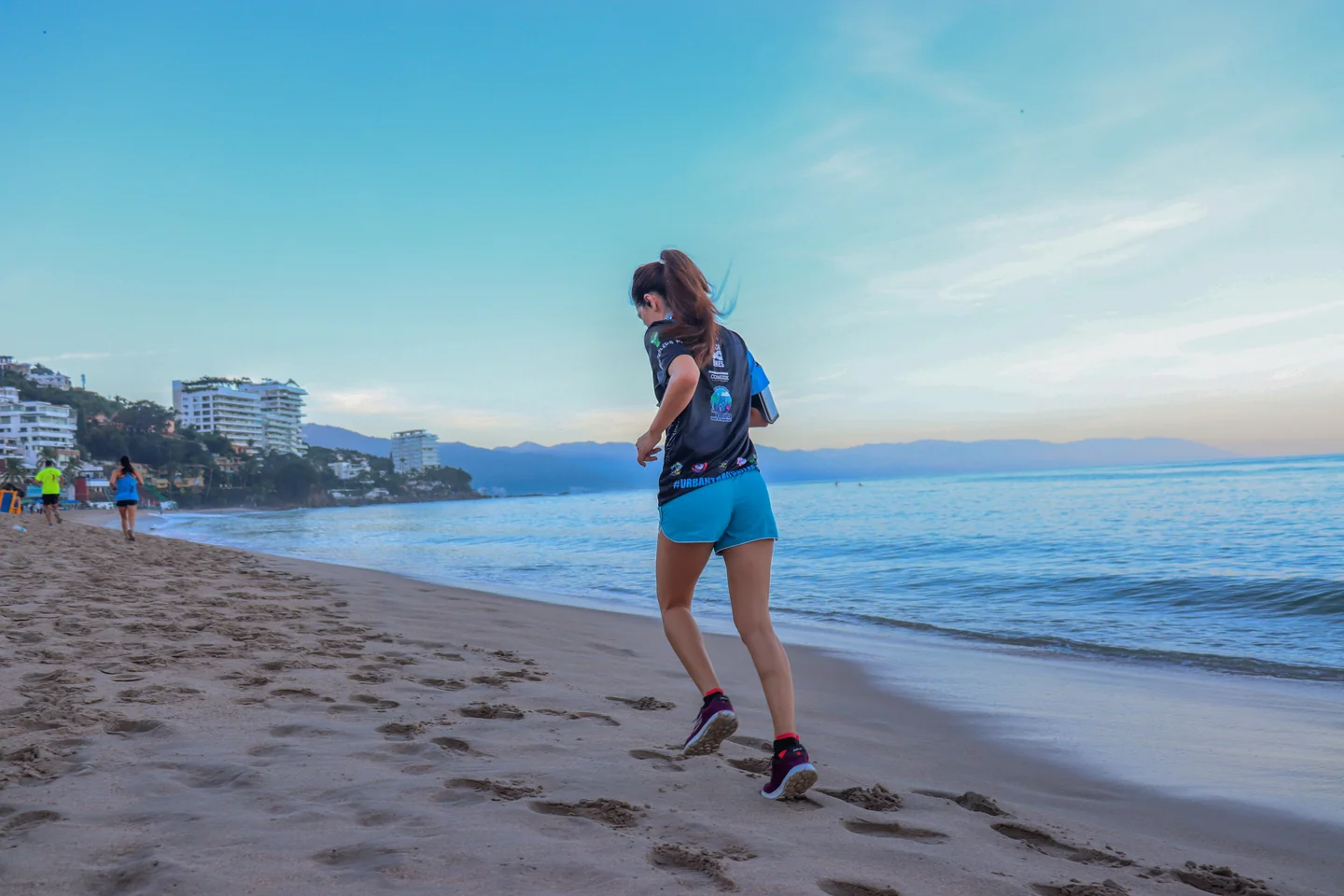
Palma once again puts the spotlight on the asphalt with one of the most recognizable races on the Balearic calendar: the urban half marathon and its parallel 10K, two formats that share the same setting, atmosphere, and a route designed for running fast without losing sight of the sea. The start and finish at Parc de la Mar, in front of the cathedral, capture much of the day’s charm: a city race with the Mediterranean as a backdrop and the historic silhouette of La Seu setting the final postcard.
The race has established itself as a highly sought-after event for those chasing a personal best and also for those who prefer a shorter distance, but with the same scenery in the background. The course is flat, fast, and closed to traffic, a combination that explains much of its appeal. The 2027 edition is scheduled for March 21, with the 10K at 09:00 and the half marathon at 10:00, in a timetable that takes advantage of the soft light of the Mediterranean morning.
An urban circuit with a coastal stamp
The race’s big strength is its route. It’s not just about stacking up kilometers in a beautiful setting; here, the landscape keeps pace with you. The course runs through stretches such as Paseo Marítimo, Paseo Sagrera, Avenida Adolfo Suárez and the Autovía de Levante, as well as crossing parts of the historic center. That mix of wide avenue, seafront promenade, and urban core creates a varied circuit, but one that is very favorable for running steadily.
In a half marathon, every turn, every tight corner, and every small incline matters. Palma makes a smart play here: open spaces, traffic cut off, and long straight sections that reduce interruptions. The result is a setting where the runner can settle into pace without too many surprises. For a 10K, that same philosophy translates into an agile course, with the feel of a big race and a more manageable duration for those who don’t want to go beyond the shorter distance.
The presence of the sea also weighs into the experience, even if it’s not something you can measure with a stopwatch. Running with the coast on one side and the urban skyline on the other changes the perception of effort. The stride feels lighter, the surroundings distract without throwing you off, and the city, instead of becoming mere scenery, becomes part of the race’s story. Palma doesn’t just host a race; it integrates it into its landscape.
Starts, finish, and a very carefully timed schedule
The organizers place the heart of the day at Parc de la Mar, one of the city’s best-known spaces and a strategic point for visibility, access, and symbolism. Starting and finishing there gives the event coherence and avoids unnecessary detours for participants and spectators. In addition, the image of runners arriving with the cathedral in the background has ended up becoming one of the event’s most repeated postcards.
The 10K kicks off the morning at 09:00, while the half marathon starts an hour later, at 10:00. That gap makes it easier to organize the setup and offers a clear sporting logic: first the shorter distance, then the main race. The structure also benefits public following, allowing attention to stay focused without being scattered across multiple schedules.
The half marathon route begins in an urban setting and unfolds along a completely traffic-free course. That condition is crucial because it removes part of the usual noise of city races: traffic lights, open crossings, and unexpected delays. When traffic is kept out of the way, the runner gains consistency, and in races like this, that consistency is worth almost as much as the preparation beforehand.
What the half marathon offers and what the 10K brings
Palma’s half marathon keeps the classic appeal of 21.097 kilometers, a distance that demands discipline, a cool head, and very fine-tuned effort management. In fast races like this one, it’s usually not the runner who starts with the most fire who wins, but the one who knows how to keep a steady cadence throughout the morning. The course helps, but it doesn’t give anything away. The distance is still demanding, and the final feeling, when the pace has been well managed, is usually that of a race well run.
The 10K, on the other hand, offers a different reading. It’s a shorter race, more direct, and with less room to recover from mistakes. A first kilometer that’s too fast gets paid back quickly; a cautious start, on the other hand, can leave room for a more efficient second half. In Palma, the large-scale urban setting gives the 10K a special dimension too, because the runner feels part of an important event without taking on the full load of the half marathon.
That’s why the event attracts very different profiles. There are those looking for a serious test to measure their fitness and those chasing a first experience on a big stage. Both find something useful in the same morning. The short race keeps the atmosphere of a major event, while the half marathon offers a more complete challenge for anyone who needs a distance with greater sporting depth.
The kind of runner it suits best
This race usually suits runners who value a clean course, solid organization, and an environment that doesn’t punish the legs too much. More competitive profiles find here an opportunity to post good times thanks to the combination of a favorable route and straightforward logistics. Recreational runners, meanwhile, usually appreciate the mix of city, sea, and wide streets.
It also has a tourist angle, even if the race isn’t reduced to that label. Palma offers an experience that goes beyond the bib: nearby beaches, the old town, gastronomy, and a climate that in March is usually kinder than in much of mainland Spain. The half marathon and the 10K benefit from that context because they turn the weekend into something broader than the competition itself. The event works both as a sporting occasion and as an urban showcase.
That dual layer explains part of its popularity. The race doesn’t require extreme logistics or an overly long calendar commitment to find its place. It presents itself as an accessible race for many runners, but with enough prestige not to feel like a minor event. That mix is hard to achieve and, precisely for that reason, so valuable on the calendar.
Services and conditions that shape the experience
The organizers include the usual elements found in well-established races, but taken together they weigh heavily on the participant’s overall impression. These include bag drop, medical assistance, aid stations, timing chip, accident insurance, and finisher medal. They’re not extras; they’re the invisible infrastructure that allows the race to run smoothly and lets the runner focus on running.
In the case of the half marathon, the reference information places hydration stations along the course and at the finish. It also mentions a pre-race expo where bibs and race bags are collected, along with a post-race atmosphere with food and music. That kind of service reinforces the feeling of a complete event, not just an isolated competition. In an urban race, the experience starts before the gun goes off and ends long after crossing the finish line.
The administrative details also help explain the race. Registration observed for the 2027 edition was in the 16 to 22 euro range at promotional rate, with higher prices in the standard phase. That tiered structure is typical of races with early booking, where the cost rewards early commitment and penalizes waiting. Beyond the exact figure at any given moment, the message is clear: this is a relatively affordable race within the European mid-distance circuit.
Why Palma works so well for running
There are cities that lend themselves to running by inertia and others that, on top of that, do it with elegance. Palma belongs to this second group. The presence of the bay, the wide promenades, the historic center, and the city’s open reading onto the seafront create a sense of spaciousness that is unusual. The runner doesn’t feel trapped in an urban maze; they perceive a city unfolding in front of them like a horizontal ribbon.
That has very concrete sporting consequences. When the course avoids traffic and moves along wide avenues, the pace tends to stabilize and concentration improves. In endurance races, that detail matters a lot. The body appreciates the continuity and the mind gets a break from the micro-changes in direction. The speed of the course depends not only on the profile, but also on the cleanliness of the route.
Palma also adds a value you can’t buy with a bib: the atmosphere of a Mediterranean city in the early season. March doesn’t carry the pressure of summer heat or the harshness of a full winter. The climate is usually milder and, in racing terms, that translates into a more pleasant morning for sustaining effort. It doesn’t guarantee fast times, but it does help the race feel easier to run.
Sporting outlook for the 2027 edition
The 2027 edition arrives with a clear reference point: a fast-profile urban half marathon and a 10K that shares much of the visual and logistical appeal. Interest isn’t limited to local participation. By format, date, and context, the event has the capacity to attract runners from different parts of Spain and abroad, especially those looking to combine competition and a weekend getaway.
The start order also suggests a day well thought out to distribute the flow of participants. First the 10K, then the half marathon, with a setup that concentrates attention in a single urban core without spreading the logistics out. That kind of planning, often invisible to the public, is what supports the perception of an orderly race. And in an event with showcase ambitions, order matters just as much as atmosphere.
The presence of broad categories and openness to different levels reinforces that idea of a cross-cutting event. It’s not just a race for elites or asphalt specialists. It’s an event that welcomes everyone from those chasing the clock to those simply looking to finish feeling good. Palma’s value lies in its ability to be demanding without being hostile.
A finish with cathedral, sea, and a watch in hand
There are finishes that fade from memory soon after crossing the arch, and others that stick because of the place, the light, or the way you enter the finish. Palma belongs to this second group. Running toward Parc de la Mar, with the cathedral in the background and the sea just a few meters away, gives the final stretch a very powerful visual charge. The body feels the effort; the eyes, meanwhile, find a clear reward.
In an era when many races look alike, Palma keeps a clear identity. The half marathon and the 10K aren’t competing only on times or participation; they’re also competing on their ability to offer a recognizable scene, well put together and with character. The combination of city, coast, and organization means the whole event doesn’t rely on a single argument, but on several that reinforce one another.
That’s why the Mallorcan event keeps gaining ground on the spring calendar. It has a favorable course, an attractive location, a well-defined start and finish, and a clear sporting reading. It’s a race that invites you to run fast, but also to look around. And that, precisely, is where much of its strength lies: in turning a Sunday in March into a very specific image of urban running in Spain.
Where to stay in Palma
Hotels available 19–22 March 2027.
Affiliate links: if you book through this map we earn a commission, at no extra cost to you.



How to prevent thigh chafing: causes and real solutions

Women’s running windbreakers: seven jackets and how to choose

Do more workouts get rid of soreness? A guide for runners

Jaén Half Marathon 2026: Record 3,800 Runners Registered

Men’s short running tights: how to choose the right pair

World Triathlon confirms data breach involving medical data

Izan Edo targets podium at Miyazaki World Cup

María Pérez ranks ninth in World Athletics’ 2026 top ten

Dos Santos, Duplantis and Sawe: World Athlete of the Year finalists

San Silvestre Vallecana 2026: 42,000 places, prices and start times

 Races3 months ago
Valencia Half Marathon 2027: date and registration

 Races3 months ago
Valencia Marathon 2026: entry, ballot and course

 Reviews and Comparisons4 months ago
Asics Gel-Roadmiles 3 for men: review and current price

 Reviews and Comparisons4 months ago
Asics Gel Sonoma 8 Gore-Tex: complete analysis for trail and rain

 Sneakers3 months ago
Saucony Endorphin Pro 4: full review and verdict

 News5 months ago
Strava API 2026: what changes for clubs, challenges and runner apps?

 Reviews and Comparisons5 months ago
Nike Alphafly 3: opinions, sensations, and real key points

 Reviews and Comparisons4 months ago
Under Armour running shoes review 2025-2026: models and key features

 Sports Equipment4 months ago
Shoe sizes in cm: a clear guide to getting the right fit for your footwear

 Sneakers3 months ago
Skechers GO RUN Consistent 2.0 analysis: comfort and limits

 News5 months ago
Valencia Marathon 2026 route: key tips to train and run better

 Sneakers4 months ago
Adidas Adizero Boston 13 for men: review and verdict