Races
Real Madrid Foundation Race 2023: date, route, and key details
The charity race filled Madrid with runners, with 5 and 10 km distances and a strong social component.

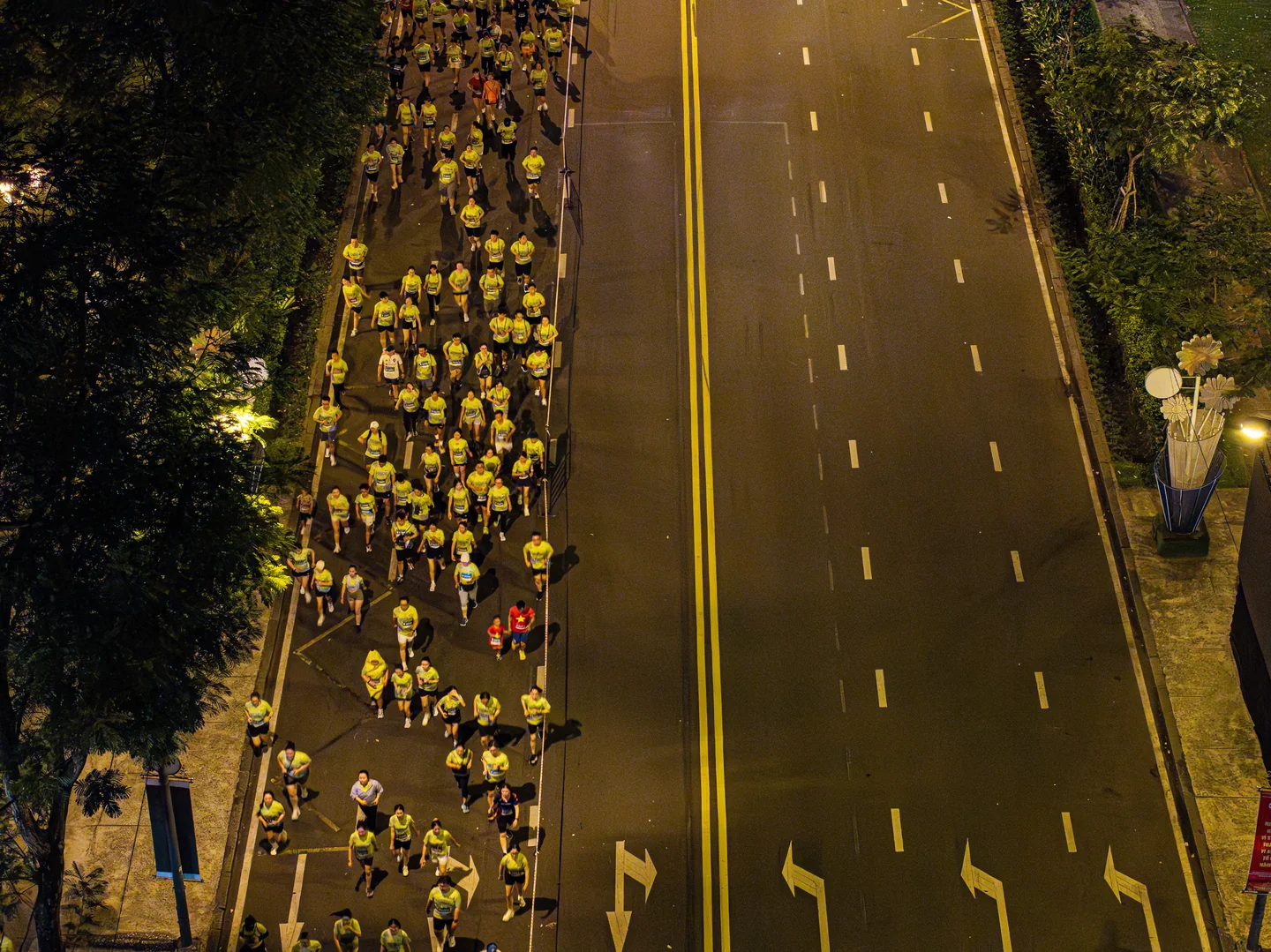
Imagen: VANNGO Ng / Pexels
The Real Madrid Foundation Solidarity Race once again turned Madrid into a circuit of sport and purpose, with thousands of runners moving between urban asphalt and the symbolism of a club that uses sport as a social tool. The 2023 edition maintained that blend of popular race and charitable gesture that has helped it grow over the years: a day designed both to compete and to support the Foundation’s sports-based social projects.
The event was structured around 5- and 10-kilometer distances, with children’s races completing a very family-friendly morning open to different types of participants. The start and the urban route offered the usual showcase of Madrid’s spring races, while the finish and the atmosphere linked to the Santiago Bernabéu enhanced the appeal of an event that is not limited to the clock.
A race with sporting and social weight
The race was born and grew with a clear logic: run to support programs that go far beyond recreational athletics. The funds raised are allocated to the Real Madrid Foundation’s sports-based social projects, a network of initiatives that works with children, young people, and groups in vulnerable situations. That component changes the tone of the day and turns it into something more than a standard popular race.
The symbolic value of this event lies in bringing together performance and solidarity. In the same morning, runners looking for a personal best, families trying a distance for the first time, children in their races, and participants who see the finish line as a way to contribute to a specific cause all coexist. That combination explains why the race has gained a stronger presence in Madrid’s calendar.
The Foundation’s project uses sport as a common language. Around that idea come social sports schools, inclusive programs, and actions aimed at people with fewer opportunities. The race acts as a loudspeaker for that work, which is why the interest goes beyond the sporting result. The runner does not just complete a course; they also join a support structure that seeks real, measurable impact.
The 2023 edition in the context of the race
In 2023, the race followed the line of its most established editions: a popular event in Madrid, with runners of different levels and an organization focused on making participation accessible. The 5- and 10-kilometer format works well for that goal, because it allows people to choose between a more accessible distance and a race that demands a bit more endurance without entering the territory of major half marathons.
The experience of this race is strongly shaped by its setting. Madrid brings breadth, city noise, long avenues, and the feeling of a major event that is noticeable from the start. The connection with the Bernabéu adds an instantly recognizable element, almost as if the race were using one of the capital’s great urban landmarks to shape its own place in the sporting calendar.
The 2023 edition also consolidated the presence of runners with very different profiles. In events like this, those competing at the front, those running at a relaxed pace, and those taking part for the charitable dimension all coexist. That diversity is part of its identity and explains why the atmosphere at the finish feels more like a collective celebration than a simple ranking.
What distances it offers and who they suit best
The race program sits in very accessible territory for recreational runners. The 5 kilometers usually attract those looking for a first taste of an urban event, people who run occasionally, or those who prefer a controlled level of intensity. It is a short distance, but enough to experience the competitive atmosphere and finish feeling like part of something big.
The 10 kilometers are the most classic format for regular runners. They require better effort management, a steady pace, and not emptying the tank too early. In a race like this, with strong public presence and urban stimuli, the 10K becomes a very rewarding route for those who want to compete without extreme demands.
The children’s races add another layer of value. They are not just a charming extra, but a way to open the day to younger ages and introduce sport in a festive, safe setting. That part of the program fits perfectly with the Foundation’s spirit, which has long linked physical activity with education, healthy habits, and inclusion.
The route and the experience of running in Madrid
Reference information places the race around the Santiago Bernabéu and on city streets, a common pattern in high-visibility urban races. That means asphalt, sustained pace, and a course designed to enjoy the surroundings, rather than to seek elevation changes or technical difficulty. This is not a mountain race or an obstacle event; it is an urban event with a popular tradition.
That kind of route has clear advantages. The runner finds continuous visual references, better crowd support, and a regular surface that makes it easier to keep pace. It also demands smart effort management, because the city can be deceptive: the excitement of the start can lead you to go out a little too fast, and in a 10K any excess is paid for in the final stretch.
Madrid, moreover, adds a weather and environmental layer that matters. In May, temperatures can be mild in the morning, though heat can build quickly if the sun is strong. That is why the race feels different from a winter event: there is more light, more human traffic around, and a seasonal energy that makes it especially attractive for runners and companions alike.
Who participates and what profile dominates the race
The race attracts a very broad profile. There are licensed runners, regular amateurs, and participants who come for the solidarity component. That overlap of audiences makes the start diverse and means the competition is not measured only in times. The success of the event depends precisely on that openness: anyone can find their place without the race losing its identity.
The family component also carries a lot of weight. The children’s races mean the day is not focused solely on adults, which reinforces the feeling of a civic event. Often, this kind of race serves as an entry point into running for children and young people, and it is no coincidence that the Foundation emphasizes values such as comprehensive education, inclusion, and healthy habits.
In 2025, organizers were already speaking of nearly 8,000 participants in the next edition, a figure that confirms the event’s pull and helps explain the size of the base this race draws. That growth reflects an uncommon balance between brand, social cause, and runner experience, three elements that do not always coexist smoothly in the same calendar.
Why the Real Madrid Foundation uses running as a loudspeaker
Running fits the Foundation’s philosophy for a simple reason: it is a democratic, flexible, and highly visible sport in public spaces. It does not require major infrastructure to participate, it can mobilize many people, and it connects with values such as effort, perseverance, and self-improvement. In an organization that works with sports-based social projects, that language is especially useful.
The race helps fund and make integration programs visible. These include initiatives such as Emprendeporte, linked to unemployed people or people without a home, as well as schools and adapted projects for groups with specific needs. The money raised does not remain an abstract gesture; it supports ongoing lines of work.
There is also a clear reputational reading. Grassroots sport and solidarity sport need visibility, and this event offers a very powerful platform in Madrid. The combination of name, place, and cause creates visibility that is hard to match for other popular races, especially when the course ends up associated with one of the capital’s most recognizable venues.
Atmosphere, organization, and details that make the difference
A race of this kind is also measured by what does not appear in the rankings. The atmosphere around the start, the presence of volunteers, the children’s activities, and the feeling of a shared day are part of the sporting product. Recreational runners often remember the finish line just as much as the starting music, the applause, and the mix of jerseys filling the avenue.
The organization, according to the available information, gave the central role to a standard urban race, with registrations open on the event’s official website and a structure designed for a large number of participants. That model is common in races sponsored by major brands or institutions: accessibility, clarity in the proposal, and a route that the general public can easily recognize.
The presence of sponsors and partners also strengthens the logistical base. In the most recent reference edition, names such as Azulmarino, Adidas, Coca-Cola, Solán de Cabras, the Madrid City Council, ITAI Pharma, Compagnie Fruitière, Plaza Mahou, Extrem, and 226ERS appeared. That support network helps the event gain consistency and stability, something essential when managing a high volume of runners.
What this event says about popular running in Madrid
The Real Madrid Foundation Solidarity Race is part of a broader trend: urban running is no longer understood only as competition, but as a social experience, a charitable cause, and a meeting point. Madrid has turned many of its races into small city rituals, and this one fits perfectly into that logic. It is not a marginal event; it speaks to the city’s pulse.
Its strength lies in combining accessibility and storytelling. There are fast races, tough races, and mass-participation races. This one belongs to the third family, but it adds its own story that sets it apart from the rest. The runner is not just buying a bib; they enter a narrative framework where Real Madrid, the Foundation, and the city work together to give meaning to the morning.
That is why the reference to 2023 is not limited to a date or a specific edition. It speaks of a race that had already consolidated its identity and continued growing in later years. In Madrid’s running calendar, few events so clearly unite the sporting dimension, family participation, and social purpose. And that is, ultimately, the reason for its staying power.
A race that measures more than kilometers
The 2023 edition made it clear that this event is not sustained only by its institutional brand or the strength of the name behind it. Its true value lies in turning a May morning into a series of small gestures: running, contributing, accompanying, educating, and making visible. Each of those verbs carries weight within the concept.
In a city used to major sporting events, the race retains something very valuable: a human scale under a very powerful umbrella. The result is a race that can interest both competitive runners and occasional participants without losing coherence. That is not common. And it explains why this race, year after year, keeps its place among Madrid’s most recognizable solidarity events.
Seen from a distance, the 2023 race was not just a date on the calendar. It was a clear snapshot of running as a civic phenomenon: different people, one street, a shared goal, and a club turned into a vehicle for social impact. Much of its strength lies in that intersection of sport and city.
You may also like: Run for the SDGs: what it is, dates, route, and key points and EcoRun Environmental Race: date, route, and key details.



How to prevent thigh chafing: causes and real solutions

Women’s running windbreakers: seven jackets and how to choose

Do more workouts get rid of soreness? A guide for runners

Jaén Half Marathon 2026: Record 3,800 Runners Registered

Men’s short running tights: how to choose the right pair

World Triathlon confirms data breach involving medical data

Izan Edo targets podium at Miyazaki World Cup

María Pérez ranks ninth in World Athletics’ 2026 top ten

Dos Santos, Duplantis and Sawe: World Athlete of the Year finalists

San Silvestre Vallecana 2026: 42,000 places, prices and start times

 Races3 months ago
Valencia Half Marathon 2027: date and registration

 Races3 months ago
Valencia Marathon 2026: entry, ballot and course

 Reviews and Comparisons4 months ago
Asics Gel-Roadmiles 3 for men: review and current price

 Reviews and Comparisons4 months ago
Asics Gel Sonoma 8 Gore-Tex: complete analysis for trail and rain

 Sneakers3 months ago
Saucony Endorphin Pro 4: full review and verdict

 News5 months ago
Strava API 2026: what changes for clubs, challenges and runner apps?

 Reviews and Comparisons5 months ago
Nike Alphafly 3: opinions, sensations, and real key points

 Reviews and Comparisons4 months ago
Under Armour running shoes review 2025-2026: models and key features

 Sports Equipment4 months ago
Shoe sizes in cm: a clear guide to getting the right fit for your footwear

 Sneakers3 months ago
Skechers GO RUN Consistent 2.0 analysis: comfort and limits

 News5 months ago
Valencia Marathon 2026 route: key tips to train and run better

 Sneakers4 months ago
Adidas Adizero Boston 13 for men: review and verdict