Races
San Joaquín Bigastro Night Race 2026: date, start time, and price
Bigastro is preparing a 6 km evening race starting at Huerto del Cura, with bib number and a price of 10 euros.

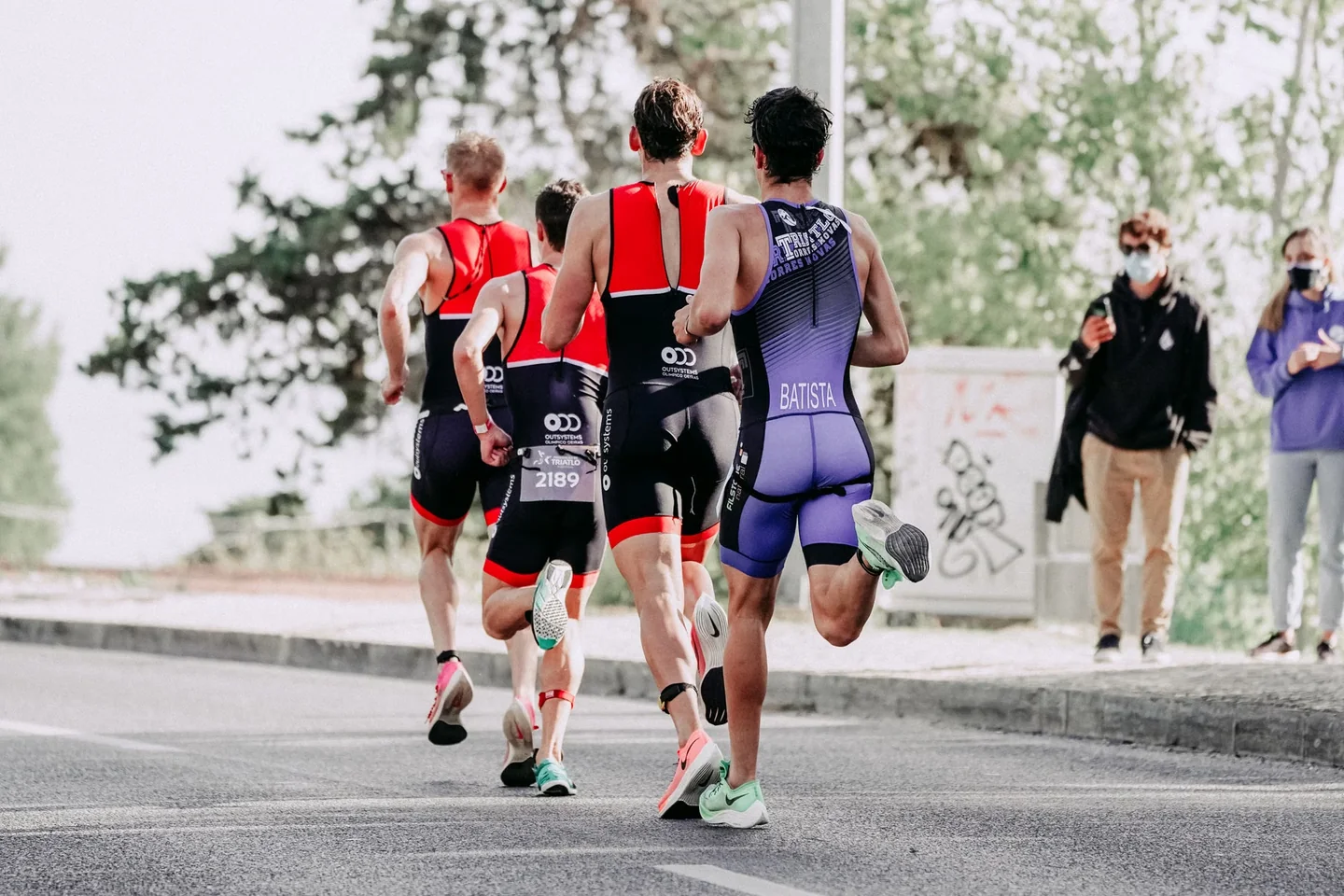
Imagen: RUN 4 FFWPU / Pexels
The night race of San Joaquín in Bigastro is now listed on the calendar with a start set at Parque Huerto del Cura and a 6-kilometer course that captures the atmosphere of popular summer races: heat lingering as evening falls, artificial lights, short strides, and a square that fills with runners before nine at night. The organizers have scheduled the race for Saturday, July 18, 2026 at 9:00 p.m., with a general entry fee of 10 euros plus management fees and the bank card processing commission.
Bigastro, in the Vega Baja del Segura, adds another event that combines grassroots sport and the festive calendar, with a short, accessible format that is very familiar to the recreational runner. The distance, the nighttime schedule, and the urban setting make this race ideal for anyone looking to compete without the strain of a half marathon or the toughness of a mountain route, but with enough spark to demand pace and positioning from the very first kilometer.
A summer event with a popular identity
The San Joaquín race has become one of those events that works because of balance: short distance, reasonable price, and a friendly schedule for summer. In July, going out to run at eight in the evening can still feel like stepping into a pocket of heat; doing it after dark changes the sensation of effort completely, even if humidity and the day’s accumulated sweat are still there. That is a big part of this event’s appeal.
The 6-kilometer format forces runners to commit from the start. It is not a distance for easing in, but neither is it an all-out track effort. In a race like this, recreational runners usually find an in-between ground that rewards pace management, the ability to maintain a steady stride, and group race awareness, especially when the pack starts together from a compact area like Huerto del Cura.
The event is organized by the Sports Department of the Bigastro Town Council, a detail that reinforces the local identity of the event. This is not an isolated or improvised race, but one that is part of the municipal agenda, with that nearby-community feel that usually translates into local participation, runners from the surrounding area, and a very small-town running atmosphere, where the crowd not only watches but also recognizes those passing by.
Race time, start, and setting
The start is scheduled for 9:00 p.m., a common time slot for summer night races because it helps avoid, to some extent, direct sunlight and makes use of the cooling evening temperatures. Still, the word night race should not be misleading: in July, temperatures can remain high, and the asphalt or pavement holds onto heat like a plate cooling slowly. That is why the perceived temperature still matters much more than it might seem on paper.
The starting point, Parque Huerto del Cura, provides a recognizable setting that is easy to identify for runners and companions alike. In urban races, the start area matters almost as much as the technical profile of the course, because it affects the flow of pre-race gathering, bib collection, and warm-up itself. A spacious area with clear references usually helps the organizers keep things orderly and the runner spend less time on side issues.
Bigastro also offers a very manageable scale for a race of this kind. That usually means shorter travel times, less chaotic bib pickup, and a more intimate experience than at large metropolitan events. In popular races, that detail matters a lot: runners are not always looking for huge numbers, but for a well-run evening with simple rules, an understandable course, and the feeling that the race has its own face.
Registration, price, and what the fee includes
The announced entry fee starts at 10 euros, plus management fees and the bank card processing commission. In the popular racing scene, this price range still places the race in an affordable bracket, especially compared with longer events or those offering more additional services. In this case, the cost matches a 6-kilometer race aimed at recreational runners and the local atmosphere.
Information published in other references to previous editions of this same event mentions a runner’s pack including an official T-shirt, sports backpack, exclusive bib, bag of nuts, running waist belt, and a ticket for sandwiches after the race, as well as refreshments. This should be taken as a useful precedent, not as a fixed promise for every edition, because what is confirmed for 2026 in the reference sheet is the fee and the basic structure of the race.
These kinds of races usually rely on small logistical details that make the experience smoother. Bib pickup, access to the venue, clear schedule information, and a well-marked start matter just as much as price. For the recreational runner, paying little does not mean giving up on serious organization; it means, above all, finding a balanced formula between accessibility and order.
A 6K that rewards pace and positioning
Six kilometers is not a throwaway distance. On the contrary: it demands very precise pace control because any overly fast start is quickly punished. In a nighttime urban race with a crowded start, the first kilometer is usually the most chaotic and also the most important in deciding whether you run comfortably or spend the rest of the race chasing. Getting well positioned and avoiding an overly ambitious opening usually makes more of a difference than runners like to admit at the finish.
The distance also has an inclusive value. Not all amateur runners are ready for 10, 15, or 21 kilometers, but a 6K allows participation with less physical load and less exposure to heat. That combination opens the door to regular competitors as well as people who join a popular race as a one-off experience, perhaps because of proximity, local tradition, or the festive atmosphere that accompanies many summer nights in the Vega Baja.
Night adds another technical layer: the perception of effort changes. The temperature drops a little, yes, but darkness and artificial lighting alter visual cues and the sense of pace. It is common for runners to feel they are going faster than the stopwatch says, or the other way around. That is why, in races like this, heart rate and breathing end up being better allies than purely visual sensations.
Results, podiums, and event tracking
Results platforms from other editions or references linked to the race have already shown classification sections, with runner search and men’s and women’s podiums. That competitive layer is part of the race’s identity, even if public interest is not limited to the order of finish. In summer popular races, timing and checking the results afterward have become a ritual almost as anticipated as the start itself.
In the reference edition analyzed, the search tool allows users to locate a bib number, first name, or surname and check each participant’s position. That detail is not minor: in small races, where the treatment is more direct and the number of entrants is manageable, runners appreciate clear results that are easy to review afterward. Technology, when well integrated, brings transparency and speed without taking the spotlight away from the event itself.
For enthusiasts, the existence of podiums and categories also gives a clue about the type of race in front of them. It is not just about running; it is about measuring oneself, ordering times, and recognizing performances by age, sex, or overall ranking. That structure is what keeps many popular races alive in medium-sized towns, where the stopwatch coexists with community life and the local appreciation for sport.
Bigastro and the value of local races
Bigastro does not need great altitude, postcard scenery, or an epic distance to attract runners. Its strength lies elsewhere: proximity. Local races have gained importance because they allow competition without complex logistics, with short travel and an experience that blends sport and place. In towns like this, running becomes part of local life without demanding solemnity, but without improvisation either.
In the Valencian Community, the popular race calendar is dense and diverse, with urban, nighttime, road, and mountain events. The San Joaquín race fits into that summer tradition in which runners seek more than a time: they seek atmosphere, calendar control, and a start that does not require half a day of travel. It is the kind of event that does not compete through grandiosity, but through usefulness and consistency.
The Vega Baja also tends to respond well to these events. The climate, the festive calendar, and the relationship between municipality and sport favor a kind of race where the public sees the event as part of summer. That context explains why short races like this keep their place year after year: they are easy to follow, easy to locate, and fairly honest about what they offer.
What to expect before pinning on the bib
A 6-kilometer race in the middle of July calls for preparing the surroundings more than the plan. Pre-race hydration, controlling afternoon food, and managing the wait until the start become more important than usual. Residual heat can still be felt at nine in the evening, and that suggests arriving early, avoiding unnecessary effort, and not confusing a night race with a cool one.
Pacing also matters. In a short distance, the initial burst is tempting, especially with the atmosphere at the start and the excitement of the first strides. However, 6K punishes rushing more than it rewards it. Keeping a steady cadence, without obsessing over overtaking rivals in the first meters, is usually the best way to enjoy a race that, by its nature, is better run from less to more rather than the other way around.
The other key element is bib logistics. Previous references point to pickup at the start area in a time slot close to 7:30 and 8:30 p.m., which is consistent with this kind of event. Although each edition may adjust details, the practical lesson is clear: in small-town night races, punctuality is not a formality, but part of a smooth evening.
A small race with all the ingredients of a good popular event
The San Joaquín night race brings together several ingredients that usually work well on the calendar: a reasonable distance, an attractive time, a contained price, and a municipal setting with its own identity. It does not need gimmicks to be useful to runners, because its value lies in the combination of simplicity and atmosphere. Sometimes the most memorable races are not the biggest ones, but the ones that handle the basics well.
The 2026 edition also comes backed by clear traceability in the available information: date, time, start location, and entry fee. That transparency helps runners place the event without rumors or guesswork. In a calendar crowded with events, having an exact date and precise location is more valuable than it may seem, because it makes it easier to decide where each effort fits best.
Bigastro once again places itself on the popular running map with a nighttime proposal that has a local essence but all the pieces runners expect from a serious race: time reference, short distance, defined registration, and a route suited to a steady pace. In the Valencian summer, where the heat still dominates much of the afternoon, that balance explains why night races continue to thrive.
The sporting value of running at night in July
Running at night changes your relationship with distance. Sight loses some of the control it has during the day and the body takes over: breathing, footstrike, temperature, and effort become the real guide. That experience, as simple as it is intense, explains part of the success of many summer races. The race is experienced not just as a result, but as a complete scene, with artificial light, cut-out shadows, and a start that feels like day beginning again.
In Bigastro, that element is combined with a very manageable race profile. Runners do not face an extreme challenge, but a compact, almost crisp race in which every minute counts. And that, in the end, is one of the reasons why San Joaquín remains interesting: because it offers something familiar, without disguising its nature as a nearby popular race, with a summer feel and enough competitive depth for the stopwatch to still matter.
The night, the distance, and the municipal setting align here with a logic very much rooted in grassroots running. No empty epic or excessive solemnity: a short race, with a clear calendar slot and local identity. In times when the sporting offer can seem endless, that honesty remains a virtue. And in Bigastro, at the end of July, it starts up again with the same gesture as always: run, race, and let the evening do the rest.
You may also like: XXIX Sarrión Night Truffle Grand Prix: guide and key facts.



How to prevent thigh chafing: causes and real solutions

Women’s running windbreakers: seven jackets and how to choose

Do more workouts get rid of soreness? A guide for runners

Jaén Half Marathon 2026: Record 3,800 Runners Registered

Men’s short running tights: how to choose the right pair

World Triathlon confirms data breach involving medical data

Izan Edo targets podium at Miyazaki World Cup

María Pérez ranks ninth in World Athletics’ 2026 top ten

Dos Santos, Duplantis and Sawe: World Athlete of the Year finalists

San Silvestre Vallecana 2026: 42,000 places, prices and start times

 Races4 months ago
Valencia Half Marathon 2027: date and registration

 Races4 months ago
Valencia Marathon 2026: entry, ballot and course

 Reviews and Comparisons4 months ago
Asics Gel-Roadmiles 3 for men: review and current price

 Reviews and Comparisons4 months ago
Asics Gel Sonoma 8 Gore-Tex: complete analysis for trail and rain

 Sneakers4 months ago
Saucony Endorphin Pro 4: full review and verdict

 News5 months ago
Strava API 2026: what changes for clubs, challenges and runner apps?

 Reviews and Comparisons5 months ago
Nike Alphafly 3: opinions, sensations, and real key points

 Reviews and Comparisons4 months ago
Under Armour running shoes review 2025-2026: models and key features

 Sports Equipment4 months ago
Shoe sizes in cm: a clear guide to getting the right fit for your footwear

 Sneakers3 months ago
Skechers GO RUN Consistent 2.0 analysis: comfort and limits

 News5 months ago
Valencia Marathon 2026 route: key tips to train and run better

 Sneakers4 months ago
Adidas Adizero Boston 13 for men: review and verdict