Races
San Silvestre de Salas de los Infantes 2025: date and key details
Salas’ Christmas race returns with a solidarity bib, urban course, and festive atmosphere for all ages.

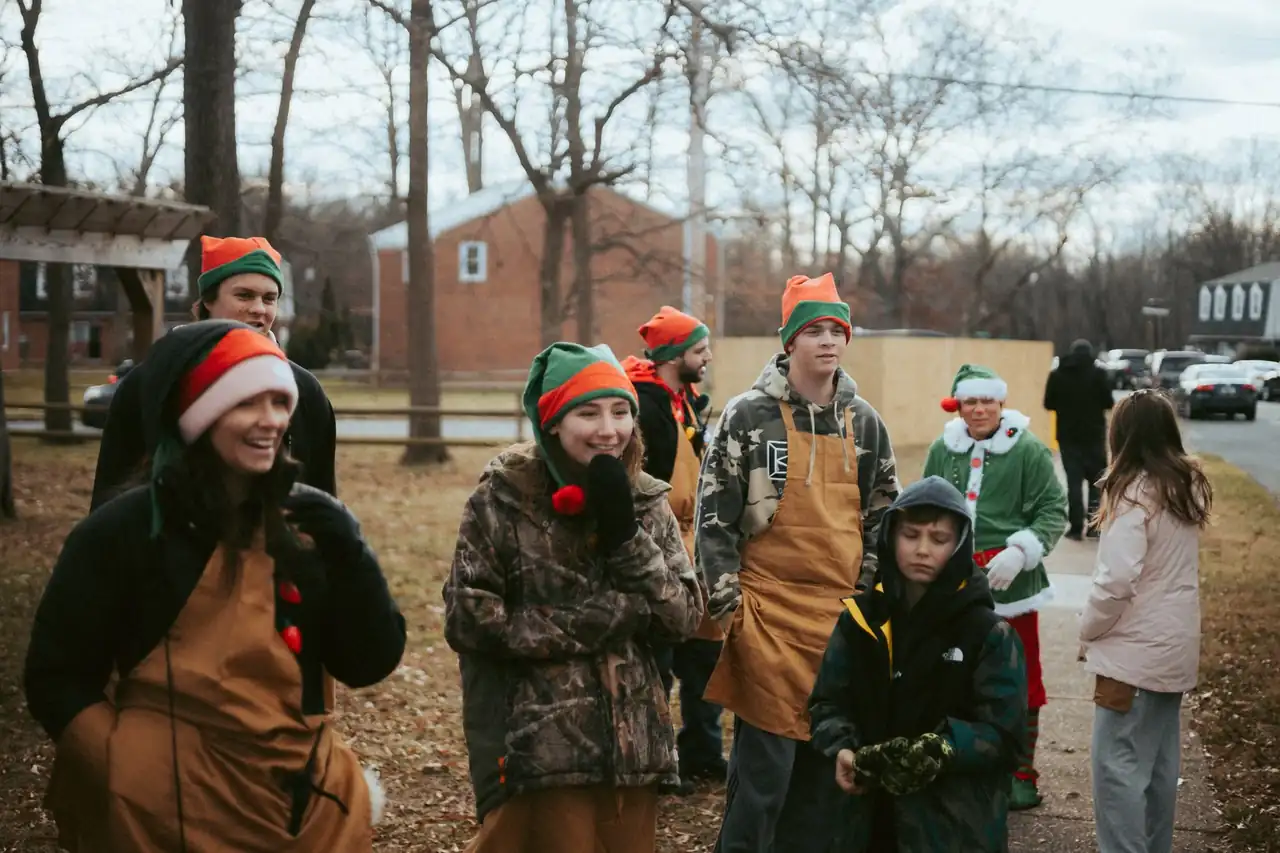
Salas de los Infantes bids farewell to 2025 with one of its most recognizable events on Burgos’ popular calendar: a San Silvestre with a distinctly local character, open to runners of all ages and built on that balance so typical of these races between sport, community, and celebration. The 25th edition arrives with an element that reinforces its identity: the charitable gesture of donating one kilo of non-perishable food when collecting the bib number.
The race is set for Tuesday, December 30 at 7:00 p.m., with an urban course and men’s and women’s categories. It is organized by the Salas de los Infantes Town Council and the Burgos Provincial Institute for Sport and Youth, and it keeps the format of an event designed both for competing and for taking part in a relaxed atmosphere, with costumes, Christmas spirit, and a year-end feel very close to the street.
A race that blends calendar, town, and year-end farewell
In Salas de los Infantes, the race is not just a sporting event; it also serves as a small portrait of the town on the eve of the new year. The urban circuit brings participants, companions, and onlookers together in a single scene, with the center turned for a few hours into a showcase of movement, friendly noise, and winter colors. The local San Silvestre preserves that logic of popular events in which the finish line matters, but not everything revolves around it.
The appeal of this edition comes not only from its anniversary. Reaching the twenty-fifth edition gives continuity to a race that is already part of the town’s sporting landscape and that is also integrated into the network of San Silvestres in the Burgos provincial circuit. That belonging adds context: it is not an isolated event, but a cog in the late-December machinery that runs across the province and turns the days before New Year’s Eve into a succession of bib numbers, running shoes, and streets closed to popular athletics.
The chosen time, 7:00 p.m., reinforces that winter-start atmosphere. Darkness will already have fallen, the cold will be the kind found in the Sierra de la Demanda in the middle of December, and the overall feeling will be more like a community gathering than a major mass event. That is where much of its value lies: a short, accessible, and close race, where runners come not only to test themselves against the clock, but to share a tradition that returns every year with the same ritual.
Charitable entry and bib number with food donation
The detail that most sets this edition apart is the requirement to hand over one kilo of non-perishable food when collecting the bib number. The donation will be given to Cáritas through the parish food bank of Salas de los Infantes. This is not a decorative add-on or a side campaign: the charitable aspect is part of the very access to the race and gives it a clear social meaning, visible from the first moment the runner goes to collect the bib.
That format fits a widespread trend in many year-end popular races, where the proximity of Christmas encourages linking sporting effort with a concrete contribution to the local community. The gesture is simple, but powerful: every bib number is tied to immediate material help, and the town turns a festive activity into something useful for the local care network. In races of this kind, commitment is measured not only by the number of entrants, but also by the collective response to a concrete need.
The organization has specified that registration is completed exclusively online and that the deadline ends at 11:59 p.m. on Sunday, December 28. The single channel avoids confusion, centralizes the process, and sets a clear closing time for those who want to take part. In this kind of street race, where the number of entrants can grow quickly in the final days, time management is part of the race calendar itself.
Urban course, festive atmosphere, and runners in costume
The San Silvestre in Salas de los Infantes takes place on an urban circuit, a choice that favors both safety and public visibility. The town’s asphalt becomes a temporary track, and that changes the relationship between runner and space: familiar corners, straight stretches, and the closeness of the sidewalks provide a domestic reading of the competition, more familiar than intimidating. For many people, that is the appeal of this kind of event: running without leaving the everyday map.
The organizers also preserve one of the classic hallmarks of popular San Silvestres: the invitation to run in costume. This is not a folkloric whim, but a way of emphasizing the playful tone of the day. There are races where aesthetics are completely subordinated to performance, and others, like this one, where the costume functions almost like a second bib number, a statement of intent. The result is usually a very recognizable mix of humor, color, and measured competition, where those chasing a strong finish and those simply wanting to be part of the atmosphere coexist.
This balance between performance and celebration explains why San Silvestres have such strong roots in medium-sized and small towns. The race does not disrupt the town’s rhythm; it becomes part of it. The runner passes, the neighbor watches, children wait, costumes pave the way for applause, and the cold is softened by movement. The sporting celebration is not separate from local life: it is an extension of it, another scene in the final days of December.
Timetable, rules, and what is worth keeping in mind
The available information places the general start at 7:00 p.m., although full details about category times and the rules can be found on the official registration website itself. That distinction matters because, in events with different categories, the starting order, admitted ages, and possible children’s or adapted sections change from one edition to another. The organizers thus make it clear where the rules are and who should review them before showing up at the starting line.
The rules are not bureaucratic decoration in popular races. They define the practical operation of the event, from bib collection to classification or award criteria. In a San Silvestre with open participation and men’s and women’s categories, that clarity helps avoid misunderstandings and protects the essence of the event, which depends as much on broad participation as on simple, predictable logistics. The smoother the management, the better the experience flows for both runners and organizers.
It is also important to keep in mind that the timing of the race is heavily shaped by the date. December 30 is a day of Christmas activity, with travel, family meals, and schedules somewhat tighter than usual. Arriving with time to spare, collecting the bib without rushing, and checking your gear the day before reduce silly mistakes, the kind that tend to appear when the clock is ticking and the cold makes the atmosphere harsher. In a short race, the small details matter more than they seem.
Prizes, gifts, and the value of competing in plural
All participants will receive a commemorative gift, a formula that gives the event a sense of belonging beyond the result. In this kind of race, the physical keepsake does not replace the competition, but it does complete it. The runner leaves not only with a placing or a time; they also take home an object that reminds them they were part of a specific afternoon, in a specific town, and in a specific edition.
The sporting reward is also present. The top three finishers in each category will receive a medal and an additional prize, thanks to the support of local sponsors. The prize distribution maintains the usual tone of grassroots popular races: clear recognition for the best and a broad participation philosophy, in which the spotlight is not concentrated entirely on the elite. It is a way of preserving the spirit of a big neighborhood, where competitiveness coexists with collective applause.
This combination of gift, medal, and solidarity explains why the race works beyond pure ranking. The end of the year in popular running is not always played out on major avenues or with thousands of runners; often it is written in towns like Salas de los Infantes, where a short race can have a notable social and emotional impact. The symbolic value of the San Silvestre often goes beyond its purely athletic dimension.
How Salas de los Infantes fits into the provincial December map
The Salas de los Infantes event cannot be read in isolation. It is part of a much broader program in the province of Burgos, where the end of December brings together more than twenty popular races. That density turns the final stretch of the year into a kind of athletic mosaic, with events spread across different regions and towns. The San Silvestres act as a common thread between municipalities, each with its own character, circuit, and way of understanding sporting celebration.
In that map, Salas occupies a position of balance. It does not have the scale of the big cities or the media urgency of mass events, but it does have the strength of events that are rooted in their immediate surroundings. The race’s continuity, its twenty-fifth edition, and institutional support place it as a solid regional reference. Tradition is not improvised; it is sustained year after year through small repeated gestures, and this race seems to have found that formula.
In addition, being part of the provincial circuit helps explain why December has become its own season for Burgos popular running. It is not just one race, but a constellation of them, with towns supporting one another within a shared calendar. That coordination gives visibility to medium-sized towns, encourages short trips, and multiplies sporting resonance in a province where popular athletics has a deeply rooted social base.
An winter afternoon that carries several layers of meaning
The 2025 San Silvestre in Salas de los Infantes brings together several layers at once: sport, solidarity, tradition, and local belonging. Its value lies not in a huge participation figure or a spectacular route, but in something more enduring: the ability to turn a December Tuesday into a shared custom. The runner sets out to compete, but also to close the year in the company of neighbors, volunteers, and familiar faces that fill every meter of the circuit with human background.
At a time when many events seek to grow through sheer scale, this race retains a different appeal. Closeness works as its own language. The kilo of food at bib collection, the costume, the final gift, and the medal for the best all sketch a complete scene, without excess or artifice. Salas de los Infantes bids farewell to 2025 with a race that speaks the language of small towns: simple, clear, and full of sporting memory.
That is why the event goes beyond the category of a Christmas race. It becomes a small act of collective identity, a way for the calendar to end with running shoes, cold air, and generosity. In the final stretch of December, when many agendas dissolve into dinners and commitments, a San Silvestre like this keeps what matters most alive: going out into the street, sharing a route, and letting the year close in motion.



How to prevent thigh chafing: causes and real solutions

Women’s running windbreakers: seven jackets and how to choose

Do more workouts get rid of soreness? A guide for runners

Jaén Half Marathon 2026: Record 3,800 Runners Registered

Men’s short running tights: how to choose the right pair

World Triathlon confirms data breach involving medical data

Izan Edo targets podium at Miyazaki World Cup

María Pérez ranks ninth in World Athletics’ 2026 top ten

Dos Santos, Duplantis and Sawe: World Athlete of the Year finalists

San Silvestre Vallecana 2026: 42,000 places, prices and start times

 Races4 months ago
Valencia Half Marathon 2027: date and registration

 Races4 months ago
Valencia Marathon 2026: entry, ballot and course

 Reviews and Comparisons4 months ago
Asics Gel-Roadmiles 3 for men: review and current price

 Reviews and Comparisons4 months ago
Asics Gel Sonoma 8 Gore-Tex: complete analysis for trail and rain

 Sneakers3 months ago
Saucony Endorphin Pro 4: full review and verdict

 News5 months ago
Strava API 2026: what changes for clubs, challenges and runner apps?

 Reviews and Comparisons5 months ago
Nike Alphafly 3: opinions, sensations, and real key points

 Reviews and Comparisons4 months ago
Under Armour running shoes review 2025-2026: models and key features

 Sports Equipment4 months ago
Shoe sizes in cm: a clear guide to getting the right fit for your footwear

 Sneakers3 months ago
Skechers GO RUN Consistent 2.0 analysis: comfort and limits

 News5 months ago
Valencia Marathon 2026 route: key tips to train and run better

 Sneakers4 months ago
Adidas Adizero Boston 13 for men: review and verdict