Races
SanSil Trail Calles 2026: date and start
Calles’ year-end trail race has a date, while the route, schedule and entry conditions still need to be announced.

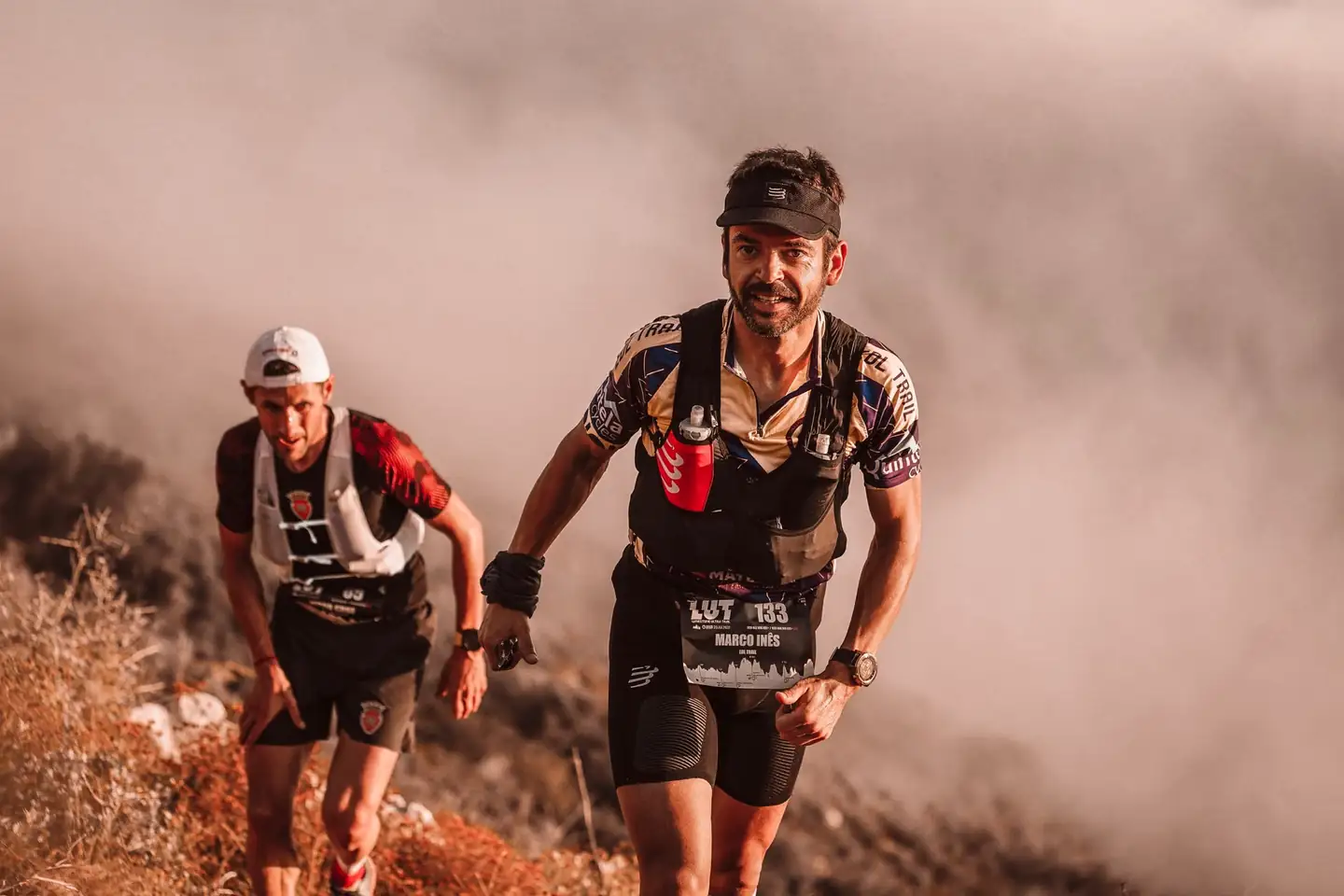
Imagen: RUN 4 FFWPU / Pexels
The SanSil Trail in Calles is scheduled for Sunday, Dec. 20, 2026, in the Valencian municipality of Calles. Available information identifies it as a mountain race and places the start on Avenida de Valencia, with the finish in Plaza Mayor. Those are the key confirmed details for runners beginning to plan their year-end race calendar.
For now, no start time, official distances, course, categories or entry fee have been published. There are also not enough details to describe the elevation gain or terrain. The distinction between an announced date and a complete set of race regulations matters: the event has a date, but several practical details still need confirmation from the organizers.
A mountain race with a confirmed date
The race is scheduled for the last Sunday before Christmas, placing it in a particularly busy stretch of the local running calendar. Urban races, festive events and off-road competitions take place during those weeks; in Calles, the event is presented as a trail or mountain race. The announced edition is described as the 11th, although the date is the detail reported most consistently in the information available.
The host municipality is Calles, in Valencia province. The start is located on Avenida de Valencia and the finish at Plaza Mayor. These references help locate the endpoints, but they do not make it possible to reconstruct the course. The route could be a loop, an out-and-back or another design; without an official map, it would be unwise to assume which layout will be used.
The date provides a basis for planning the weekend, but it is no substitute for technical information. Before booking travel or choosing a suitable race category, runners should check that the announced date remains in place and wait for the full event details. The scheduled date of Dec. 20, 2026, does not by itself reveal the start time or race duration.
Start on Avenida de Valencia and finish at Plaza Mayor
Available information places the start on Avenida de Valencia and the finish at Plaza Mayor. This is useful for understanding where the main activity may take place, although essential details for runners and spectators have not been provided: the exact starting point, bib pickup location, pedestrian access and possible traffic restrictions on nearby streets remain unclear.
The difference between the start and finish locations also deserves attention. If the two points are confirmed as separate, runners will need to check how access to the start and the return from the finish are organized, particularly if they arrive by car or travel with others. Plaza Mayor is listed as the finish, not as a confirmed start address; treating both locations as the same could cause confusion on race day.
The available location details do not include parking instructions or official transport recommendations. The most reliable approach will be to check the event logistics once they are published, rather than relying only on a general address for the town. For races with separate starts and finishes, knowing the distance between them and the permitted access routes can affect planning, but those details are not yet available for this edition.
Course, distance and elevation still to be announced
Describing the event as a trail or mountain race indicates its general character, but does not show how far runners will travel or how demanding the course will be. No official distance has been provided to classify the event as a 5K, 10K, half marathon or another format. There is also no elevation profile, cumulative climb or verifiable description of the paths used.
In a mountain race, those details are more than numbers for comparing times. Distance and elevation help estimate effort; surface and terrain affect footwear, pace and whether specific equipment is needed. A short route with steep climbs can be more demanding than a longer, flatter course. Without an official map and elevation profile, any assessment of the race’s difficulty would be speculative.
The regulations should also clarify whether the route will be marked, what checkpoints will be in place and whether there are cutoff times. These details are common in mountain races, but cannot be attributed to this event until they are published. For runners deciding whether to take part, the sensible order is to wait for the distance, elevation and technical conditions rather than making a decision based only on the broad trail label.
Registration, fees and categories: details not yet available
The available information does not specify the entry fee, registration period, number of bibs or planned categories. It also does not confirm whether there will be separate adult formats or children’s races. Although some event listings mention possible children’s participation, the detail is not sufficiently supported to establish its format, distances or conditions.
The event information names Calles Town Council and Peña Runner Calles in connection with the race, while Cronorunner is identified as a channel associated with registration. The presence of an email address or timing platform does not, by itself, establish that registration is open or define the final process. The fee and registration link should be confirmed through the organizers’ channels when announced.
Until the regulations are published, it is also impossible to compare the cost with other races or determine what the entry includes. Bibs, insurance, refreshments and finish-line services can vary from event to event and from one edition to another. Attributing them to this race without an explicit announcement would create an unjustified expectation. The date can be noted for now; payments and category choices should wait for specific information.
What the race regulations should clarify
Complete regulations turn a date into useful event information. In addition to the start time and distance, they should explain categories, registration procedures, participation rules and bib pickup arrangements. For a mountain race, it is also important to know what equipment is mandatory, how assistance is provided and what protocol applies if weather or course conditions cause problems.
The available information does not confirm whether there will be refreshment stations, toilets, a bag drop, medical services or live timing. These are common features at many races, but their presence and scope depend on each organizer. What is common in the sport should not be confused with what has been announced for this edition: until an official update appears, these details remain pending.
The organizers should also clarify cancellation or change policies and how entry fees would be handled if the event changes. Outdoor races can depend on permits, safety and trail conditions. That does not mean the event is at risk; it means the regulations are the document that explains how such circumstances are managed and what rights participants have.
Calles in the December race calendar
The date places the race in a period when many events take on a festive feel, although no details have been published that would support describing side activities or a special program in Calles. The name SanSil is often associated with year-end running, but the name alone does not confirm costumes, music, a popular-distance race or any particular celebration. The mountain format is the sporting feature identified; the rest of the program remains to be confirmed.
Other trail races in Valencia province and nearby areas appear on the November and December calendar. That provides context for runners organizing a season, but it does not mean the races share organizers, rules or course profiles. Every route has its own demands, and comparing events only by their label or time of year can obscure important differences in terrain and elevation.
For runners preparing for several events, Dec. 20 can serve as a date on the calendar, not as enough information to structure training loads. Without a distance or elevation profile, it is impossible to know whether the race will suit a recreational outing or a more demanding athletic goal. The practical approach is simple: leave room in the calendar and review the technical details when they become available, rather than assigning the race a difficulty that is not yet known.
Planning travel without assuming details
Calles is the host municipality, but published information does not detail the event’s transport plan. Visitors from elsewhere will need to confirm where parking will be available, whether traffic restrictions are planned and how much time to allow before the start. These details matter particularly when the start and finish lines are at separate locations, as the available references indicate for Avenida de Valencia and Plaza Mayor.
Before a winter race, it is also sensible to check the weather forecast, although there is little value in predicting temperatures or conditions this far ahead. The actual weather in December can only be assessed closer to the event. Rain or cold can affect clothing choices and trail conditions in a mountain race, but there is no event-specific forecast that can establish what Dec. 20 will be like.
Once the logistics are published, runners should distinguish between the event’s general location and the specific points each participant needs: start, finish, bib pickup and parking. It will also be useful to check whether public transport is compatible with the official schedule. Until then, the two location references offer some orientation, but they do not replace an access plan confirmed by the organizers.
A clear date, with an event listing still to be completed
The edition scheduled for Dec. 20, 2026, has a host municipality and references for its start and finish. That information is enough to identify the event and pencil it into the calendar. It is not enough to understand the sporting challenge, estimate the time required or assess participation conditions. Distinguishing between confirmed information and outstanding details helps prevent facts from turning into assumptions.
The next useful update should provide the start time, distances, map and regulations, along with entry fees and registration status. Until then, it is not possible to say how many kilometres the course covers, how much elevation it includes or whether children’s races will be held. The event has a date, but the information needed to register and prepare remains incomplete.
For runners, the Calles event is therefore still taking shape in the year-end calendar. Dec. 20 and its mountain-race format provide an initial outline; the route and conditions will determine its actual character. Keeping that distinction in mind supports sensible planning and prevents a brief event listing from seeming more precise than it is.



How to prevent thigh chafing: causes and real solutions

Women’s running windbreakers: seven jackets and how to choose

Do more workouts get rid of soreness? A guide for runners

Jaén Half Marathon 2026: Record 3,800 Runners Registered

Men’s short running tights: how to choose the right pair

World Triathlon confirms data breach involving medical data

Izan Edo targets podium at Miyazaki World Cup

María Pérez ranks ninth in World Athletics’ 2026 top ten

Dos Santos, Duplantis and Sawe: World Athlete of the Year finalists

San Silvestre Vallecana 2026: 42,000 places, prices and start times

 Races3 months ago
Valencia Half Marathon 2027: date and registration

 Races3 months ago
Valencia Marathon 2026: entry, ballot and course

 Reviews and Comparisons4 months ago
Asics Gel-Roadmiles 3 for men: review and current price

 Reviews and Comparisons4 months ago
Asics Gel Sonoma 8 Gore-Tex: complete analysis for trail and rain

 Sneakers3 months ago
Saucony Endorphin Pro 4: full review and verdict

 News5 months ago
Strava API 2026: what changes for clubs, challenges and runner apps?

 Reviews and Comparisons5 months ago
Nike Alphafly 3: opinions, sensations, and real key points

 Reviews and Comparisons4 months ago
Under Armour running shoes review 2025-2026: models and key features

 Sports Equipment4 months ago
Shoe sizes in cm: a clear guide to getting the right fit for your footwear

 Sneakers3 months ago
Skechers GO RUN Consistent 2.0 analysis: comfort and limits

 News5 months ago
Valencia Marathon 2026 route: key tips to train and run better

 Sneakers4 months ago
Adidas Adizero Boston 13 for men: review and verdict