Races
Trail Comaminyana 2027: date, distances and confirmed details
Barruera will welcome mountain runners again in May 2027, although the full schedule has not yet been announced.

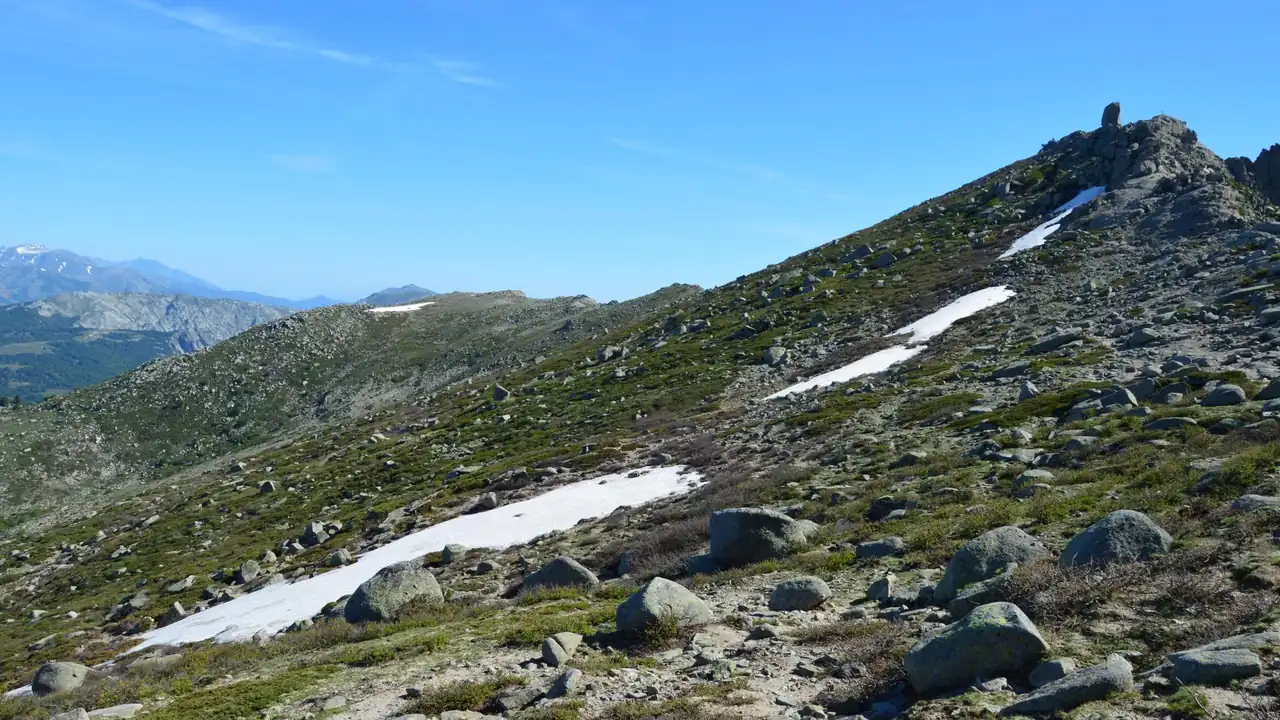
The next edition of the Comaminyana Trail will take place on May 23, 2027, in Barruera, in the Vall de Boí area. The date is confirmed, but start times, entry fees and registration conditions for this edition have not yet been published. Available information points to a mountain race with several distances and a demanding main course.
The event combines the appeal of Pyrenean trails with a format that, according to information from previous editions, includes a 21-kilometre long race and shorter options. The 2026 schedule should not be treated as final: its times and distances are historical references, not a confirmed 2027 programme. The organisers still need to confirm the practical details runners will need to plan their trip and choose a course.
A mountain race in Barruera
Barruera is part of the municipality of Vall de Boí, in the Pyrenees of Lleida, and offers a very different setting from an urban race. Instead of continuous asphalt and a steady pace, mountain terrain calls for adapting to trails, slopes and changing surfaces. The event is described as an alpine-style trail race, where managing effort can matter as much as speed.
The race description says the long course is technical and demanding, while the 13-kilometre option is intended for runners with less high-mountain experience but good fitness. That distinction does not make the shorter distance an easy outing: in the mountains, gradients, uneven ground and the time spent exerting yourself can make even a few kilometres intense. Distance alone does not determine difficulty.
The 2027 edition falls late in spring. At that time of year, weather can change quickly in the Pyrenees, and trail conditions will depend on the days leading up to the race. The calendar provides a definite date, but there is still no confirmed start time, exact meeting point or list of services for participants and supporters. Those details will need to appear in the edition’s programme.
What is known about the distances and routes
The most detailed information about the main course describes a race of 21 kilometres with about 1,450 metres of positive elevation gain. That figure comes from information published for the 21-kilometre event and helps explain why the course is considered demanding. It should not be mistaken for an officially confirmed 2027 figure: the organisers may adjust the route or elevation for logistical, environmental or safety reasons.
The 2026 programme listed the 21-kilometre Comaminyana SkyRace and the 13-kilometre Comaminyana Trail, as well as races of 7, 3, 2 and 1 kilometre. The range brought together runners with different experience levels and ages. For now, there is no 2027 programme confirming that every category will return or retain its name, route and schedule. The previous format offers guidance, but it is no substitute for the new rules.
The 21-kilometre course appears to be the most complete challenge for those seeking a sustained effort on mountain terrain. The combination of elevation gain and technical sections can change how a mid-distance race feels: average pace matters less than moving safely, saving energy and knowing when to hike uphill. On a narrow or rocky trail, running faster does not always mean making better progress.
The 13-kilometre course, described as an alpine and demanding version, may suit runners who do not yet have enough experience for the long distance. Even so, calling it a short course should not lead anyone to underestimate the preparation required. Before choosing, it is more useful to know the elevation profile, estimated duration, equipment requirements and cut-off times than to compare kilometres alone. None of those details is available for 2027 yet.
The 7-, 3-, 2- and 1-kilometre races were part of the 2026 programme, with separate starts during the morning and around midday. Their presence gave the event a broader scope than the main competition. The 2027 edition still needs to confirm which races will return, who they are intended for and whether their routes will change. Until then, they should be regarded as events from previous years, not guaranteed entry options.
An alpine course changes the way you run
In a mountain race, elevation gain can turn a seemingly manageable distance into several hours of effort. Climbs increase muscular and cardiovascular strain; descents are no simple rest, as they demand control, stability and attention to every footfall. If the course alternates between rock, dirt and narrow trail, runners must adjust their stride repeatedly. Technique and caution are part of performance.
The technical nature attributed to the main event also affects footwear and equipment choices. Grip, foot protection and comfort on long descents may matter more than a shoe’s minimum weight. However, specific needs depend on the final course, weather and the organiser’s instructions. Without published rules, it is not possible to say what equipment will be compulsory or predict where aid stations will be located.
Elevation and changing Pyrenean conditions add another layer of uncertainty. A cool morning, a brief spell of rain or an exposed stretch in the wind can change how the temperature feels and how the ground behaves. The forecast will become useful closer to race day, but it cannot replace official safety guidance. In an alpine event, knowing your limits and following the marked route matter as much as arriving with suitable fitness.
For newcomers to this type of terrain, the general profile is a clue, not an individual assessment. Having run 13 kilometres on asphalt does not guarantee that the same distance will feel easy in the mountains; gradients and surfaces change the cost of every step. Sensible preparation often includes trail outings, gradual elevation work and downhill practice, along with enough recovery. Adapting to the terrain should come before chasing a race entry.
Confirmed date, with further details still to come
The firm calendar detail is that the event will take place on May 23, 2027, in Barruera. By contrast, no start time has been confirmed for any distance, nor have the exact start and finish locations or entry fees. No official race website address was included in the reference information either. The absence of those details does not mean registration is open or closed; its status simply has not been confirmed.
The 2026 programme included activities over several days, with race-bib collection, mountain races, a vertical event called Caraamon and additional activities, including a pump track session for children. That schedule helps show that the event has involved more than a single race, but it should not automatically be carried over to 2027. Neither the side events nor their schedules are confirmed for the new edition.
The rules, cut-off times, age categories, timing system and policies for transfers or cancellations also remain unknown. These details affect preparation and logistics in mountain races: they set out what is expected of participants and how an incident on the course will be handled. Until the official conditions are published, entry fees, capacity limits, medical requirements and refund policies from other races cannot be assumed to apply.
When registration opens, the practical details worth checking include the updated elevation profile, official elevation gain, start and finish locations, race-bib collection and mandatory equipment. It will also be useful to find out whether the route includes exposed sections or checkpoints with time limits. For this kind of event, those details are not minor print: they shape the race experience and determine whether a course matches a runner’s preparation.
A spring race in the Pyrenees calls for sound judgement
The May date places the event in an attractive season for mountain running, but spring scenery does not guarantee easy conditions. Depending on altitude and the weather that week, lingering snow, mud or sudden temperature changes are possible. The race calls for attention to the surroundings, not just the clock. The mountains set their own terms, even when the calendar suggests mild conditions.
Barruera and Vall de Boí provide a high-mountain setting that gives the event its identity and explains its focus on technical trail running. For supporters, the village may serve as a base for following the day, although spectator points and areas for the 2027 edition have not yet been confirmed. Accommodation and travel plans will also depend on the programme and the final location of event services.
The 2027 edition already has one essential detail: its date. The rest remains open, from confirmed distances to entry costs and start times. Previous editions suggest an alpine race with several options, but registration decisions should be based on current information, not memories of an earlier event. Once the rules are published, the date can become a concrete plan: runners will then be able to assess the route, difficulty and logistics accurately.
Where to stay in Barruera
Hotels available 21–24 May 2027.
Affiliate links: if you book through this map we earn a commission, at no extra cost to you.



How to prevent thigh chafing: causes and real solutions

Women’s running windbreakers: seven jackets and how to choose

Do more workouts get rid of soreness? A guide for runners

Jaén Half Marathon 2026: Record 3,800 Runners Registered

Men’s short running tights: how to choose the right pair

World Triathlon confirms data breach involving medical data

Izan Edo targets podium at Miyazaki World Cup

María Pérez ranks ninth in World Athletics’ 2026 top ten

Dos Santos, Duplantis and Sawe: World Athlete of the Year finalists

San Silvestre Vallecana 2026: 42,000 places, prices and start times

 Races4 months ago
Valencia Half Marathon 2027: date and registration

 Races4 months ago
Valencia Marathon 2026: entry, ballot and course

 Reviews and Comparisons4 months ago
Asics Gel-Roadmiles 3 for men: review and current price

 Reviews and Comparisons4 months ago
Asics Gel Sonoma 8 Gore-Tex: complete analysis for trail and rain

 Sneakers3 months ago
Saucony Endorphin Pro 4: full review and verdict

 News5 months ago
Strava API 2026: what changes for clubs, challenges and runner apps?

 Reviews and Comparisons5 months ago
Nike Alphafly 3: opinions, sensations, and real key points

 Reviews and Comparisons4 months ago
Under Armour running shoes review 2025-2026: models and key features

 Sports Equipment4 months ago
Shoe sizes in cm: a clear guide to getting the right fit for your footwear

 Sneakers3 months ago
Skechers GO RUN Consistent 2.0 analysis: comfort and limits

 News5 months ago
Valencia Marathon 2026 route: key tips to train and run better

 Sneakers4 months ago
Adidas Adizero Boston 13 for men: review and verdict