Races
Trail Running Festival Cartagena 2026: date and distances
Two days on Cartagena’s trails bring together races, hiking and children’s events across several distances.

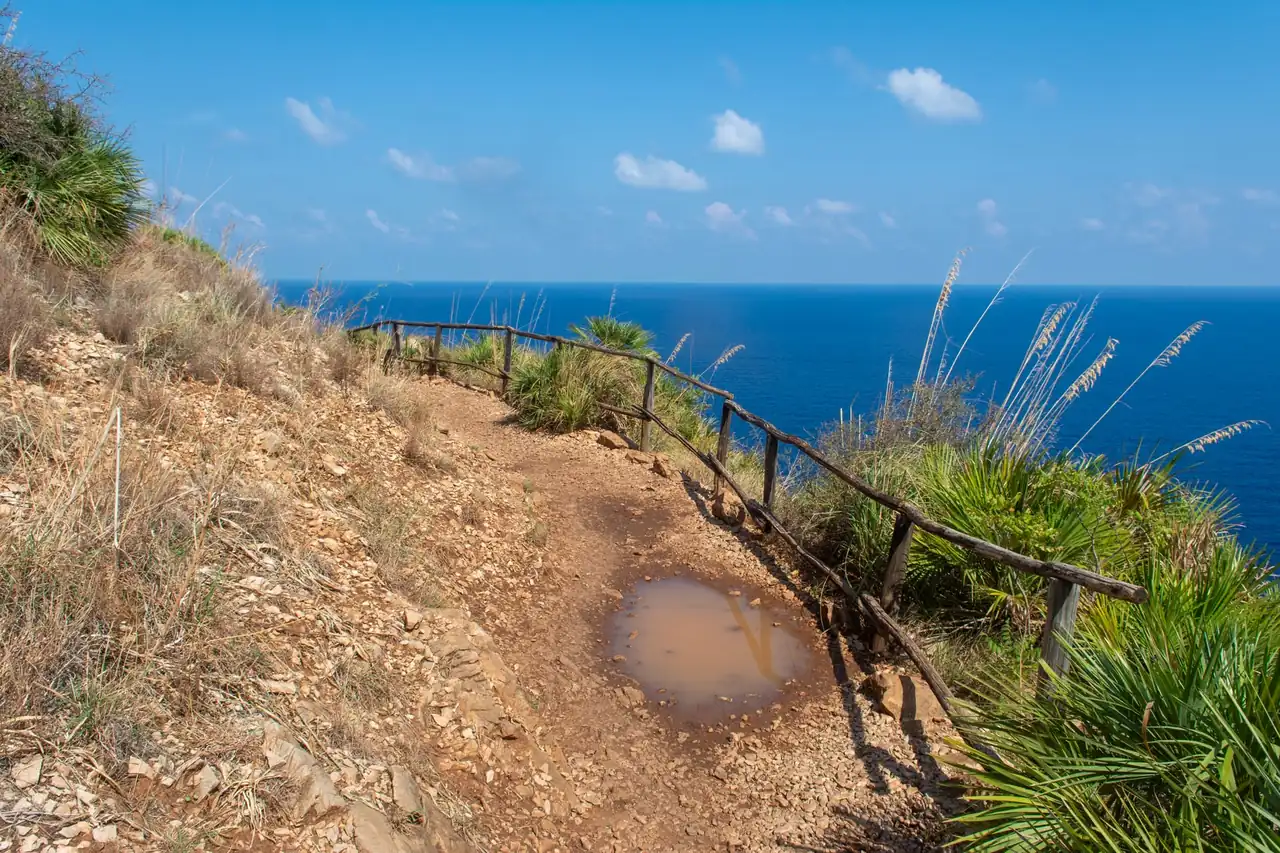
Imagen: Jan van der Wolf / Pexels
The Cartagena Costa Cálida trail festival will bring together mountain races, hiking and children’s events on Saturday, November 7, and Sunday, November 8, 2026, at El Portús and Galifa. The programme combines a 10-kilometre event on Saturday with the 16-kilometre Sendero del Agua Trail the following day, alongside youth races and a non-competitive walking option.
The event, organised by Club Deportivo Manzanicos together with Asociación Deportiva Imagina Deporte, also offers challenges for participants taking part on both days. Published entry fees range from €6 to €45, depending on distance and format. The reference schedule sets the entry deadline at 8 p.m. on Wednesday, November 4, with activities running from 9 a.m. Saturday until 2 p.m. Sunday.
Two days between El Portús and Galifa
The event divides its races between two locations in the municipality of Cartagena. Saturday’s sporting activity is centred on El Portús, with the Cross Trail Taiga Costa Cálida and its related events. On Sunday, Galifa takes over with the Sendero del Agua Trail, a longer and more demanding race. The split between venues makes the festival a full weekend experience, but participants should check the precise start location for each entry.
The event listing names Camping Taiga Costa Cálida and Galifa’s sports centre among the spaces associated with the festival, giving the latter’s address as Camino de los Gómez, Galifa. However, the race information distinguishes Saturday’s start in El Portús from Sunday’s in Galifa. Participants should therefore check the schedule for their chosen event rather than assume that a general address is the meeting point for every race.
The setting is part of the sporting appeal: the routes weave through the natural landscape around Cartagena, where open paths meet uneven terrain. In a mountain race, the location is more than a backdrop; it affects pace, footwear choices and how runners manage their effort. The available information does not provide full route maps for the 2026 edition, so the published distances are the safest reference for comparing the events.
Saturday puts the Cross Trail Taiga in the spotlight
The November 7 programme begins at 9 a.m. with the 10K Trail Taiga Costa Cálida, listed in El Portús. A 10-kilometre hiking option and a 10-kilometre youth race are scheduled at the same time. The programme also includes a 7-kilometre youth race. The morning combines competition with recreational participation, offering different distances to suit participants’ ages and experience.
Children’s races take place later, with staggered starts from 11:30 a.m. The published schedule assigns 250 metres to the youngest children, 500 metres to the under-8 and under-10 categories, 1,000 metres to under-12s and 1,500 metres to under-14s. These short distances let younger participants experience a race without facing a long course. The youth events broaden the festival beyond the main races.
For the 2026 programme, the 10K is listed as Saturday’s main trail distance, while reports about an earlier edition described a route of around 9.5 kilometres. The difference may reflect changes between editions or how the route was rounded. For this edition, the distance listed in the event schedule is the most useful reference: 10 kilometres for the adult trail event, with separate youth races and children’s events.
The Sendero del Agua Trail takes place on Sunday
On November 8, Galifa hosts the 16K Sendero del Agua Trail, scheduled to start at 9 a.m. It is the longest individual race of the weekend and, based on the published distances, the programme’s most demanding challenge. The day also includes a 9-kilometre hiking event, starting at 9:30 a.m. The race and the hike share the setting but offer different experiences: a competitive trail event and a non-competitive alternative.
The reference information identifies Galifa’s sports centre as a location associated with the start and finish of the Sendero del Agua Trail, and gives its address as Camino de los Gómez. Participants should still check the final instructions linked to their race number and the organisers, since the logistical meeting point may not be the same as the location of every service or festival activity. Confirming the precise venue can prevent unnecessary travel, particularly for those entering events other than the main race.
Earlier editions were described as covering 16 kilometres with around 800 metres of positive elevation gain. That detail provides context about the mountain character of the event, but it comes from previous editions and should not be treated as a confirmed 2026 course profile unless the current race rules say so. On uneven ground, distance alone also fails to show the full difficulty: elevation, surface and the distribution of climbs can change the effort considerably.
Weekend challenges and walking alternatives
Participants who want to take part on both days can enter the Desafío Trail Weekend Experience, which combines Saturday’s 10K in El Portús with Sunday’s 16K in Galifa. The published combined distance is 26 kilometres, and prices start at €45. This is not one continuous race but two events held on consecutive days at separate venues, so runners need to consider both the total effort and recovery time between stages.
There is also a Desafío Senderismo Weekend Experience, consisting of Saturday’s 10 kilometres and Sunday’s 9 kilometres, for a combined 19 kilometres and a starting price of €42. It follows the two-day format but replaces racing with walking routes. Comparing the options involves more than adding up kilometres: pace, participation goals and time spent on the terrain all differ. The hiking format lets participants visit both settings without competing.
Published prices are starting rates: €22 for Saturday’s adult trail race and 10-kilometre hike; €27 for Sunday’s 16-kilometre trail and €24 for its 9-kilometre hiking event. Youth races start at €16, while children’s events are listed from €6. The final cost depends on the chosen event, so the price of one race should not be confused with that of a combined challenge.
Schedules, registration and details to check
The reference calendar places the general start of the festival at 9 a.m. on Saturday, November 7, and the end of activities at 2 p.m. on Sunday, November 8. In the sporting programme, several Saturday events start at 9 a.m., followed by children’s races from 11:30 a.m. On Sunday, the 16-kilometre trail begins at 9 a.m. and the 9-kilometre hike at 9:30 a.m. These times help with weekend planning, but each entry must be matched to its own start.
The listed registration deadline is 8 p.m. on Wednesday, November 4. That leaves only three days before the first event to resolve questions about travel, venues or race formats. The information provided does not give full details about race-number collection, aid stations, cut-off times or change policies. Those details should be checked in the current race rules, rather than inferred from information about previous editions.
It is also important to distinguish confirmed figures from details taken from past events. The 16-kilometre Sendero del Agua Trail and Saturday’s 10-kilometre race appear in the 2026 reference programme; specific elevation figures published for earlier editions do not automatically apply. The same caution applies to services, prizes and side events. The current rules are the decisive document when a general listing and an older description do not match.
What kind of terrain to expect from a trail race
The festival is presented as a trail-running and hiking event in a natural setting, but the available 2026 information does not include detailed route maps or full elevation profiles. For the El Portús Cross Trail, reports about an earlier edition described a route with moderate technical difficulty. That can offer context, but it does not replace the current rules: a trail’s difficulty can change with the surface, weather and final route design.
Preparation for a mountain race is not measured in kilometres alone. A prolonged climb can raise the heart rate even when the pace seems slow; a technical descent, meanwhile, puts strain on the quadriceps and demands careful foot placement. The route may also alternate between tracks, paths and trails. Reading the profile and understanding the terrain helps set realistic expectations, although the event information does not allow participants to anticipate every section.
In a 16-kilometre race, saving energy for the second half is usually more sensible than chasing the same pace as on flat tarmac. Hikers should also consider duration and terrain, not just distance. Suitable grippy footwear, hydration adjusted to conditions and a controlled start are general outdoor-safety principles, not guarantees against every difficulty. Good judgement starts with adapting effort to the actual route.
A festival with room for young runners and families
Children’s and youth categories give the event a family dimension. Saturday includes routes from 250 to 1,500 metres for younger age groups, as well as 7- and 10-kilometre races for young runners. This creates a clear distinction between introductory events and longer formats. Short distances let children take part without facing the demands of an adult race, although registration must match the category specified by the organisers.
The mix of age groups also changes the pace of the festival. The main events bring together those looking to compete or complete a personal challenge, while children’s races often focus on the shared experience of taking part and wearing a race number for the first time. Family members do not have to choose the same format: the programme offers different events on Saturday morning. The range means the day does not revolve around one distance alone.
Published children’s entry fees start at €6, while youth events start at €16. These are reference prices and do not guarantee that every category includes the same services as adult races. The available listing does not specify every detail about equipment, supervision or prize-giving for each age group. Age limits and participation conditions should be checked in the official entry information, especially for the junior events.
Organisers and sporting context
Club Deportivo Manzanicos and Asociación Deportiva Imagina Deporte are listed as organisers. The programme links some races to the athletics federation of the Region of Murcia, including the Trail Tour FAMU and youth promotional categories. This connection places the event within the regional trail calendar, although rankings and points depend on the conditions published for each competition and category.
Combining a race in El Portús, another in Galifa, children’s events and hiking formats requires coordination across locations and schedules. For participants, that means more than choosing a distance: they need to identify the starting town, plan the transfer and check which services are included with their entry. The festival is a shared programme, not a single start line at one location.
Reports on the first edition described additional activities and an emphasis on community alongside the competitions. Those details cannot automatically be carried over to 2026. This edition should be understood through the information published for the new year, without assuming concerts, services or routes are confirmed simply because they appeared before. The event keeping its name does not mean every element from an earlier edition will be repeated.
Cartagena, where the terrain sets the pace
The event’s appeal lies in bringing together two locations in the Cartagena area, each with a different role in the programme: El Portús on Saturday and Galifa on Sunday. This geography adds variety to the weekend and keeps the festival from being just one race. It also calls for realistic planning. The experience is shaped by the route, travel between venues and recovery, not only by the time each runner spends racing.
For visitors, the reference information places Galifa’s sports centre on Camino de los Gómez, while Saturday’s events are associated with the El Portús area and Camping Taiga Costa Cálida. The available information does not specify all transport arrangements or the location of every in-person registration task. It is therefore best not to assume that one address applies to every activity. The correct venue depends on the event and the day.
With 10- and 16-kilometre races, youth options, children’s events and two combined challenges, the programme caters to different participants. Even so, the essential details deserve careful attention: date, start time for each event, starting venue and relevant entry fee. The mountains provide the scenery; good planning keeps logistics from overshadowing the race. The November 7-8 weekend offers a broad look at trail running and hiking around Cartagena.



How to prevent thigh chafing: causes and real solutions

Women’s running windbreakers: seven jackets and how to choose

Do more workouts get rid of soreness? A guide for runners

Jaén Half Marathon 2026: Record 3,800 Runners Registered

Men’s short running tights: how to choose the right pair

World Triathlon confirms data breach involving medical data

Izan Edo targets podium at Miyazaki World Cup

María Pérez ranks ninth in World Athletics’ 2026 top ten

Dos Santos, Duplantis and Sawe: World Athlete of the Year finalists

San Silvestre Vallecana 2026: 42,000 places, prices and start times

 Races4 months ago
Valencia Half Marathon 2027: date and registration

 Races4 months ago
Valencia Marathon 2026: entry, ballot and course

 Reviews and Comparisons4 months ago
Asics Gel-Roadmiles 3 for men: review and current price

 Reviews and Comparisons4 months ago
Asics Gel Sonoma 8 Gore-Tex: complete analysis for trail and rain

 Sneakers4 months ago
Saucony Endorphin Pro 4: full review and verdict

 News5 months ago
Strava API 2026: what changes for clubs, challenges and runner apps?

 Reviews and Comparisons5 months ago
Nike Alphafly 3: opinions, sensations, and real key points

 Reviews and Comparisons4 months ago
Under Armour running shoes review 2025-2026: models and key features

 Sports Equipment4 months ago
Shoe sizes in cm: a clear guide to getting the right fit for your footwear

 Sneakers3 months ago
Skechers GO RUN Consistent 2.0 analysis: comfort and limits

 News5 months ago
Valencia Marathon 2026 route: key tips to train and run better

 Sneakers4 months ago
Adidas Adizero Boston 13 for men: review and verdict