Races
Zaragoza NightRun 2026: routes and schedules
The green wave returns to Zaragoza with three routes, a night-time atmosphere and a charitable cause.

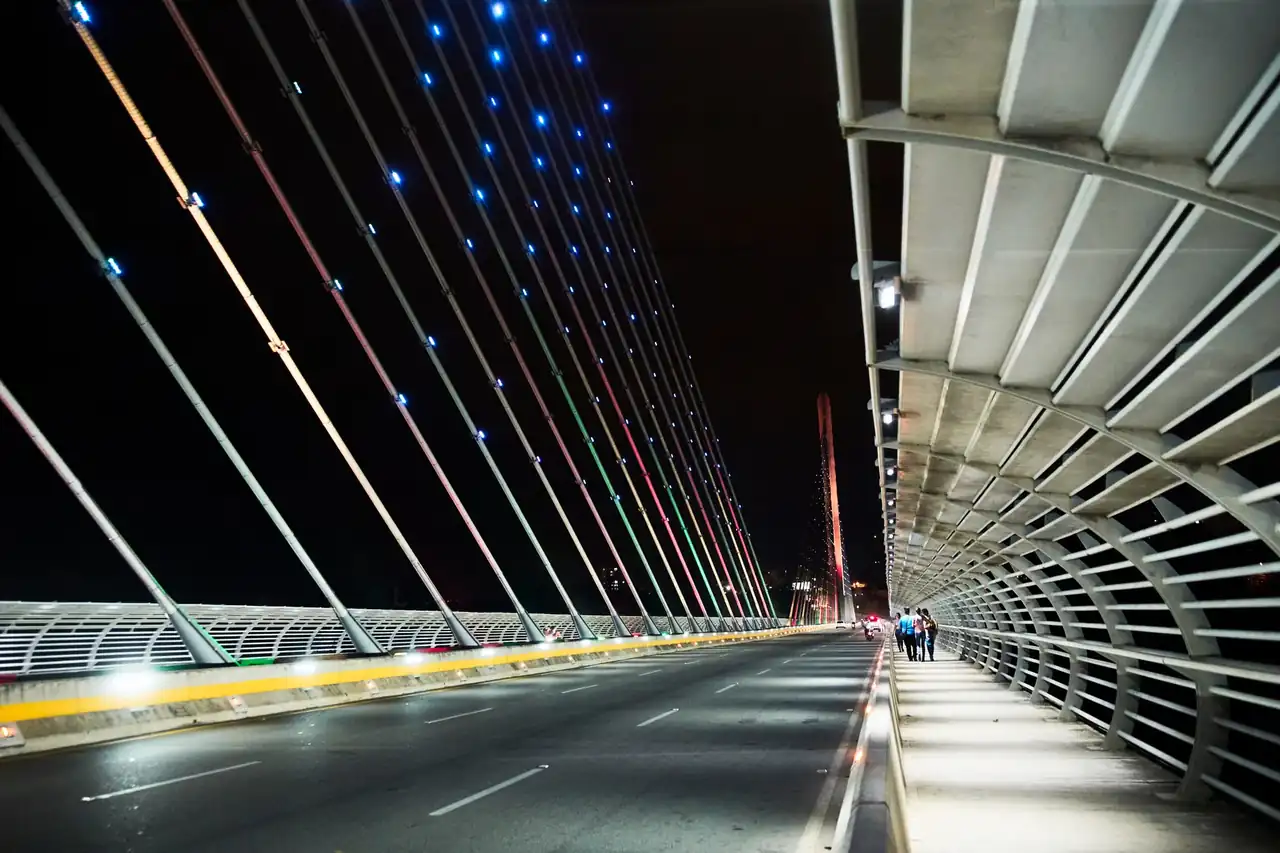
The Binter NightRun Zaragoza 2026 already has a date: it will take place on Saturday, September 26, bringing an illuminated, musical and inclusive circuit back to the center of the Aragonese capital. The start and finish will be located at Plaza de Nuestra Señora del Pilar, a recognizable setting that concentrates much of this night race’s visual appeal.
The event includes three options: a 1.7-kilometer Family Green Mile with a charitable purpose, plus competitive 5K and 10K races. The organizers are therefore maintaining the format of an urban event that combines popular running, entertainment and social commitments, with accessible routes and a production especially designed for running after sunset.
Information about the event can be checked alongside the popular races calendar and the race map, which bring together other events on the national calendar. In Zaragoza, attention is focused on an edition that brings back the green wave and allows runners to plan several months ahead.
A September night starting at Plaza del Pilar
Saturday, September 26, 2026, will be the central date of the event. Plaza de Nuestra Señora del Pilar will serve as the start and finish area, placing the race in the heart of Zaragoza’s monumental center and making it easier for spectators to follow different parts of the course. The square, the Ebro surroundings and the central streets create a setting very different from a race held in broad daylight.
The published schedule establishes three separate start times. The Family Green Mile will begin at 6:45 p.m., the 5K at 7:15 p.m. and the 10K at 8:15 p.m. This staggered arrangement allows the different races to share the atmosphere without concentrating everyone at one moment, although the times should be checked against the final rules before attending the event.
The night-time identity is not limited to starting later. Lighting, music and entertainment points are part of the series’ character. In Zaragoza, the organizers’ green color accompanies an urban race whose appeal lies both in running and in passing through some of the city’s best-known spaces after dark.
Which distances does the Zaragoza race offer?
The event brings together a short family distance and two popular races. The Family Green Mile covers 1.7 kilometers and is linked to a charitable purpose. It is not designed exclusively for experienced athletes, but as an option for people who want to take part in the event’s atmosphere on a more manageable course.
The 5K is the most direct option for those looking for a fast urban race or making their competitive debut. Five kilometers make it possible to assess pace without taking on the volume of a 10K and provide a clear goal for occasional runners. According to the available information, the central layout offers a recognizable experience with spectators present at several points.
The 10K requires more careful effort management. The planned design includes two fast laps on an accessible and lively circuit beside the Ebro, a formula that lets participants learn the course on the first lap and adjust their pace on the second. Over this distance, starting too fast can be costly in the final kilometers, particularly when the race takes place at the end of the day and the atmosphere encourages runners to get carried away.
The three options broaden the range of participants without turning the event into an exclusively competitive meeting. Families, recreational runners and athletes seeking a personal best share the same venue, but not necessarily the same demands. That coexistence is one of the features explaining the Binter NightRun’s continuity in Zaragoza.
The urban course through the city center
Information from previous editions places the course around several of Zaragoza’s notable locations. Don Jaime I street was one of the changes introduced to the route and allowed the race to move deeper into the historic center. The 5K route also passed through San Vicente de Paúl, Echegaray y Caballero, the Iron Bridge and the Stone Bridge.
The 5K route previously described follows a varied urban sequence: central streets, riverside avenues and crossings over the Ebro. After the Iron Bridge, the course heads toward the Stone Bridge before reaching the final section through Avenida de César Augusto and Echegaray. These details come from the design published for previous editions, so the final 2026 map will be the valid document for confirming every turn and street.
The 10K uses a two-lap structure, a feature that improves visibility for spectators and allows participants to pass the entertainment points more than once. It also requires attention within the pack: pace differences can become more obvious when runners finishing one lap meet those already approaching the final kilometers.
A central route should not automatically be confused with an easy course in every respect. Straights, changes of direction, bridges and runner density all influence the actual pace. A GPS watch may give irregular readings between buildings, so runners should interpret pace alongside effort and the kilometer markers installed by the organizers.
Schedules, bibs and race-day organization
The day begins before the competitive races. The Family Green Mile is scheduled for 6:45 p.m., followed by the 5K at 7:15 p.m. and the 10K at 8:15 p.m. The separation between starts helps logistics, but it also makes it advisable to arrive with enough time to locate the start area, check access points and collect the bib without rushing.
For the 2023 edition, bib collection was organized at the Heraldo de Aragón venue. On Friday, September 25, it was available from 10 a.m. to 7 p.m., and on Saturday, September 26, from 10 a.m. to 2 p.m., according to information published at that time. These hours should not automatically be applied to 2026: collection details, the exact location and required documents will be established in the new edition’s official communication.
The race pack for the competitive distances previously included a Mizuno technical shirt, a gymsack and a sports towel. The organizers also announced refreshments with water, isotonic drinks, fruit, nuts and other products. The exact contents of the pack and services may change, but they help explain the event model presented by the organizers.
The race also previously offered a cloakroom, toilets in the finish area, medical assistance along the course and a hospital post at the finish. Participants had sports accident insurance. In a night urban race, these elements are less visible than the music or lighting, but they are essential to an orderly and safe experience.
A Green Mile with a charitable purpose
The 1.7-kilometer distance occupies a different place in the program. The full proceeds from the Family Green Mile are donated to a social organization linked to intellectual disability. In the Zaragoza edition described by the organizers, the partner was Atades; for 2026, it will be necessary to check which association benefits and the precise donation conditions.
This format means that the charitable dimension is not reduced to a message placed outside the race. The cause is integrated into one of the events and opens participation to people who might not enter a 5K or 10K. The short distance, family atmosphere and modest athletic demand make the Mile an entry point to the event.
Charity also changes the meaning of a popular race. The bib is no longer only access to a course; it becomes a concrete way to support a social activity. The initiative’s transparency nevertheless depends on the organizers clearly communicating the recipient organization, the amount raised and how the funds are used.
Inclusion, accessibility and women’s participation
The Binter NightRun Series presents its routes as accessible circuits for people with different functional needs. The aim is for the courses to be used by a diverse range of participants, without disability automatically becoming a barrier to starting. Real accessibility should always be assessed through practical information about surfaces, widths, crossings, assistance and accompanying conditions.
The series has also promoted a goal of balanced participation between men and women. In 2022, women represented 39% of registrations for the Zaragoza race, while the stated target for 2023 was 50%. Beyond the percentage, the approach included equal prize money in the men’s and women’s categories for the competitive distances.
For the 2023 edition, prizes of 500 euros for first place, 300 for second and 200 for third were announced in the 10K, along with a trophy and a flight ticket for two people. The same structure applied to the 5K. These amounts belong to that edition’s information and should not be considered confirmed for 2026 until the relevant regulations are published.
The parity challenge was also extended to women’s athletics clubs. The organizers proposed recognizing the club that brought the most female runners to the competitive distances. Such measures do not by themselves change the composition of the field, but they introduce an important conversation about female representation and the conditions that make evening racing easier.
Sustainability in an urban race
Sustainability is another declared pillar of the series. Announced measures include reducing plastics, installing separate waste containers and promoting local products at the refreshment points. The organizers have also expressed an intention to reduce the event’s carbon footprint, a goal that requires measurable actions and the later publication of results.
The race pack is one of the areas where the material impact of a race is most visible. Reducing single-use items, avoiding unnecessary packaging and offering genuinely useful products can cut waste without changing the participant experience. At refreshment points, waste separation only works when containers are well distributed and instructions are easy to see.
A night race creates other environmental challenges: lighting, travel, infrastructure assembly and dismantling. Holding the event in central Zaragoza makes it possible to arrive on foot, by bicycle or by public transport from many neighborhoods, which can reduce some private-car journeys. An event’s sustainability does not depend on one action, but on the sum of decisions made before, during and after the race.
How to prepare for a late-day race
Running late in the day changes a runner’s usual routine. Anyone who trains in the morning must get used to starting after the day has progressed, while afternoon runners may find a time closer to their normal schedule. The answer is not to change everything at once, but to test during training how the body responds after eating and following several hours of activity.
The pre-race meal should be familiar and easy to digest. A large meal too close to the start can cause heaviness, while arriving after many hours without food can create an empty feeling in the final kilometers. The 5K usually allows a simple strategy; for the 10K, each runner should test in advance the quantity, timing and foods they tolerate best.
September temperatures may become more pleasant after sunset, but there is no guarantee that the night will be cool. Zaragoza can remain warm after a sunny day, and the body will continue losing fluid during the effort. Drinking moderately before the start and using the planned refreshment point is more sensible than carrying large amounts of water unnecessarily.
Visibility also deserves attention. The organizers illuminate the course, but participants should choose familiar shoes and clothing that does not cause chafing. This is not the moment to wear new footwear, try an unfamiliar gel or radically change a pacing strategy. A night race may feel lighter because of the atmosphere, but the legs respond to effort in the same way as during the day.
An urban race with its own Zaragoza identity
The Binter NightRun stands out from other urban races through an unusual combination: a night schedule, music, lighting, central routes and a charitable cause integrated into the program. Zaragoza also provides a recognizable setting, with Plaza del Pilar as a landmark and the Ebro as the route’s defining feature. The city is not merely a backdrop; its streets shape the pace and experience.
The 2022 edition brought together 1,490 runners, according to information published in the later event announcement, while a forecast of around 2,000 participants was discussed for 2023. These figures help show the event’s growth, although they cannot predict 2026 registration by themselves. The outcome will depend on the sporting calendar, bib availability and the response of runners from Zaragoza and other regions.
The Binter NightRun Series connects several cities and makes travel part of its identity. Zaragoza shares this concept with other locations such as Tenerife, Palma, Donostia-San Sebastián and Gran Canaria. For some participants, the race is a local competition; for others, it forms part of a calendar of night events that turns every destination into a sporting and travel experience.
The result is an event positioned between a popular race and an urban show. Music can lift the mood, lights transform the streets and crossing the bridges offers a different view of the city. But beneath the production remains a 5K or 10K race that requires pacing, respect for the route and attention to official information.
What must be confirmed before the 2026 edition
The date of September 26, 2026, and the three formats appear in the organizers’ reference information. Even so, some operational details may change. The final rules will need to confirm the schedules, bib collection location, categories, timing system, race services and specific participation requirements.
The official map should also be awaited to verify whether the route continues through Don Jaime I, San Vicente de Paúl, the Ebro bridges and the Echegaray y Caballero axis. Urban routes change because of construction, permits, traffic management and safety requirements. Previous editions provide guidance, but they do not replace the map published for the specific event.
Registration, bib prices and availability are not confirmed in the information currently available for 2026. A reference to official registration should not be read as a guarantee that places are available. Likewise, prize money, the Green Mile beneficiary and the contents of the race pack require a specific update.
The most sensible preparation combines published details with a final review of the regulations. An urban race may look familiar, but small changes to the schedule or course affect warm-up, travel and race strategy. In September, weather may also influence clothing and hydration, even when the start takes place at night.
The green wave looks toward the Ebro again
The new edition arrives with a recognizable proposal: run through central Zaragoza at night, choose between 1.7, 5 or 10 kilometers and share the route with a diverse community. Plaza del Pilar, the bridges and the Ebro riverbank create a different urban image, while music and lighting provide the festive pulse of a race designed to be seen.
Its value does not depend only on the time achieved by those competing in the 5K or 10K. Family participation, inclusion and the charitable element broaden the meaning of the event and bring it closer to people with very different goals. That is a major part of its distinctiveness within Spain’s running calendar.
On September 26, 2026, Zaragoza will once again test whether a city can change its rhythm after sunset. The answer will be visible at the start in Plaza del Pilar, in the line of runners crossing the center and in a green wave that, beyond the image, will need to support its social, environmental and sporting commitments with concrete actions.



How to prevent thigh chafing: causes and real solutions

Women’s running windbreakers: seven jackets and how to choose

Do more workouts get rid of soreness? A guide for runners

Jaén Half Marathon 2026: Record 3,800 Runners Registered

Men’s short running tights: how to choose the right pair

World Triathlon confirms data breach involving medical data

Izan Edo targets podium at Miyazaki World Cup

María Pérez ranks ninth in World Athletics’ 2026 top ten

Dos Santos, Duplantis and Sawe: World Athlete of the Year finalists

San Silvestre Vallecana 2026: 42,000 places, prices and start times

 Races3 months ago
Valencia Half Marathon 2027: date and registration

 Races3 months ago
Valencia Marathon 2026: entry, ballot and course

 Reviews and Comparisons4 months ago
Asics Gel-Roadmiles 3 for men: review and current price

 Reviews and Comparisons4 months ago
Asics Gel Sonoma 8 Gore-Tex: complete analysis for trail and rain

 Sneakers3 months ago
Saucony Endorphin Pro 4: full review and verdict

 News5 months ago
Strava API 2026: what changes for clubs, challenges and runner apps?

 Reviews and Comparisons5 months ago
Nike Alphafly 3: opinions, sensations, and real key points

 Reviews and Comparisons4 months ago
Under Armour running shoes review 2025-2026: models and key features

 Sports Equipment4 months ago
Shoe sizes in cm: a clear guide to getting the right fit for your footwear

 Sneakers3 months ago
Skechers GO RUN Consistent 2.0 analysis: comfort and limits

 News5 months ago
Valencia Marathon 2026 route: key tips to train and run better

 Sneakers4 months ago
Adidas Adizero Boston 13 for men: review and verdict